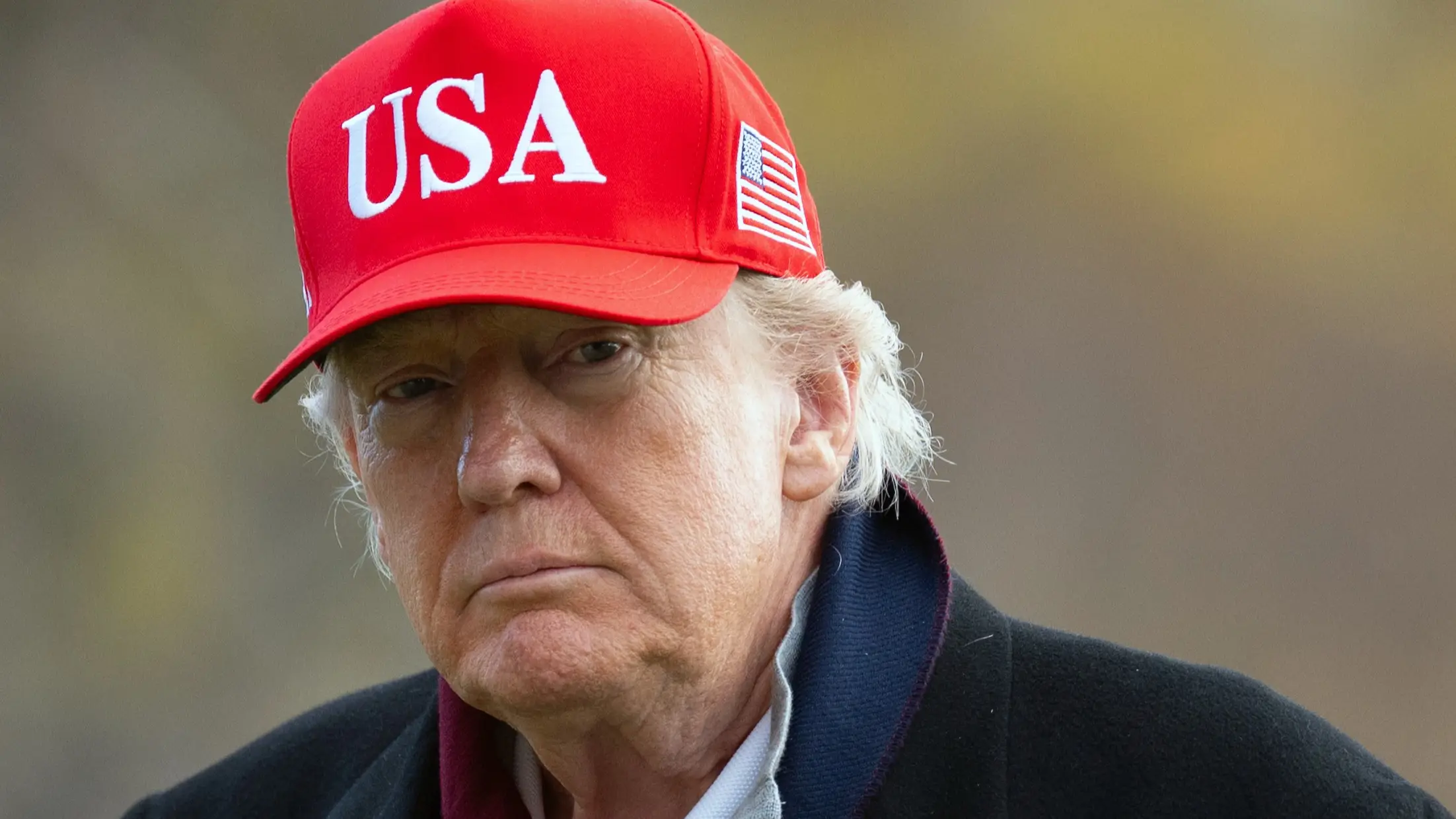
How Trump's Save America Act could affect millions of women

United States President Donald Trump's Safeguard American Voter Eligibility (SAVE) Act could affect millions of women.
The SAVE Act, a bill which was first introduced in 2024, failed to pass the Senate at that time and was passed in the House last month, but has since stalled in the Senate.
Senate Republicans are preparing to vote on the SAVE Act this week, with Democrats strongly opposed to the voter-ID legislation strongly backed by Trump.
Trump declared last Sunday (8 March) that he will refuse to sign any legislation until Congress passes the bill, also making clear he would reject a 'watered down' version of the bill.
Advert
Taking to Truth Social, the 79-year-old Republican wrote: "Great Job by hard working Scott Pressler on Fox & Friends talking about using the Filibuster, or Talking Filibuster, in order to pass THE SAVE AMERICA ACT, an 88% issue with ALL VOTERS.
"It must be done immediately. It supersedes everything else. MUST GO TO THE FRONT OF THE LINE."
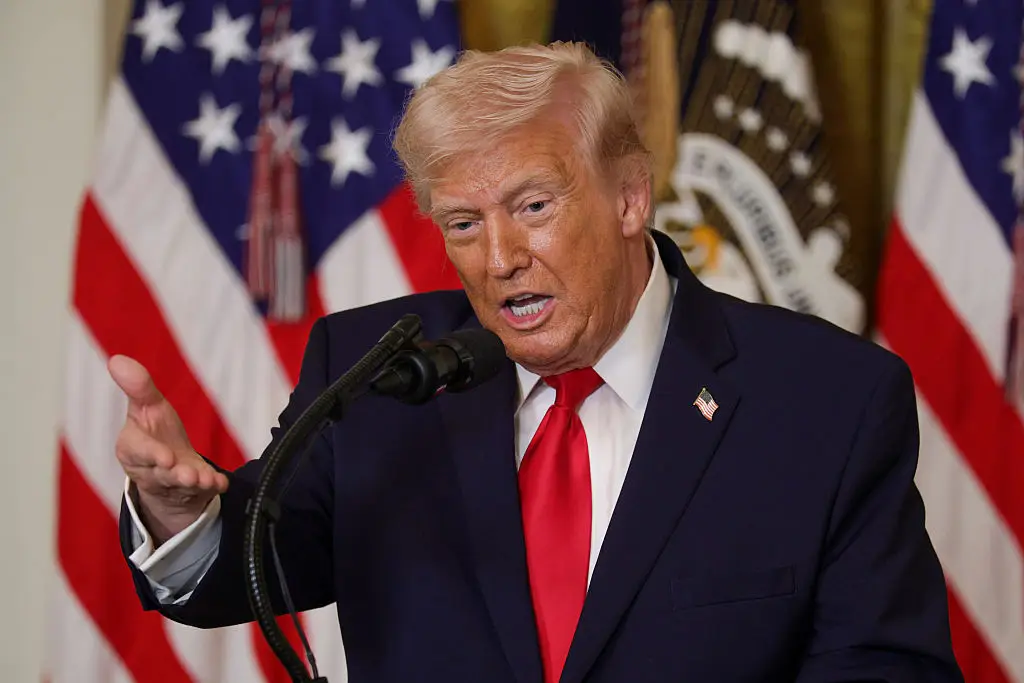
He then declared: "I, as President, will not sign other Bills until this is passed, AND NOT THE WATERED DOWN VERSION - GO FOR THE GOLD: MUST SHOW VOTER I.D. & PROOF OF CITIZENSHIP: NO MAIL-IN BALLOTS EXCEPT FOR MILITARY - ILLNESS, DISABILITY, TRAVEL: NO MEN IN WOMEN’S SPORTS: NO TRANSGENDER MUTILIZATION FOR CHILDREN!"
Trump signed off the post, concluding: "DO NOT FAIL!!! President DONALD J. TRUMP."
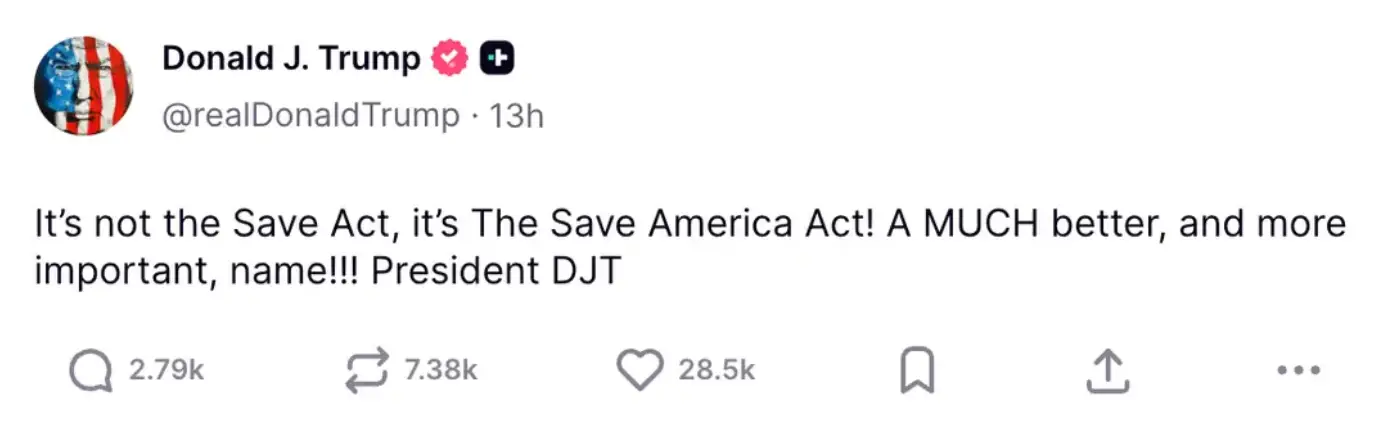
He then added in a follow-up statement: "It’s not the Save Act, it’s The Save America Act! A MUCH better, and more important, name!!! President DJT."
Under US law, legislation sent to the president automatically becomes law if it sits unsigned for 10 days while Congress remains in session.
What is the SAVE Act?
The SAVE Act, short for the Safeguard American Voter Eligibility Act, is a proposed US federal elections bill backed by allies of Trump.
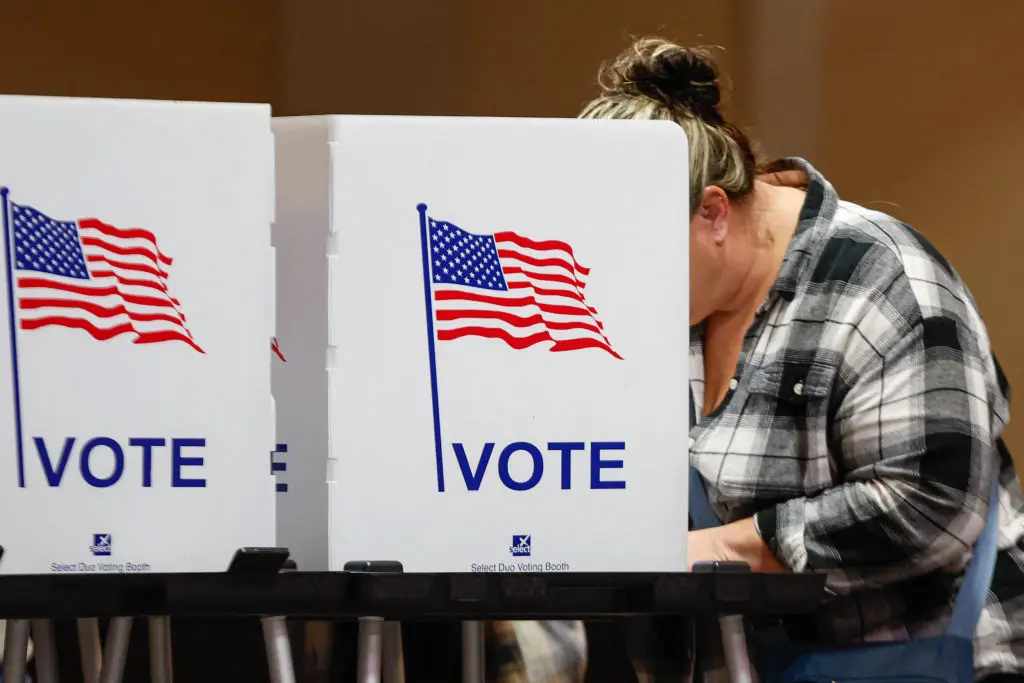
Its central aim is to tighten voter registration rules by requiring Americans to present documentary proof of citizenship when registering to vote in federal elections.
The SAVE Act would require people to present specific documents, such as a US passport, birth certificate, or naturalisation papers, to prove they are citizens before registering.
Supporters argue the bill protects election integrity and prevents non-citizens from voting, while opponents say those cases are extremely rare and warn the policy could create new barriers for millions of eligible voters.
What is the SAVE Act’s impact on married women?
One group repeatedly mentioned in the debate is married women who changed their last name after marriage.
Many women’s birth certificates show their maiden name, but their driver’s licence, voter registration and other records often carry their married name.
Under the SAVE Act, this mismatch could create extra paperwork when registering to vote.
For people without a passport, the most common proof of citizenship is a birth certificate. If the name on that certificate does not match the name on the current identification, election officials may require additional documents to prove the legal name change.
Critics say this issue could affect millions of women because name changes after marriage are common, with estimates cited by critics suggesting a large majority of married women do not have citizenship documents that reflect their current legal name.
The concern is not that married women would be banned from voting outright, but that it requires extra paperwork, extra steps and confusion about acceptable documents could make registration harder and discourage some voters.
In a statement published last month, the Campaign Legal Center said that the legislation would impose 'unnecessary barriers to the registration process, requiring voters to provide documentation that many don’t have' as reportedly more than nine percent of American citizens don't have proof of citizenship at hand.
"This in-person 'show your papers' requirement would keep many eligible voters from the polls, particularly those who do not have immediate access to citizenship and name-change documents," said Eliza Sweren-Becker, senior counsel at the Brennan Center’s Voting Rights and Elections Program.
What has the White House said?
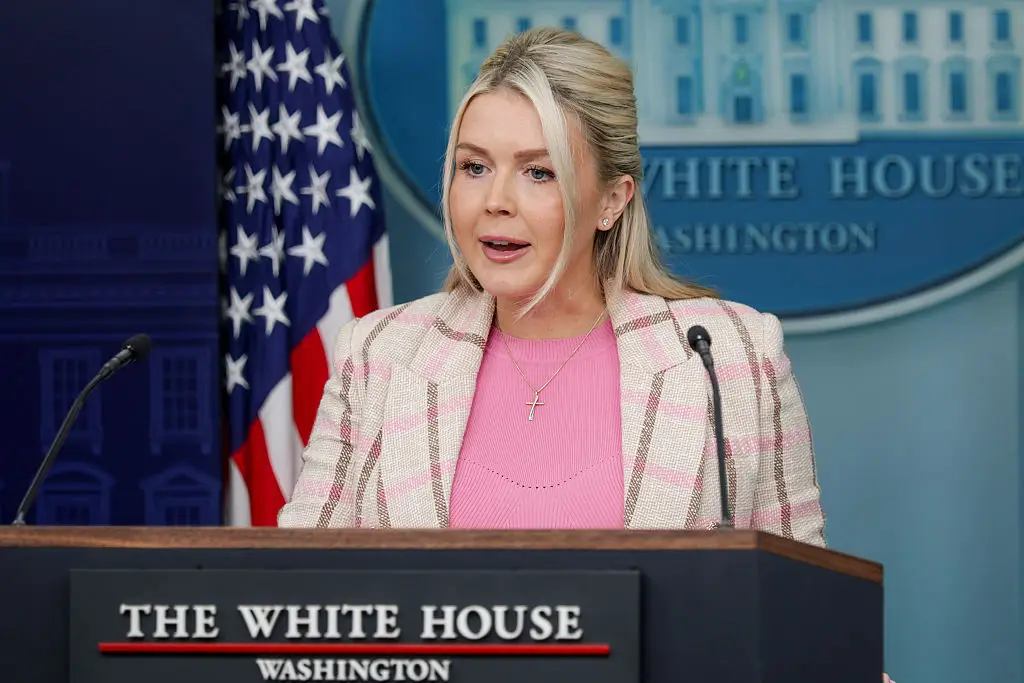
Asked whether the SAVE Act would make it harder for married women to vote, White House Press Secretary Karoline Leavitt dismissed the concern as a 'huge myth' and criticised Democrats, per USA Today.
"As far as married women who have changed their name, if they're already registered to vote, they're entirely unaffected by the SAVE Act," Leavitt outlined.
"The SAVE America Act does not prohibit anyone from voting, with the exception of illegal aliens," she said during a March 10th press conference. "And the greatest way to disenfranchise American citizens from voting in American elections is to allow illegal aliens to vote, which is what Democrats want to do."
It is already illegal for non-US citizens to vote in federal elections, with data from the Bipartisan Policy Center showing cases of noncitizens voting are rare.
Leavitt said there is 'zero validity' to claims the SAVE Act would affect married women trying to vote, but did acknowledge the legislation would add extra steps for people who have changed their name, including married women, to prove their citizenship when registering.
"For the small fraction of individuals who have changed their name or their address, they can still register to vote, of course, they just have to go through their state processes to update that documentation," Leavitt said, adding that Americans are 'already doing it every day'.
As many as 69 million women in the US have taken their spouse's last name, but do not possess a birth certificate reflecting that change, according to a Center for American Progress analysis.
Topics: US News, Politics, Explained, Donald Trump
 Rhiannon Ingle