
Nurse shares one flu sign that means your child should stay home

While all the excitement of Christmas and the holiday season amps up, it's clear many of us are feeling a tad under the weather at the moment due to these chillier conditions.
It seems like just about everyone, children included, has come down with something or other over the past few weeks, with a nurse now sharing one flu sign that means your little one should probably stay home as the H3N2 flu strain continues to spread.
Abbie Sunderland, a school nurse and service manager for the Northern Care Alliance NHS Foundation Trust, told Manchester Evening News that there is a very simple test parents can use to decide whether or not to keep their unwell child at home.
The nurse explained that any 'mild cold symptoms' - which may include a runny nose, slight cough or sore throat - shouldn't really keep them from going to school.
Advert
But a high temperature, on the other hand? That's a whole different story.

"The NHS guidance is simple to follow: for most children, mild cold symptoms such as a runny nose, slight cough or sore throat wouldn’t stop them going to school," Sunderland explained.
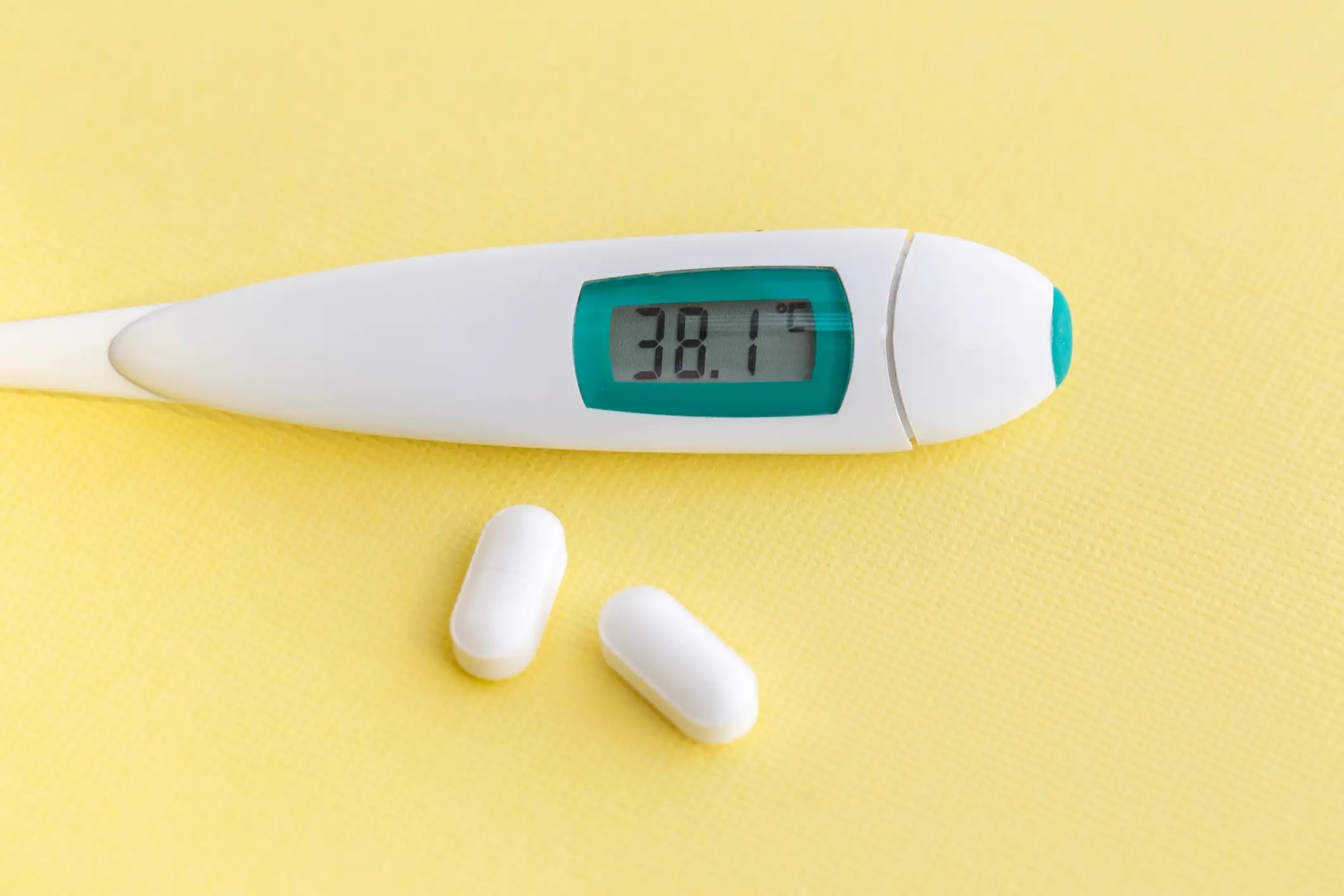
She added: "A temperature is usually a sign something isn’t quite right, so if they do have a high temperature (38 degrees or above), keep them off until it’s gone."
The nurse also noted that 'one of the simplest ways' to protect your family is to get the flu vaccine.
"It reduces the risk of becoming seriously unwell and helps stop flu spreading to more vulnerable relatives," she told the outlet.
Other measures include good hand hygiene, covering your mouth and nose when coughing or sneezing, avoiding close contact with people who are unwell, and keeping your home well-ventilated.
Dr Giuseppe Aragona, GP and medical adviser for Prescription Doctor, previously explained that H3N2 is a type of influenza A virus, one of the common seasonal flu strains that circulate each year.
Laboratory testing of NHS swab samples revealed an increase in flu positivity to 11.6 per cent, rising from 10.7 per cent in the prior week.
Dr Aragona explained that GP consultations for flu-like illness are increasing, and laboratory tests show that the majority of cases this season are due to H3N2.
"While we haven’t yet reached the peak of the season, the fact that flu is appearing earlier than usual means we need to be alert and prepared, particularly in clinics and hospitals," he warned.
All flu virus strains can cause a sudden onset of the following symptoms:
- Fever/chills
- Cough (often dry)
- Sore throat
- Runny or stuffy nose
- Body and muscle aches
- Headache
- Fatigue/weakness
H3N2 specifically tends to produce more severe fevers, with patients typically experiencing higher body temperatures overall. They are also more likely to develop a high fever - exceeding 38°C - than with strains like H1N1.
Flu symptoms are more intense and appear more abruptly, categorised with fever, chills, muscle aches, headaches and fatigue. Cold symptoms are typically milder and emerge gradually, with nasal congestion being more prominent. Colds rarely result in serious health complications, unlike influenza.
Topics: Advice, Explained, Health, Life, Parenting, UK News, NHS
 Rhiannon Ingle