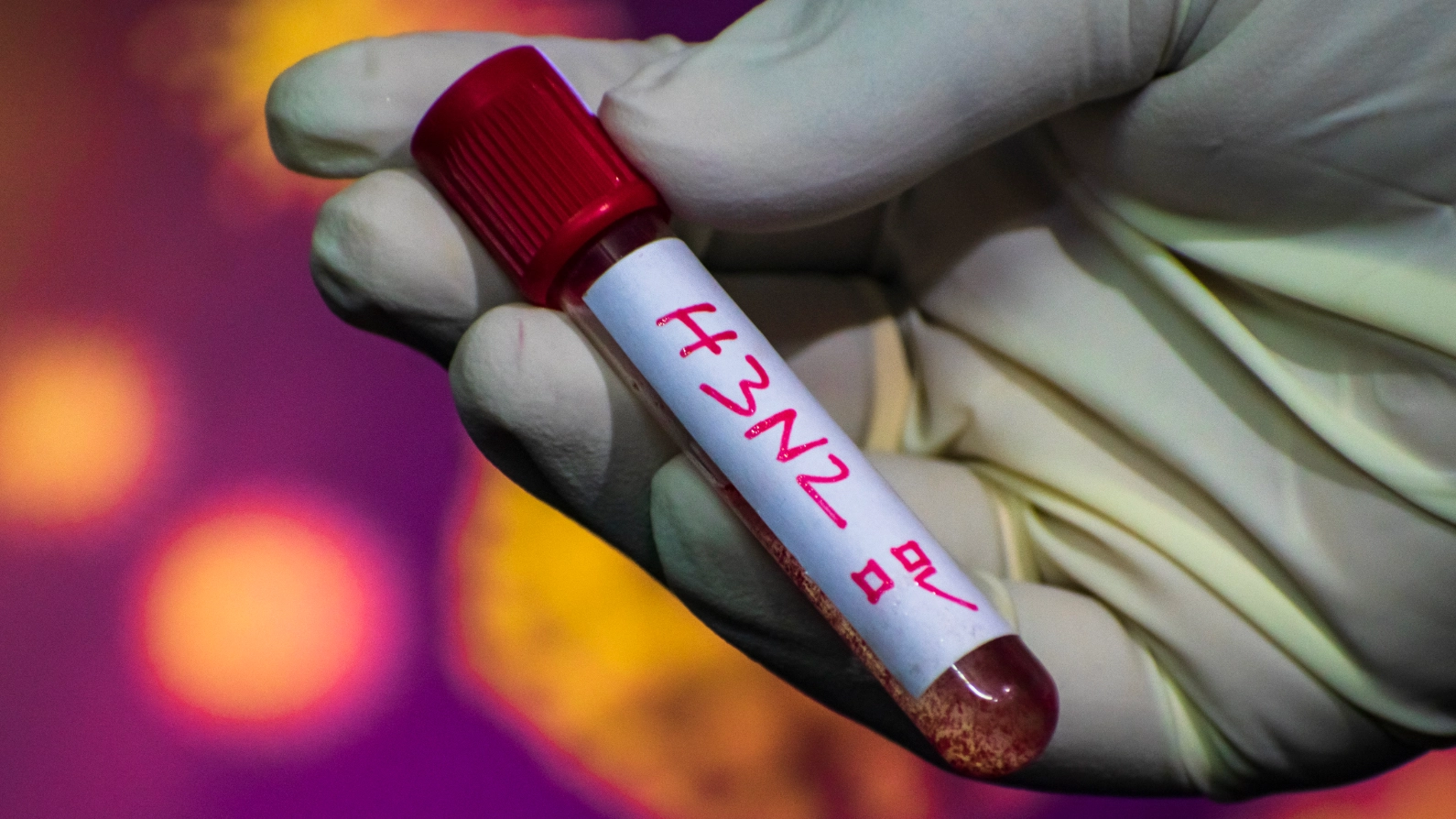
One major sign of ‘dangerous’ H3N2 flu that’s different from normal flu - as cases surge

There is one major sign of the 'dangerous' H3N2 flu that’s different from normal flu as cases surge.
England is experiencing a surge in influenza cases, driven by the H3N2 strain that is hitting children particularly hard. Australia's experience with this strain - their worst flu season ever recorded - suggests that Britain may face similar severity as we descend further into winter.
Laboratory testing of NHS swab samples revealed an uptick in flu positivity to 11.6 percent, rising from 10.7 percent in the prior week. While infections haven't reached their seasonal height, they're significantly elevated compared to typical levels for this time of year.
Hospital admissions for influenza climbed to 4.56 per 100,000 people in the last week, compared to 3.39 per 100,000 the week before. Intensive care unit admissions also increased slightly, reaching 0.12 per 100,000 from 0.10 per 100,000.
Advert

Now this new flu strain is causing severe illness even in otherwise healthy people, and doctors have warned that H3N2 'can kill' because it has mutated to be particularly aggressive.
The Royal College of Paediatrics and Child Health (RCPCH) has emphasised this lethal potential in rare instances and is urging parents to vaccinate their children using the nasal spray flu vaccine.
UKHSA estimates show that deaths from flu in England stood at 7,757 last winter compared to 3,555 the year before, the Mirror reports, adding that child deaths involving flu also increased from 34 to 53.
Early season data from UKHSA confirms vaccination remains the strongest protection, combined with proper respiratory hygiene practices. This year's vaccine shows 70-75 percent effectiveness in preventing hospital admission for children aged 2 to 17, and 30-40 percent effectiveness in adults.
Dr Conall Watson, consultant epidemiologist at the UKHSA, said: "With less than four weeks until Christmas, when we will see many people mixing more indoors, we’re urging all those eligible to get vaccinated against flu and RSV as soon as possible to ensure they’re protected against severe illness this winter.
"There are also simple steps we can all take to help protect one another ahead of the festive period. If you have flu or COVID-19 symptoms – including a high temperature, cough and feeling tired or achy – you should try to minimise contact with others, especially those more vulnerable.
"Washing hands regularly and ensuring indoor spaces are well ventilated both help. If you have symptoms and need to go out, consider wearing a face covering."

What are the symptoms?
All flu virus strains can cause a sudden onset of the following symptoms:
- Fever/chills
- Cough (often dry)
- Sore throat
- Runny or stuffy nose
- Body and muscle aches
- Headache
- Fatigue/weakness

H3N2 specifically tends to produce more severe fevers, with patients typically experiencing higher body temperatures overall. They are also more likely to develop a high fever - exceeding 38°C - than with strains like H1N1.
Flu symptoms are more intense and appear more abruptly, categorised with fever, chills, muscle aches, headaches and fatigue. Cold symptoms are typically milder and emerge gradually, with nasal congestion being more prominent. Colds rarely result in serious health complications, unlike influenza.
Annual flu vaccination provides the best protection. Additional preventive measures include:
- Frequent handwashing
- Avoiding touching your face
- Covering coughs and sneezes
- Disinfecting frequently-touched surfaces
- Limiting time in crowded spaces when feasible
You can find out more about the flu jab on the official NHS website here.
Topics: Health, Explained, Advice, Life, News, Australia, World News, UK News, NHS
 Rhiannon Ingle