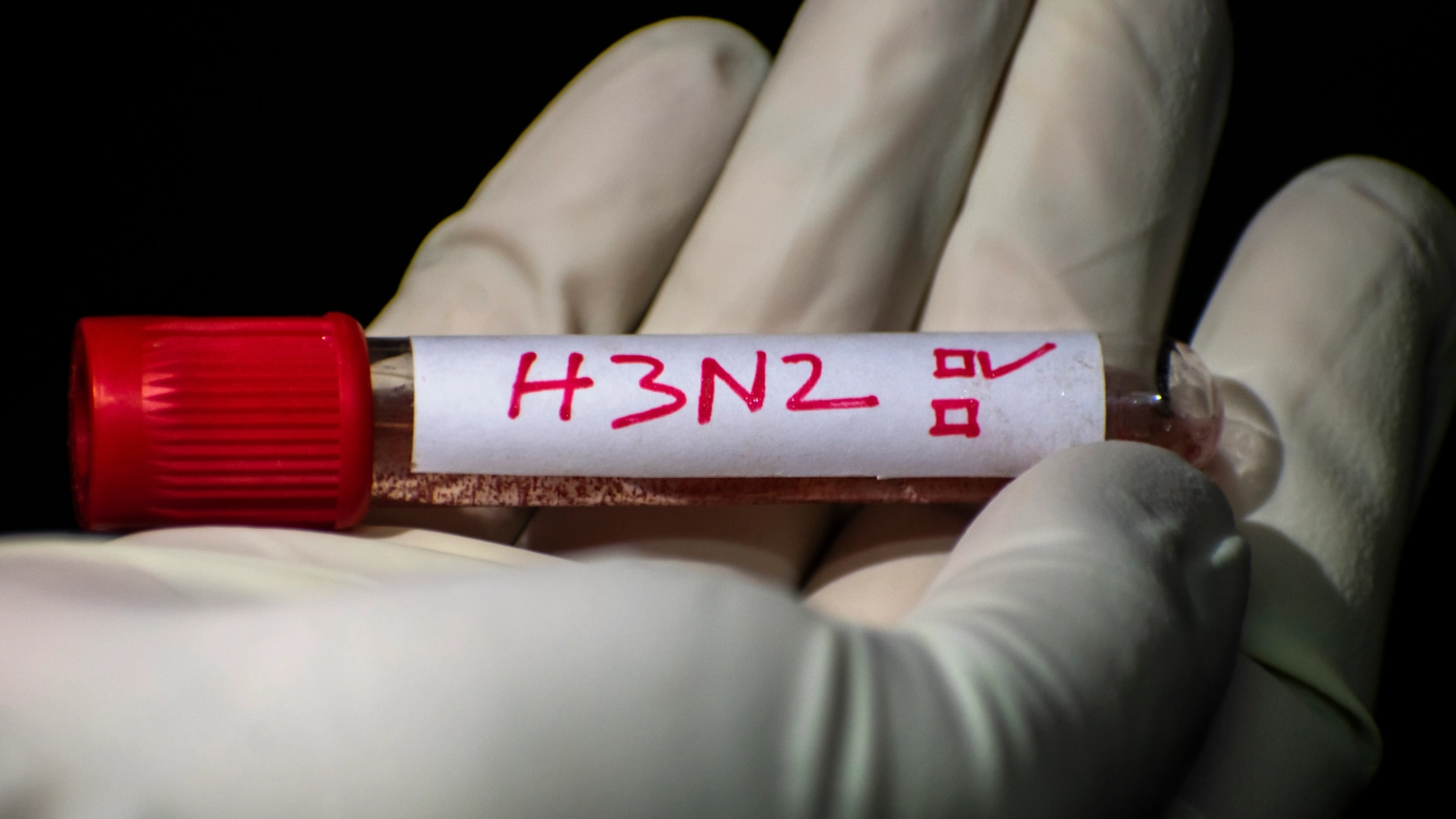
Warning over 'dangerous' H3N2 flu as doctor issues new advice on how to protect yourself

A warning has been issued over the 'dangerous' H3N2 flu as a doctor has now issued fresh advice on how to best protect yourself from the virus.
Dr Giuseppe Aragona, GP and medical adviser for Prescription Doctor, explained that H3N2 is a type of influenza A virus, one of the common seasonal flu strains that circulate each year.
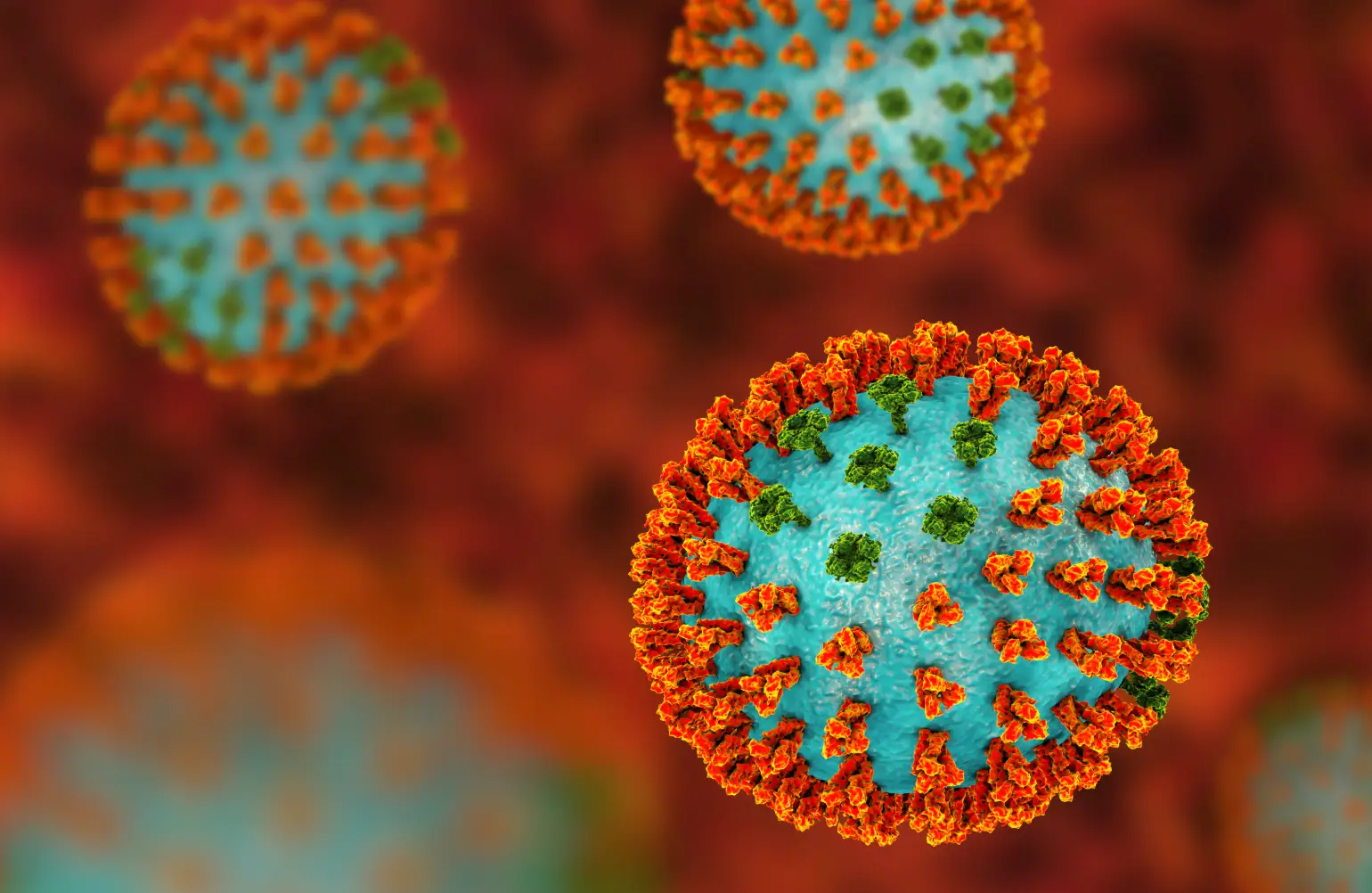
"The letters and numbers refer to the virus’s surface proteins, haemagglutinin (H) and neuraminidase (N), and this particular combination can sometimes cause more severe illness, especially in older people or those with underlying health conditions," he warned.
The doctor also noted that H3N2 changes regularly, so the version of the virus circulating this year may be different from previous years or from the one in the seasonal vaccine, which can make people more susceptible.
Advert
How high are flu rates at the moment?
As we say, flu is already circulating in the UK and appears to be picking up, though overall rates are still relatively low.
Laboratory testing of NHS swab samples revealed an increase in flu positivity to 11.6 percent, rising from 10.7 percent in the prior week.
Dr Aragona explained that GP consultations for flu-like illness are increasing, and laboratory tests show that the majority of cases this season are due to H3N2.
"While we haven’t yet reached the peak of the season, the fact that flu is appearing earlier than usual means we need to be alert and prepared, particularly in clinics and hospitals," he warned.
 H3N2 specifically tends to produce more severe fevers (SimpleImages / Getty Images)
What are the symptoms?
All flu virus strains can cause a sudden onset of the following symptoms:
- Fever/chills
- Cough (often dry)
- Sore throat
- Runny or stuffy nose
- Body and muscle aches
- Headache
- Fatigue/weakness
H3N2 specifically tends to produce more severe fevers, with patients typically experiencing higher body temperatures overall. They are also more likely to develop a high fever - exceeding 38°C - than with strains like H1N1.
Flu symptoms are more intense and appear more abruptly, categorised with fever, chills, muscle aches, headaches and fatigue. Cold symptoms are typically milder and emerge gradually, with nasal congestion being more prominent. Colds rarely result in serious health complications, unlike influenza.
Why has flu season started earlier this year?
Dr Aragona has highlighted a few reasons why flu could be worse this winter.
He began: "The season has started earlier than usual, which gives the virus more time to spread. The H3N2 strain circulating now has evolved slightly from last year, meaning previous immunity or even the vaccine may offer less protection than usual.
"Fewer people have been exposed to flu in recent years, especially children, which leaves more people vulnerable."
On top of all of that, he adds, colder weather, indoor mixing, and social habits all contribute to faster transmission, creating 'the perfect storm' for higher flu rates.
How can you best protect yourself from H3N2?
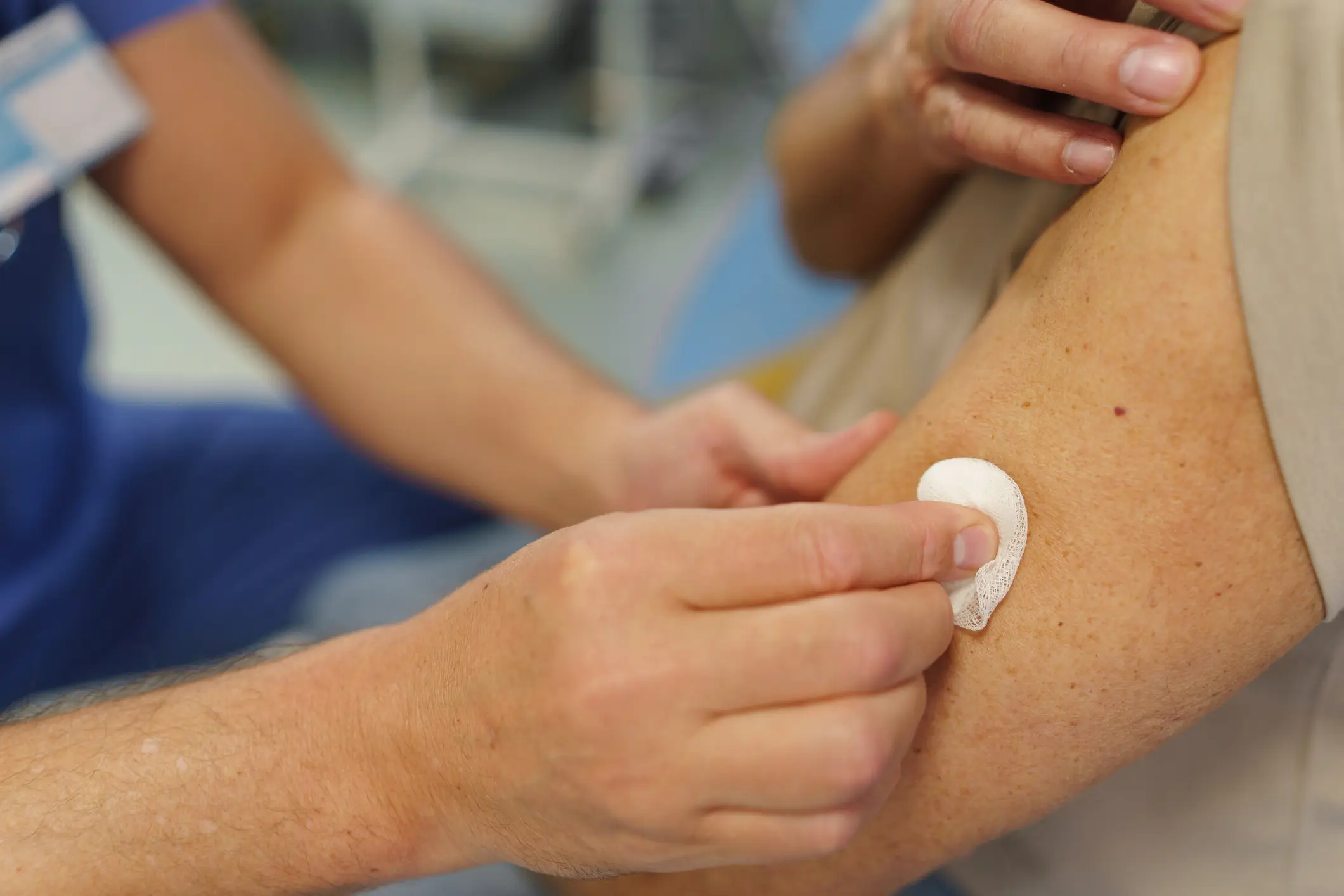
According to the expert, the most effective way to protect yourself is to get the flu vaccine, particularly if you are in a higher-risk group such as over 65, pregnant, very young, or living with a long-term health condition.
"The vaccine may not prevent every infection, but it significantly reduces the risk of severe illness and hospitalisation," Dr Aragona added.
Other measures include good hand hygiene, covering your mouth and nose when coughing or sneezing, avoiding close contact with people who are unwell, and keeping your home well-ventilated.
The doctor advised: "If you do get flu-like symptoms, it’s best to stay home to avoid passing it on, and to seek medical advice promptly if symptoms worsen or you are in a vulnerable group."
How worried should we really be about H3N2?
Now, for most healthy adults and children, flu is unpleasant but usually manageable, so there’s no need to panic, Dr Aragona assures.
"However, for older people, those with chronic illnesses, and other vulnerable groups, H3N2 can be serious, and this season may place extra pressure on the health service due to the early start and the strain’s characteristics," he warned, noting that the most important thing you can do is to 'be vigilant'.
"Get vaccinated, take sensible precautions, and seek help early if symptoms become severe. With these steps, the risk can be managed effectively, even in a year when flu is circulating more widely," Dr Aragona resolved.
 Rhiannon Ingle