Warning as new mpox strain discovered - here are the symptoms to be aware of

Scientists in the UK have unearthed an alarming new strain of mpox, and are now issuing a stern warning over the possible indicators of infection.
For those in need of a reminder, mpox was previously known as monkeypox, and describes a rare infection most commonly found in areas of both central and east Africa.
According to the UK Health Security Agency (UKHSA), the newly-identified 'new recombinant mpox virus' was recorded in an individual who'd recently travelled from Asia to Britain.
This description means that the virus has been forged together using a number of different viral strains, with genomic sequencing showing it contained elements of clade Ib and IIb mpox.
Advert
"It's normal for viruses to evolve, and further analysis will help us understand more about how mpox is changing," Dr Katy Sinka, UKHSA's head of sexually transmitted infections explained to Sky News. "Although mpox infection is mild for many, it can be severe."
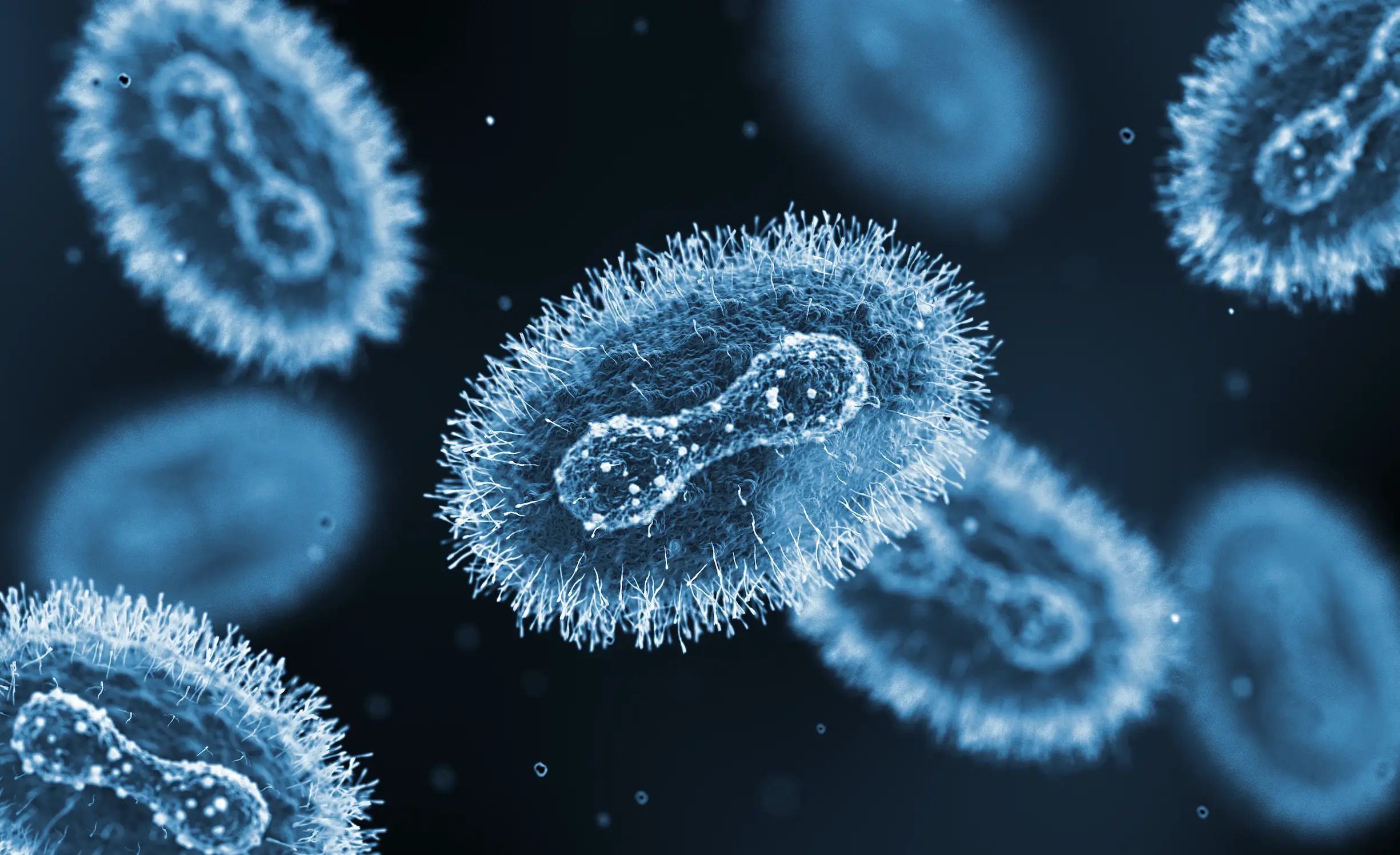
The UKHSA has pledged to continue assessing 'the significance of the strain'.
How is mpox spread?
In the majority of cases, mpox is spread from person to person through close physical contact - especially when this involves skin on skin.
As such, it's closely related to sexual contact, kissing and cuddling.
Contact with bodily fluids like saliva and snot could also see the infection transmitted from person to person, as well as contact with infected clothing, bedding or towels.
In rarer cases, prolonged face-to-face contact that involves talking, breathing, coughing or sneezing could see the virus spread.
The new recombinant strain is, according to Emory University, Georgia's assistant professor of medicine, Dr Boghuma Titanji, 'precisely what experts in the field feared would happen if the virus continued to spread globally without a decisive response to stop it'.
As such, she added: "The key concern now is whether events like this will alter the virus's transmissibility or virulence."

What are the symptoms of mpox?
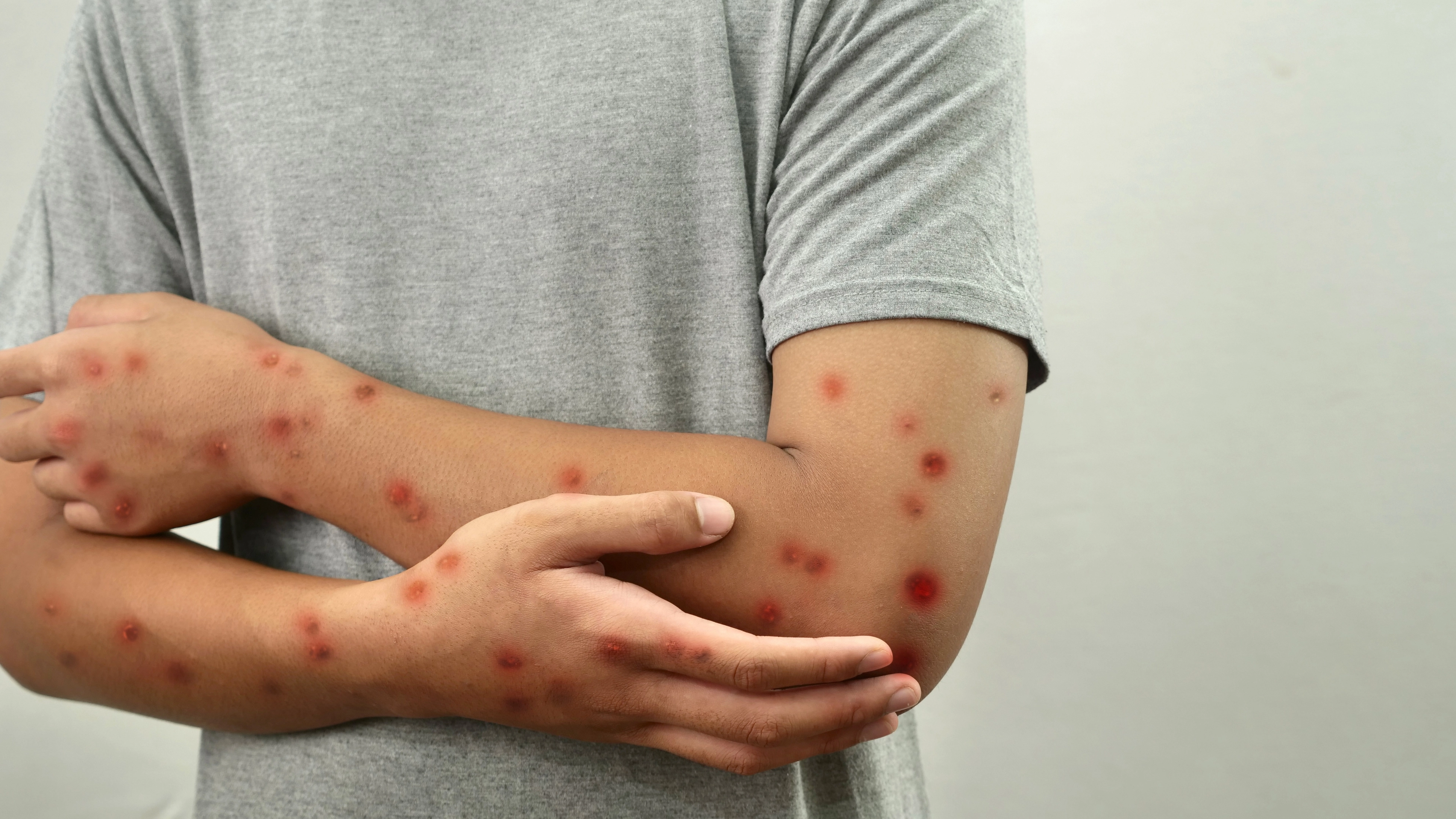
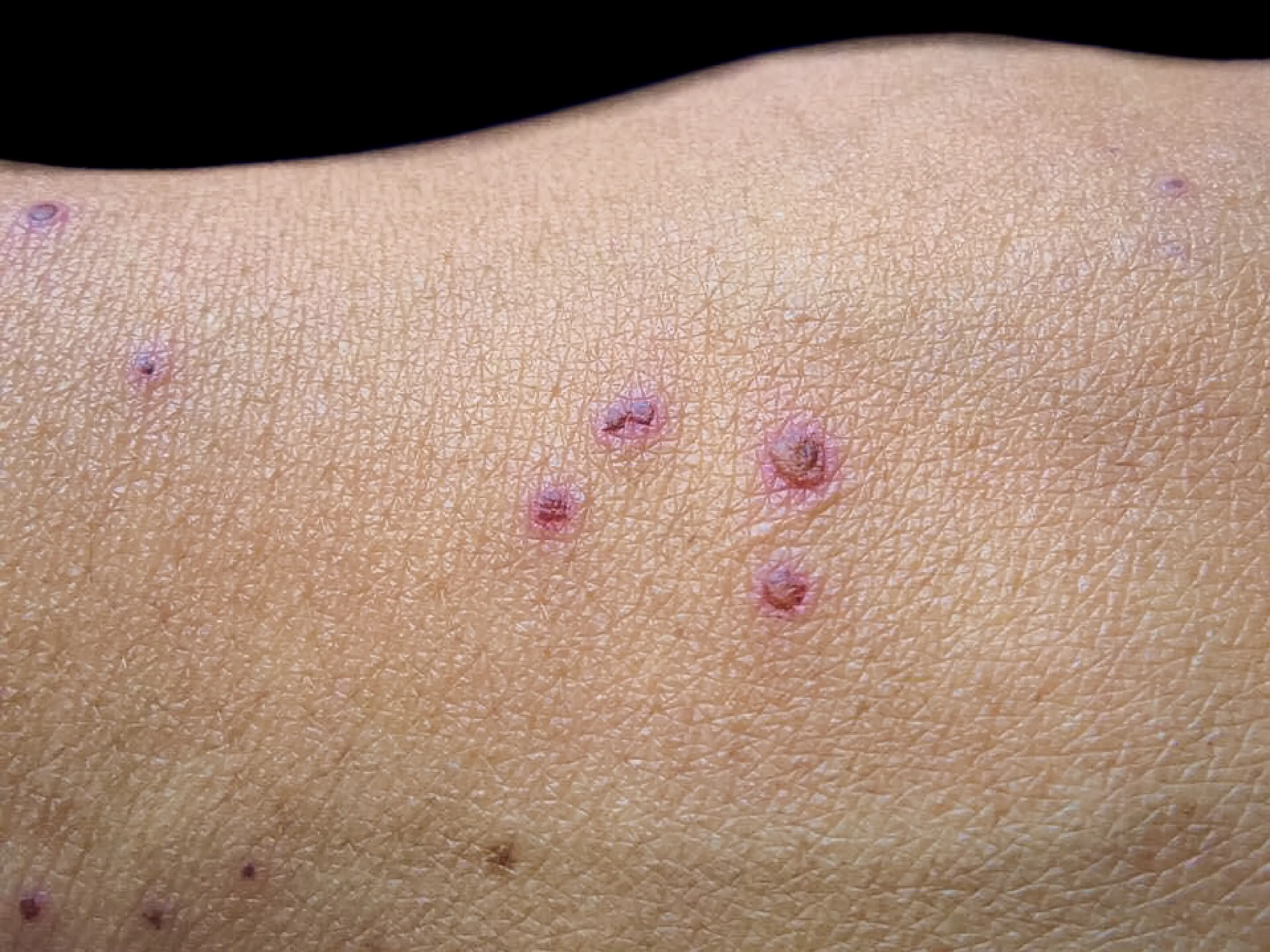
The most obvious indicator of mpox is a skin rash that includes blisters, spots or ulcers.
These sores can appear anywhere on the body, typically appearing five days after the patient experiences symptoms such as a fever, headache, backache, and muscle aches.
"Once infected with mpox, it usually takes between five and 21 days for the first symptoms to appear," Dr Michael Brady, NHS England's LGBT Health advisor explained to The Independent.
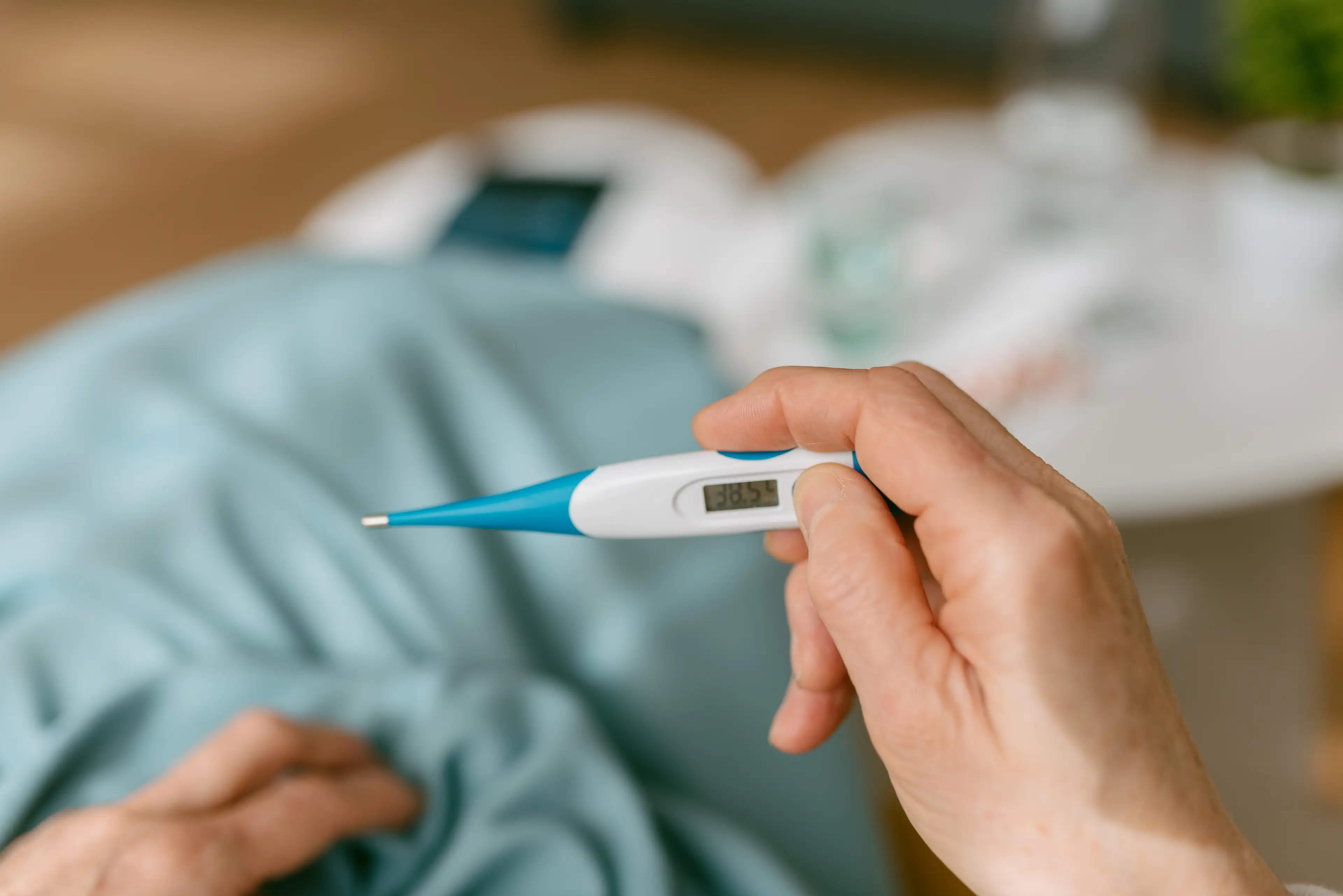
"The first symptoms of mpox include a high temperature, headache, muscle aches and backache, swollen glands, shivering, exhaustion and joint pain."
Who is most susceptible to mpox infection?
Brady - who also works as a consultant in Sexual Health and HIV at King's College Hospital, London - went on to add that, in some cases, the virus can develop into longer-term conditions, especially in individuals with weak immune systems.
Teesside University microbiology lecturer and pathogen spread researcher Dr Bruno Silvester Lopes explained: "While most cases of mpox are mild, individuals with weakened immune systems, pregnant people, or those with underlying health conditions are at higher risk for severe complications.
"Potential complications include secondary infections, where bacterial infections can occur in lesions or blisters due to scratching or improper care, and, in rare cases, the infection can lead to systemic complications like sepsis."
According to Dr Kathryn Basford, 'household members, sexual partners', 'healthcare workers' and 'men who have sex with men' are also susceptible, given that the virus is spread through skin-on-skin contact.
This is also the cases for individuals residing in regions where mpox is spreading, she continued.
"People who have recently travelled to, or who have been in close contact with someone who has recently travelled to, areas of central or east Africa where there are outbreaks of mpox, are at higher risk of catching mpox."
How can susceptible individuals protect themselves from mpox?
Dr Sinka emphasised that booking an appointment with your GP is vital if you believe mpox is making its way around your circle of friends.
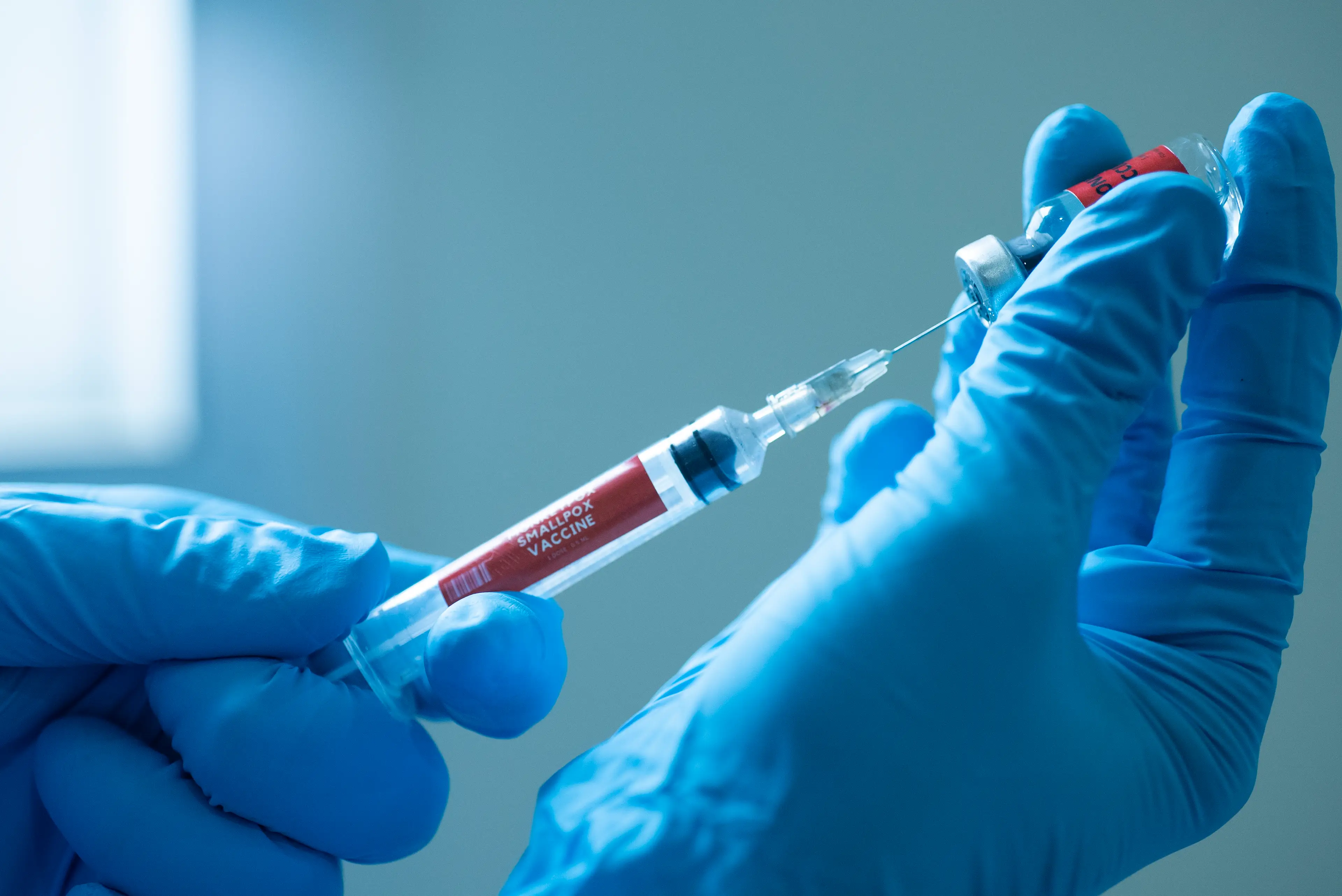
"Getting vaccinated is a proven effective way to protect yourself against severe disease, so please make sure to get the jab if you are eligible," she went on to emphasise.
The mpox vaccine is currently available on the NHS to individuals considered especially susceptible to contracting it.
Dr Lopes went on to recommend over-the-counter pain relievers, including acetaminophen or ibuprofen, to individuals who've already contracted it to keep a patient's fever at bay, and alleviate body aches.
"Keep the rash clean and covered to prevent infection and avoid scratching to reduce the risk of scarring and further infection," he continued.
More generally, if you do become infected, he emphasised that hydration is key.
"Drink plenty of fluids to stay hydrated, especially if experiencing fever or if the rash affects eating or drinking," the medic added. "Consult your GP to seek medical advice for specific treatment options, and to discuss the potential use of antiviral medications if symptoms are severe.
"And, most importantly, follow isolation guidelines to prevent spreading the virus to others until you are no longer contagious."
 Rhianna Benson