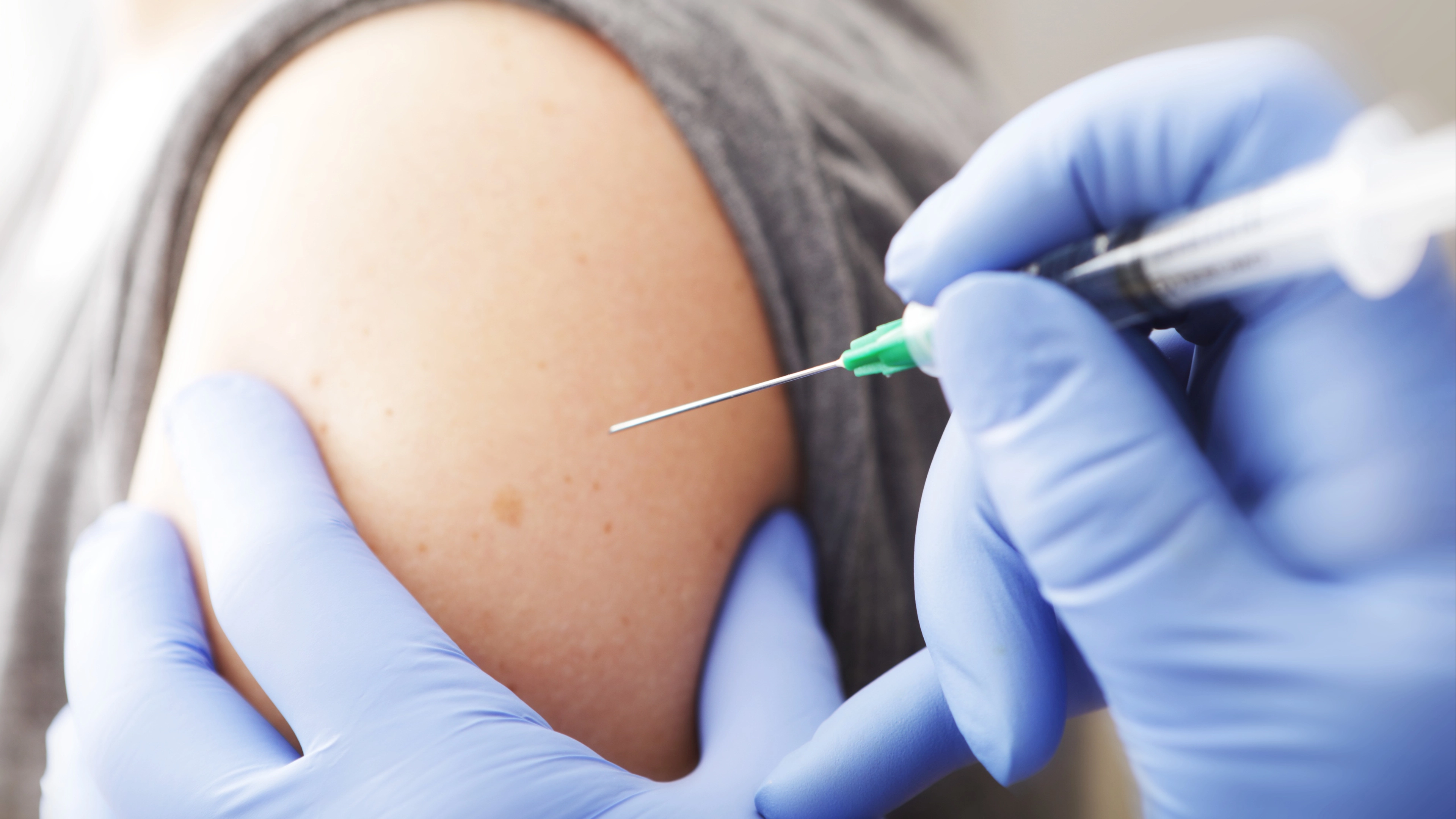
If you’re getting a flu jab this winter - you need to look out for these five red flags afterwards

We're well and truly in the depths of winter now - and while that means all things festive and Christmassy, it also means illness is on the rise.
According to the Guardian, UK hospitals are already bracing for 'a once-in-a-decade flu season,' including a mutated version of the virus that's spreading widely in younger people.
Now, we all know that the dreaded cold and flu are rife at this time of year, wiping Brits off their feet for days and causing a whole lot of coughing and sneezing.
Not to mention the 'dangerous' H3N2 flu that’s different from normal flu and is surging across the country.
Advert
Dr Giuseppe Aragona, GP and medical adviser for Prescription Doctor, explained that H3N2 is a type of influenza A virus, which is one of the common seasonal flu strains that circulates each year.
He said: "The letters and numbers refer to the virus’s surface proteins, haemagglutinin (H) and neuraminidase (N), and this particular combination can sometimes cause more severe illness, especially in older people or those with underlying health conditions."
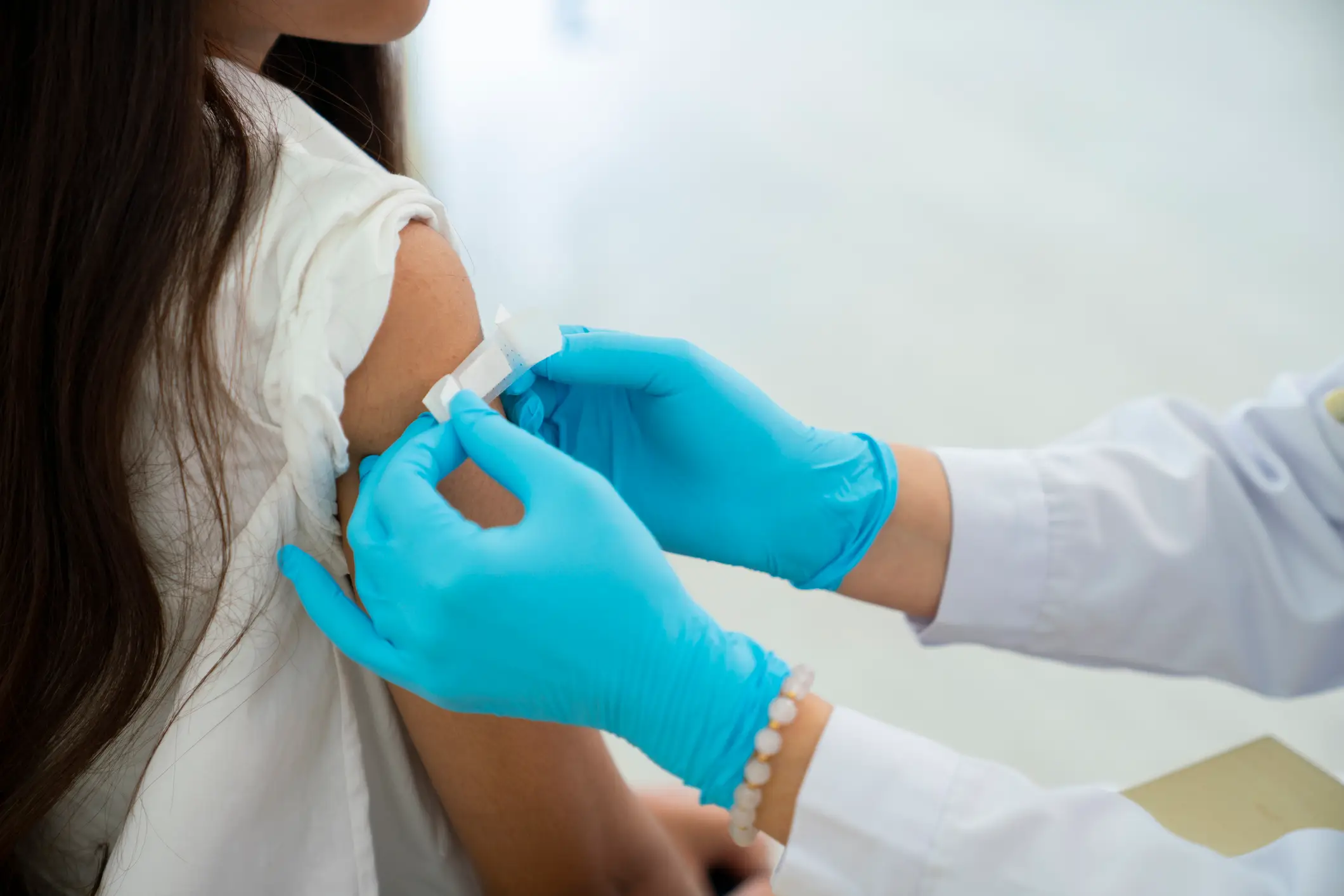
So, with all of this going on, people are rushing to their GP to get their flu jab ahead of the Christmas rush.
As per the NHS, those eligible for the free flu vaccine include people aged 65 and over, those in clinical risk groups, pregnant women, children, care home residents and carers, close contacts of those who are immunosuppressed, frontline social care workers, and health and social care staff.
Eligible adults can book now via the NHS App, their GP practice, online, by calling 119 or by finding their nearest walk-in service at a local pharmacy.
And while people who need it are being urged by health professionals to get the jab, it's important to look out for the signs that something may have gone wrong.
Dr Giuseppe Aragona, GP and Chief Medical Advisor at Prescription Doctor, told Wales Online: "Severe reactions are rare, but that’s exactly why we need to be able to spot them as and when they happen. Immediate medical attention can be the difference between a manageable situation and a life-threatening emergency."
The publication also reports that the risk of a severe allergic reaction following an immunisation is around 1 in 900,000, so this is an incredibly rare occurrence.
But just in case, there are five particular red flag signs to look out for after the vaccine:
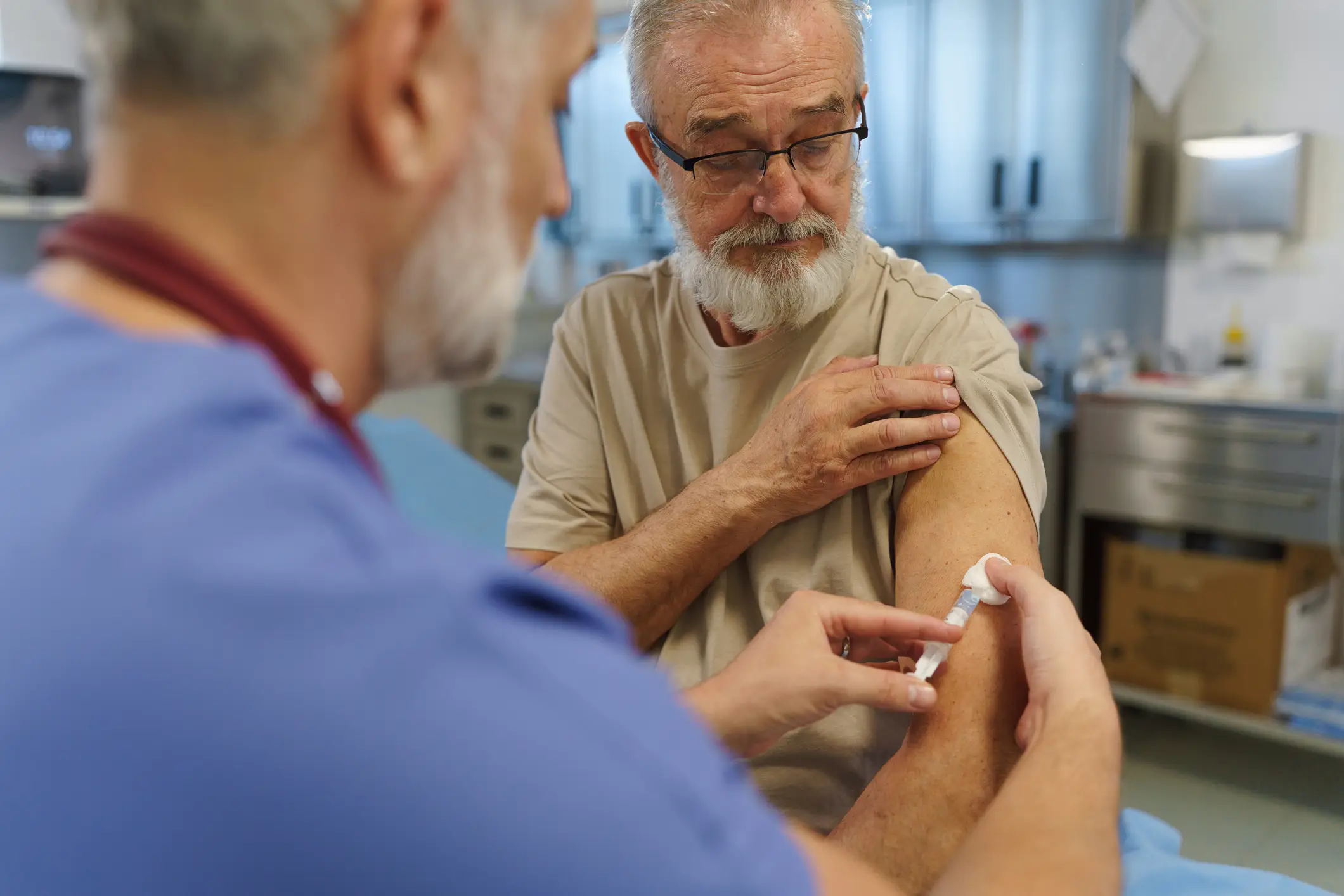
Sudden breathing trouble
If you suddenly experience breathing trouble, this is a critical sign to monitor after receiving the flu jab.
This can develop within minutes to hours post-vaccination and is indicative of a severe allergic response known as anaphylaxis.
It's thankfully rare, and WalesOnline reports that the UK Health Security Agency said it happens in fewer than 1 per million doses.
However, anaphylaxis can lead to life-threatening complications, so if you do experience this, get immediate medical attention.
Swelling racing up the arm
If you notice swelling in your arm within hours of having the flu jab, this can indicate an allergic response or even an infection.
While some minor swelling around the injection site is normal, if it's significant and spreading rapidly, this is a different story.
Additionally, if the swelling is accompanied by redness and severe pain, it could be a sign of cellulitis, a bacterial skin infection.
Again, if this happens, seek immediate medical attention.

A fever that won't break
If you have a fever after your flu jab that's gone on for more than 48 hours, this could also indicate an allergic reaction.
While a mild fever is relatively common, if it's a high fever and lasts for an extended period of time, it's worth getting it checked out to rule out an adverse reaction or infection.
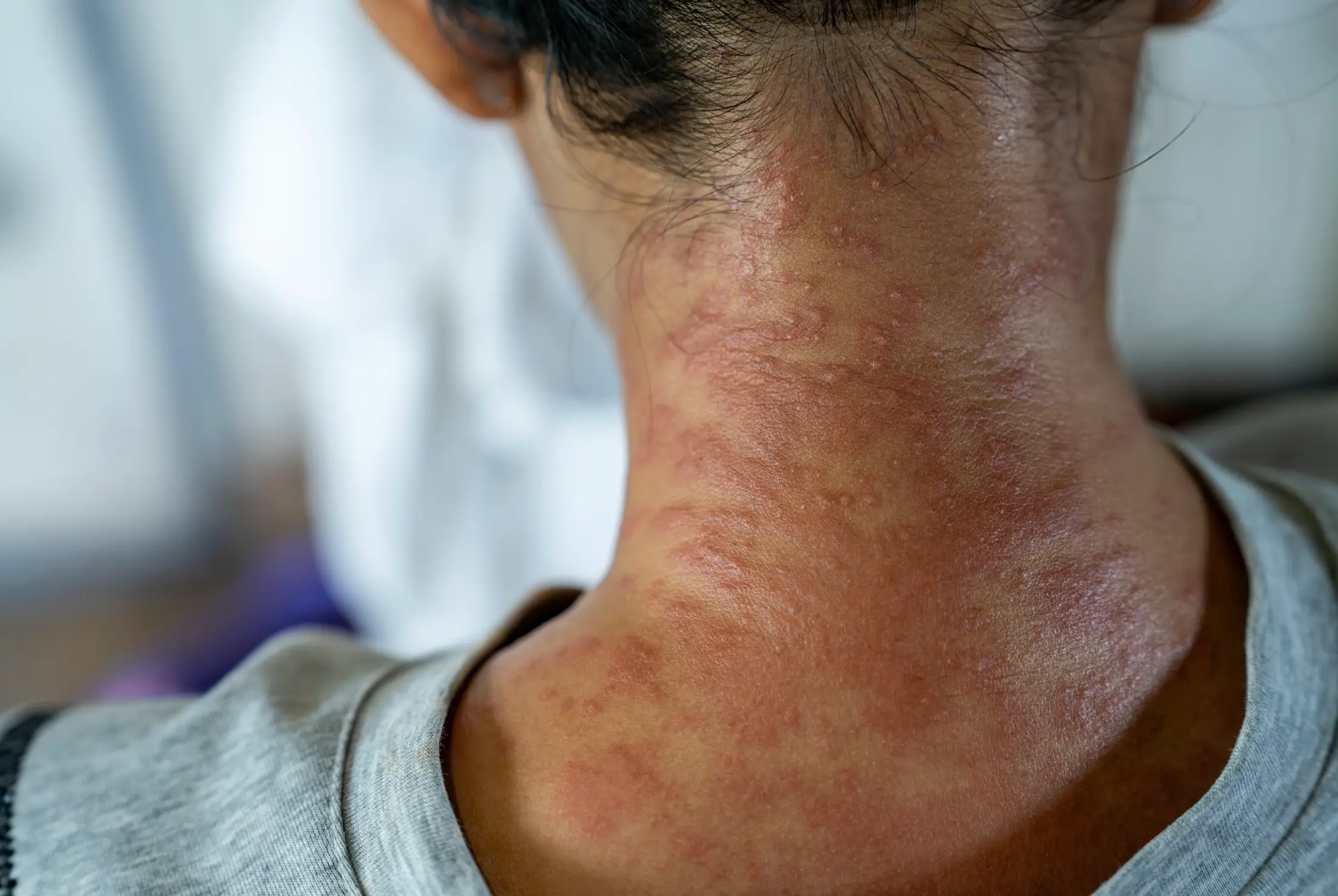
Hives or welts
If, following the jab, you notice hives or welts appearing on your skin, this too can signify an allergic reaction, and you should seek medical advice promptly.
They can appear anywhere between minutes to an hour post-vaccination and arise due to the immune system’s heightened response to the components of the vaccine.
While it's not as serious as anaphylaxis and this kind of reaction can be manageable, it's important to consult a GP.
Severe headaches or dizziness
Finally, if severe headaches or dizziness come on rapidly after getting the jab, this could point to conditions like encephalitis.
Encephalitis is inflammation of the brain, caused by infection or an allergic reaction.
As we say, this is extremely rare, and minor headaches on their own can be a typical side effect of getting the jab.
But if they're sudden and severe, you should get an immediate medical evaluation to rule out anything serious.
 Madison Burgess