Psychologist issues warning for Gen Zers who are obsessed with collecting squishy toys

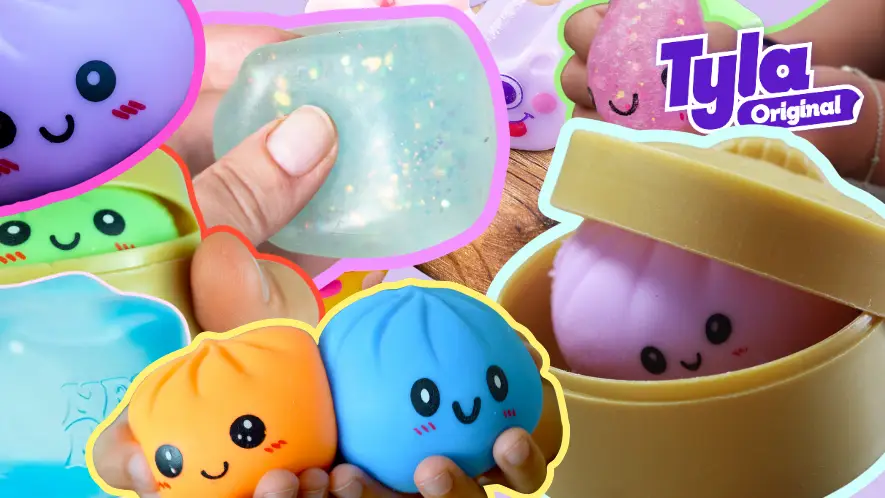
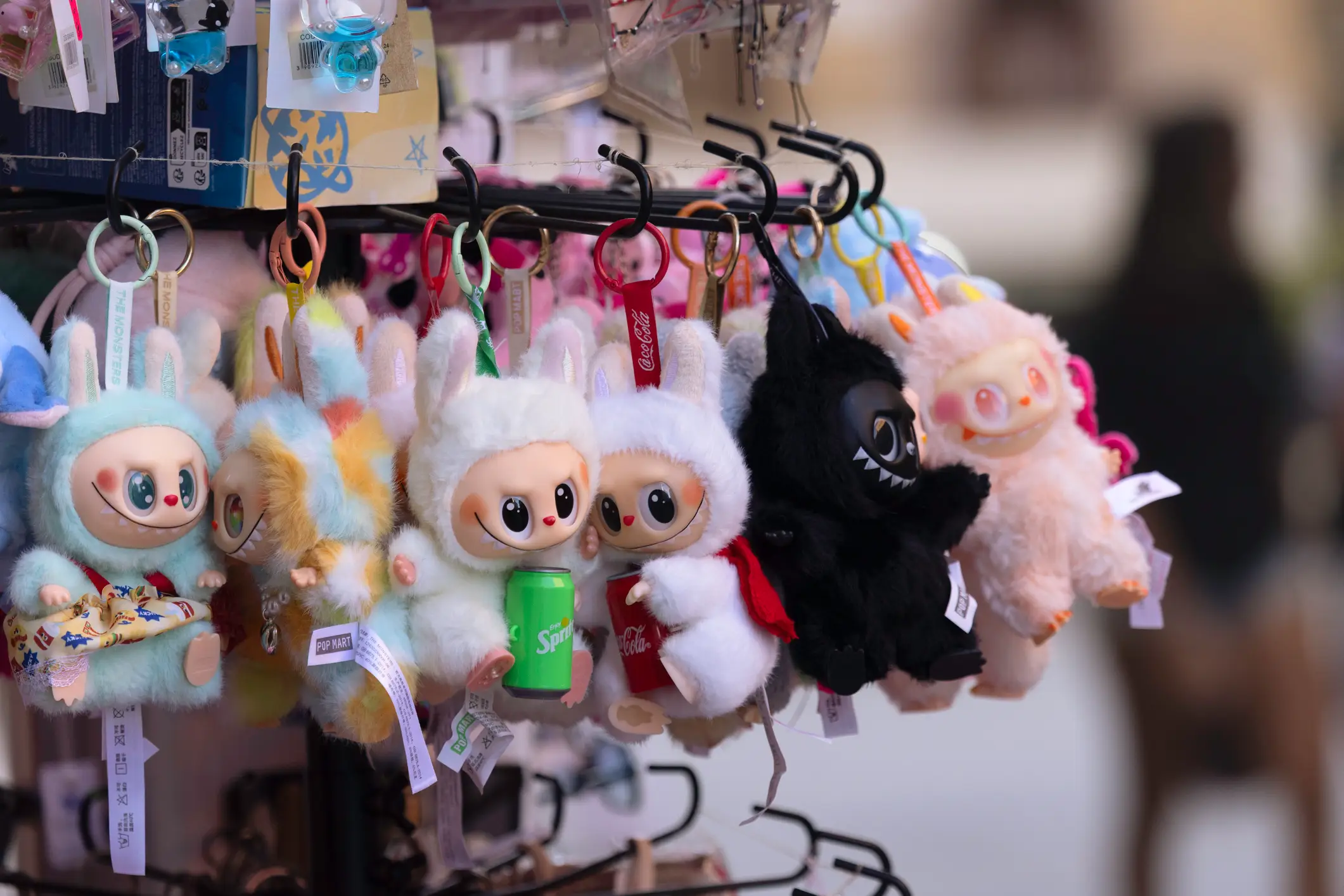
It looks like Labubus and Sonny Angels are collecting dust on the shelves as a new toy craze has taken over Gen Z and beyond - the squishy toy.
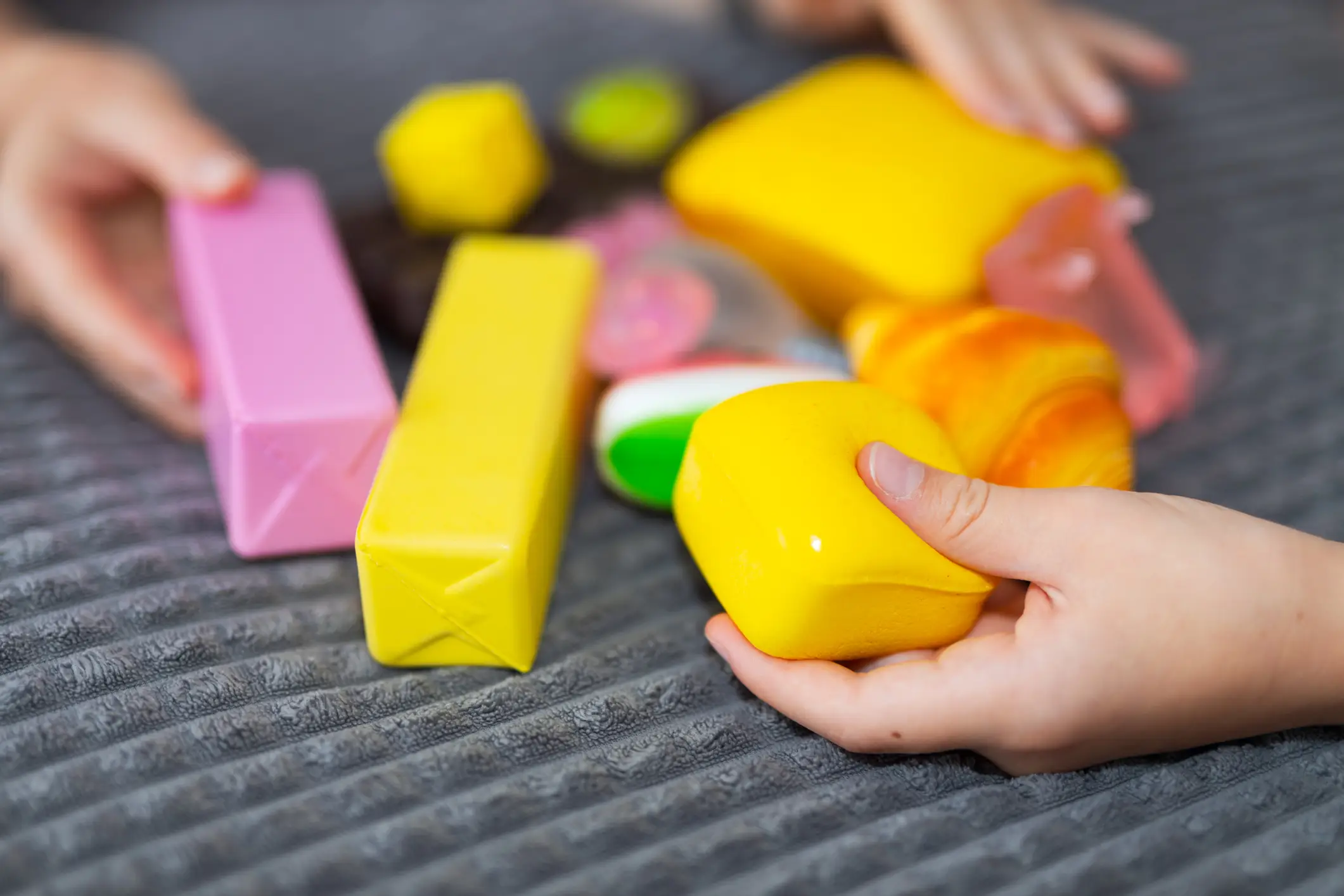
From enticing mystery glitter dumplings to NeeDoh cubes and even oddly satisfying foam sticks of butter, this new genre of collectible is selling out around the world.
The colourful sensory toys come in all shapes and sizes, from dinosaurs to cheese, and they are all over TikTok.
The rarer items are proving hard to find, with NeeDoh revealing their sales doubled between 2024 and 2025, and are now on track to multiply by six this year, as per The Hustle.
Advert
And like the previous collectible trends we’ve seen take over, it’s not just children, as market data has proven the satisfying squeezies are also in demand for adults.
Tyla spoke with a psychologist to delve into why we’re seeing ‘squishymania’ and what the obsession really means.
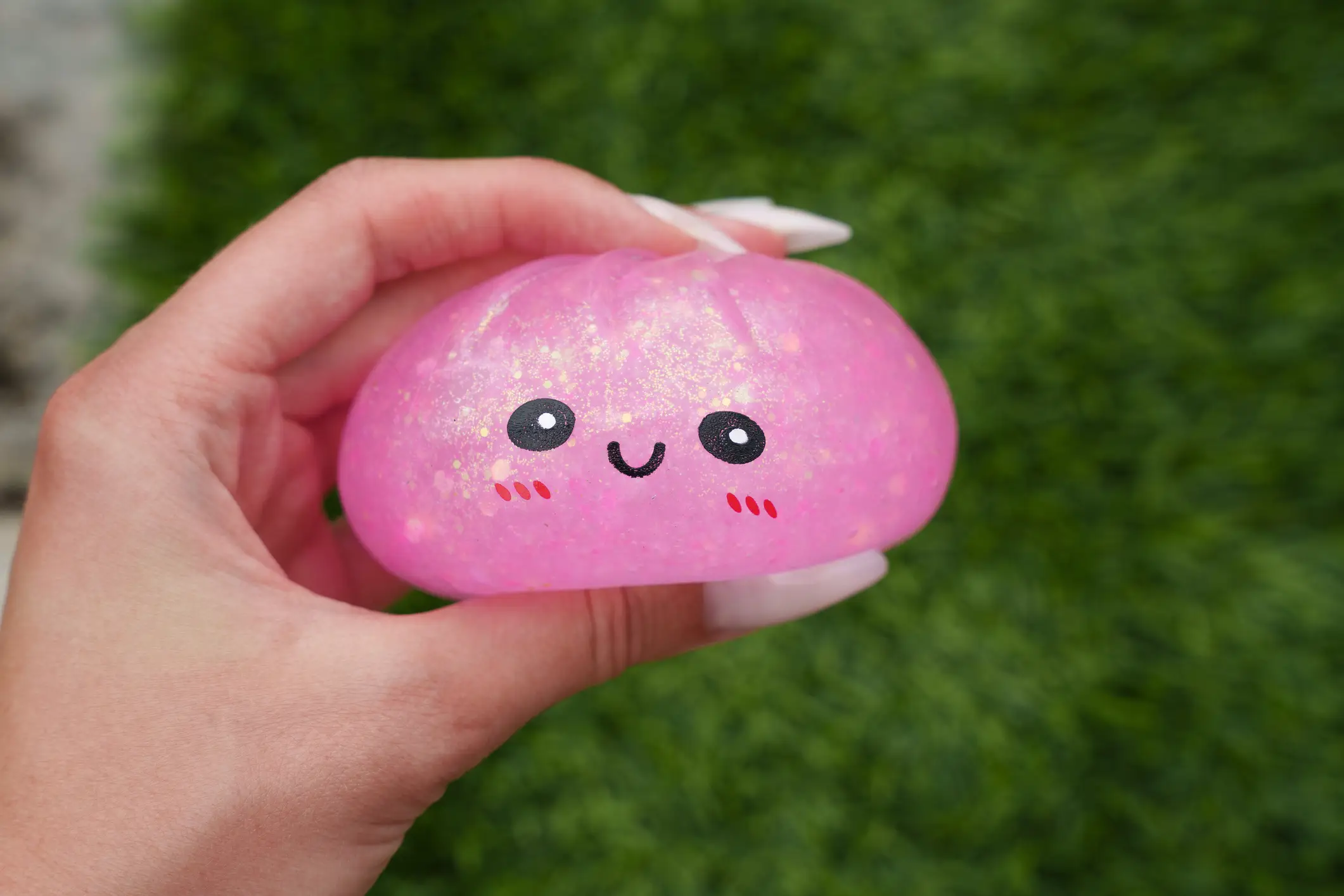
Dr Tracy King, a chartered clinical psychologist, explained that there is in fact science behind why we enjoy using them so much, especially for those with autism or ADHD.
The expert outlined how the popular toys ‘offer sensory regulation through predictable feedback for the nervous system’.
She added: “When the hand applies pressure, the object changes shape and then returns to its original shape.
“The simple visual and tactile loop creates a small experience of cause, effect and control, from an embodied or ‘bottom-up’ body-to-brain perspective.
“Attention shifts from abstract worries towards a sensation in the present moment.”
To put it in simpler terms, especially for those of us who are stressed and anxious, our brains are constantly and continuously trying to anticipate what will happen next, and uncertainty can be overwhelming.
Dr King said: “This experience provides predictability that offers a great deal of reassurance. People do not necessarily know this is the process at work, but recognise they are drawn to the experience.
“People also vary in how much sensory input their nervous systems need to stay alert. Those with autism and ADHD may use these toys to channel restlessness and regulate sensory load or sustain attention.”
"Objects can become a way that we construct and communicate identity"
And of course, like Labubus and blind boxes, the ‘collecting’ element plays a huge part in why we can’t get enough.
Dr King explained: “New releases, ‘NeeDoh hunts,’ and restock alerts create excitement and give a sense of achievement with each purchase.
“The hunt itself can often be the sought-after experience rather than finding the toy.”
And as for why Gen Z seem to be the most drawn in by the squishy toy craze, Dr King revealed that entering adulthood during the COVID-19 pandemic brought a lot of ‘insecurity’.
“Objects can become a way that we construct and communicate identity,” she explained, “Against the backdrop of economic strain and precarious employment, an inexpensive toy is a ‘micro luxury’ and offers a visible, tangible sense of progress when something has been sought after and obtained.
“They are also a group that is heavily into social media, and they can see the rare colours, restocks, and feel that sense of scarcity and missing out, as it is visible throughout the day on their phones.”
However, like any trend, it’s important not to get carried away and fall into a dark hole of impulse purchasing.
"The toys can become a pattern of negative reinforcement"
Dr King warned: “Collecting itself is not an issue. The concern is whether the person can decide not to buy; are they spending money needed elsewhere, hiding purchases, experiencing high levels of distress if they miss a release, or buying to relieve an emotional state but then needing another relatively quickly.
“The toys then become a pattern of negative reinforcement. Buying temporarily relieves anxiety or disappointment, teaching the brain to repeat the behaviour the next time those feelings arise.”
Essentially, completing a set can then become an ‘open-ended goal that can never be reached as manufacturers release more and more’.
The scarcity element with everything selling out so fast also ‘narrows decision-making capacity, as there is no time for reflection and a feeling that not purchasing is a loss, even if the person did not need or want the item initially’.
Practically too, with the demand, there are many counterfeit items too, which may not follow age and safety instructions if young children have access to the toys, Dr King outlined.
It’s not all negative though, and there are many positives to the trend - letting ourselves be silly and lean into the comeback of toys for adults plays heavily on our nostalgia.
Nostalgia ‘provides emotional continuity’ and ‘increases a sense of belonging and of our past and present selves remaining connected’.
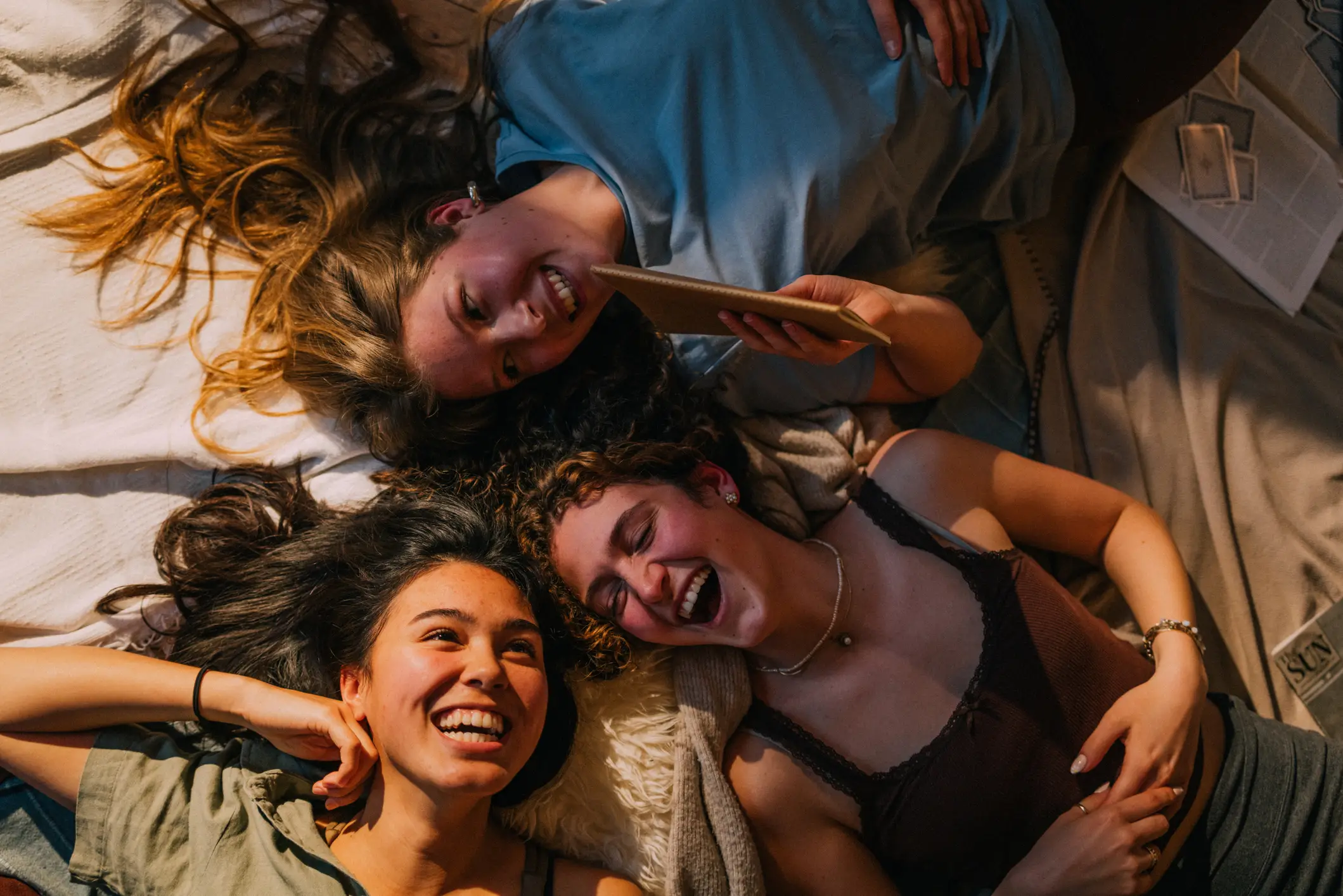
Gen Z are less willing to accept rigid ideas that adulthood must be stripped of play
Dr King added: “There is also a link back to the lesser demands of childhood here too in the same way. The toys can serve as a ‘transitional object’ bridging the gap between an internal sense of safety and an unpredictable world.
“Reduced shame gives social permission. Gen Z are less willing to accept rigid ideas that adulthood must be stripped of play.
“Greater awareness of neurodivergence and stimming and sensory needs also moves fidgeting with these kinds of toys to something that is more acceptable. Social media helps to support this acceptance.”
The ‘key observation,’ the psychologist says, is to distinguish between how present a person is with the toy and how much they are already pursuing the next one.
Dr King warned: “Someone may begin with one that supports their nervous system but then, at a point of vulnerability, be drawn into compulsive purchasing.
“A useful question for people to ask themselves is ‘Am I wanting this toy as it helps me or am I anxious I may miss out on something everyone else has?’
“The squishy may soothe the nervous system, but the purchasing demands around them are designed to activate a ‘fight or flight’ response to get the sale.”
Topics: Gen Z, Life, Real Life, Tyla Exclusive, Mental Health, Shopping
 Madison Burgess