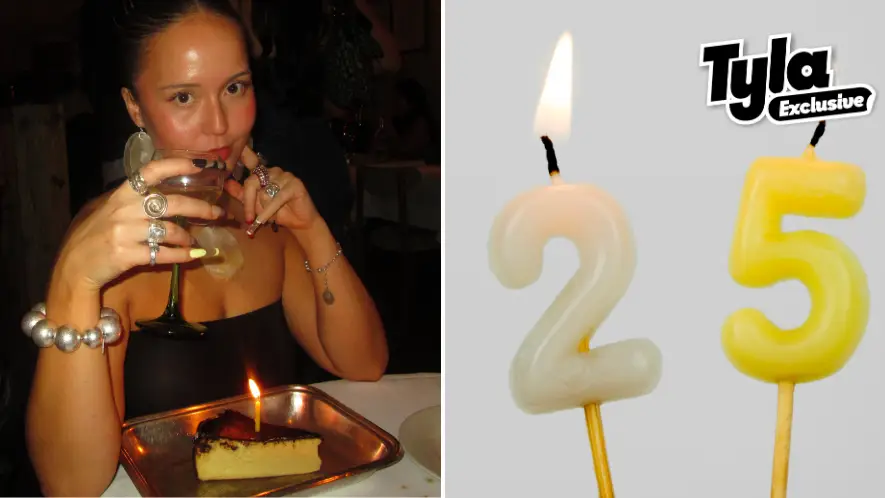
I turned 26 and apparently my 'prime' is already over

I turned 26 a few months ago and, almost as if my algorithm knew before I did, my social media changed overnight. Suddenly every other video seemed to be telling me I was 'past my prime'.
Women my age joking that our frontal lobes had now fully developed, so it was inevitably all downhill from here; memes about no longer being eligible for The X Factor's 'Girls' category, Leonardo DiCaprio jokes, the online spiel about 'expiration dates', being 'over-the-hill' and 'past it' - whatever it was, it was endless.
Now, I'd like to think I have pretty thick skin.
As a journalist and a Gen Z woman who has been chronically online all of her adult life, I know a thing or two about how social media works.
Advert
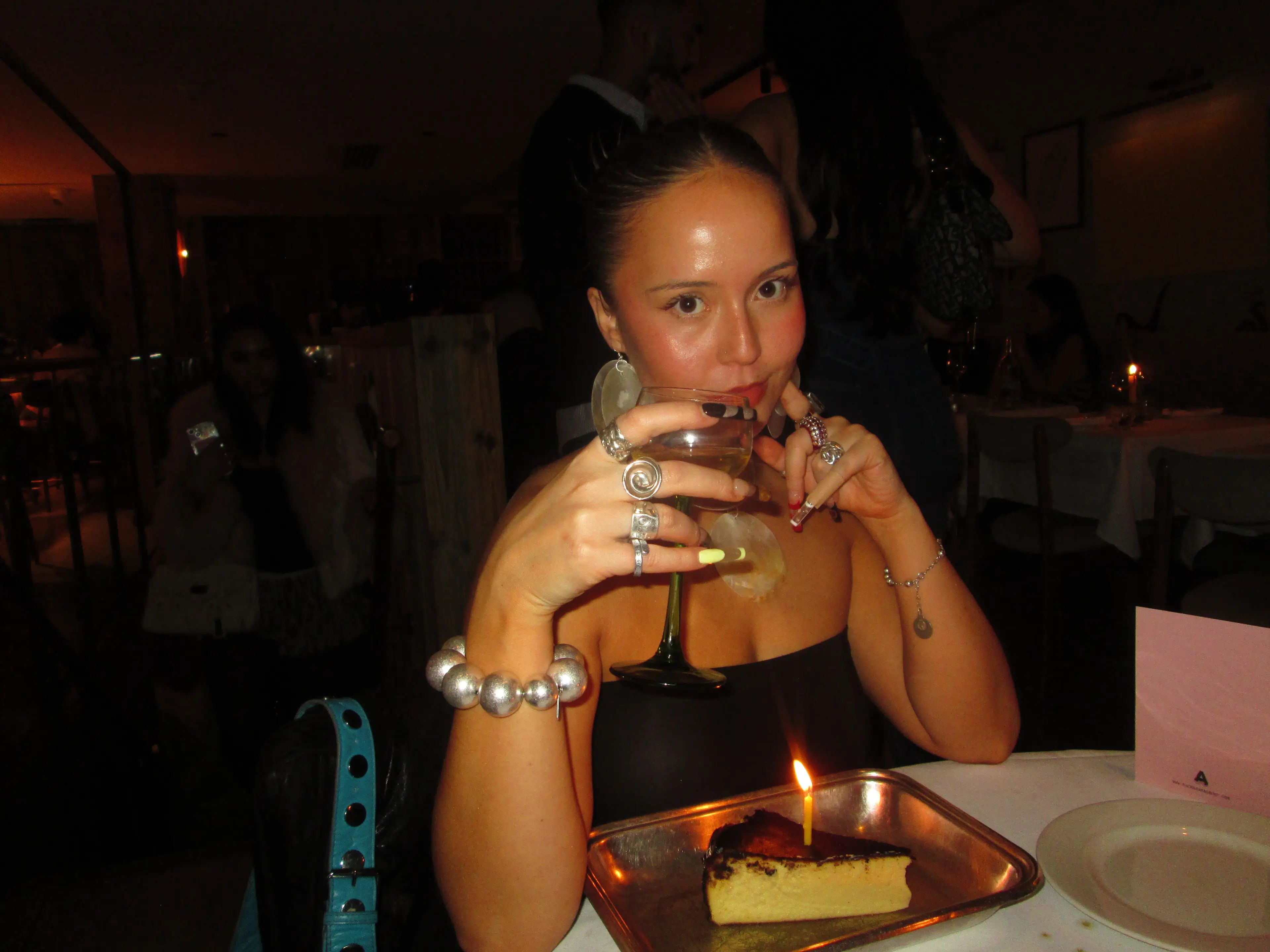
For starters, I'm well aware that outrage gets clicks and misogyny gets engagement — especially in some particularly loud corners of the internet. My algorithm, however, always felt way more personal and somewhat of a safe space away from all that BS
Then again, the internet has become remarkably good at identifying our insecurities before we've consciously named them ourselves.
All you have to do is linger on one video about smile lines a little too long and BAM! Suddenly your feed fills with anti-ageing routines, collagen supplements, cosmetic treatments and red-pill creators explaining why women supposedly lose value after 25.
Without even realising, you've accidentally told the algorithm you've found such content engaging. Annoyingly, it's yet to learn how to distinguish between curiosity and concern.
I watched as my carefully curated feed became a strange collision of beauty influencers, manosphere creators and women mocking the very narratives that kept appearing between their videos.

One evening, I caught myself standing a little too close to the bathroom mirror, inspecting the skin at the corners of my eyes and slightly pulling the hair around my temples up to see what I'd look like without the tiny expression lines I'd never really noticed before.
I found myself wondering how many people my age or younger were getting preventative or 'baby' Botox. I worried about pursing my lips while drinking through a straw. I gua-sha'd my face so ferociously I bruised my jaw. I stopped laughing as hard because I was scared about wrinkles forming. I slathered retinol on my face like a mother applying suncream on their child.
In a scarily short amount of time, I found myself in an unfamiliar competition with hypothetical women I didn't even know. Then I hated that I'd even had the thought. Nothing about my face or body had changed overnight, but the story I was being told about it had, and the relentless conveyor belt of noise online was getting way too loud to ignore.
For me, this was spurred on by a birthday, but how many women had suddenly looked at themselves differently because an app decided they should? After all, if my previously perfectly curated algorithm was showing me this kind of content, chances are it was showing it to my friends too, and, as we all know, after enough repetition, even utter nonsense starts to sound familiar.
The more I thought about it, the clearer it became that this wasn't really a conversation about ageing; it was a conversation about value. It wasn’t a question of turning 26. It's about existing online as a woman in 2026.
Even though we purport to live in a society where women are 'equal', the concept of women's beauty being their main social currency reveals a far greater imbalance.
When people say women have a 'prime', they're rarely talking about happiness, intelligence, career success or confidence.
They're almost always talking about desirability and, more specifically, desirability to men.

I spoke to London-based psychologist Dannielle Haig to get her thoughts on the subject, which began with her promptly congratulating me on surviving the internet’s favourite annual ritual of declaring women 'over the hill' at increasingly absurd ages.
"The idea of people having a 'prime' is psychologically interesting because it reflects our human desire to simplify life into neat timelines," she began. "We like the idea that there is a moment when everything peaks: beauty, success, relevance. But in reality, human development doesn’t really work like that. Our skills, confidence, social influence and emotional intelligence tend to expand well into adulthood."
She continued: "For centuries, women’s social and economic value was tied to youth, marriageability and fertility. Although society has moved forward in many ways, those cultural scripts haven’t disappeared. They simply show up in new forms, often amplified by social media."
"Red pill and manosphere content often presents a highly reductive view of women’s value, reducing it almost entirely to youth and fertility.
"It’s an extremely narrow biological framing that ignores the reality of modern life, where women’s careers, expertise, networks and financial independence grow significantly over time."
Ironically, the psychologist highlights, the research on wellbeing and confidence shows that many women report higher life satisfaction, stronger identity and greater self-assurance in their thirties and forties than in their twenties.
"Psychologically speaking, what some people call being 'past your prime' is often the stage where women become far more comfortable in their own skin and far less willing to organise their lives around external approval," she added.
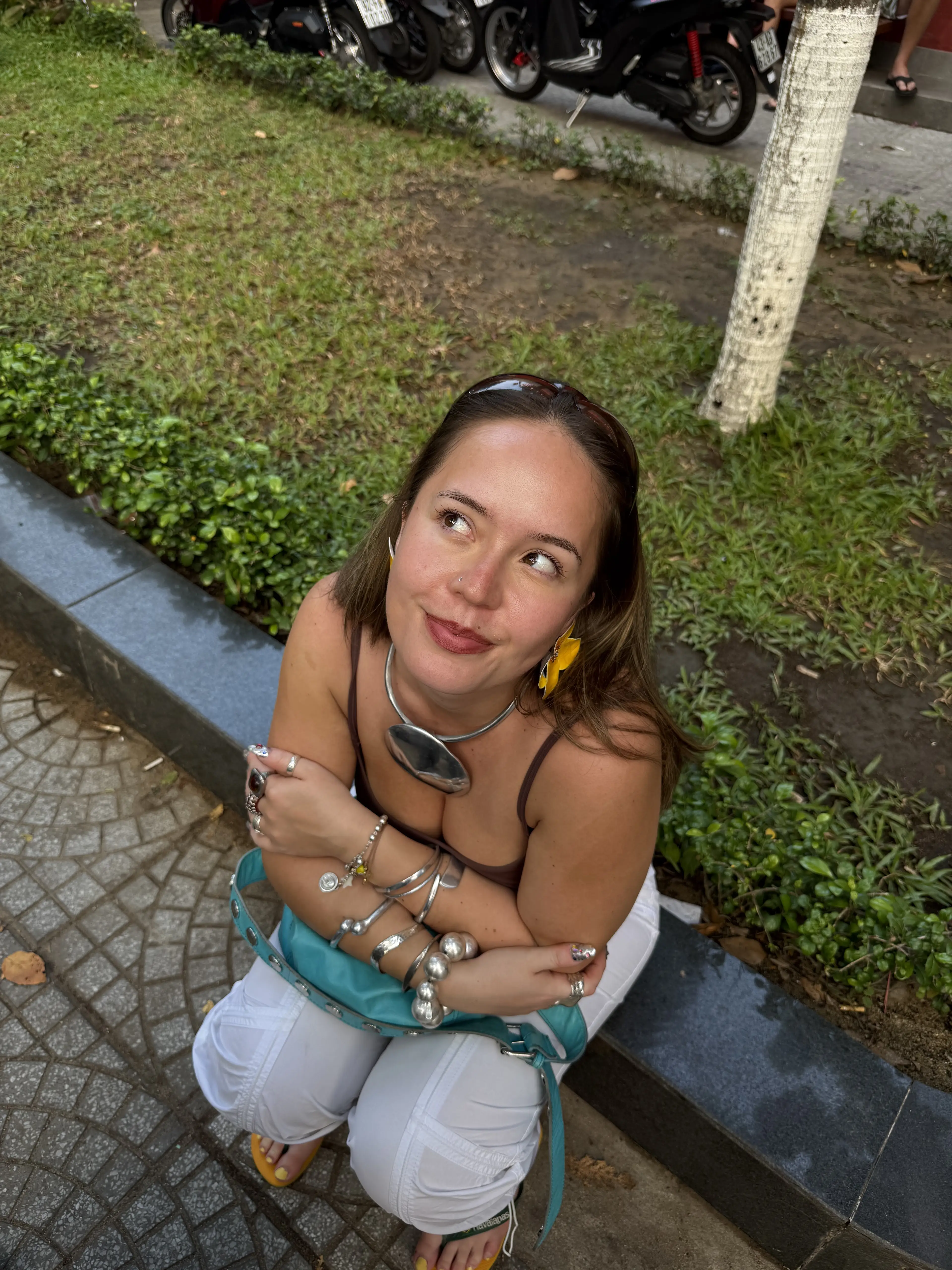
I wondered how all of this is linked to decentring the male gaze, something which Dannielle noted was 'particularly important' here.
And, like many cultural stories, as Dannielle notes, it serves certain power structures very well.
"If women believe their value has an expiry date, they are more likely to accept pressure around appearance, relationships and life choices," she stated.
"When women stop viewing themselves primarily through the lens of how attractive they are to others, they often experience a noticeable increase in autonomy. Decisions about work, relationships, lifestyle and identity become internally driven rather than externally evaluated," she said.
"Breaking free from the 'prime' narrative starts with recognising that it is not a biological law but a cultural story."
Dannielle recommended that a 'healthier framework' would be to think about life in phases rather than peaks, telling me: "Different decades bring different strengths. Your twenties might bring experimentation and discovery, your thirties confidence and competence, your forties authority and influence."
"From a psychological perspective, there is no single 'prime'. There are simply different stages of development, each with its own advantages," she concluded.
At 26, I'm apparently past my prime.
Funny that, considering it feels far more like I've only just stopped letting other people decide when it was supposed to begin.
I looked into the mirror the other day only to see a reflection of a woman staring back at me. Not a woman trying to be her 17-year-old self. Not a woman preoccupied with alleged 'flaws', 'imperfections' or 'issues' that needed money to fix. I simply saw myself as a vessel to XYZ.
Speaking in retrospect, after months of reflection, minor breakdowns over brunch and back-and-forths with my therapist, I don't think this 'quarter-life-crisis' I found myself thrust into is really even about turning 26. It's about existing online as a woman in 2026
Topics: Advice, Explained, Life, Mental Health, Real Life, Sex and Relationships, True Life, Tyla Exclusive, Women's Health, Social Media, TikTok, Instagram
 Rhiannon Ingle