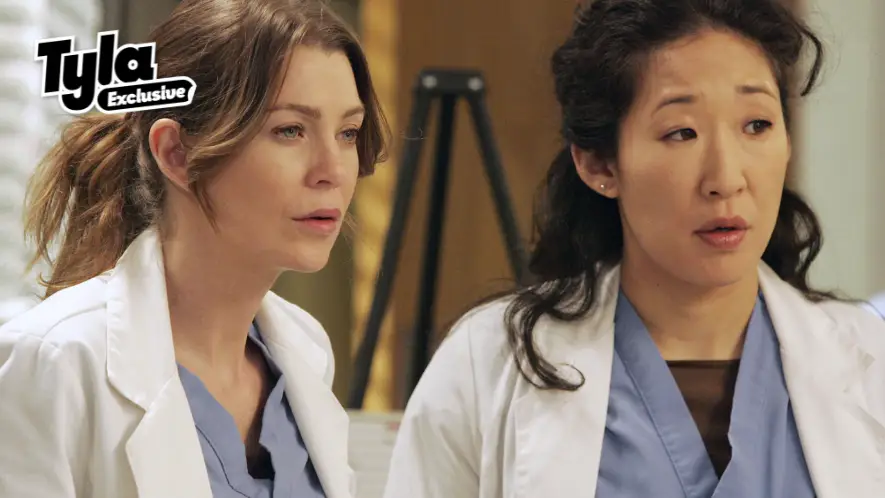
Psychologist reveals why you can't stop watching Grey's Anatomy, even after 23 seasons

We’re just days away from Grey’s Anatomy’s 23rd season kicking off - and even after more than two decades on screen, there is still a legion of fans eagerly awaiting the new episodes.
The nail-biting medical drama, starring Ellen Pompeo as the titular character Meredith Grey, has been a firm favourite among Gen Z and Millennials alike since it premiered all the way back in 2005.
Despite many twists and turns, characters being brutally killed off, and relationships coming to dramatic ends (we’re still not over Derek Shepard), the show has managed to do what many couldn’t, and outlast all of the others around it.
It’s not only the longest-running primetime medical drama on US television, but in 2025 it was also the second most-streamed TV series in the country across all platforms.
Advert
So, with the new series on the horizon and a batch of fresh faces joining, Tyla spoke with psychologist Dr Tracy King, who explained why we’re so obsessed with Shonda Rhimes’ creation - and the answer is actually quite morbid.
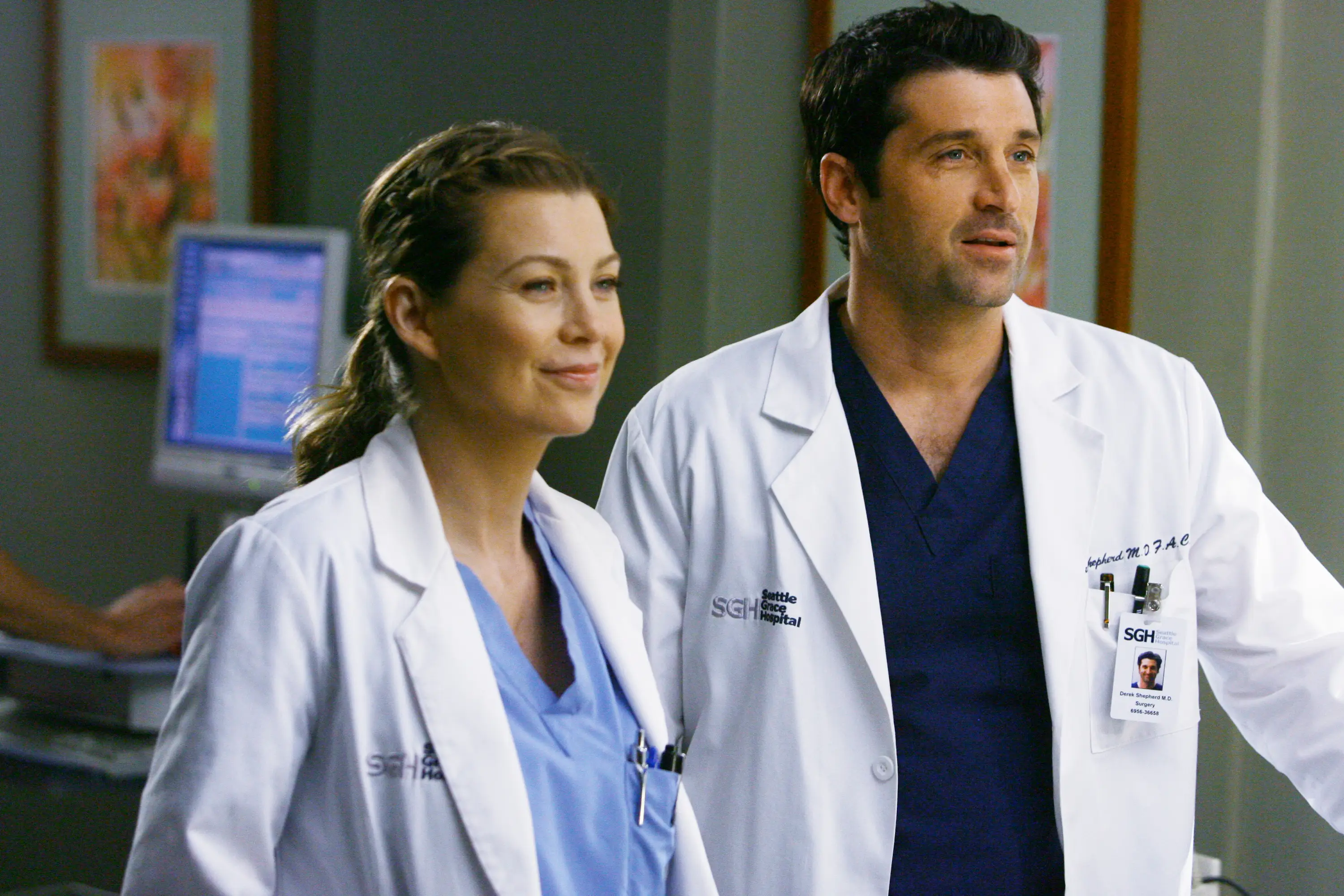
It helps us connect with our fears, from the safety of our sofa
The expert explained: “When we watch Grey’s Anatomy, we move from hoping someone can be saved to being angry with the person unable to save them. We want the doctors to take control, and we get upset when they make mistakes or can’t stop a death.
“The show brings the reality of our lack of control over death into the fore. Morbid curiosity helps us gather information about danger and reduce uncertainty, even when finding out more is upsetting.”
It ‘helps us understand threats and anticipate possible responses’ and is a ‘safe opportunity to experience difficult emotions and practice coping’. Who needs therapy, eh?
Dr King added: “In the show, the characters can be scared, and we follow their fear. Our reactions can help us connect with our own fears in life, from the safety of our sofa.”
The ‘drama triangle’
The psychologist also cited a framework known as the drama triangle, which was developed by American psychiatrist Stephen Karpman.
Dr King explained: “He identified three unconscious roles that people can take in relationships, shaped by early childhood experiences: the Rescuer (‘leave it to me’), the Persecutor (‘you've made everything worse’), and the Victim (‘you've targeted me’).
“We usually never notice the point at which we fall into these patterns. The hospital backdrop in the show is a perfect place for the triangle to play out.”
To break it down, we as viewers like to believe that sufficient knowledge and hard work allow doctors to keep us safe. So when they can’t, we can blame them.
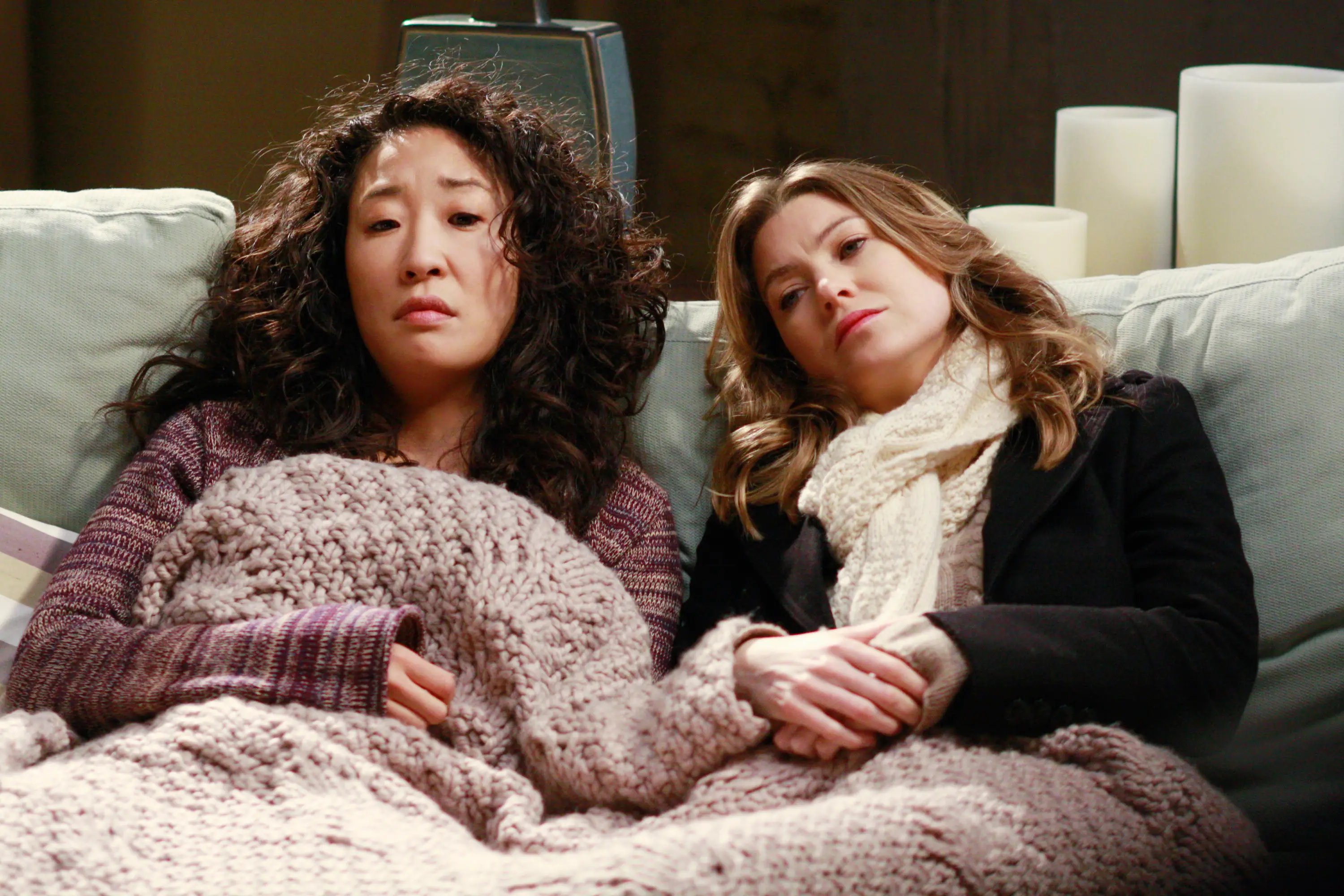
Dr King outlined: “This is exactly what happens in the case of the character Derek Shepard - he offers help at a roadside accident and is then hit by a truck. In the hospital, he is unable to speak, but we hear his thoughts as he comes to the realisation that he needs a head CT scan.
“The doctors fail to order the scan, and he dies. Although he knows what should have been done, he is unable to communicate it. The viewer wants someone to save him, becomes angry at the doctors, and then ends up feeling helpless.”
We recognise our own relationship patterns
The expert used Izzie as another example, who is so desperate to save Denny, which shows an extreme Rescuer role.
“While Denny is waiting for a heart transplant, she falls in love with him. Because she is afraid of losing him, she cuts the wire of the machine assisting his heart, so that he will receive a higher priority for the transplant.
“Although he does get the new heart, he later dies from a blood clot. We recognise our own relationship patterns when we see them reflected in someone else's life.”
So, Dr King explained that ‘we can watch Grey's Anatomy and think "I do that too." We then begin to see the fear behind the responses we usually consider reasonable as we are seeing the worst-case-scenario outcomes’.
“Over many years, we come to know the characters, and when we see someone angry, we can look back and recall the times when they were scared or kind,” she clarified.
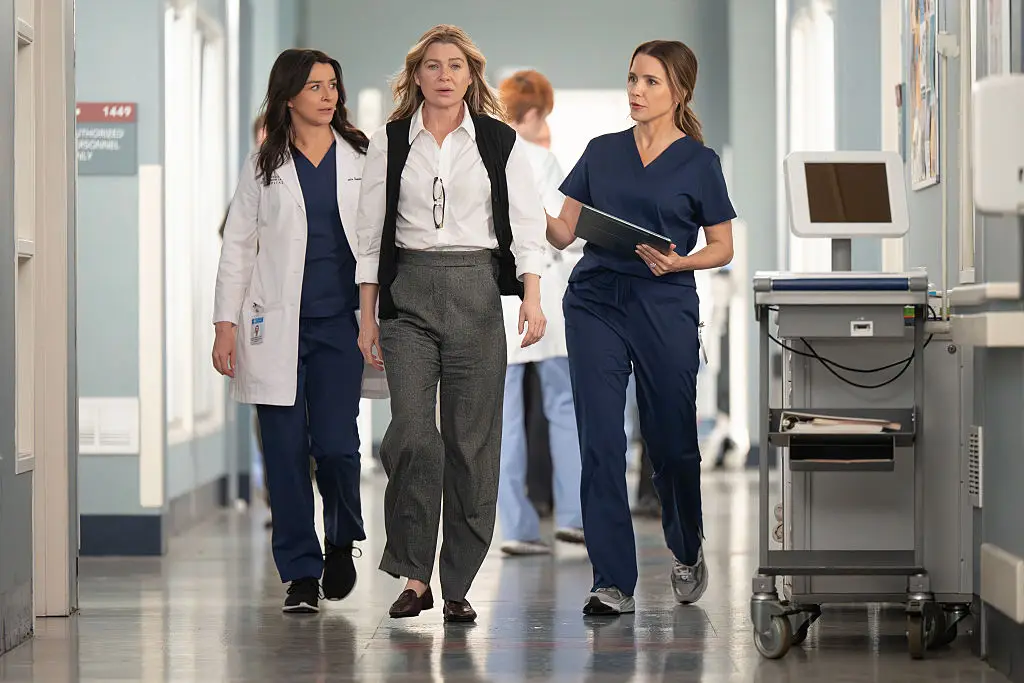
Adding: "This prevents us from immediately seeing them as only the Persecutor who has caused harm. There may also be a wish underneath that someone would take the same trouble to understand us.”
Finally, Grey’s balances familiar characters with the uncertainty of new patients - this offers us ‘emotional safety to connect what happens on screen with our own lives, often without realising it’.
Dr King concluded: “The programme takes us out of the ‘black and white’ thinking of a character being either ‘all good’ or ‘all bad’ and places us literally into the ‘grey' (if you'll pardon the pun). Someone can care deeply and still cause harm, or be capable and still need support.”
So there you have it - there's way more to it than dodgy open-heart surgeries and forbidden romances. I don’t know about you, but I’m never going to watch the show in the same way...
Topics: Grey's Anatomy, Entertainment, TV And Film, Real Life, Mental Health, Tyla Exclusive
 Madison Burgess