
• News
  • Life
  • TV & Film
  • Beauty
  • Style
  • Home
  • News
    • Celebrity
    • Entertainment
    • Politics
    • Royal Family
  • Life
    • Animals
    • Food & Drink
    • Women's Health
    • Mental Health
    • Sex & Relationships
    • Travel
    • Real Life
  • TV & Film
    • True Crime
    • Documentaries
    • Netflix
    • BBC
    • ITV
    • Tyla Recommends
  • Beauty
    • Hair
    • Make-up
    • Skincare
  • Style
    • Home
    • Fashion
    • Shopping
  • Advertise
  • Terms
  • Privacy & Cookies
  • LADbible Group
  • LADbible
  • UNILAD
  • SPORTbible
  • GAMINGbible
  • UNILAD Tech
  • FOODbible
  • License Our Content
  • About Us & Contact
  • Jobs
  • Latest
  • Topics A-Z
  • Authors
Facebook
Instagram
X
Threads
TikTok
Submit Your Content
Why so many Brits are catching 'super flu' as cases surge

Home> News

Published 18:37 15 Dec 2025 GMT

Why so many Brits are catching 'super flu' as cases surge

The NHS is facing a 'worst-case scenario'

Rhiannon Ingle

Rhiannon Ingle

It's not uncommon for people to find themselves a little under the weather every winter. However, sick season has been particularly bad this year, with flu cases in the UK rising sharply in recent weeks.

Figures have shown there to be an estimated 2.660 flu cases a day on average in hospital, the equivalent of three hospitals full of flu patients as the so-called 'super flu' surges. Meanwhile, Professor Meghana Pandit, NHS national medical director, said the 'unprecedented wave of super flu is leaving the NHS facing a worst-case scenario'.

Now, all flu virus strains can cause a sudden onset of symptoms which include fever/chills, cough (often dry), sore throat, runny or stuffy nose, body and muscle aches, headache and fatigue/weakness.
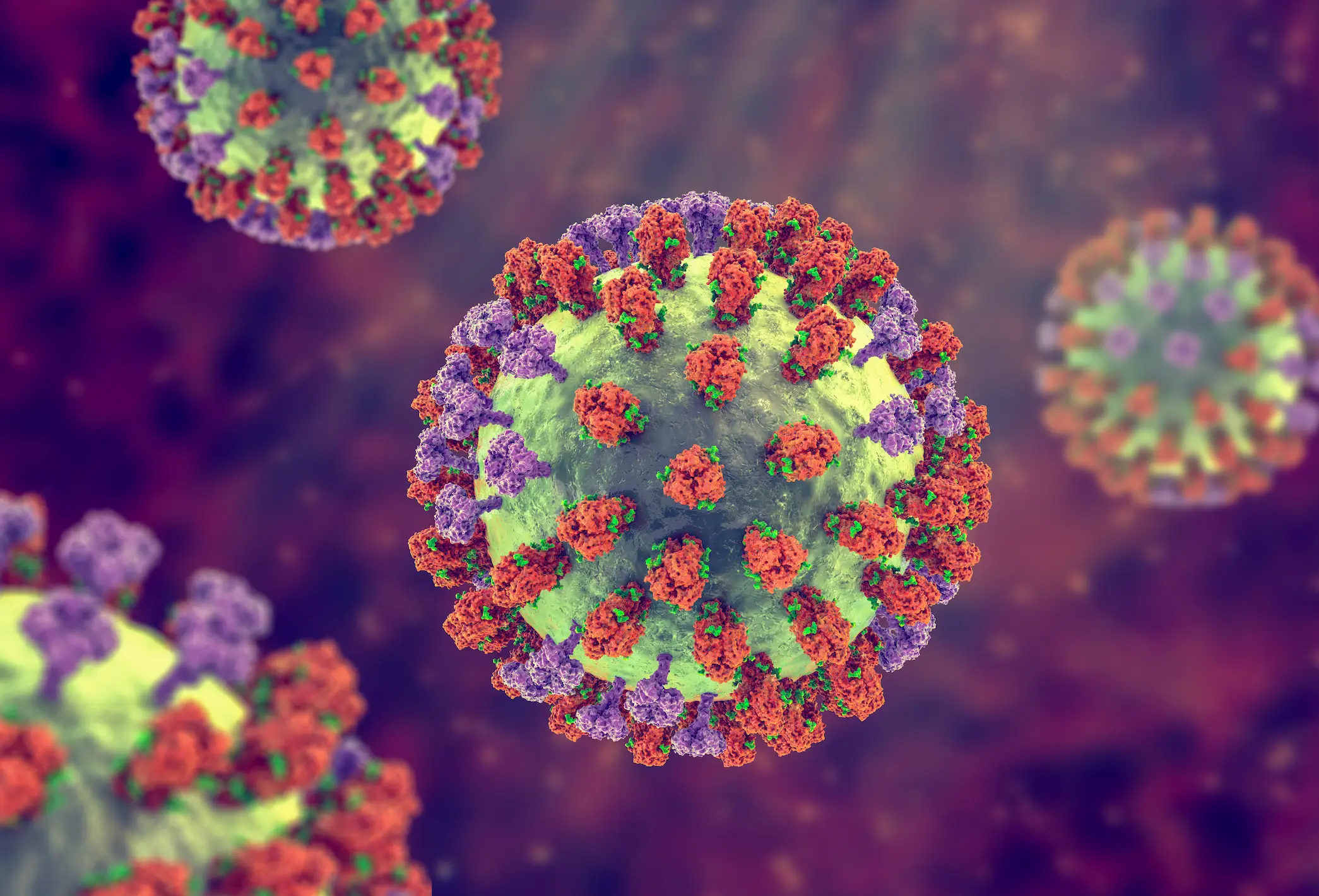
(Getty Stock Images)

Advert

The new flu strain, H3N2, specifically tends to produce more severe fevers, with patients typically experiencing higher body temperatures overall. They are also more likely to develop a high fever - exceeding 38°C - than with strains like H1N1.

Flu symptoms are more intense and appear more abruptly, categorised with fever, chills, muscle aches, headaches and fatigue.

Cold symptoms, meanwhile, are typically milder and emerge gradually, with nasal congestion being more prominent. Colds rarely result in serious health complications, unlike influenza.

The Daily Mail's health editor, Emma Gritt, has since explained the reason behind the surge in cases this winter.

"This year's flu season is so dramatic is that it started a lot earlier than usual. It started in October, which means it's had a lot more time to spread. Furthermore, the strain of virus that we're dealing with this year is a mutated version," she said.

Many patients have suffered fevers (Getty Stock Image)

"So people's immune systems aren't prepared for it. It's not the one which is protected against."

Gritt went on: "People are getting very sick. And at the moment, there are thousands of people in the hospital with the flu. And we're not even at the peak yet. And they don't actually know when the peak is.

"So services are really, really stretched."

Gritt then revealed what people can do to protect themselves.

"The old-fashioned ways like washing your hands, wearing a mask. They are also suggesting flu vaccinations for patients," she said.

Gritt noted that 'children especially' should be taking such measures 'because they are the group which are most likely to be ill with flu at the moment and they are the ones spreading it amongst the community'.
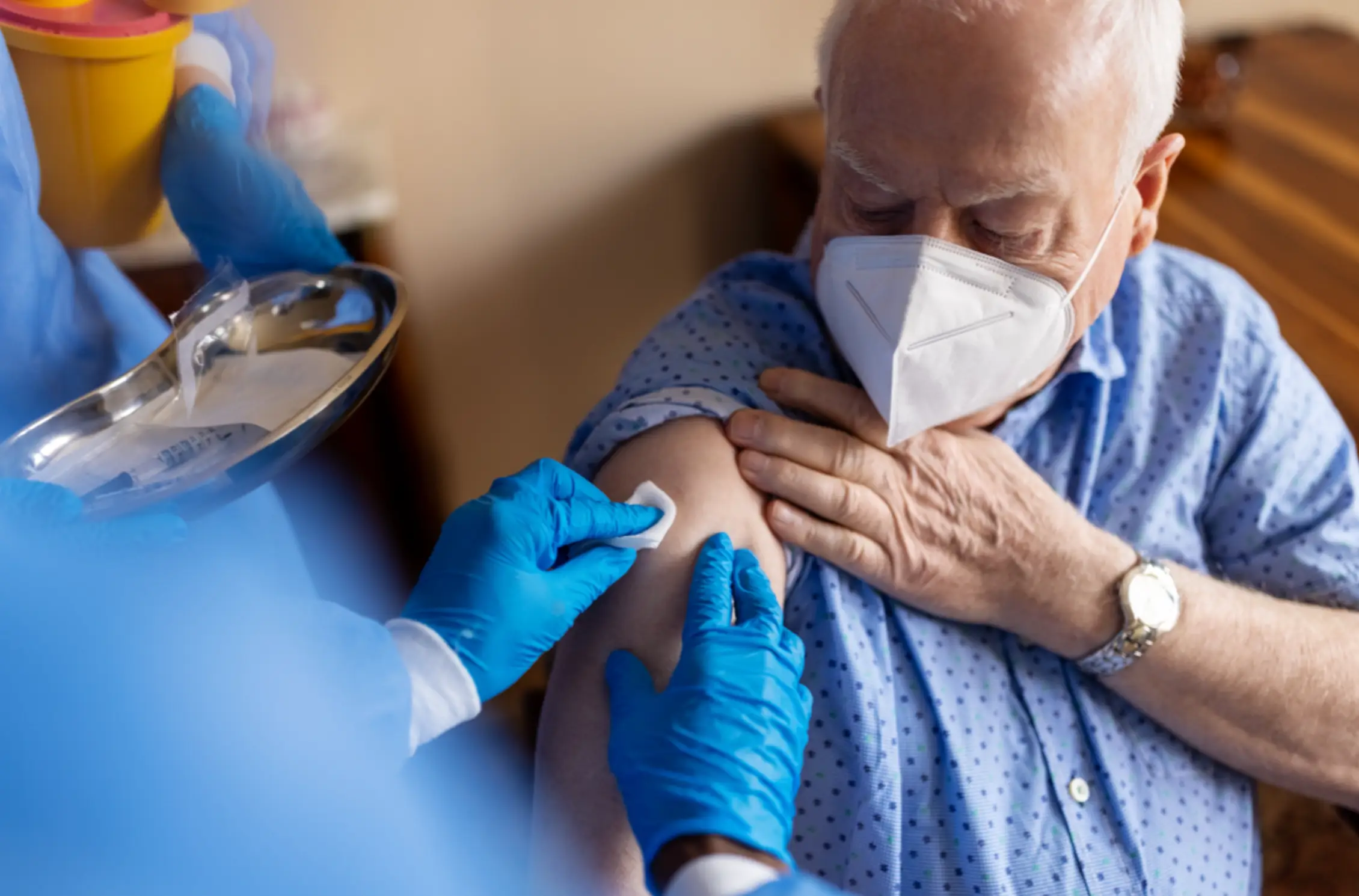
Some experts have recommended wearing a mask (Getty Stock Image)

"So, of course, if you go to your elderly relatives, you don't want to be giving them the flu because it can get really serious, really, really quickly," she warned.

You can find out more about the flu vaccine on the official NHS website here.

Featured Image Credit: Getty Stock Images

Topics: UK News, News, Health, Life, Advice, Explained, NHS

Rhiannon Ingle
Rhiannon Ingle

Rhiannon Ingle is a Senior Journalist at Tyla, specialising in TV, film, travel, and culture. A graduate of the University of Manchester with a degree in English Literature, she honed her editorial skills as the Lifestyle Editor of The Mancunian, the UK’s largest student newspaper. With a keen eye for storytelling, Rhiannon brings fresh perspectives to her writing, blending critical insight with an engaging style. Her work captures the intersection of entertainment and real-world experiences.

Advert

Advert

Advert

  • One major sign of ‘dangerous’ H3N2 flu that’s different from normal flu - as cases surge
  • Brits urged to ‘stay at home’ as cases of horrific virus surge
  • What you should know about Nipah virus following deadly outbreak
  • How to spot the difference between ‘super flu’ and common cold symptoms

Choose your content:

a day ago
  • Gety Stock Images
    a day ago

    Concerns raised over second US government shutdown - here's what we know

    The Democrats and Republicans are trying to agree on a federal funding plan for the year

    News
  • Dimitrios Kambouris/Getty Images
    a day ago

    Why Melania Trump’s ‘red carpet’ for film premiere was actually black

    MELANIA was released in cinemas today (30 January)

    News
  • Win McNamee / Staff / via Getty
    a day ago

    Nicki Minaj's citizenship explained as Donald Trump gives rapper 'gold card'

    Minaj publicly opposed Trump's immigration policies in 2018

    News
  • Curtis Means - Pool/Getty Images
    a day ago

    Luigi Mangione will not face death penalty over killing of CEO - here’s why

    Mangione, 27, pleaded not guilty to the fatal shooting of UnitedHealthcare CEO Brian Thompson

    News