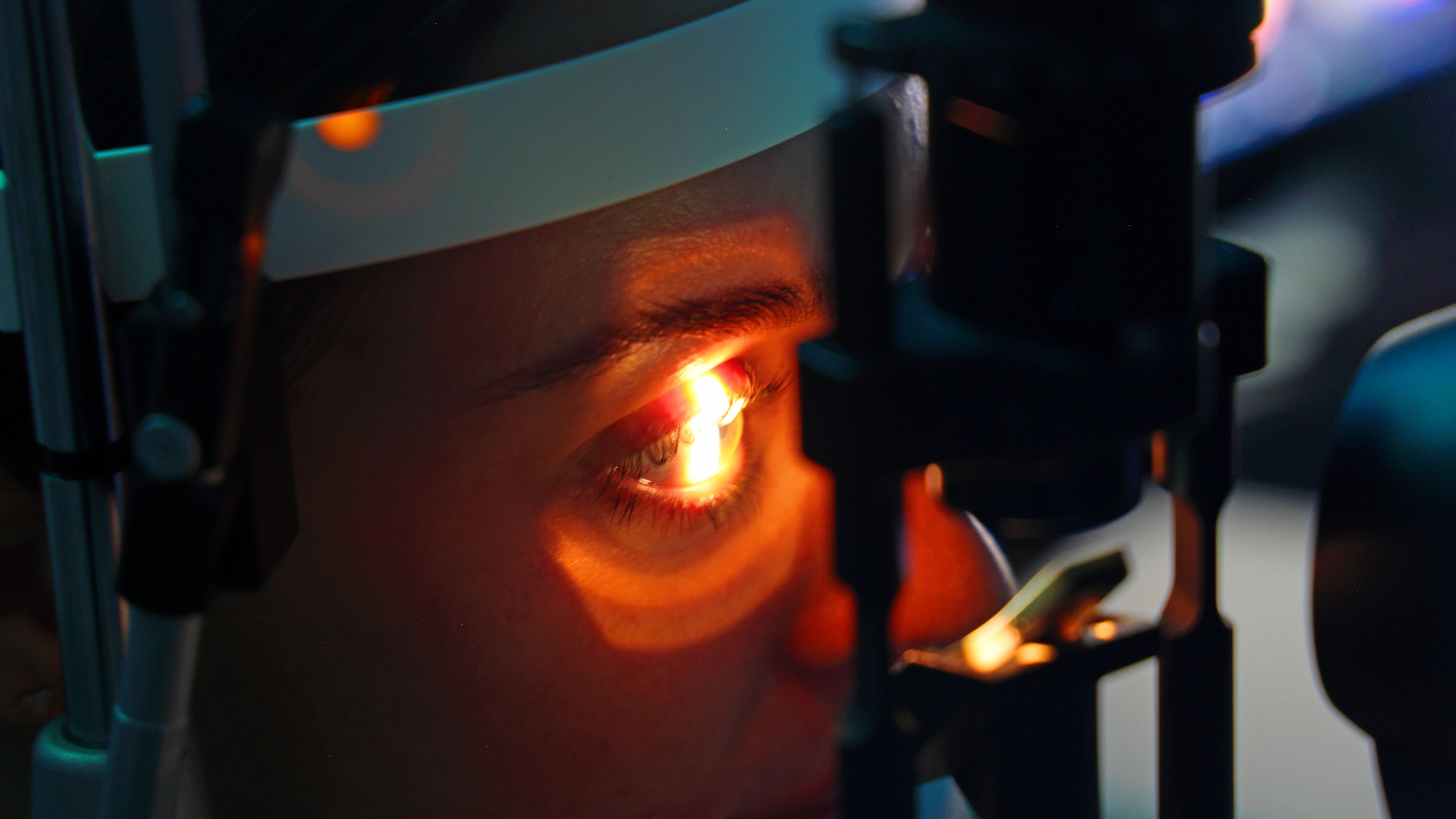
Eye sight warning issued to Wegovy users as new study reveals terrifying side effect

As an increasing number of patients come forward with claims that their vision has been permanently impacted by weight loss jabs, eye experts have issued a vital statistical warning.
Back in February, medicine regulators confirmed that use of several specific weekly injectables had been linked to a medical phenomenon commonly known as 'eye stroke'. To doctors, it's technically referred to as NAION (Non-Arteritic Anterior Ischemic Optic Neuropathy).
It's a sudden, incurable condition defined by the loss of vision in either one or both eyes. It occurs when inflammation reduces the flow of blood to the vital optic nerve within the eye.
Many medics have agreed that the cause of this inflammation is linked to certain GLP-1 medications, which were initially rolled out to tackle type 2 diabetes symptoms, but have since been hailed as weight loss 'hacks'.
Advert
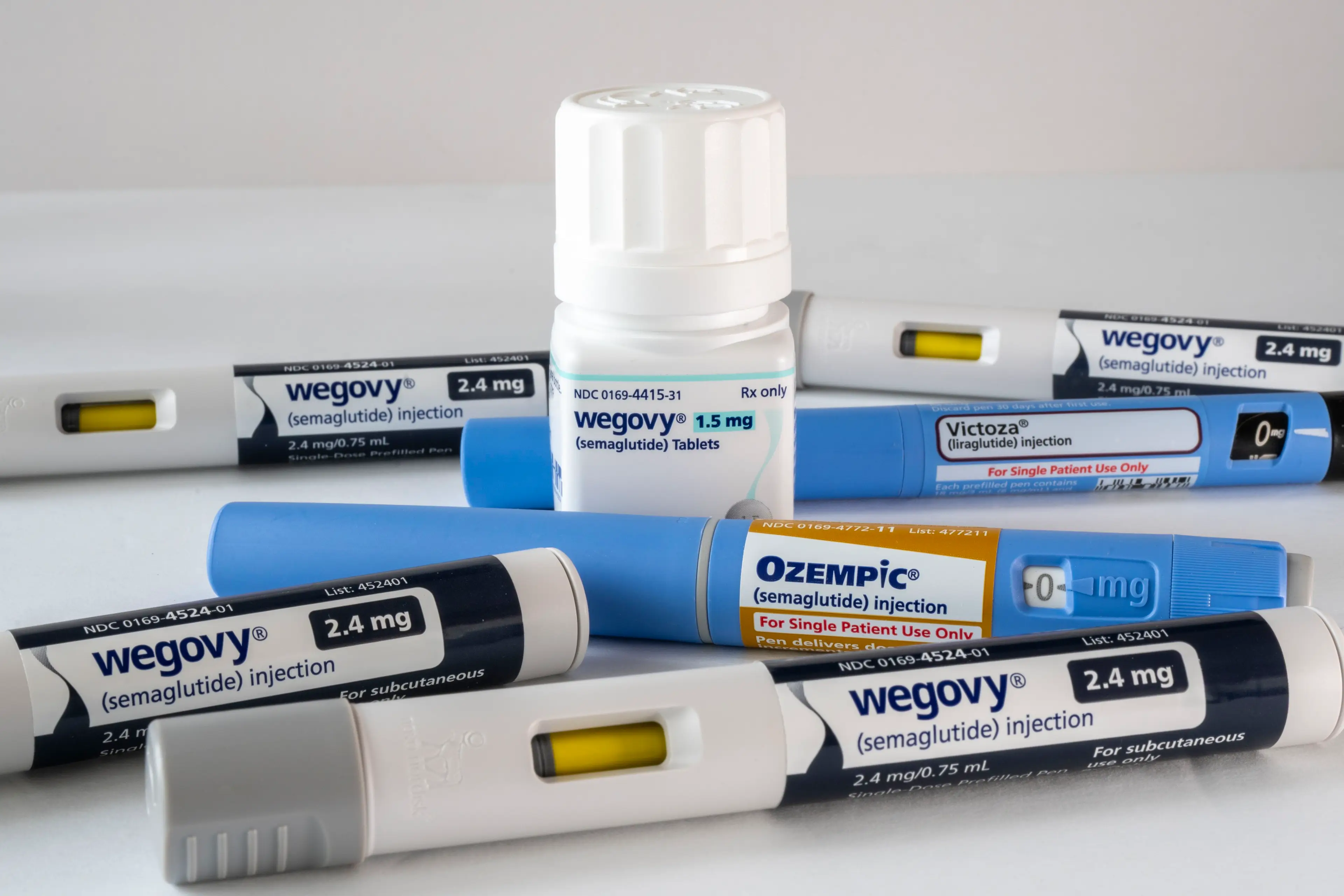
Last month, the Chief Safety Officer of the Medicines and Healthcare products Regulatory Agency, Dr Alison Cave, insisted: "Patient safety is the MHRA’s top priority, and we continually monitor the safety and efficacy of all licensed medicines.
"While the potential risk of NAION for patients prescribed semaglutide is extremely small, it is important that patients and healthcare professionals are alert to the associated symptoms."
A study recently published in the British Journal of Ophthalmology attempted to ascertain which medication came with the most risks to eye health.
Authors were surprised to find that Wegovy users were five times more likely to suffer NAION.
Furthermore, it was simultaneously discovered that male Wegovy users were three times more likely to battle eye-oriented side effects than women.
In spite of 'a potential dose-dependent safety concern', manufacturers have since emphasised that an 'eye stroke' is only thought to affect one in 10,000 semaglutide users.

Both Wegovy and Ozempic contain this key ingredient - just in different doses.
The authors of the study have suggested that the propensity of Wegovy to cause NAION may be due to the fact that these jabs act considerably faster.
As we say, a number of permanently blind patients have since come forward with their heartbreaking stories, including 68-year-old Peter Osler, from Harrogate, UK, who told ITV News he'd been prescribed Ozempic to treat his diabetes.
"My experience is very frightening," he recalled. "Very life-changing. It’s the loss of mobility, the loss of freedom, and having to depend on others,
"I was on 1 milligram a week, that’s injected into your stomach. People taking it for weight-loss can take up to 12 pens a week. In my view, I was only taking a very small dosage of Ozempic, and I’ve gone blind through it. What are the risks of someone taking ten times that amount?"
Todd Engel - one of the 20 Americans in the midst of taking action against Ozempic and Wegovy's manufacturing firm, Novo Nordisk - endured two 'eye strokes', which he says have robbed him of the chance to play with his grandchildren.

"This is not just a side effect," he also told ITV. This is a catastrophic, life-changing injury. I will never ever be able to see my wife’s beautiful face, any of my children or any of my grandchildren. I won’t be able to play ball with my grandkids."
A spokesperson for Novo Nordisk also told LADbible Group last month: "Patient safety is our top priority, and we take any reports about adverse events from the use of our medicines very seriously.
"We work closely with authorities and regulatory bodies from around the world to continuously monitor the safety profile of our products."
They added: "Based on the totality of evidence, we concluded that the data did not suggest a reasonable possibility of a causal relationship between semaglutide and NAION and Novo Nordisk believes that the benefit-risk profile of semaglutide remains favourable."
Tyla has contacted Novo Nordisk and Eli Lilly for further comment.
 Rhianna Benson