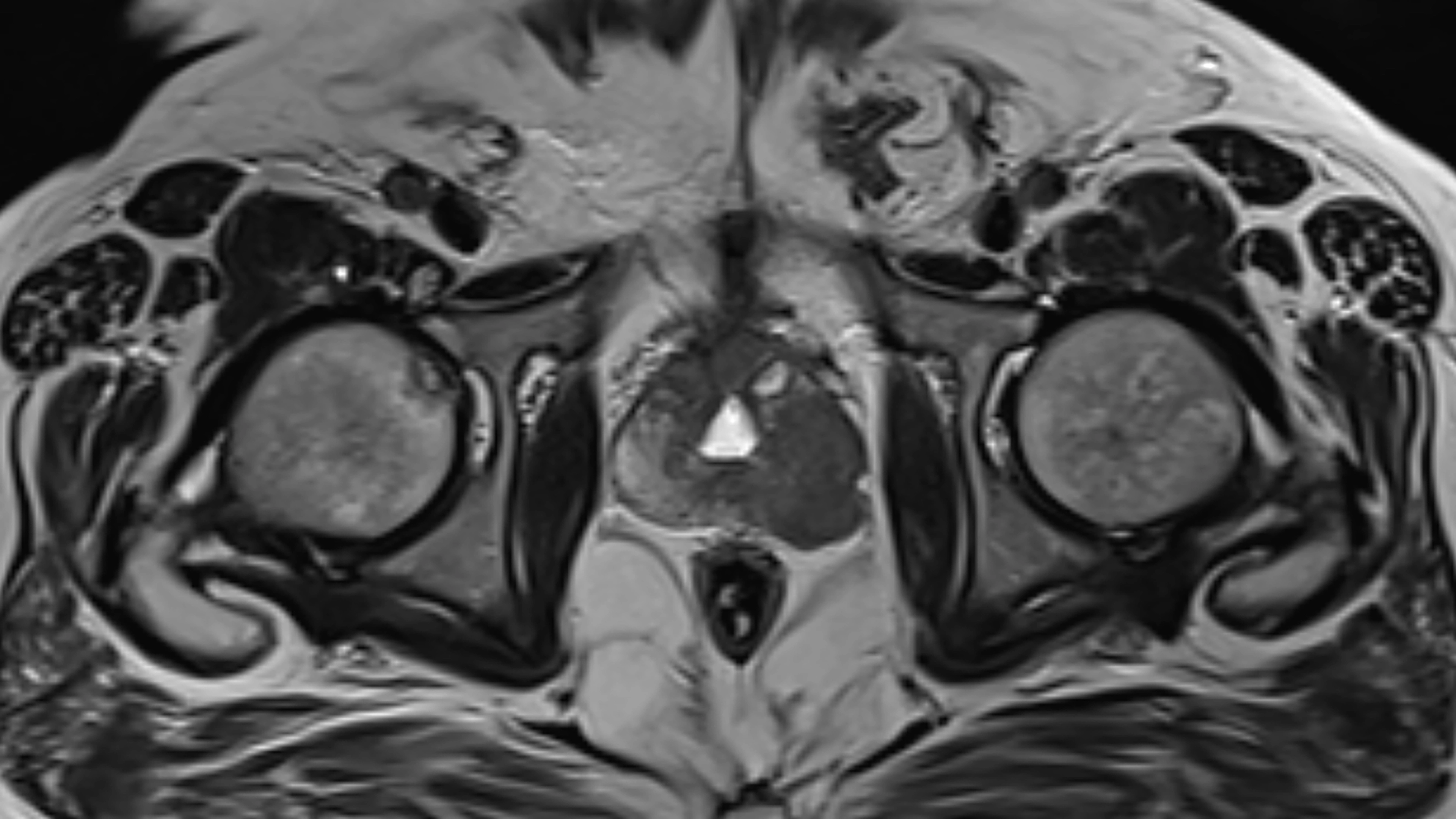
Warning signs of prostate cancer should you never ignore

Prostate cancer is the most common cancer in men in the United Kingdom, with roughly 55,300 new cases diagnosed every year (2017-2019).
According to Cancer Research UK, prostate cancer is the second most common cause of cancer death in males in the UK, with around 12,300 deaths every year.
Early prostate cancer often causes no symptoms, which is why awareness and early discussion are so important.
Data from Vista Health, a leading UK provider of private diagnostic services, has revealed the worrying knowledge gap when it comes to the prostate, as 26 percent of men do not know what their prostate is, while 65 percent can’t confidently explain what it does.
Advert
And while 42 percent fear developing prostate cancer, over a third of men (35 percent) have avoided speaking to a doctor about prostate issues.
Dr Reem Hasan, NHS GP and Chief Medical Officer at Vista Health, has shared everything you need to know about prostate cancer, from risk factors to how loved ones can help spot the early signs.

What is the prostate?
The prostate is a small gland that sits beneath the bladder and surrounds the urethra, the tube that carries urine out of the body.
Its main role is to produce some of the fluid that makes up semen, and it also helps control urine flow.
Typically the size of a walnut, the prostate naturally grows with age. For some men, that growth causes symptoms; for others, it leads to no problems at all, but understanding it is key to protecting long-term health.

Who is most at risk of getting prostate cancer?
Any man can develop prostate cancer, but certain people are more at risk. Vista Health outlines that the main risk factors are:
- Ethnicity – black men are twice as likely to get prostate cancer, one in four Black men compared to one in eight white men.
- Age – prostate cancer mainly affects men over 50, and the risk increases as you get older.
- Family history – men with a family history of prostate cancer are more likely to get it. The risk may be higher if you have more than one close relative, such as a dad, uncle, or brother, who has it.
- Genes – everyone has the genes BRCA1 and BRCA2; however, for some people, these genes have a fault, known as a gene variant. Men with a BRCA2 gene variant face a higher risk of developing prostate cancer.
"There are therefore additional considerations for men who not only have a strong family history of prostate cancer, but also breast, or ovarian cancer and if a close relative carries a BRCA1/2 mutation," Dr Hasan explains, adding that there are also lifestyle factors that can impact risk and while you can’t prevent prostate cancer, maintaining a healthy weight, eating well, exercising regularly and not smoking are all key ways to support your overall health.

What are the warning signs of prostate cancer?
When symptoms do occur, they are usually related to urination, such as:
- a weaker urine flow, difficulty starting to urinate
- feeling unable to fully empty the bladder
- dribbling after finishing
If cancer has spread, symptoms may include:
- unexplained weight loss
- new or persistent pain in the pelvis, hips, or back
- difficulty getting or maintaining an erection

How is prostate cancer diagnosed?
There is no single test for prostate cancer, and your GP will discuss the best pathway based on your symptoms and risk.
Diagnosis may include:
- Urine test: to rule out a urinary tract infection (UTI)
- Blood test: (PSA), measures prostate-specific antigen; raised levels may indicate a problem
- Risk assessment: including age, ethnicity, and family history
- Imaging: such as an MRI scan, which is now a key part of the diagnostic pathway
Find out more about prostate cancer on the official NHS website here.
If you’ve been affected by any of these issues and want to speak to someone in confidence, contact Macmillan’s Cancer Support Line on 0808 808 00 00, 8am–8pm seven days a week.
 Rhiannon Ingle