
How to spot the difference between ‘super flu’ and common cold symptoms

No doubt, you'll have probably seen headlines cropping up left, right and centre all to do with what is being dubbed the 'super flu'.
According to an official NHS England press release from last week (11 December), flu hospitalisations have surged by more than half in just one week, plunging the NHS into a 'worst-case scenario' situation for December.
An average of 2,660 patients per day were in a hospital bed with flu in early December, which is the highest ever for this time of year.
In other words, it means there are enough flu patients each day to fill more than three whole hospital trusts.
Advert
The record-breaking demand comes with thousands of resident doctors set to go on strike from 17 to 22 December – sparking fears of major disruption for patients ahead of Christmas.
Professor Meghana Pandit, NHS National Medical Director, said: "With record demand for A&E and ambulances and an impending resident doctors strike, this unprecedented wave of super flu is leaving the NHS facing a worst-case scenario for this time of year – with staff being pushed to the limit to keep providing the best possible care for patients.
"The numbers of patients in hospital with flu is extremely high for this time of year.
"Even worse, it continues to rise and the peak is not in sight yet, so the NHS faces an extremely challenging few weeks ahead."

So, with all that going on, it's super important that you know the difference between 'super flu' and common cold symptoms as a 'tidal wave of flu' continues to sweep through the UK.
Now, both of these illnesses, annoyingly, can have quite similar symptoms.
Flu, or influenza, is a respiratory illness that affects your lungs, and it can be pretty dangerous for people with underlying medical conditions like heart disease or diabetes, which is why such individuals are commonly offered a flu jab at this time of year.
Colds, meanwhile, are caused by many different viruses and only affect your upper respiratory tract - your nose and throat - not your lungs.
Because of this, a common cold is often referred to as a 'head cold' and is usually not that serious.
Cold symptoms
According to the NHS, cold symptoms come on gradually and can include:
- a blocked or runny nose
- a sore throat
- headaches
- muscle aches
- coughs
- sneezing
- a raised temperature
- pressure in your ears and face
- loss of taste and smell

Flu symptoms
Flu symptoms, however, come on very quickly and can include:
- a sudden high temperature
- an aching body
- feeling tired or exhausted
- a dry cough
- a sore throat
- a headache
- difficulty sleeping
- loss of appetite
- diarrhoea or tummy pain
- feeling sick and being sick
'Super flu' symptoms
All flu virus strains can cause a sudden onset of symptoms, which include fever/chills, cough (often dry), sore throat, runny or stuffy nose, body and muscle aches, headache and fatigue/weakness.
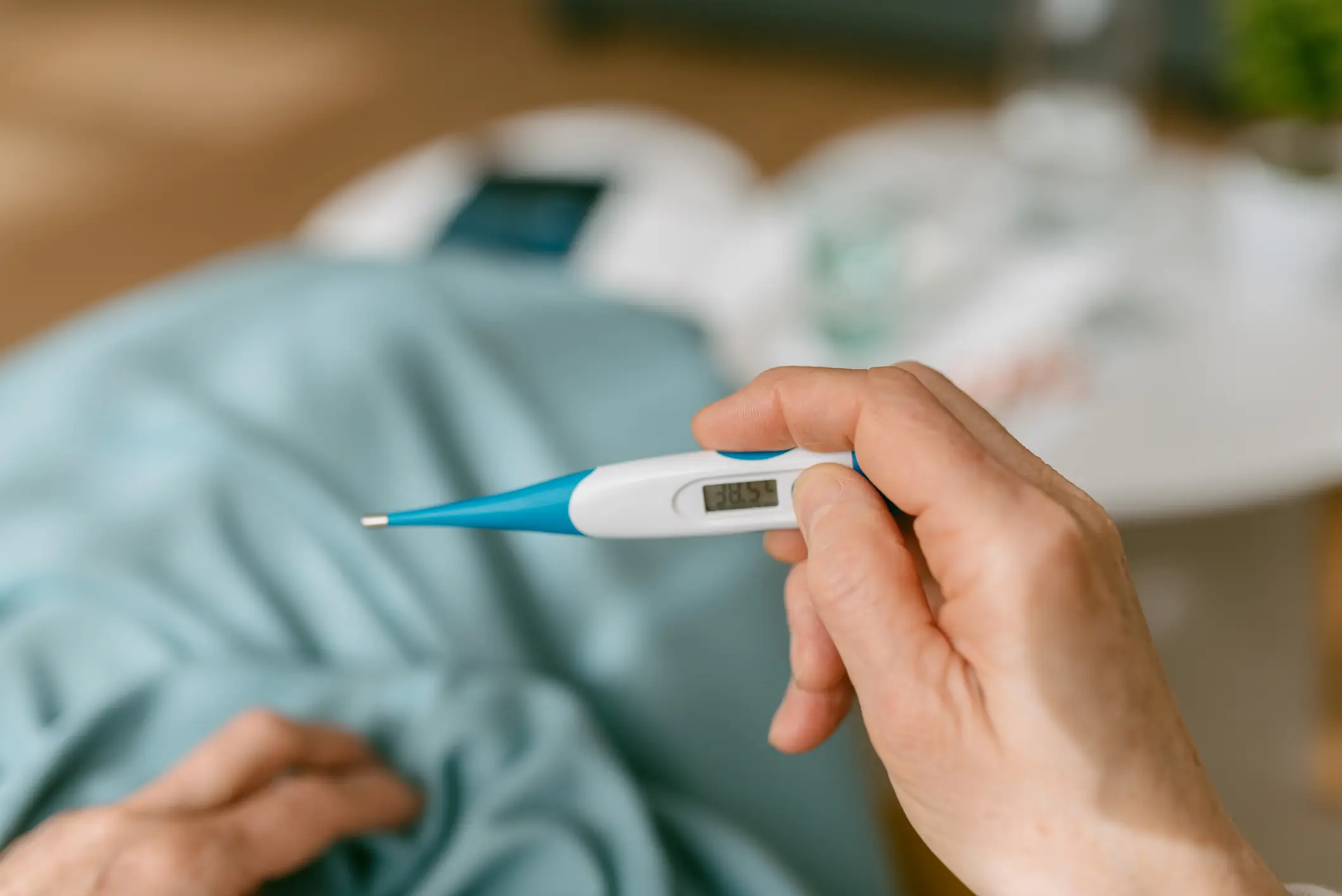
The new flu strain, H3N2, specifically tends to produce more severe fevers, with patients typically experiencing higher body temperatures overall. They are also more likely to develop a high fever - exceeding 38°C - than with strains like H1N1.
You can find out more about the flu vaccine on the official NHS website here.
 Rhiannon Ingle