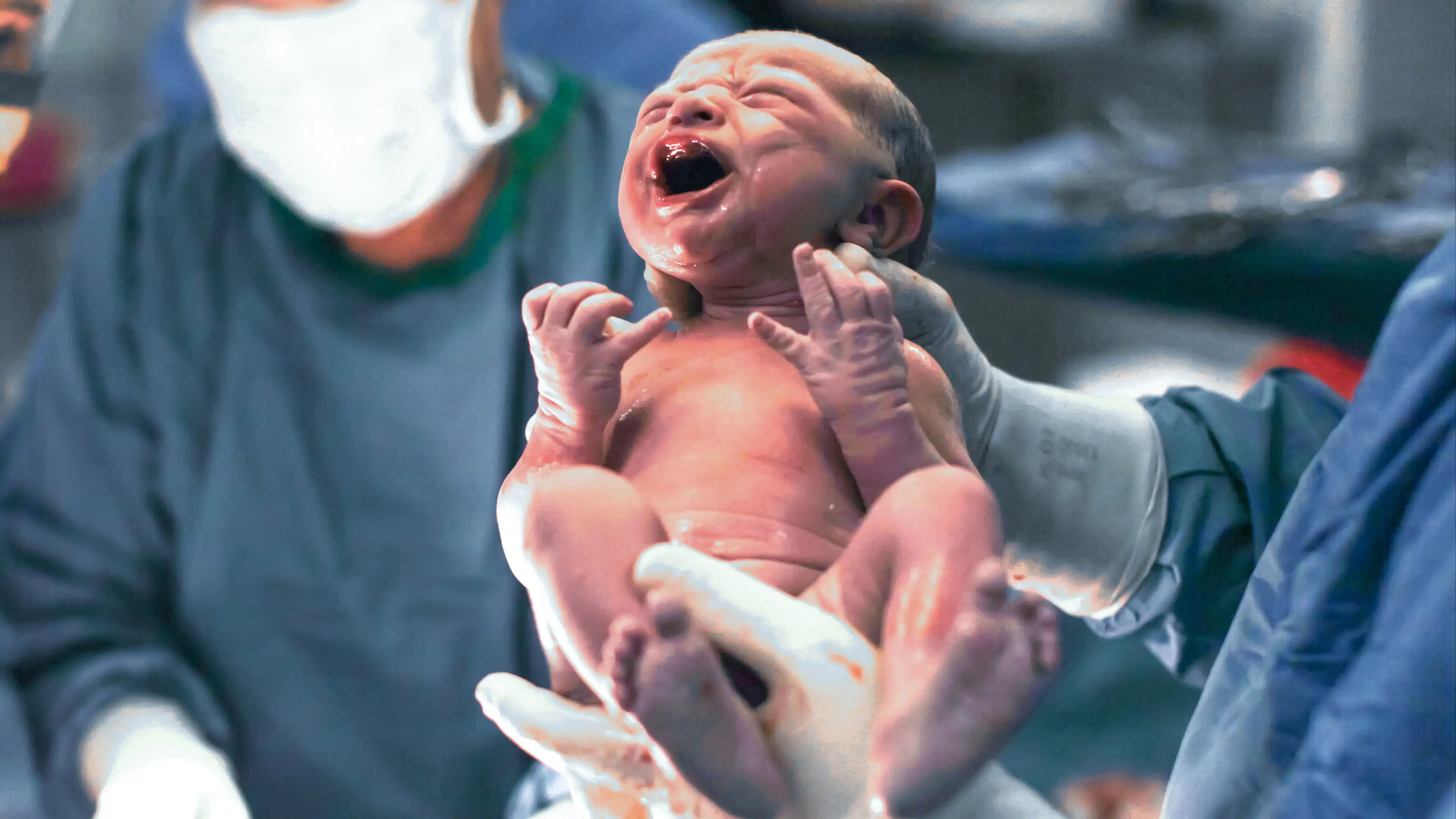
People aren't happy after realising what babies born in the last 364 days have been called

2025 was a big year for babies.
Whilst a final global count hasn't yet been made available, projections estimate that as many as 132 million little people were welcomed into the world within the last 12 months.
Apparently, however, these happy stats have been somewhat tainted by revelations by parents that this year's newborns will actually make up the beginnings of a brand new generation.
That's right - as of 1 January 2024, babies would no longer fall into the previous Gen Z category, which held babies born between the late 1990s and early 2000s. In turn, this will also see these fresh-faced youngsters removed even further from Millennials, or Gen Xs, that were born between 1981 and 1996.
Advert
Until a new batch of tots arrive in the year 2039, all Earthling newbies will henceforth be referred to as 'Generation Betas', or Gen Bs.
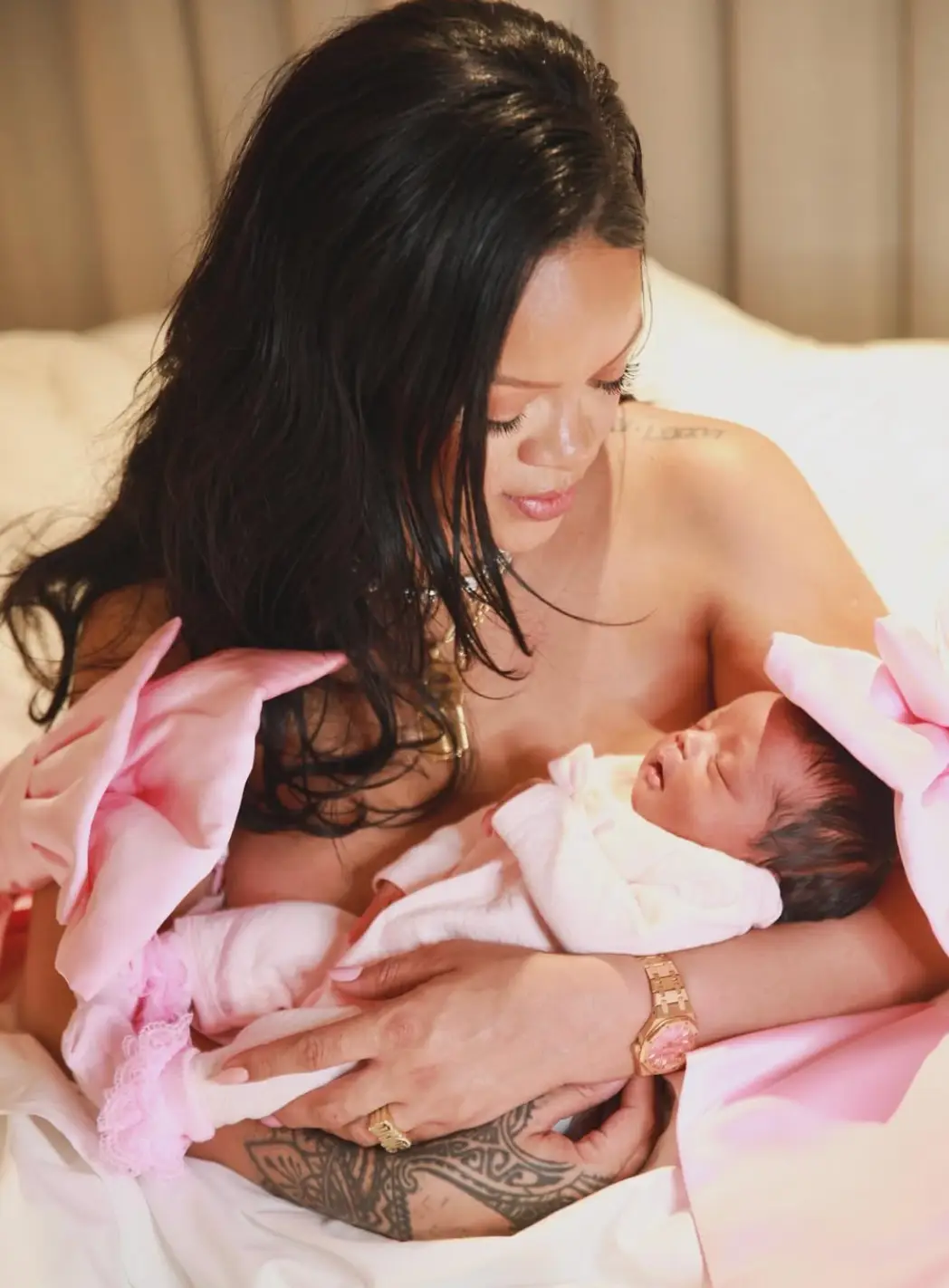
Already having joined this community so far, are comedian Pete Davidson and girlfriend Elsie Hewitt's daughter Scottie, actor Chris Evans and Alba Baptista's baby girl, Alma Grace, musicians Rihanna and A$AP Rocky's daughter, Rocki Irish, and Stranger Things star Millie Bobby Brown and husband Jake Bongiovi's newborn girl, who was adopted into her family.
Joining Gen B for the boys is Calvin Harris and Vick Hope's son, Micah, and a son born to actors Tom Hiddleston & Zawe Ashton.
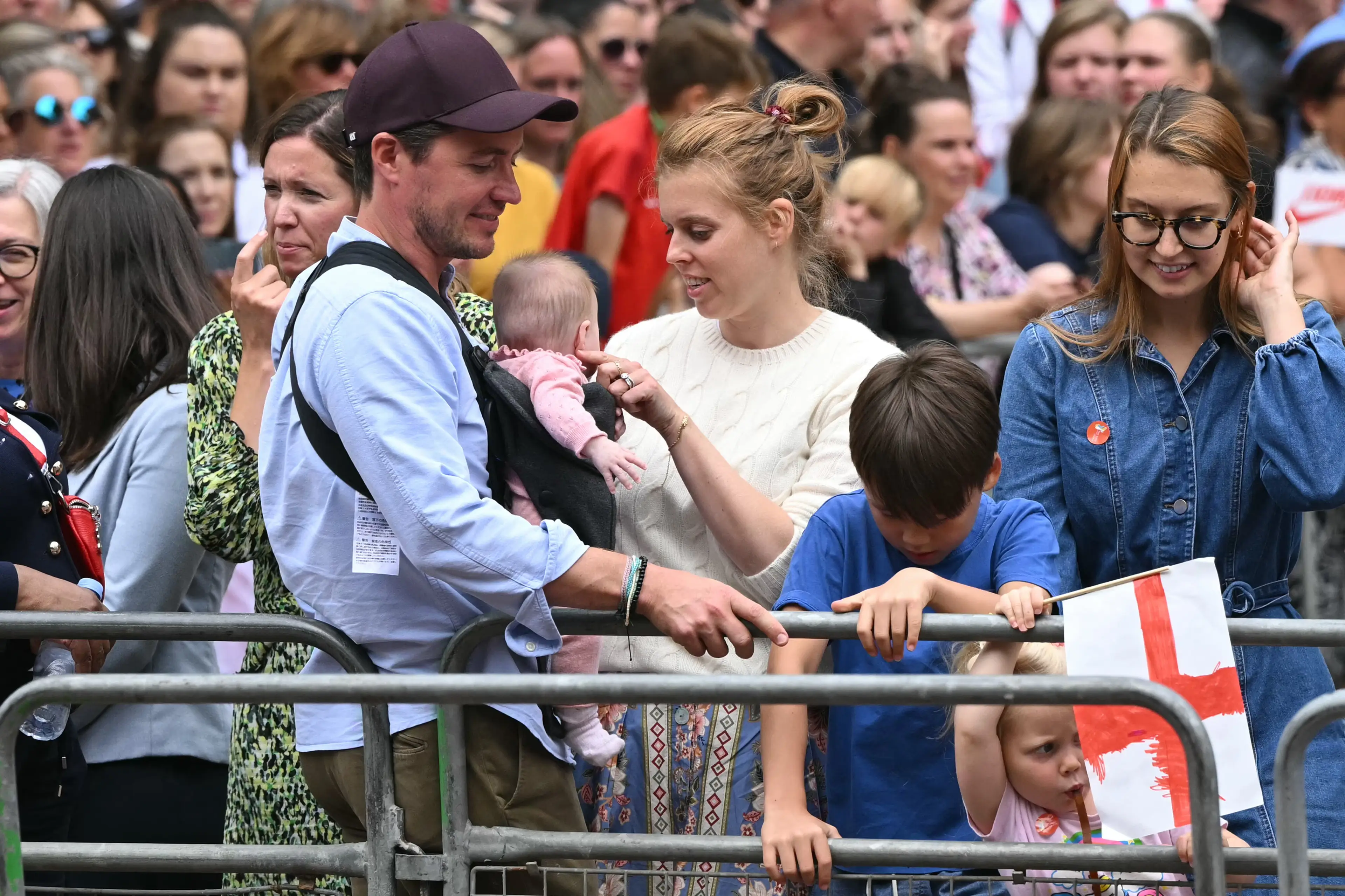
A royal youngster was also born into Generation Beta this year, in the form of Princess Beatrice second child, a daughter, Athena, whom she shares with husband Edoardo Mapelli Mozzi.
"Their Majesties The King and Queen and other members of the royal family have all been informed and are delighted with the news," a Buckingham Palace representative told press of Charles and Camilla at the time.

Some experts have described the news as the 'dawn of a new era', given that this generation could live into the 22nd century.
Amongst them is demographer and consultant Mark McCrindle, who also explained that the upcoming generation will 'grow up in a world shaped by breakthroughs in technology, evolving social norms, and an increasing focus on sustainability and global citizenship'.
Despite this exciting prospect, not everyone is entirely thrilled by the title given to the new generation, claiming it implies they're weak in some way.
"Beta is a terrible name, nobody is calling them that," one social media user hit out earlier this year.
Another begged: "Please they should change it to something meaningful. My children will not be 'beta'."
"Beta sounds like they're in a testing phase," a third noted.
Of what life could realistically look like for Gen Bs, McCrindle predicted: "The digital and physical worlds will be seamless."
He continued: "While Generation Alpha [people born between the early 2010s and mid 2020] has experienced the rise of smart technology and artificial intelligence, Generation Beta will live in an era where AI and automation are fully embedded in everyday life - from education and workplaces to healthcare and entertainment.
"They will likely be the first generation to experience autonomous transportation at scale, wearable health technologies, and immersive virtual environments as standard aspects of daily life."
McCrindle concluded: "Their formative years will be marked by a greater emphasis on personalisation - AI algorithms will tailor their learning, shopping, and social interactions in ways we can only begin to imagine today."
 Rhianna Benson