
Cancer diagnoses among Gen Z and Millennial women are surging - it's important to know the signs

Early on-set incidences of certain cancer strains are gradually on the rise in women under 50, health experts have declared.
A two-decade study carried out by the OECD (Organisation for Economic Co-operation and Development) of cases amongst ladies aged 15-49 living in Europe, found a staggering 16 per cent increase between the years 2000-2022. During this same period, rates remained stable in men. It was also found that this pattern was especially prevalent in the UK.
A similar, long-term study led by academics at Queens University Belfast honed in on British cancer patients aged under 50 specifically.
Whilst there was an increase amongst both men and women between 1993 and 2019, the difference was much more considerable in the latter, with a 27 per cent rise compared to 9 per cent in the former.
Advert
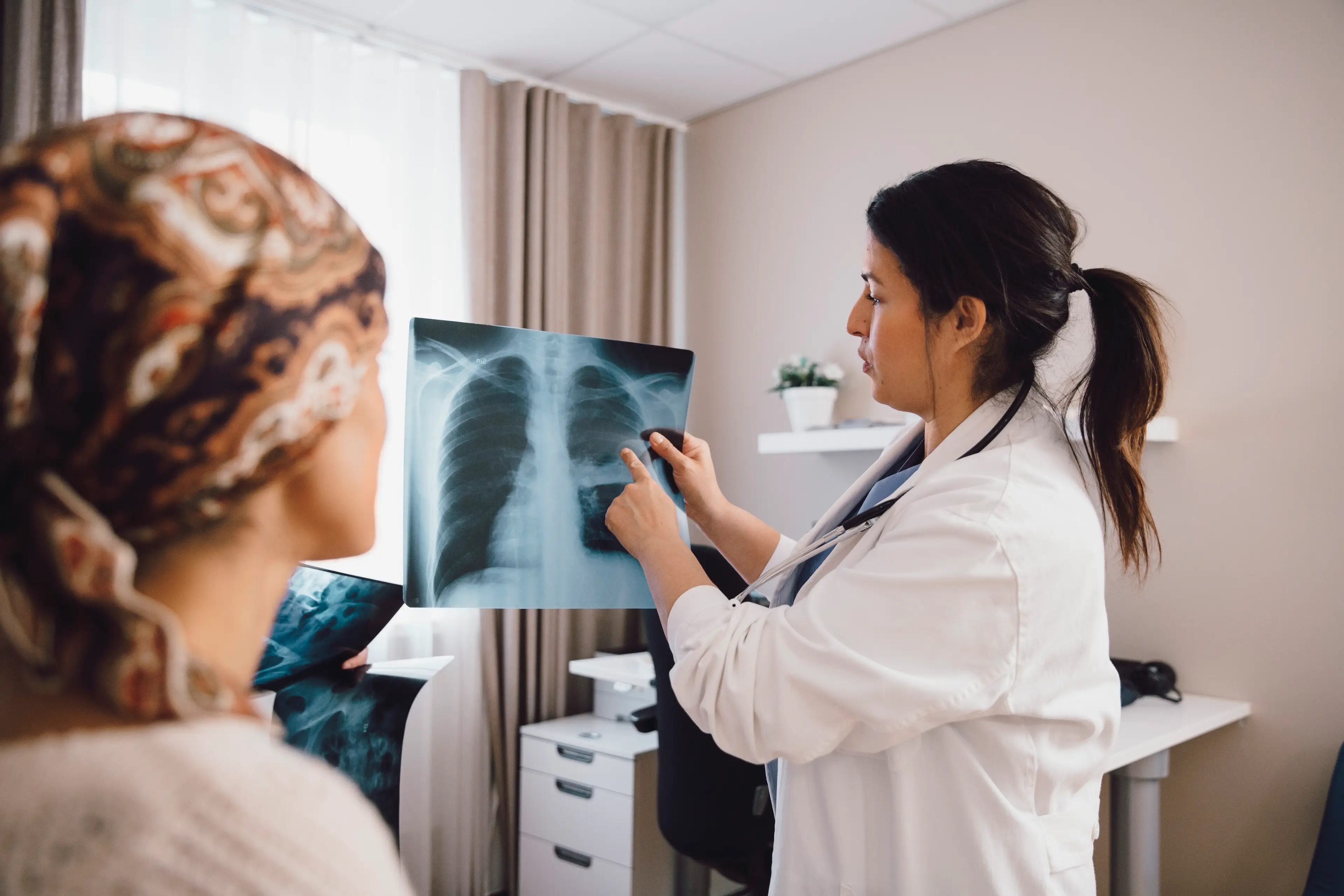
With this in mind, oncologists across the globe are attempting to raise awareness of the symptoms that come with the main culprits - breast and thyroid cancer, skin melanoma and colorectal cancers.
The first of these three categories makes up an alarming 80 per cent of the overall increase recorded by scientists.
Why are cases rising in women under 50?
Several main drivers behind the sudden surge in cases amongst amongst both Gen Z and Millennial women have been put forward by industry experts.
One of a change in risk factors, with Professor Karol Sikora - the former head of the World Health Organisation's cancer programme - telling press it's definitely 'not genetics'.
"Genes haven’t changed," he told The Times. "What has changed is lifestyle and the environment.
"Patterns of exercise have changed, patterns of eating have changed, patterns of the way in which women work have changed completely over the last 50 years. It represents societal change."
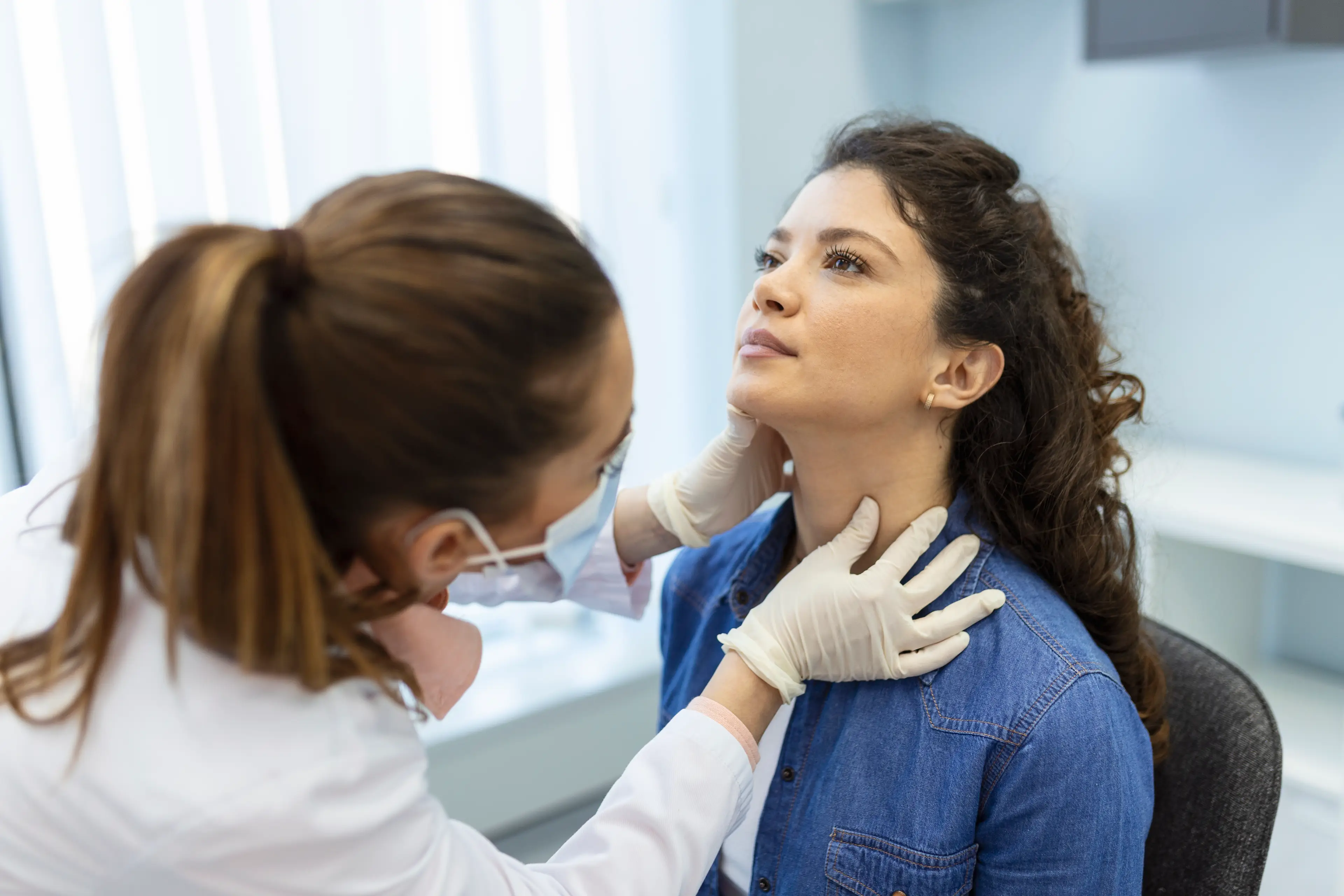
Honing in on colorectal cancer specifically, Sikora also credited a heavy reliance in young people on ultra-processed foods, as well as the fact our busy lives often keep us 'eat running'.
"It’s just a total lifestyle change that results in a different colony of bacteria in the gut that unfortunately produces more cancer in the breast as the women get older," he explained.
On breast cancer, some oncologists have put the rise in cases down to increased diagnoses in younger age groups, prompted by more awareness of, access to and use of screeners. Others have put it down to alcohol consumption levels in youngsters, as well as the obesity epidemic.
On thyroid cancer, Brighton and Sussex Medical School professor and chair in epidemiology and public health medicine, Anjum Memon branded this strain 'indolent', adding: "For thyroid the explanation is very clear in my mind.
"If it’s increasing in both genders it will always be higher for women. It’s three times more common in women."

And lastly, on melanoma, this is thought to be largely caused by a pattern whereby young women regularly expose themselves to the sun.
This, paired with men being statistically less likely to have skin conditions checked out by their GP, could explain concerning numbers.
What symptoms should we look out for?
As has always been the case, health experts are emphasising that early diagnoses are often the best means of treating cancer.
As such, it's vital to know the indicators that the disease is present, or growing, within the body.
Breast cancer:
According to the NHS, the most common symptoms of breast cancer in women include:
- A lump or swelling within the breast, the chest or the armpit
- A change in the breast's skin, like dimpling or reddening
- A change in the shape of one or both breasts
- Discharge being released from the breast, even when not pregnant or breastfeeding
- A change in the form of nipple, like it turning inwards or developing a rash
- Pain in the breast or arm that does not subside

Once breast cancer spreads to other areas of the body, a patient might also experience:
- Fatigue or loss of energy
- A loss of appetite, or losing weight involuntarily
- Feeling unwell for no obvious reason
- Feeling nauseas or vomiting
- Trouble sleeping
Thyroid cancer:
Being part of the neck, the majority of the symptoms stem from this area. These include:
- A lump forming in the front, lower part of the neck which usually feeds hard and gets bigger over time
- A hoarse voice
- A sore throat
- Trouble swallowing or breathing
- Pain in the front of the neck
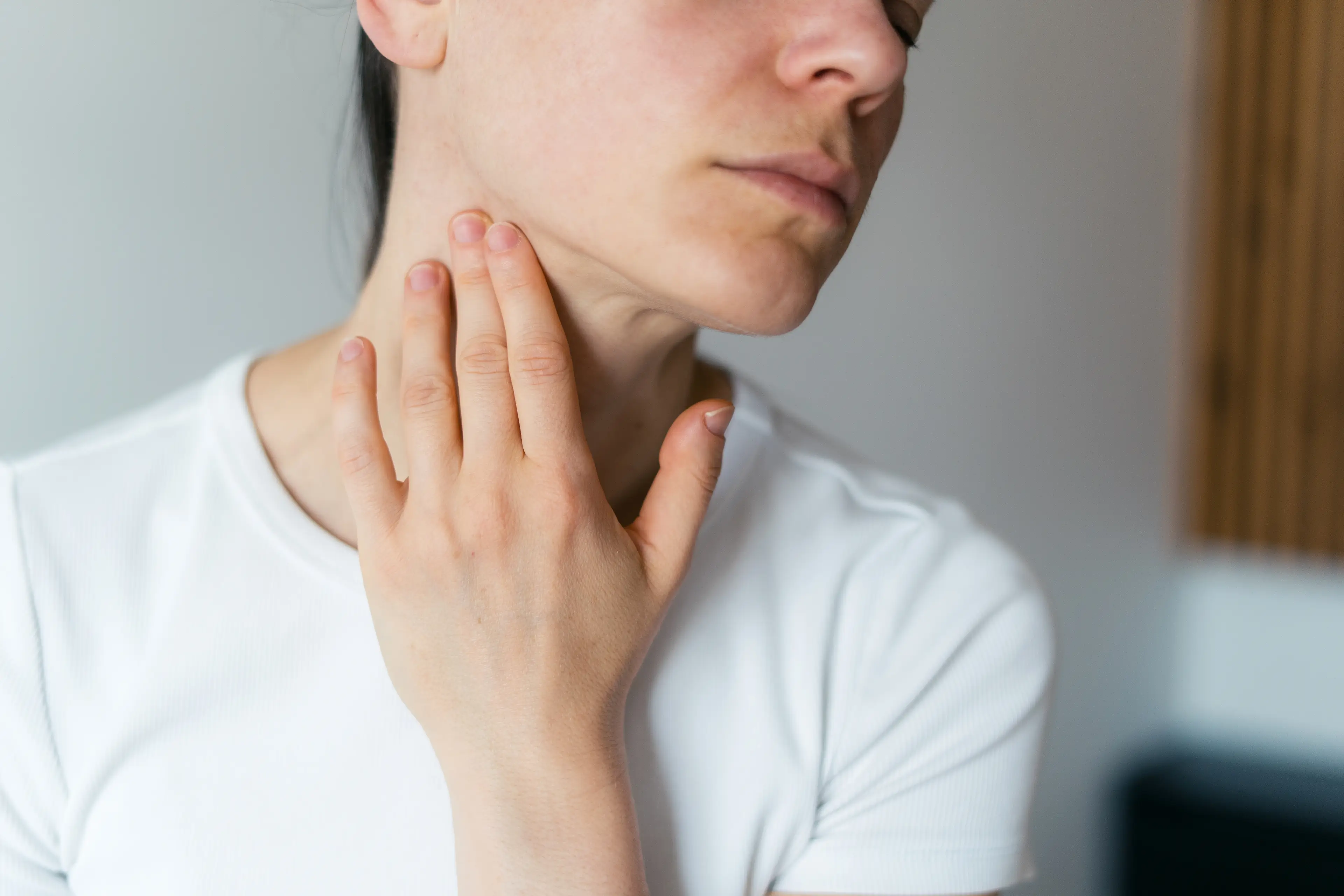
Other, less common symptoms can also include:
- Flushing of the face
- Softer stools
- Unexpected weight loss
- A cough
Colorectal cancer:
The signs of colon, rectum or bowel cancer to look out for can also vary, and often fall under the umbrella of other conditions.
It is when they come hand-in-hand with another that alarm bells should ring.

These include:
- Changes to a person's stool, such as it softening, or become constipated
- Needing to go No. 2 considerably more or less frequently
- Noticing blood in your poo
- Bleeding from the anus
- Feeling the need to use the bathroom but struggling to go
- Stomach pain
- Bloating
- Losing weight without trying to
- A lump forming in the stomach
- Feeling fatigued
Melanoma:
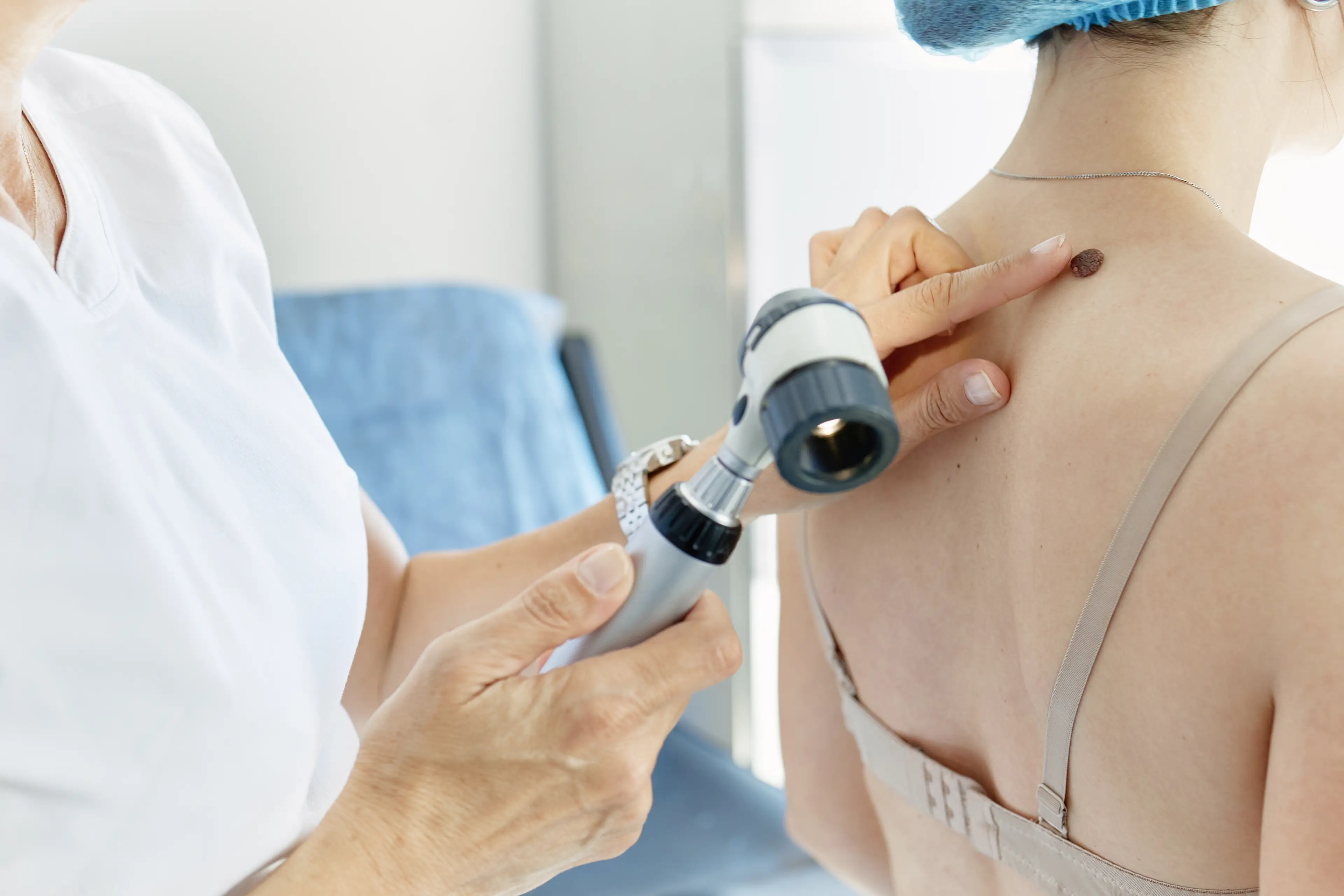
When it comes to looking out for the signals of skin cancer, most cases involve the appearance, or the change in appearance of a mole.
This can appear anywhere on the body, but most likely crop up in areas that see some sunlight.
You should keep a close eye on your skin for any changes, but especially if you notice:
- A mole with an uneven shape, two different halved shapes, or have uneven edges
- A mole with a mix of colours, especially if one is black
- A large mole bigger than 6mm wide
- A mole that appears either swollen, bloody, itchy or crusty
Topics: Gen Z, Health, Life, Real Life, True Life, Women's Health, Cancer
 Rhianna Benson