Seven foods you should swap to reduce risk of cancer

In an era obsessed with wellness, it's no surprise that health experts are sounding the alarm when it comes to food and drink that, though tasty, could be doing seriously irreparable harm to our bodies.
Amongst them is David Cox of The Telegraph who, having consulted with the top minds in science, oncology and nutrition, believes seven of the most dangerous food groups all fall under one particular category - preservatives.
As he recently explained, in bid to tackle the rapid spoiling of food, industry experts developed industrial preservatives in the 20th century, which can keep products in date for as long as several years.
In adding preservatives to an edible item, however, manufacturers are processing it - and in some cases, ultra-processing it, to keep it 'fresh'. In essence, they're removing a food from its natural, nutritious state one additive at a time.
Advert
Concerned with how these processes might be affecting our insides, recent years have seen vast amounts ploughed into studies centred on the potential harms of 'E numbers', as they're so often disguised.
This has especially been the case since colorectal cancer cases were ruled to be at an all-time high amongst under 50s, with scientists attributing many of these cases with Gen Z's reliance on easy, accessible and often cheap ultra-processed foods.
These food groups have also been linked to an increase in cases of diabetes amongst the 40s and 50s, as well as a higher risk of being diagnosed with either breast or prostate cancer.
As we say, with this in mind experts have issued a warning centred on seven specific foods, the first being...
Processed meats
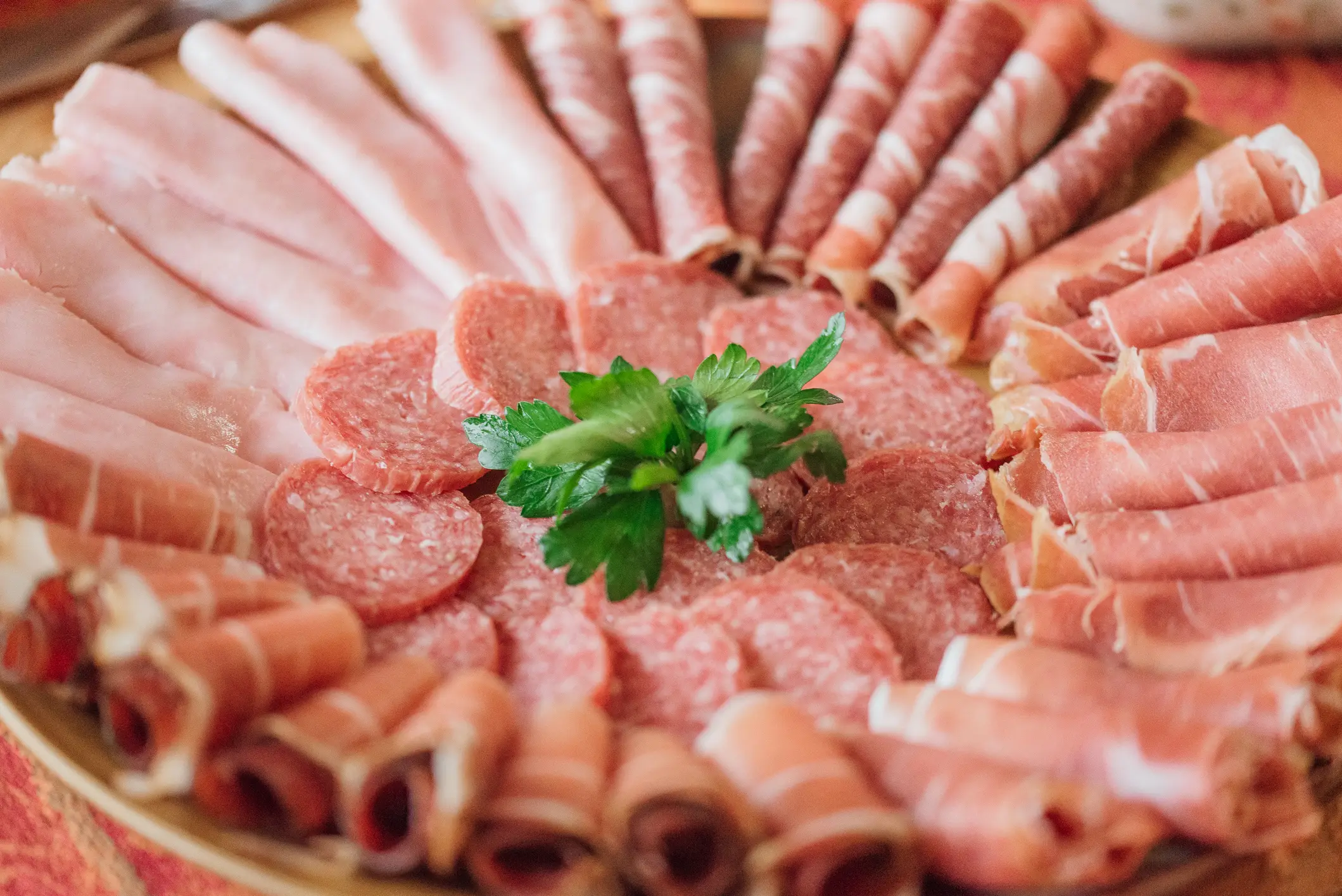
If you're someone that can't resist a bacon butty, or have been relying on the same ham sandwich for lunch for years, experts say its time to think about a healthier switch, ideally to fish.
This is because processed meats are laced with nitrates, which are used to preserve their colour and prevent any bacterial growth, and which have been linked to a heightened risk of cancer.
Registered nutritionist Rhiannon Lambert told Cox: "Scientific research suggests that the regular consumption of processed meats, which often contain added nitrites or nitrates, has been classified by the World Health Organisation as a Group 1 carcinogen.
"This doesn’t mean these foods need to be feared, or avoided entirely, but it does reinforce current UK public health advice to limit processed meat intake and prioritise a varied, predominantly whole-food diet."
Cordials

Otherwise known as 'squash', also known as 'diluting juice', fruity cordials are said to be super risky due to their potassium sorbate and sulfite containments.
These, senior nutrition lecturer Orla Flannery says, should be swapped for natural flavourings in water, like cucumber or lemon.
"That will flavour the water without needing any sweeteners or preservatives," she explained. "Although you need to get rid of it at the end of the day, otherwise it will start to ferment and become infected with bacterial growth."
Salad dressings with vinegar
One of most dangerous preservatives is vinegar, given that it contains acetic acids, which is used to keep some salad dressings in date for longer.
The issue is, however, that studies have shown a link between this additive and a risk of both certain cancers and diabetes.
Chief nutritionist Federica Amati explained this association: "This is surprising, but we have to think about this as an indication of what happens when we add elements to food which weren’t in the [food] matrix that was originally intended to reach us."
Instead, she recommends using natural marinades, made of citrus fruits, for example.
Of the specific type of acid being referenced, she continued: "It’s also commonly added to sauces and other condiments, so check the label. Condiments that tend not to have acetic acid include guacamole, mint yogurt sauce, homemade mayo using lemon juice, soy sauce and some mustards."
Jarred pasta sauce
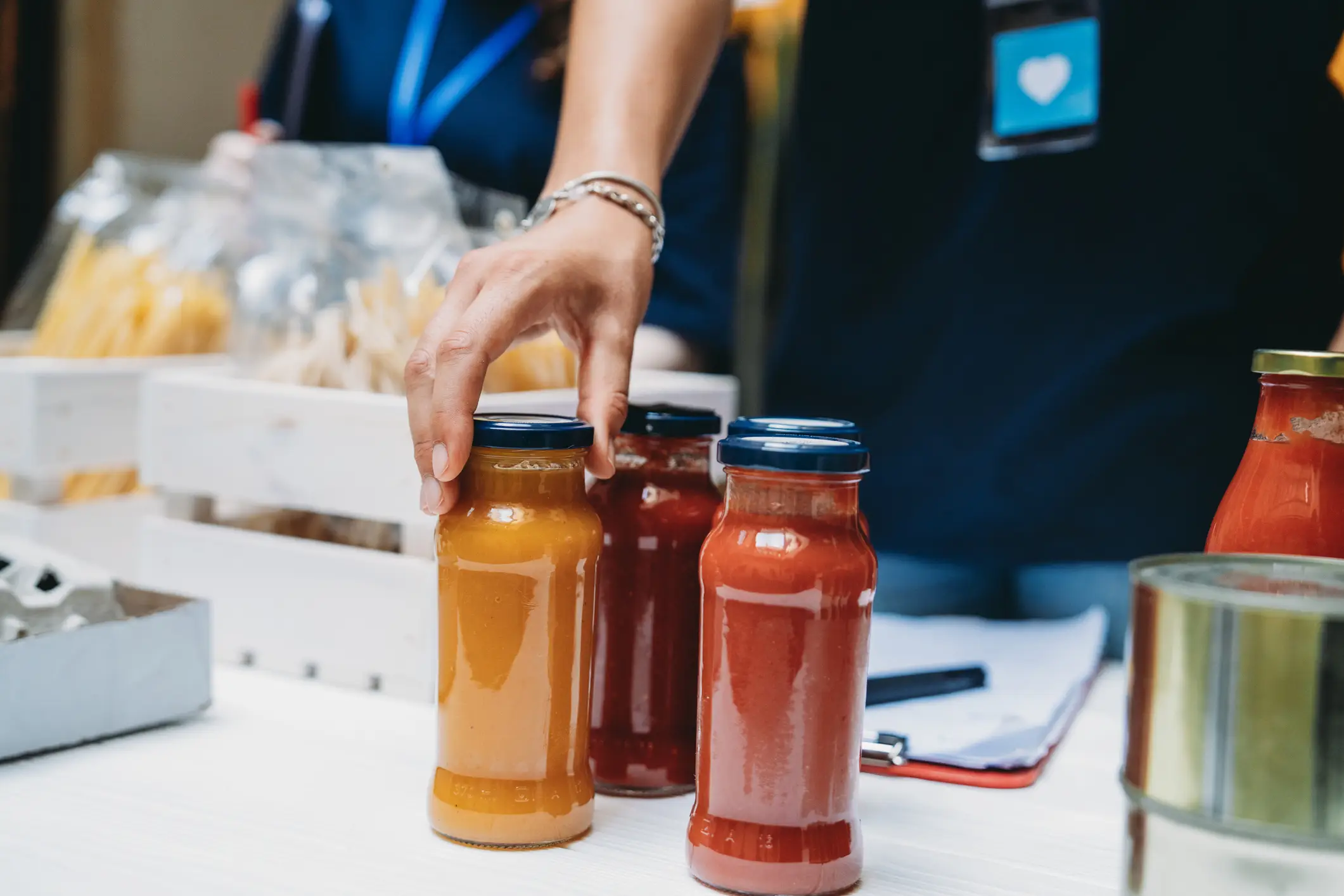
After a long day of work, there's nothing more exhausting than the notion of whipping up a tomato and basil pasta sauce, or a creamy carbonara, from scratch - as such, many rely on handy jars of pasta sauce.
There's a reason, however, that these jars have remained in the back of your pantry for so long, due to a supposedly lethal combinations of preservatives like acetates and erythorbates.
It might feel like hard work, but according to Flannery, your body's organs will be grateful for a freshly made sauce.
"A sauce which is on a shelf for six months will have way more preservatives, and potentially salt and sugar," the expert explained. "Or open up a can of tomatoes which is probably even less than the price of the sauce, and add in your own dried herbs and a few seasonal vegetables.
"This is the way around it."
Sweets
It might sound obvious, and in line with what parents have been warning their children for decades, but as it turns out, sweets are pretty bad for you.
These brightly coloured, soured and sherbet sweet treats are full to the brim with preservatives like acetic acid, citric acid, which are not only terrible for your teeth, but your gut health too.
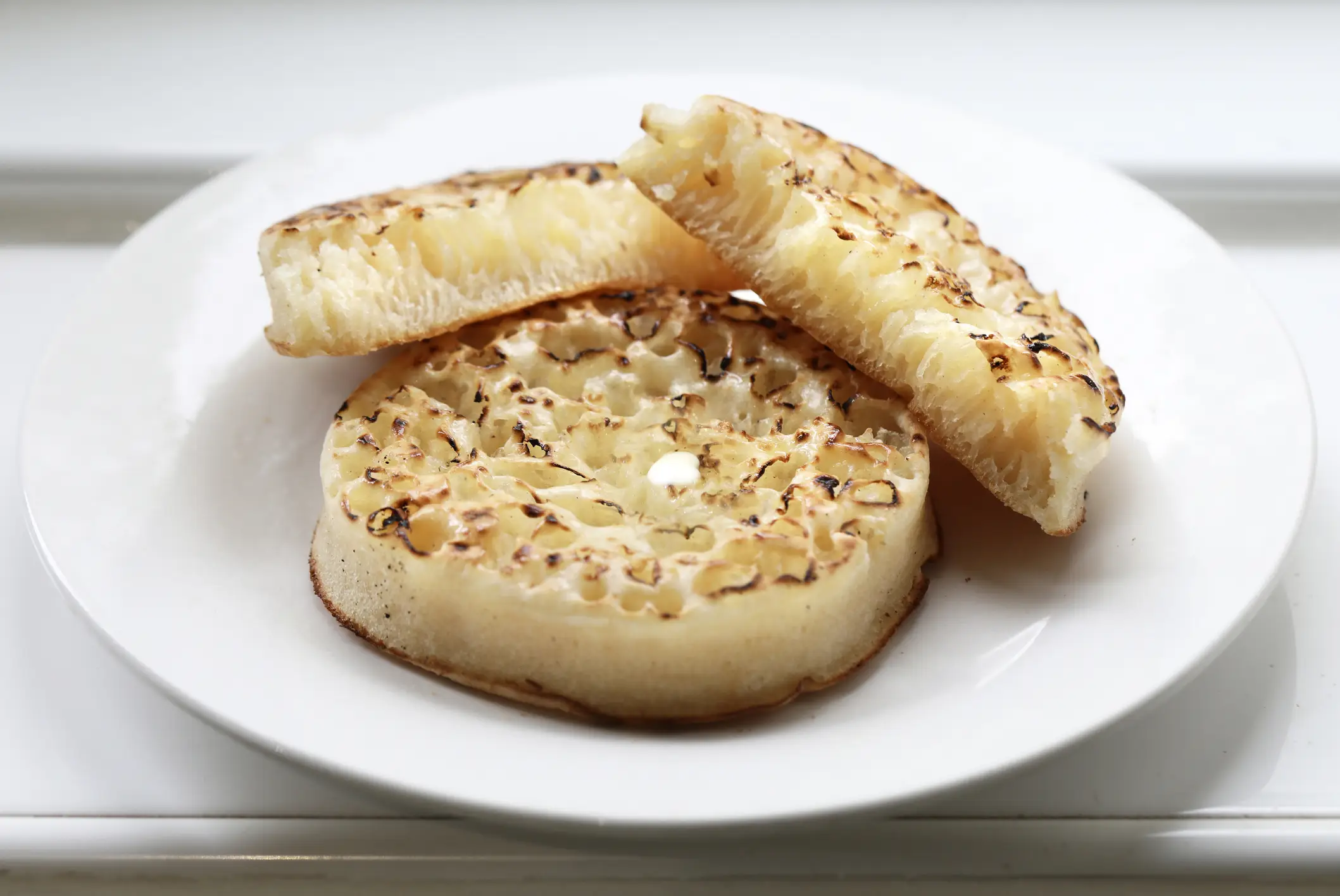
Crumpets
Sure, they're delicious when smothered in butter, but the super long shelf-life of English crumpets actually mean they're doing more harm than good.
Like other many breads, they're jammed with potassium sorbate which makes them last several months at a time.
If you can't cut them out of your diet for good, however, Flannery simply recommends swapping them out for a sourdough version, which is naturally lower in salt and has no added preservatives.
Supermarket bread
Despite infamously going out of date a matter of days after being opened, supermarket loaves, wraps, baguettes and sandwich thins are made up of sorbates or acetates that supposedly stop them moulding within minutes.
Similarly, it's recommended that carb lovers swap to 'freshly baked bread, sourdough, or products with shorter ingredient lists'.
Topics: Food and Drink, Health, Cancer, Life, Real Life, True Life, Bowel cancer
 Rhianna Benson