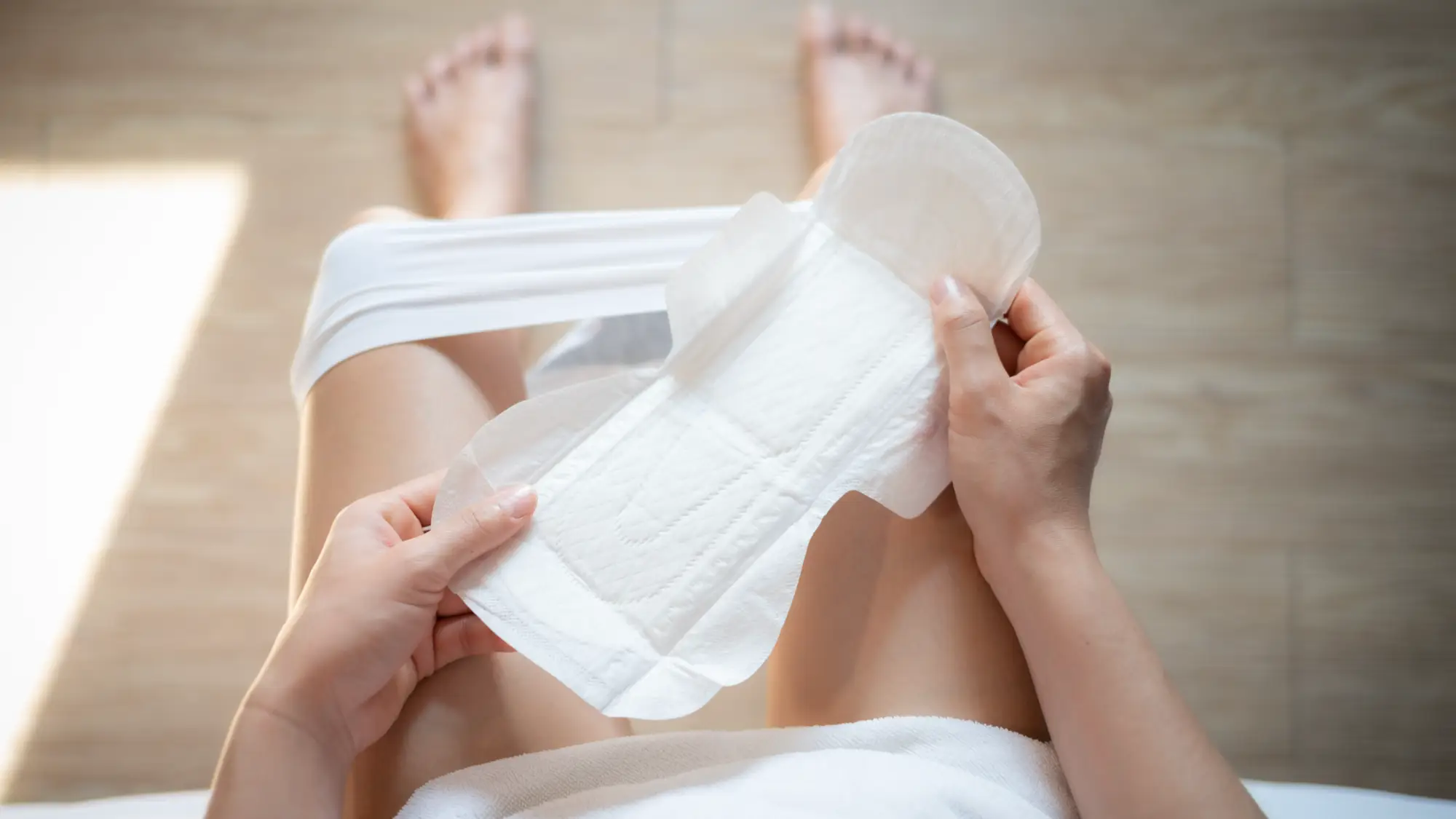
‘Period flu’ is more common than you think - here’s how to spot it

It feels like the list of sh*t of what we deal with when it comes to our monthly cycle is never-ending.
Whether it's annoying skin breakouts, painful stomach cramps, tender breasts, exhausting mood swings, or bloating that just doesn't seem to go away, it's clear that, for many of us, periods are not a fun time indeed.
Now, we already know all about 'period douching', 'period scooping' and 'period sex', but what on earth is 'period flu', and how do you even find out whether you've got it or not?
Well, it's actually way more common than you may think, with OB-GYN Sara Yuen, MD, telling Cleveland Clinic: "Period flu isn’t the flu or an official medical diagnosis. It’s a type of premenstrual syndrome (PMS), which can cause symptoms similar to the flu."
Advert
PMS is reported to affect at least half of women worldwide, according to a 2024 review of research published in Frontiers in Psychiatry.
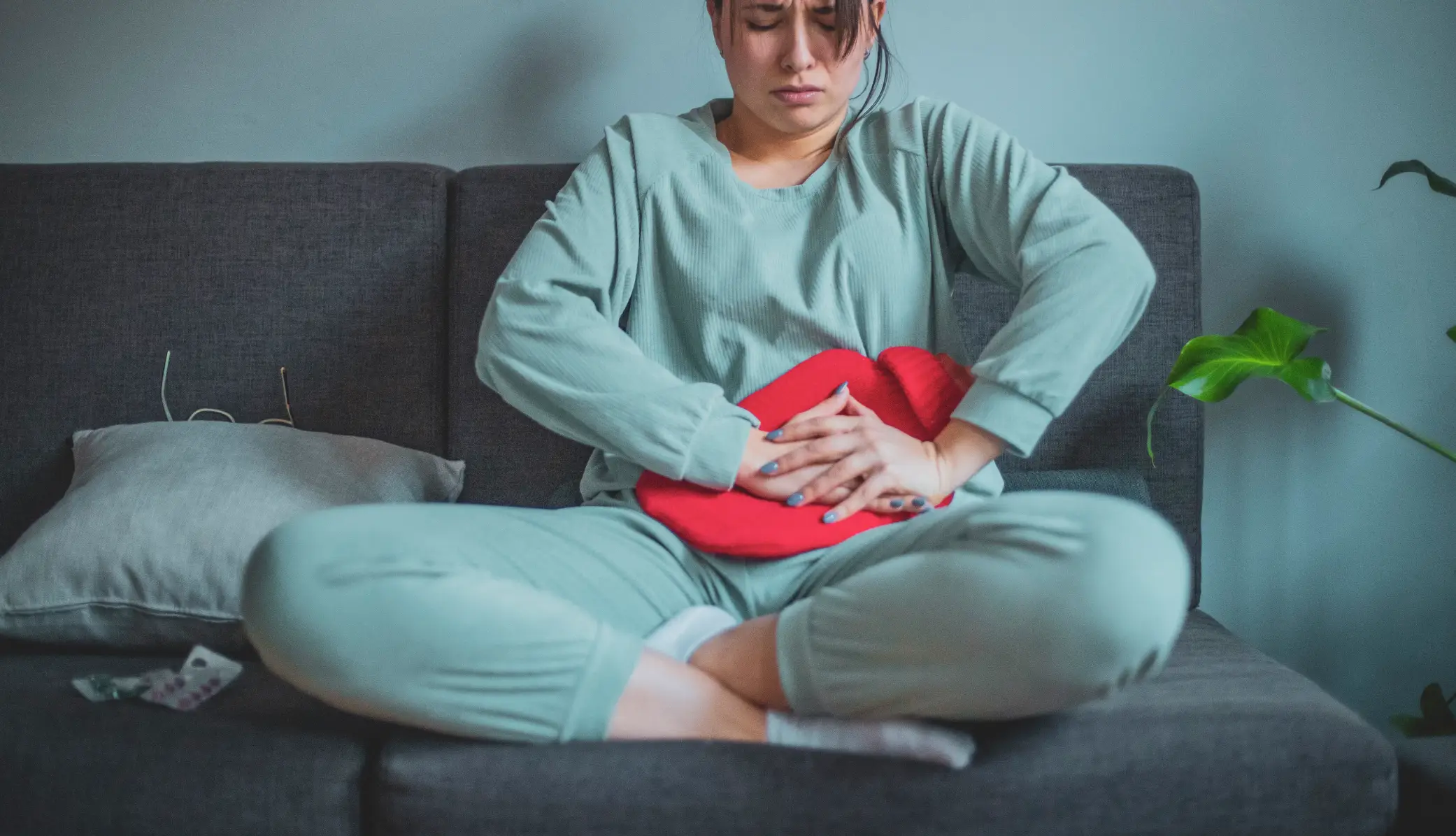
What are the symptoms of 'period flu'?
According to The Healthy, period flu symptoms can show up any time after ovulation - AKA when the ovary releases an egg. They tend to peak in the days before your period, then ease a few days after bleeding starts.
Not to get too science-y, but PMS is largely driven by hormonal shifts during this phase of the cycle.
Now, after ovulation, oestrogen and progesterone levels fall, and as your period begins, the body releases prostaglandins, which help the uterus shed its lining and often trigger cramps. Those same changes can also bring bloating and mood swings.
Meghan McGrattan, MD, OB-GYN, added that hormones are likely behind period flu symptoms, too, and these might include:
- Body aches
- Joint and muscle pain
- Nausea or vomiting
- Digestive disruptions like diarrhoea
- Fatigue or low-energy
- Headaches
- Chills and feeling feverish
"Intuitively, these are all very similar to how we experience a mild flu, hence the term," she said.
It's worth noting that period flu does not cause a true fever; however, Christine Gerber, MD, told the outlet: "The rise in temperature seen in the menstrual cycle is slight.
"If there is a fever - a temperature reading of 100.4 degrees Fahrenheit (38°C) or above - care should be sought with a healthcare professional."
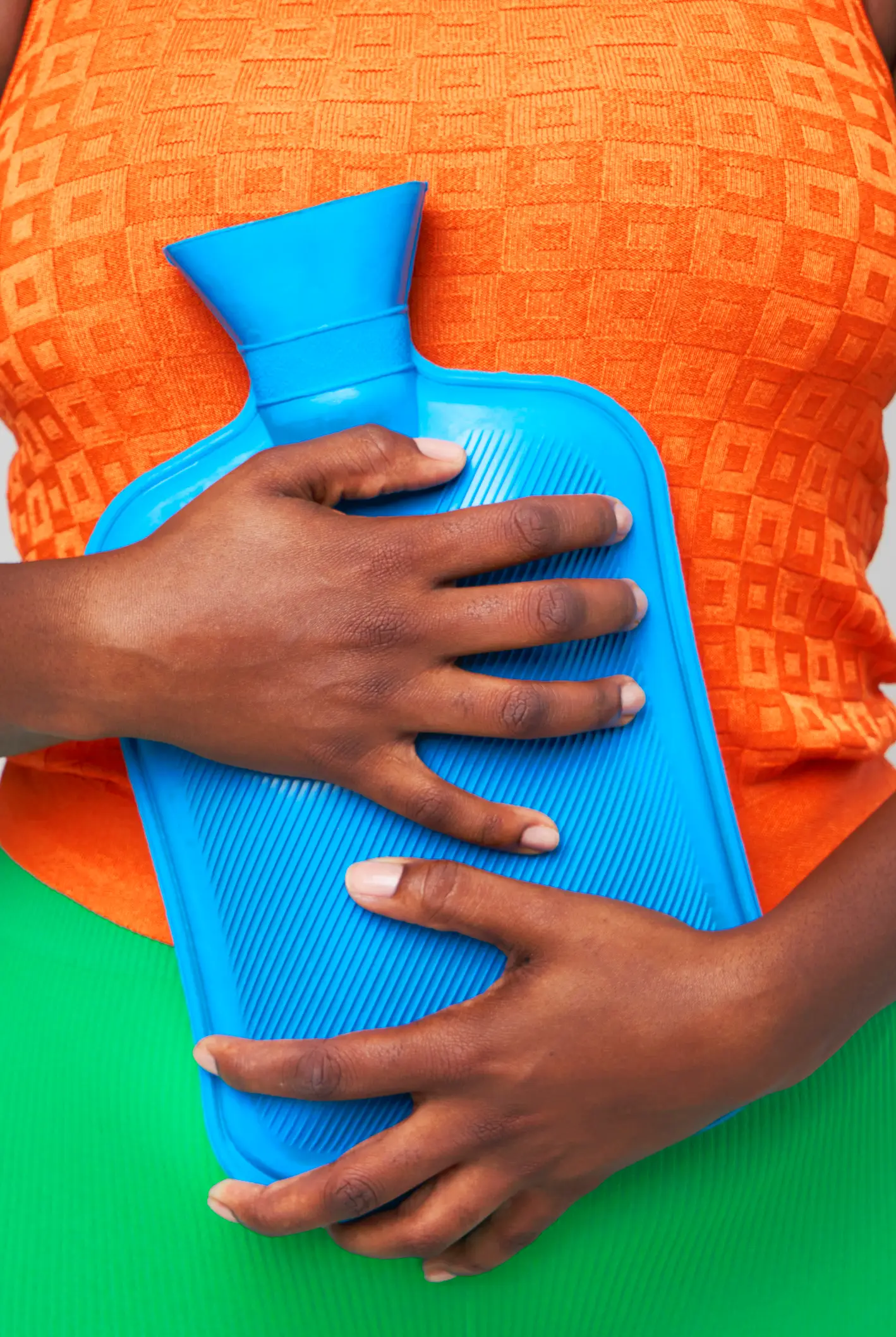 The symptoms experienced by period flu sufferers are most likely due to the hormonal fluctuations of the menstrual cycle (Getty Stock Images)
Why do we get 'period flu'?
Period flu symptoms should not be considered 'normal', Felice Gersh, MD, told The Healthy.
"The menstrual cycle is a vital sign of well-being," she said.
Why some people experience these symptoms, or feel them more intensely, is still unclear, with Dr McGrattan noting that while the 'period flu' may be brief and annoying for some, in others it can signal severe PMS or PMDD (Premenstrual Dysphoric Disorder).
"The symptoms experienced by period flu sufferers are most likely due to the hormonal fluctuations of the menstrual cycle," Dr McGrattan added.
Hormonal shifts can also lower serotonin, with Christy Tabit Evans, MD, explaining: "The decline in estrogen [before menstruation] can lower serotonin."
Because serotonin influences mood, sleep, and digestion, reduced levels may lead to mood changes, sleep disruption, and digestive issues linked to period flu symptoms.
And, lastly, lifestyle factors can intensify these effects, with Dr Gersh explaining that poor sleep, unmanaged stress, smoking, heavy alcohol use, nutrient deficiencies, and low physical activity can disrupt hormones and increase inflammation, making PMS or period flu symptoms more severe.
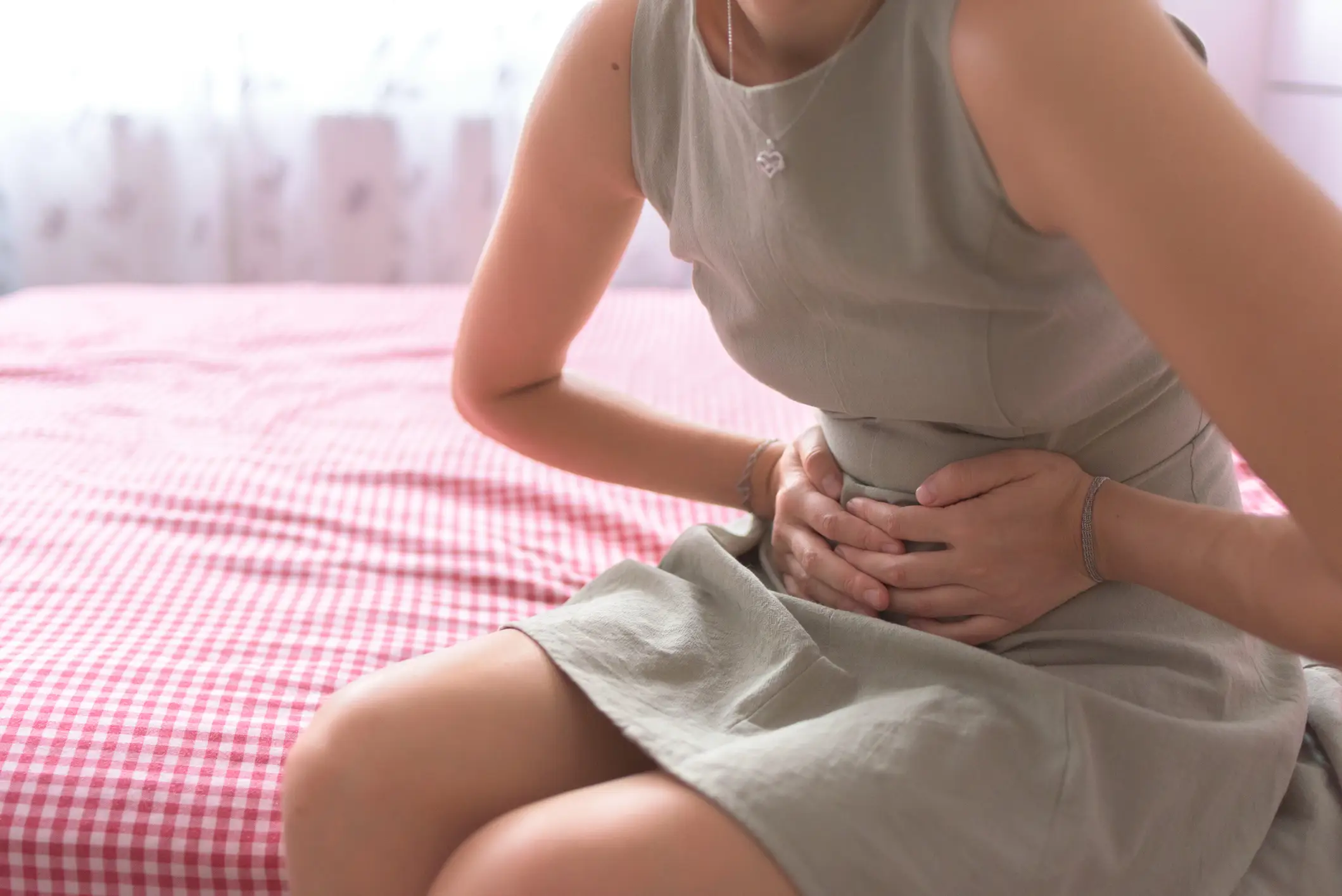
How to deal with 'period flu'?
There are several ways to ease flu-like symptoms before your period.
"Certain medications can help," Dr Yuen told Cleveland Clinic. "Adopting healthy lifestyle habits can also make a big difference."
These include:
- having a healthy diet
- getting more calcium
- trying nonsteroidal anti-inflammatory drugs (NSAIDs)
- using a warm compress
- talking with a health provider about hormonal birth control
- exercising regularly
- stopping smoking
- getting enough sleep
- reducing stress
You can find out more about PMS on the official NHS website here.
Topics: Advice, Explained, Health, Life, PMDD, Periods, Women's Health
 Rhiannon Ingle