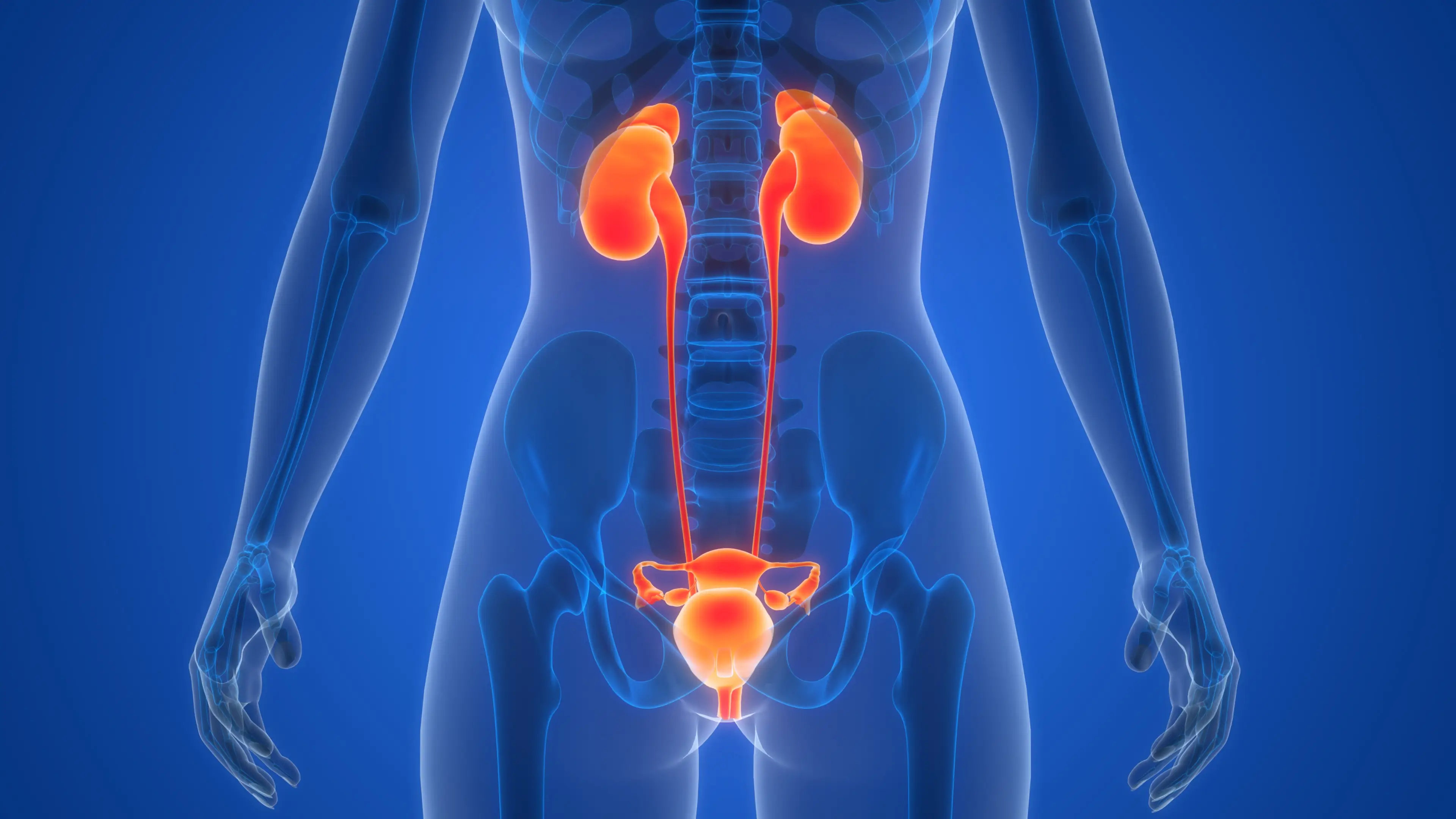
The silence around vulval cancer symptoms is what makes disease so deadly

As far as knowledge of specific cancer strains and their symptoms goes, vulval cancer nears the bottom of the list.
Maybe that's because it only has the propensity to affect half of the world's population? Or maybe it's because it affects a conventionally 'intimate' and hugely hyper-sexualised part of the body - an organ linked to pleasure, and definitely not prognoses?
Sure, girls are taught in school to check their breasts regularly for lumps, inversions and changes in nipple size as they get older, but when it comes to potential issues with their nether-regions - tumbleweed.
We also have no screening programme currently in place for vulval cancer, given how 'rare' it's considered - despite resulting in the deaths of over 500 women in the UK per year, per Cancer Research UK.
Advert
A combination of social, cultural and anatomical factors likely lead to feelings of embarrassment when it comes to this particular strain.
After all, an usually itchy vagina, or a labia exhibiting peculiar or painful growths are hardly topics that a lot of women will willingly bring up over drinks with their girlfriends - never mind a partner.
Widespread social silence on this matter may also stem from years of disappointment from doctors over women-specific issues.
Not to call out the NHS, which does amazing things for the health of the nation, but one simply can't deny the existence of a systemic gender bias, or ceaseless dismissals or misdiagnoses when it comes to receiving help over a 'woman's issue'.
Many healthcare models are historically centred on male physiology, which it great for the boys, but it often leaves women with unique, untreated, or misunderstood conditions.
And when it comes to cancer, mistakes when it comes to diagnosis and treatment could prove the difference between life and death.
But what can the average woman do to tackle these issues?
Well, we can start with shouting the earliest symptoms of vulval cancer from the rooftops, sounding the alarm when it comes to the most common misdiagnoses of this strain, and encourage fellow chicas to kick off open, bare-all conversations on intimate health.
What is vulval cancer?
This strain affects any area around the opening of the vagina, whether it be the inner or outer lips (otherwise known as the labia), or the clitoris.
It usually affects women over 65, but can unfortunately kick in at any age and alarmingly, experts believe it's on the rise in younger people - with the Eve Appeal reporting more diagnosis' amongst young women.
In many cases, vulval cancer is linked to certain types of human papillomavirus (HPV), or other intimate skin conditions like lichen sclerosus (LS).
What are its symptoms?
When it comes to the earliest signs of vulval cancer, most cases start with a lump growing in one of the areas already mentioned. This could appear like a open sore (and could be red and inflamed), like a wart or ulcer, like a new mole, or in raised patches of white or dark.

Women might also experience bleeding from your vulva, or blood-stained vaginal discharge that is in no way related to their period.
Vulval cancer can also cause itching that never seems to relieve, or a general discomfort in this area, and can inflict pain whilst urinating.
How is it treated?
If picked up on early enough, vulval cancer is usually treated with a local excision, which describes the manual removal of cancerous cells, along with a margin of normal cells around it.
It diagnosed at a later stage, this could mean that surgery to remove part or all of the labia minora, labia majora and clitoris is recommended.
The brutality of this procedure proves why it's particularly important to break down taboos when it comes to vulval cancer, so that women feel freer to discuss any vaginal abnormalities without fear of being judged.
So let's get talking.
If you’ve been affected by any of these issues and want to speak to someone in confidence, contact Macmillan’s Cancer Support Line on 0808 808 00 00, 8am–8pm seven days a week.
Topics: Health, Life, Real Life, True Life, Cancer, Women's Health
 Rhianna Benson