
Colon cancer is now the deadliest cancer for people under 50 - Gen Z need to know the signs

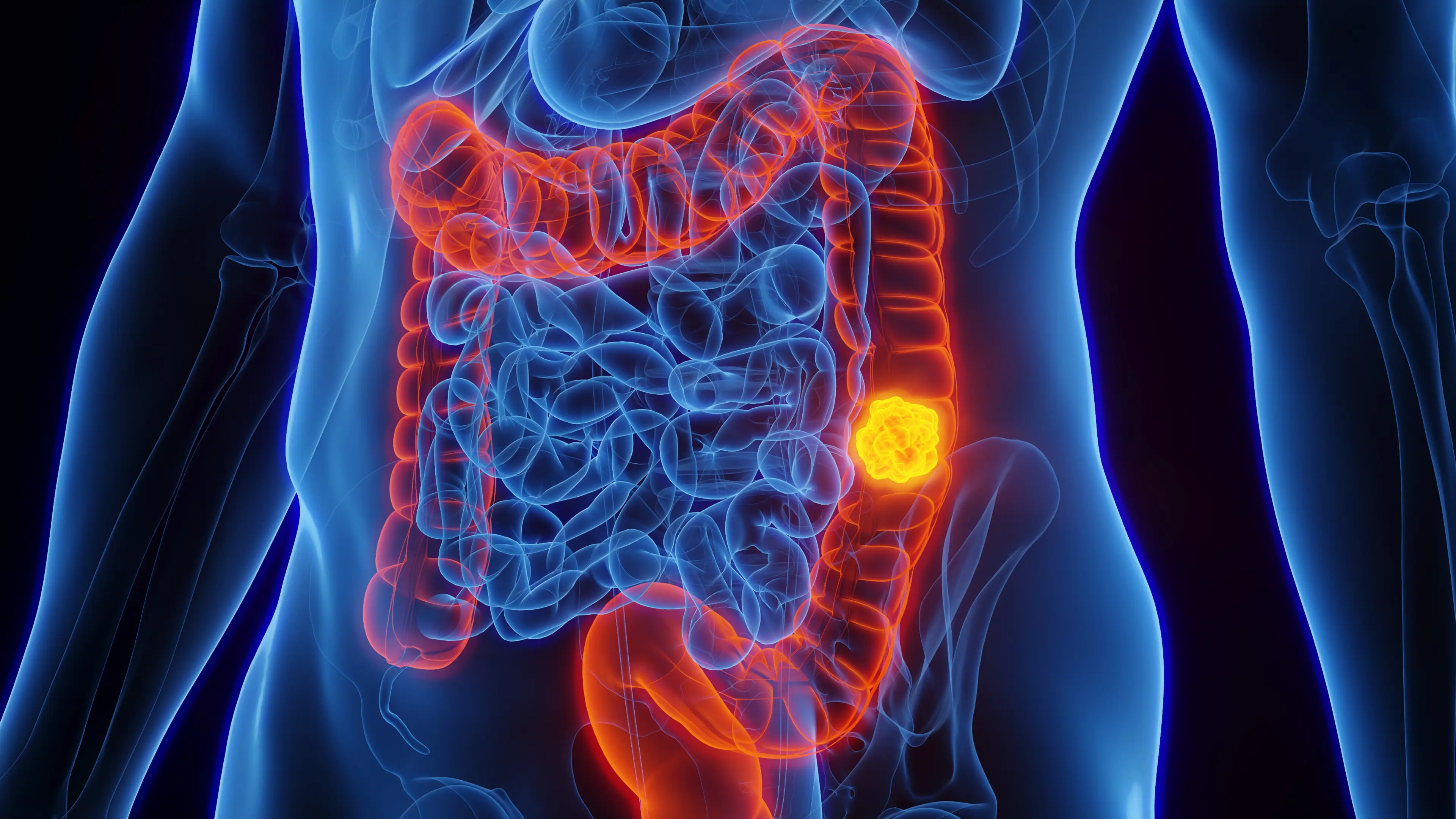
New data has revealed that colorectal cancer is now the number one cause of cancer-related death in the US for men and women under 50 years of age.
The study, which was published yesterday (22 January) by the American Cancer Society, found that deaths from colon and rectal cancers in this age group have risen by 1.1% annually since 2005.
Because of the surge, colorectal cancer has gone from being the fifth most common cause of cancer deaths among people younger than 50 in the early 1990s to now becoming the top cause, as of 2023.
It also comes as the overall cancer mortality rate in under 50s, for example breast, lung, brain cancers and leukemia, is declining, which raises the question of why colon cancer is increasing.
Advert
Rebecca Siegel, MPH, senior scientific director, surveillance research at the ACS and lead author of the report, said: "The steady rise in colorectal deaths under 50 is even more alarming compared to the dramatic declines for lung and breast, even as breast cancer incidence is climbing.
"While we await answers for why colorectal cancer rates are up, lives can be saved now through symptom awareness and destigmatization, and more screening uptake, as three in four people under 50 are diagnosed with advanced disease."
What did the study show?
For the study, scientists analysed trends in the annual numbers of cancer deaths and age-standardised rates per 100,000 men and women aged 0-49 years for the top 5 cancer-related deaths during 1990-2023 in the US.
They used data from the National Center for Health Statistics as provided by the Surveillance, Epidemiology, and End Results (SEER) program at the National Cancer Institute.
As we say, scientists found that four of the five leading causes of cancer death decreased, with colon cancer being the odd one out.
Dr. Ahmedin Jemal, another senior author of the study, said: "We weren’t expecting colorectal cancer to rise to this level so quickly, but now it is clear that this can no longer be called an old person’s disease. We must double down on research to pinpoint what is driving this tsunami of cancer in generations born since 1950.
"In the meantime, people 45-49 years make up fifty percent of diagnoses under 50, so increased screening uptake will prevent disease as well as death."
He added: "We don’t know why it is increasing. Mortality for the other major causes of cancer deaths in young adults under 50 is declining. It is only colorectal cancer mortality that is increasing, but we really don’t know fully what contributes to this rising burden."
What are the signs of colon cancer?
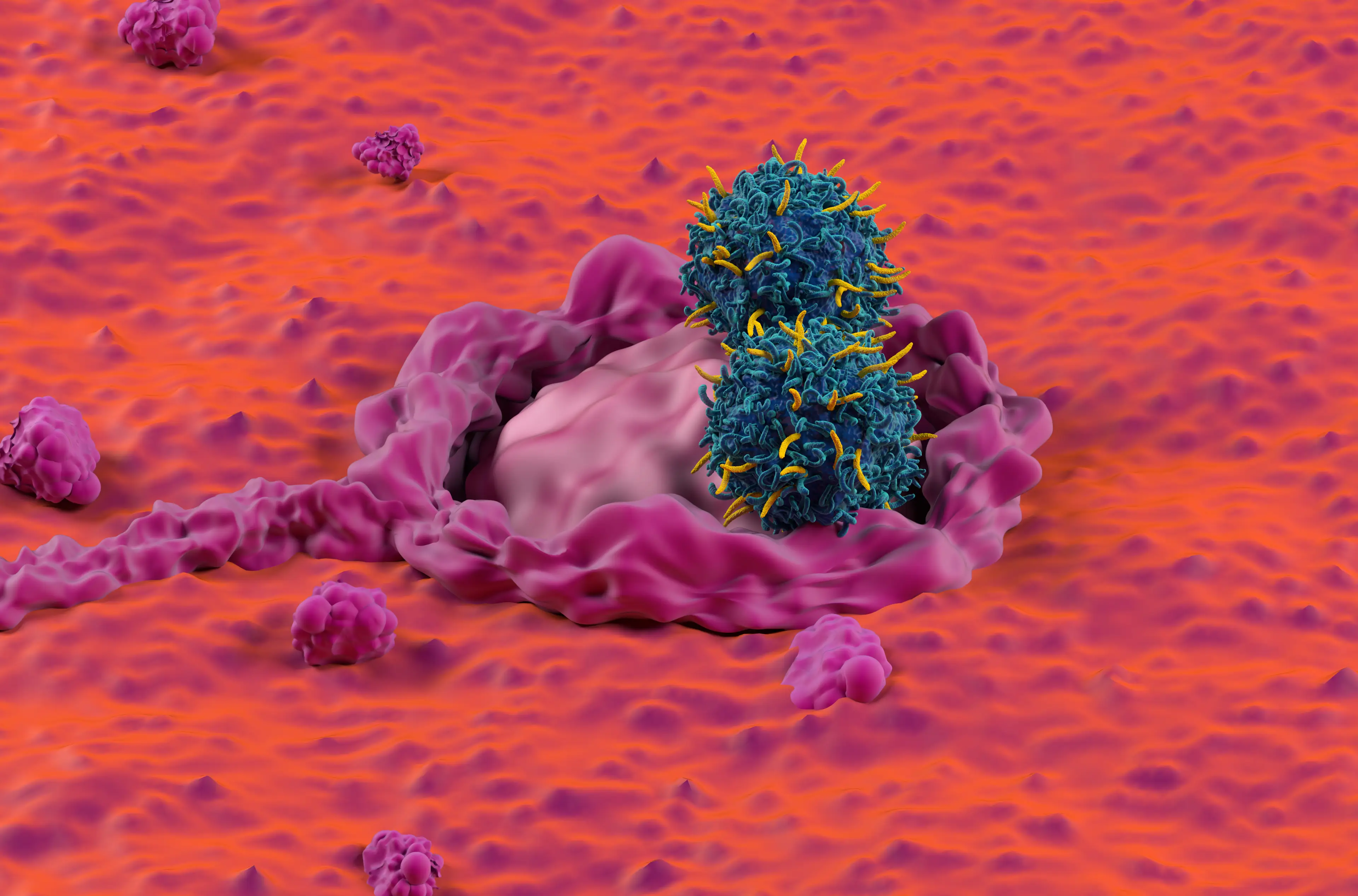
So, with colon cancer surging among Gen Z, it's important to know the early signs to look out for.
As per Mayo Clinic, many people with colon cancer don't have symptoms at first and when they do appear, they'll likely depend on the cancer's size and where it is in the large intestine.
Symptoms of colon cancer can include:
- A change in bowel habits, such as more frequent diarrhoea or constipation
- Rectal bleeding or blood in the stool
- Ongoing discomfort in the belly area, such as cramps, gas or pain
- A feeling that the bowel doesn't empty all the way during a bowel movement
- Weakness or tiredness
- Losing weight without trying
If you notice lasting symptoms that concern you, make an appointment with your GP to rule it out - 54 per cent of cases are preventable.
If you’ve been affected by any of these issues and want to speak to someone in confidence, contact Macmillan’s Cancer Support Line on 0808 808 00 00, 8am–8pm seven days a week.
Topics: Cancer, Health, Gen Z, Bowel cancer
 Madison Burgess