
Everything ultra processed food does to your body as scientists issue warnings

A scientific study last year revealed that, worryingly, ultra-processed foods are linked to harm in every major human organ.
For those unfamiliar with the term, ultra-processed foods (UPFs) are highly processed foods that undergo multiple processing steps and often contain additives.
Examples include processed meats, crisps, ice cream, mass-produced bread, some breakfast cereals, biscuits, many ready meals and fizzy drinks. UFPs also often contain high levels of saturated fat, salt, and sugar, which experts have warned leave less room in people’s diets for more nutritious foods.
As we say, writing in The Lancet medical journal in November, 43 scientists and researchers joined together to argue that UPFs are 'displacing' fresh foods and meals, worsening diet quality, and are linked to multiple chronic diseases, as well as a potential increased risk of obesity, heart disease, cancer and early death.
Advert
Though scientists have expressed a need for more trials and research to support the findings, the researchers have also acknowledged this (via The Guardian).
So, in light of the concerning new stats, here's everything that UFPs actually do to your body.

Increased risk of fatty liver disease
According to The Times, back in 2023, a study of more than 60,000 people was carried out at the University of Liverpool, which proved that the more UPFs a person consumes, the greater their risk of fatty liver disease.
Non-alcoholic fatty liver disease (NAFLD) is a common condition where fat builds up in your liver, according to the NHS.
Its later stages can cause serious liver damage; lifestyle changes can help prevent this.
Stage four is Cirrhosis, which is the term for severe damage to your liver that will affect how well it works. This can cause serious health problems, including internal bleeding, liver failure, liver cancer, and sepsis.
The publication reports that the use of industrial chemicals in the packaging of ready meals, snacks and other UPFs has been linked with accelerating the progression of fatty liver disease.
Plus, you're more likely to get fatty liver disease if you're overweight, which can happen as a result of having a UPF-heavy diet.
Issues in the gut
Secondly, heavily processed foods can cause a range of issues for your gut health.
Dr Alex Henney, an academic clinical fellow in diabetes and endocrinology at the University of Liverpool, told The Times: “Because the food matrix has been destroyed, this disrupts gut microbiome signalling.
"It’s exacerbated by the fact that many UPFs are heavily filled with fats and refined carbohydrates, compared to proteins and healthy fibres."
In simpler terms, because a lot of UPFs lack dietary fibre, which is essential for healthy digestion and maintaining a diverse gut microbiome, the gut doesn't get the signals it needs, leading us to overeat.
Meanwhile, other studies have shown that UPFs have become associated with an increased risk of Crohn’s disease and other inflammatory bowel diseases.
Scientists are also looking into whether this diet could whether UPFs could be behind the alarming rise of bowel cancers in the under 50s.
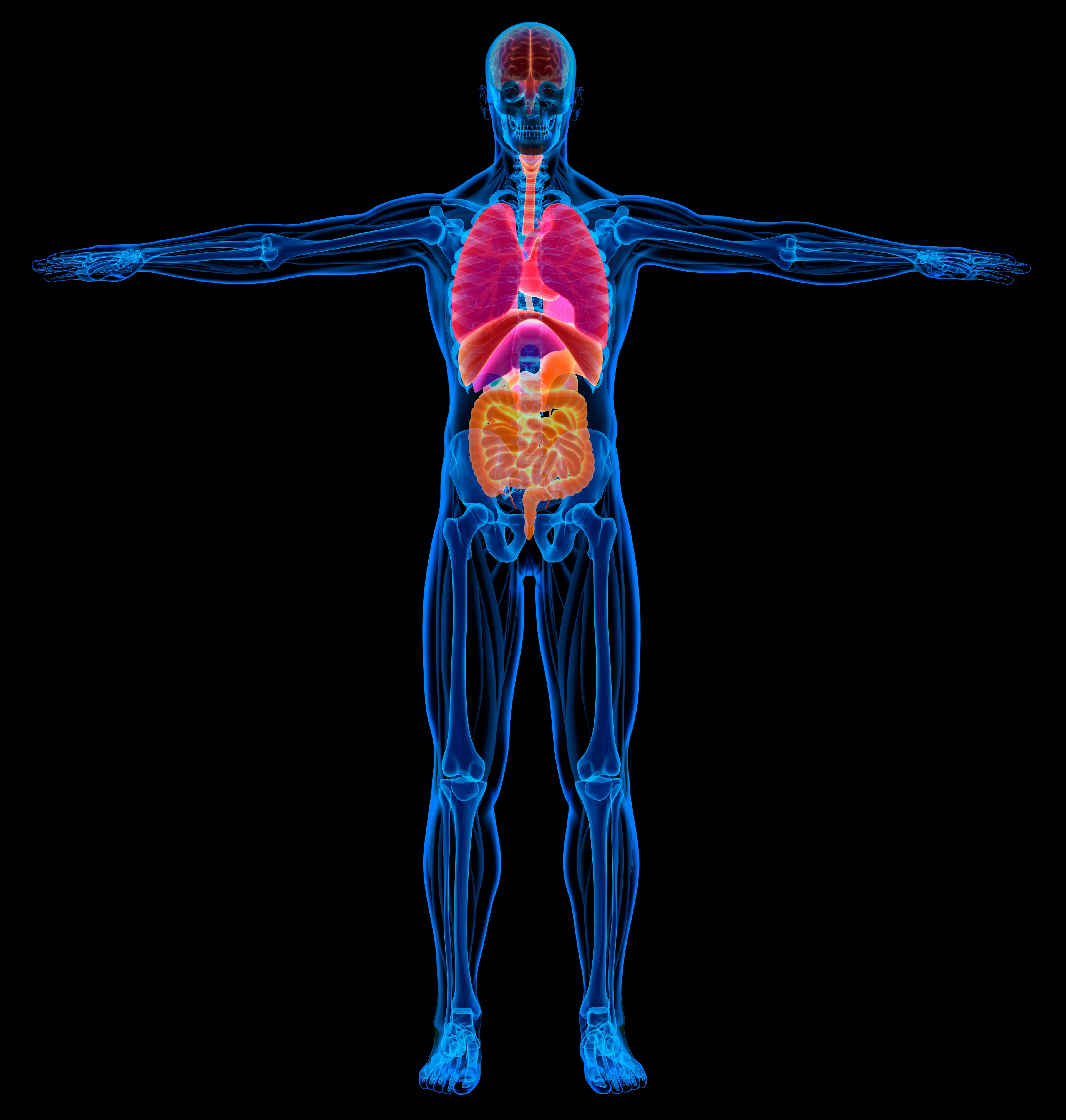
 UPFs can affect your liver, gut and heart health (Getty Stock Image)
Increased risk of cardiovascular diseases
If you consume a lot of UPFs for a long period of time, it can also increase your risk of cardiovascular diseases such as strokes and heart disease.
One recent American study revealed how some UPFs, notably sugary drinks and processed meats, seem to be worse for the heart than others. However, some foods in this group, such as packaged bread, breakfast cereals, savoury snacks, and yoghurt or dairy-based desserts, were not as strongly linked.
Josiemer Mattei, an Associate Professor of Nutrition at the Harvard T.H. Chan School of Public Health, told the publication: “Not all UPFs increase cardiovascular disease. Some may be neutral or even protective because they have other important nutrients that counterbalance the negative effects."
Impacts on your brain and mood
Surprisingly, ultra-processed foods can even affect your brain and how you feel.
The Times reports that eating too many ready meals and sweets has actually been found to make your mental health worse, making you more likely to feel depressed and anxious.
One French study of over 26,000 people, who were assessed at baseline and then followed up around five years later, found a significant association between UPF consumption and depression risk.
And according to Alzheimer's Research UK, researchers in China found a link between a diet containing ultra-processed foods and an increased risk of developing dementia.
Topics: Health, Food and Drink, UK News, News, US News, Life, Science
 Madison Burgess