Why some people are getting botox 'down there' - and how it actually works

We've all heard of people getting Botox in their forehead, nose, chin, eyebrows, lips, and pretty much anywhere you can think of on the face - but some women are also getting it, ahem, down there.
As per the BBC, Botox, which is a brand name for the botulinum neurotoxin, is the most common cosmetic procedure performed worldwide, with nearly three million injections estimated to take place each year.
It's originally derived from a potent neurotoxin produced by bacteria, and it works by blocking signals from the nerves that control the facial muscles.
Essentially, the muscles relax to help your fine lines and wrinkles disappear, with only minor side effects like swelling and bruising in most cases - although it's really important to note that counterfeit or mishandled Botox can cause harmful reactions, so make sure the person administering it is fully qualified.
Advert
While the majority of people turn to Botox for cosmetic reasons, as we say, women are now turning to intimate Botox in the name of health.
It can help ease vaginal pain, spasms and other uncomfortable symptoms that linger after childbirth, as well as other women's health conditions like vaginismus and pelvic floor dysfunction.
Vaginismus is when the muscles around your vagina tense or contract uncontrollably in response to something trying to go in it, and it can also be triggered by childbirth.
Dr Sameea Chughtai, a board-certified physician, told the New York Post: “It’s crucial for women to understand that they don’t have to simply endure these discomforts as an unavoidable consequence of childbirth.
"Modern medical advancements offer solutions that can significantly alleviate these issues, allowing women to regain their sense of well-being and confidence."
As if women don't already go through enough, the expert explained that childbirth can cause muscular damage 'due to trauma and severe stretching of the pelvic floor muscles'.
She explained that when these muscles are disrupted, 'later on women can experience tension, spasms or pain in the pelvic area'.
This is where Botox can come in to help improve a woman's overall quality of life if she's suffering from any of these issues.
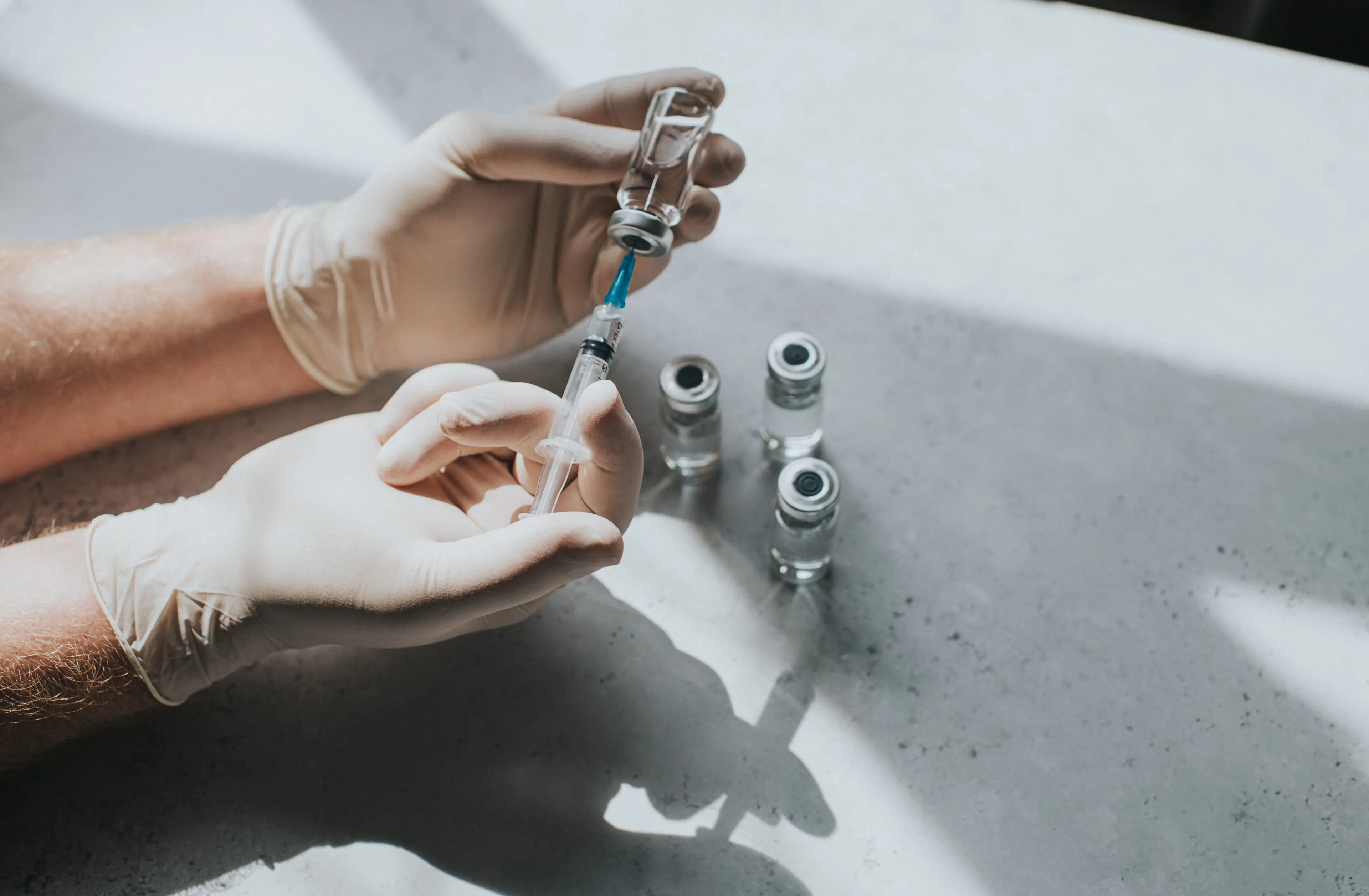
Patients wanting to go ahead with this kind of procedure would first have a numbing cream or mild anaesthetic applied before the Botox would then be injected into the pelvic floor muscles.
For vaginismus, Botox would instead likely be used with vaginal wands, where, as per the NYP, a thin tube with a camera gets inserted into the bladder so doctors can inject it directly into the bladder wall to stop spasms.
The effects usually last four to six months, and women return for top-ups if it works well for them.
As we say, though, like cosmetic Botox, it's not going to be for everyone, and if it's not for yo,u then that's completely fine - you still have an array of other options.
Pelvic floor physical therapy and vaginal dilators are other things to look into if you're experiencing muscle tightness and pain down there and if you're not a big fan of needles.
Topics: Women's Health, Health, Life, Parenting, Pregnancy
 Madison Burgess