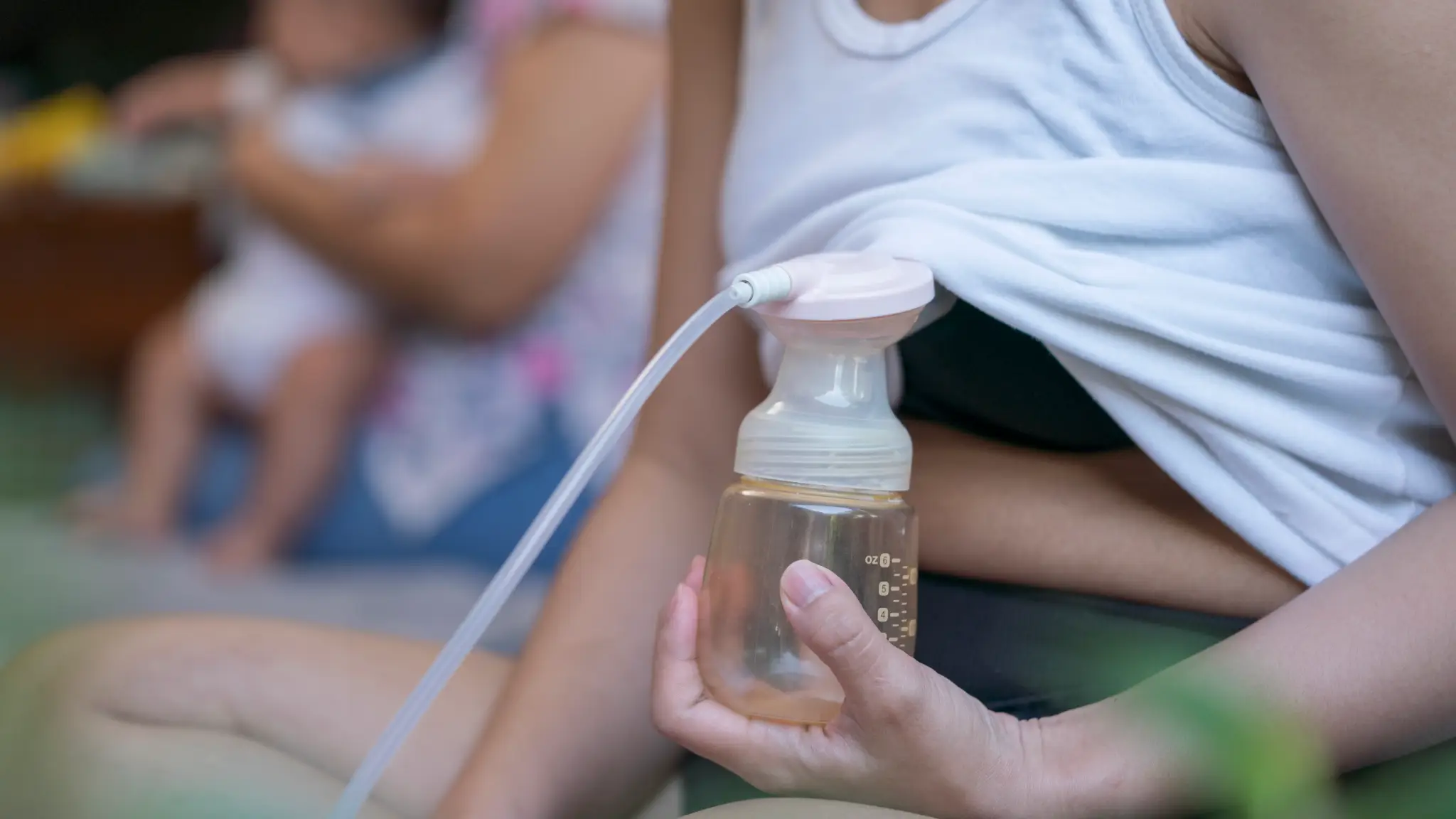
Why you shouldn’t let your partner try your breast milk

Women's bodies are pretty amazing when you think about it.
Not only are we able to create an entire human and proceed to give birth to it, but we also naturally produce their food for months and sometimes even years after delivery.
Now, given how important breast milk, or an alternative, is for a newborn, many partners may also be curious to give it a go.
But you may want to think twice before letting your partner try out 'human juice' as experts have outlined a whole bunch of health and safety risks attached to it.
Advert
Experts over at GetLabTest.com explain that adult consumption of breast milk is 'a complex topic that requires careful consideration of both scientific evidence and safety concerns'.
"While breast milk contains beneficial compounds, its effects on adults differ significantly from its primary purpose of nourishing infants," they add.

The main risk when it comes to the adult consumption of breast milk is infection.
These include:
- Bacterial contamination
- Viral transmission (including HIV, hepatitis)
- Food-borne illness
- Exposure to medications or substances in the milk
"While breast milk isn't inherently toxic to adults, it carries potential risks including bacterial contamination and viral transmission," the experts warn.
"There's no medical necessity for adult men to consume breast milk, and safety cannot be guaranteed without proper screening and handling."

While breast milk does contain beneficial components, it's important to understand that these benefits are primarily designed for infant development:
- Antibodies and immune factors
- Essential nutrients
- Growth factors
- Digestive enzymes
However, research on adult consumption is limited, and many claimed benefits lack scientific validation and are inconclusive.
The adult digestive system processes these components differently from an infant's system.
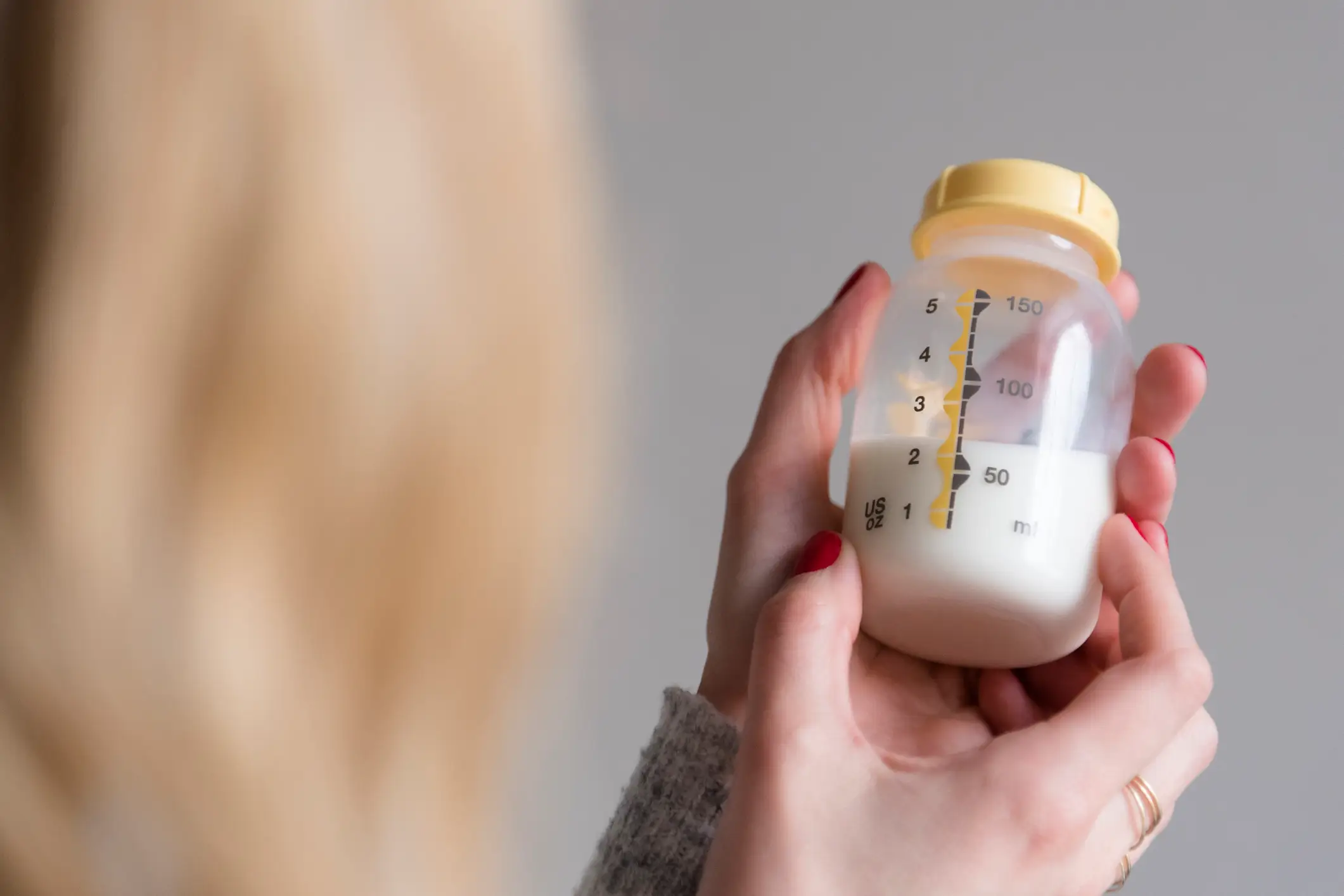
Amie Alexander, a registered dietitian at nutritional supplement company Nutri Peak, explained to the Independent that breast milk is a 'powerhouse of nutrition' for infants
"In breast milk, babies get much-needed nutrients, antibodies, and growth factors that are perfectly suited for them to grow and develop," she noted, before pointing out.
“But when it comes to adults, those nutritional benefits are minutely minimal.”
Alexander added: "Apart from the fact that there is no proof regarding its nutritional value, there are also possible health risks like infectious diseases.
"Breast milk is a body fluid and hence is always prone to having bacteria or viruses; without proper screening, it could be contaminated and hence is not fit for consumption."
Topics: Advice, Health, Life, Explained, Women's Health, Pregnancy, Parenting
 Rhiannon Ingle