Why everyone is getting pregnant in December as unexpected biological benefit revealed

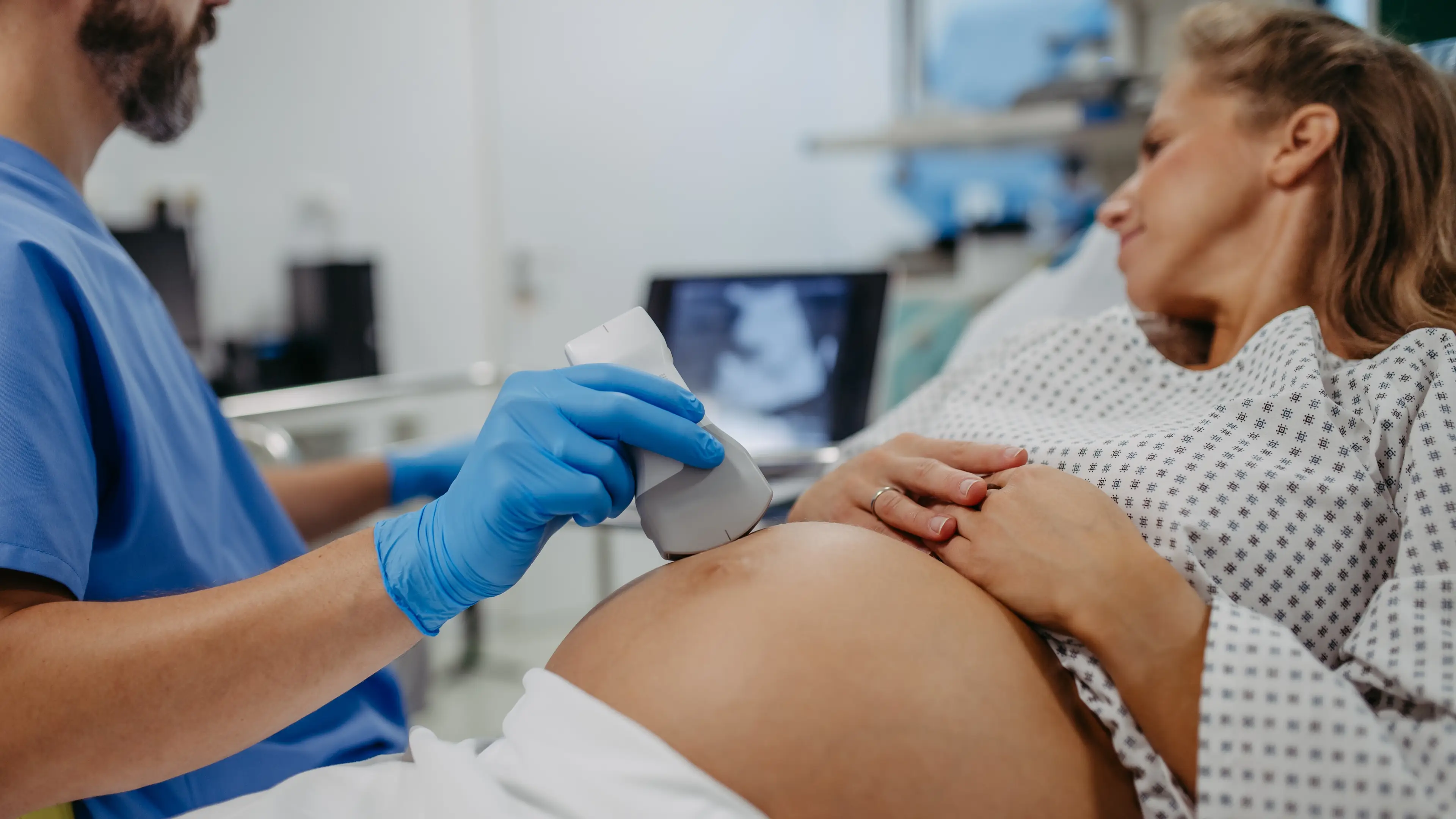
Did you notice a flurry of pregnancy announcements on your Instagram feed just after the festive period last year?
No, it's not just you - it turns out that people are actually more likely to conceive in December than any other time of the year, as reported by Cosmopolitan.
I mean think about it, how many friends and family members do you have with their birthday in September - it's a lot, right?
That's because they were all Christmas conceptions - apologies if you're a September baby and just now realising that your parents were inspired by the festive magic and ahem, got it on.
Advert
For some couples, this may simply be down to a lot of time spent indoors, time off work and not much else to do because of the cold weather.
However, aside from an increase in sex, there is also actually a biological reason behind the phenomenon too.
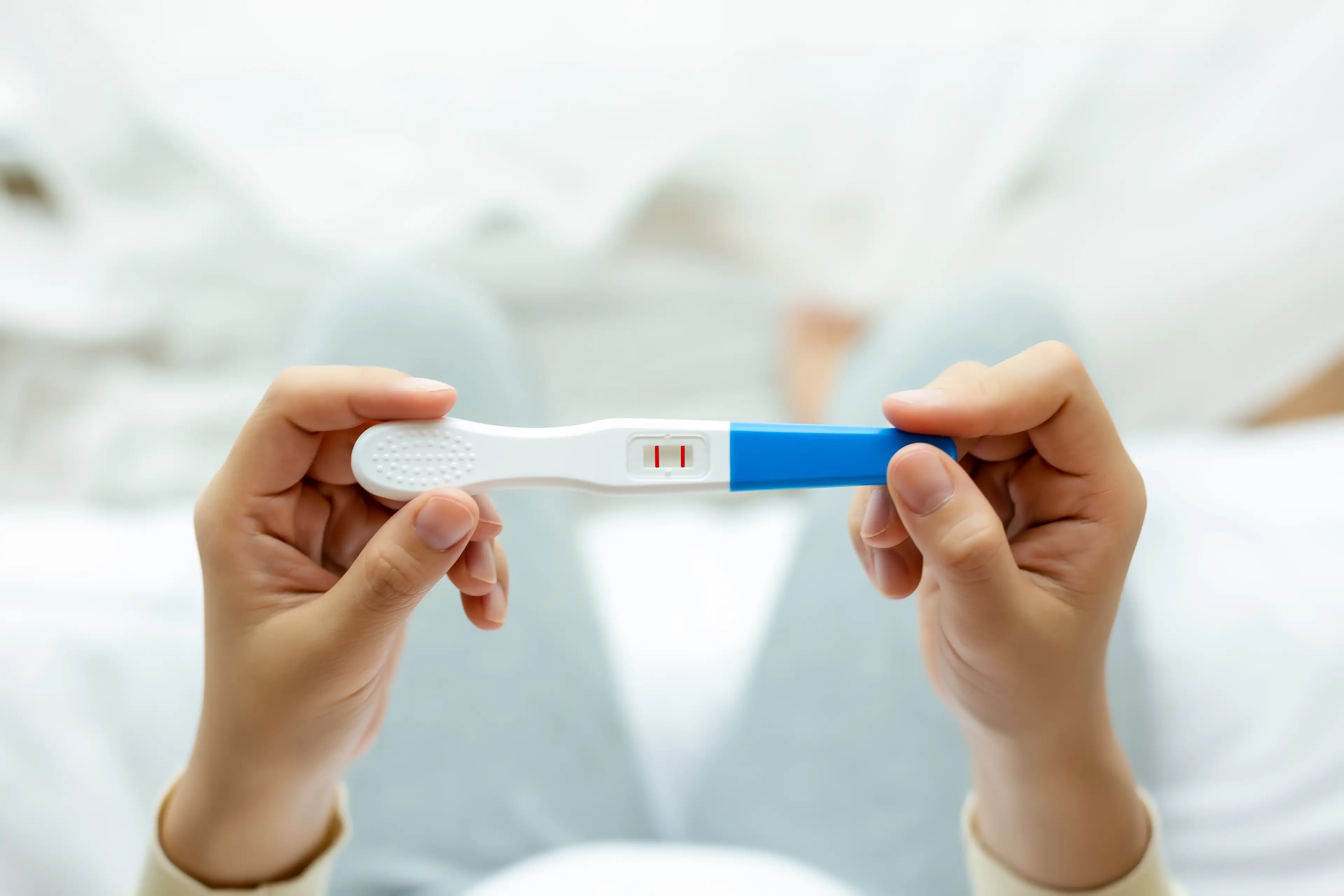
A scientific study published in the Obstetrics and Gynaecology journal revealed exactly why you're more likely to conceive in winter.
Essentially, while of course everyone is different, experts found that the quality of sperm men produce in winter time is generally better compared to the summer months.
On top of this, the study also outlines that a woman's ovum receptivity is also better in winter due to the changes in daylight length.
So these two factors combined can increase the chances of the sperm fertilising an egg, and boom: pregnancy.
Backing this up, another 2020 study, which looked at over 14,000 women across North America and Denmark, found that the probability of conceiving per cycle rises in late fall and early winter.
A different analysis of more than 100,000 semen samples found that sperm quality decreases in summer and improves during cooler periods, aka winter.
According to the Women's Health and Menopause Center, testosterone levels are also at their highest during the fall and winter months.
This in turn leads to a rising libido, and a stronger sex drive combined with more testosterone means higher fertility and a better chance at conceiving.

But as we touched on, science isn't the only reason behind the spike.
According to Glamour, women have a natural instinct to hibernate during the darkest and coldest months of the year.
So for some, it's even planned so maternity leave can be taken at the ideal time, when all we want to do is wrap up warm and stay inside.
For others, the idea of being able to cover up your bump with chunky sweatshirts is another huge positive.
One BabyCentre Community member told the discussion forum's experts: "I got pregnant over Thanksgiving. I loved that the bulky winter clothes allowed me to hide my pregnancy a lot longer than I would have been able to if it were summertime."
The same user added: "I didn't even tell my coworkers until I was six to seven months (around May or June), and they were very surprised."
Topics: Pregnancy, Christmas, Health, Science, Parenting, Women's Health, Life, Real Life, True Life
 Madison Burgess