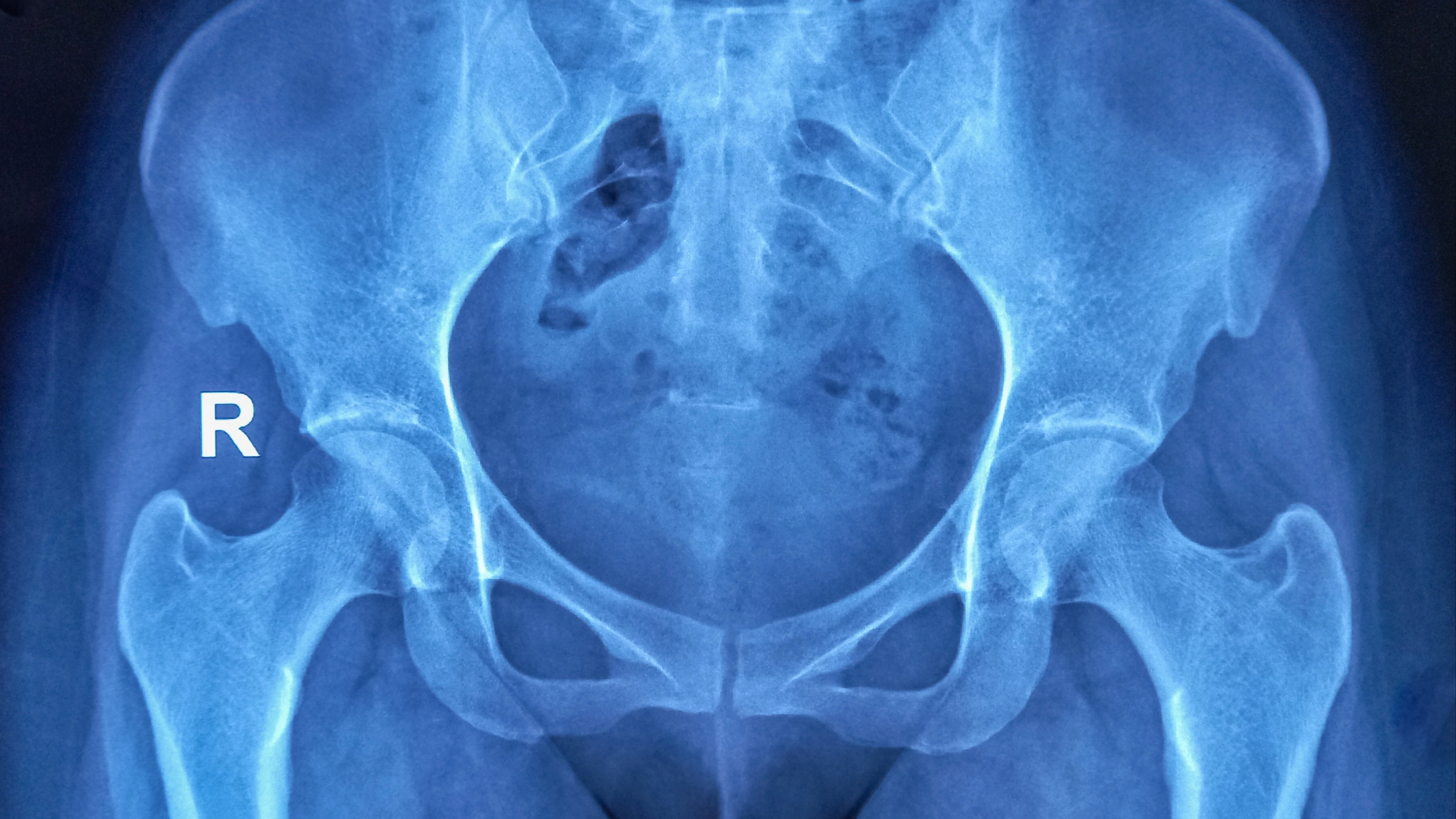
Why you might be getting ‘lightning crotch’ and what to do about it

It's always a good thing to be mindful and check in on any alarming symptoms you notice in your body - especially when it comes to anything that goes on 'down there'.
One of which is known as 'lightning crotch', and it's just as painful as it sounds, with health experts explaining exactly why you may be experiencing the medical condition and exactly what you can do about it.
Cleveland Clinic explains that lightning crotch is a quick, sharp and shooting pain you may feel in your entire pelvic area, rectum or vagina, with some people likening it to a stinging or stabbing jolt of pain. It comes and goes quickly - like a flash of lightning, hence the name.
According to the health experts, it's a 'normal symptom' of pregnancy and 'isn’t usually a cause for concern' - but it affects way more than just women who are expecting.
Advert

"It typically means the fetus is putting pressure on your cervix or the nerves around your cervix. Your cervix is the lowest part of your uterus, which is where a fetus grows during pregnancy," they outline, adding that they feel different from menstrual cramps.
The clinic also notes that, unlike contractions, which happen when your uterus tightens and releases, lightning crotch puts pressure on your cervix and the nerves around it.
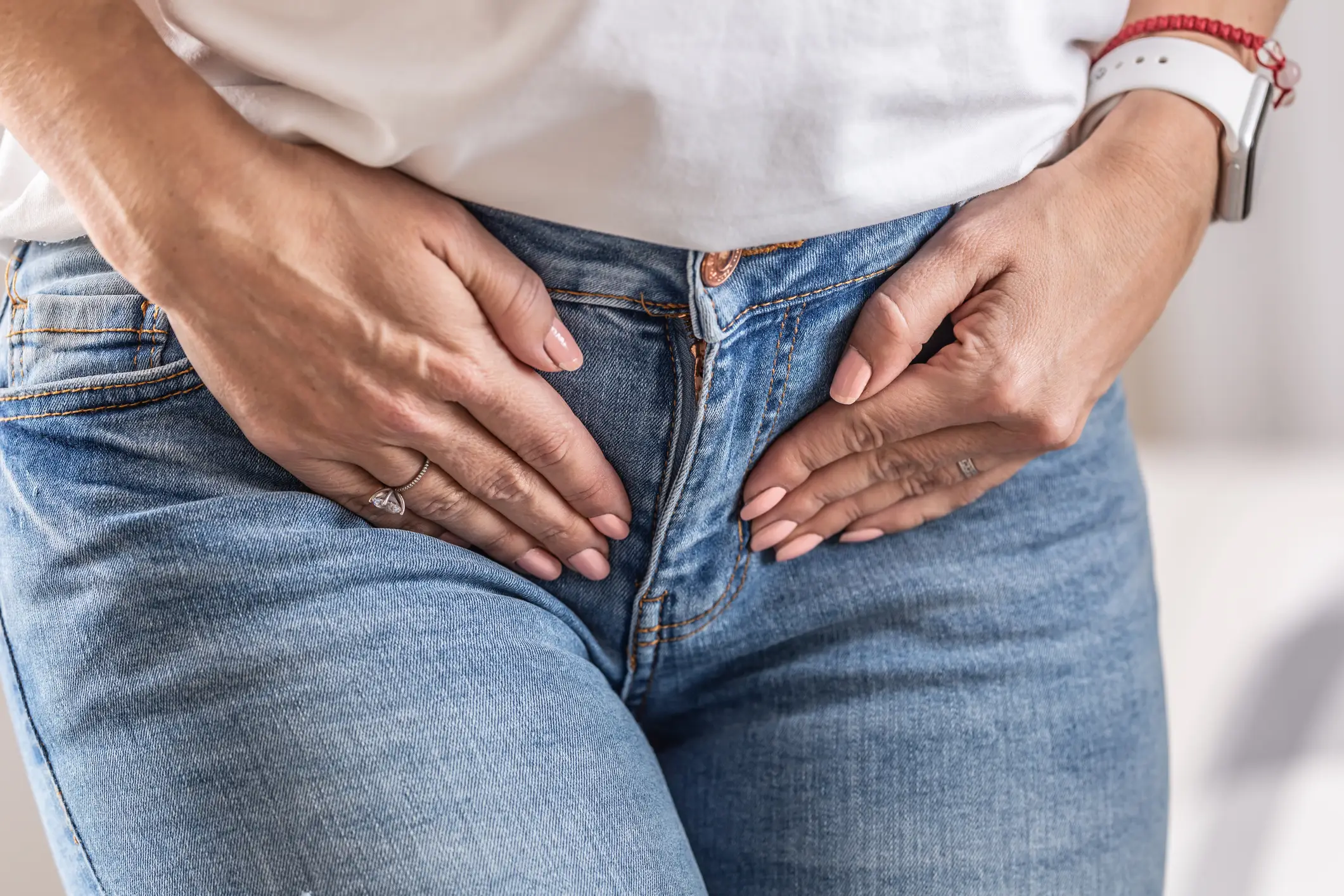
What causes 'lightning crotch'?
Apollo Hospitals notes that there are 'several potential causes' of lightning crotch, especially during pregnancy.
The health experts note:
- Pregnancy can increase pressure on pelvic nerves as the baby grows, which often triggers sharp pelvic jolts in the later months
- Stretching of the round ligaments that support the uterus can spark sudden stinging pains
- A baby pressing on nerves or muscles, including the sciatic nerve or pelvic floor, can set off quick shocks when they shift position
- Pelvic girdle pain can add to these sensations when the pelvis becomes misaligned or works harder to support the bump
- Braxton Hicks contractions sometimes create sharp pelvic twinges that resemble lightning crotch
- After birth, the body’s healing process and shifting ligaments can cause similar brief pains known as postpartum lightning crotch
Cleveland Clinic adds: "Most people experience lightning crotch in their third trimester (weeks 28 to 40 of pregnancy). This is mainly due to the fetus getting bigger and dropping further into your pelvis before delivery."

Does 'lightning crotch' only affect pregnant women?
You don't have to be pregnant to experience the medical issue, as other causes include endometriosis, a ruptured cyst or a bladder infection.
"Lightning crotch doesn’t have a medical definition," Lesley Gilchrist, a registered midwife and co-founder of My Expert Midwife, told Stylist.
According to the outlet, the term is often used interchangeably with symphysis pubis dysfunction (SPD), which is also known as pelvic girdle pain. This causes chronic pain in the hips, lower back and/or abdomen, and Gilchrist notes that it affects around 50 percent of pregnant women.
"Lightning crotch is different," she says, "as it is an unpredictable, acute, short-lasting, stabbing type of pain which subsides in seconds."
Crucially, the outlet outlines, you might experience it even if you’ve never had a baby.
Apollo Hospitals adds: "While less common, lightning crotch can also occur in people who are not pregnant due to conditions like nerve compression, muscle strain, or pelvic floor dysfunction."
What is the treatment for 'lightning crotch'?
Unfortunately, lightning crotch can’t be stopped or cured, but there are some things you can do which may soften the blow.
Cleveland Clinic shared a few small shifts that tend to ease the frequency and the sting, which include:
- Make slower movements. For example, when you get out of bed or out of the car, make your movements deliberate and slow, as quick, jerky movements can lead to more lightning crotch pain
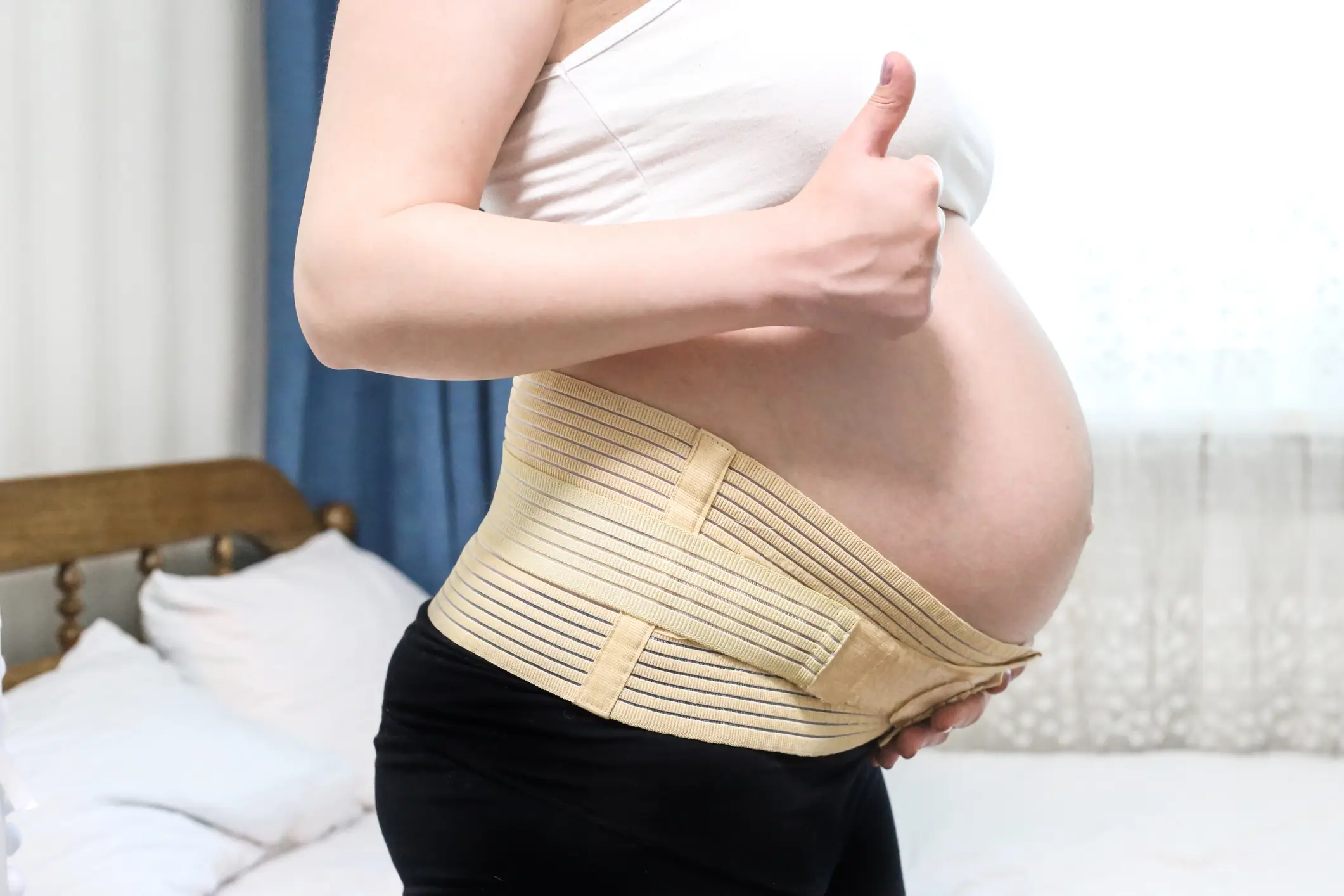
- Wear a belly support band or belt. This may be helpful because it relieves some of the pressure on your pelvis
- Maintain a gentle and regular exercise routine throughout pregnancy. Swimming is a great option
- Take a warm bath or get a prenatal massage to relax your muscles and joints
- Shift positions when you feel lightning crotch pain
The NHS advises people to call their midwife or GP if they have pelvic pain and:
- It's hard for you to move around
- It hurts to get out of a car or turn over in bed
- It's painful going up or down stairs
These can be signs of pregnancy-related pelvic girdle pain (PGP).
You can find out more about PGP on the official NHS website here.
Topics: Life, Health, Explained, Pregnancy, Parenting, Women's Health
 Rhiannon Ingle