Winter could be having a surprising effect on your period, experts warn

It’s that time of the year again - winter has officially begun.
We’re leaving for work in pitch-black darkness, wrapped up in our warmest puffer jackets and scarves, and returning when the sun’s gone down.
Now, we all know that it’s important to take your vitamin D during this time, and that seasonal depression can strike especially hard at this time of year.
However, what a lot of people might not know is that the season can potentially also have an impact on your menstrual cycle, such as your period arriving earlier or later than expected, or a change in symptoms.
Advert
Tyla spoke with women’s health experts, who’ve explained why this might happen, including the lifestyle shifts that can drive the change.
Eve Lepage (MSc, RN), Senior Reproductive Health Advisor at Clue, outlined: "When the clocks go back, and darkness sets in by 4:30pm, many of us expect to feel more tired. But fewer realise that seasonal changes may also have a subtle influence on our menstrual cycles.”
Can winter affect our menstrual cycles?
The expert told Tyla: “Light is one of the main signals that regulates our internal body clock, which interacts with the hormones involved in ovulation and menstruation.”
She explained that a large US study examining more than 125,000 menstrual cycles found small seasonal differences in cycle length, although the average difference was less than a day. Meanwhile, other research has found an association between longer daylight hours and a greater likelihood of ovulation.
Lepage revealed: “While changes in daylight and winter weather aren't proven to directly alter our cycle length on an individual level, the lifestyle shifts that accompany winter may play a role.
“During darker, wetter months, we may spend less time outdoors and get less natural daylight, potentially affecting our sleep and daily routines. Changes in stress, sleep, and physical activity may also contribute to menstrual cycle variability.”
Dr Nikki Ramskill, women's health GP and founder of The Female Health Doctor, echoed that while the scientific evidence is still limited and we cannot say that winter itself directly causes these changes, some women do notice changes to their cycle, such as their period arriving slightly earlier or later than expected, changes in their symptoms, or differences in how they feel around their period.
She outlined that light exposure helps to regulate our circadian rhythm, which is essentially the body’s internal 24-hour clock, influencing hormones such as melatonin and cortisol, which are involved in sleep and our response to stress.
“Researchers are still investigating how significant these effects really are”
Dr Ramskill warned: “These systems also interact with the hypothalamus, the part of the brain responsible for coordinating the hormonal signals that control ovulation and menstruation.
“During winter, reduced daylight exposure can affect our sleep patterns, energy levels and mood. In some women, changes in sleep or significant stress may influence the hormonal signalling involved in ovulation, potentially affecting when their period arrives.
“There’s also the lifestyle element. We often exercise less, spend more time indoors and experience changes to our eating and sleeping habits during winter. These factors may indirectly influence menstrual health.”
The expert concluded: “The relationship between seasonal changes and menstrual cycles is complex, and researchers are still investigating how significant these effects really are.”
How else does winter affect women?
Surprisingly, it’s not just the length or timing of our period that can be affected, as Dr Ramskill explained that one of the biggest things women may notice during this time of year is that their premenstrual symptoms (PMS) feel harder to cope with.
The expert told Tyla: “Reduced daylight exposure can affect mood, energy and sleep, and for someone who already experiences PMS or premenstrual dysphoric disorder (PMDD), this may make the emotional symptoms of their cycle particularly challenging.
“Fatigue, irritability, poor concentration and low mood may become more noticeable, although this doesn’t necessarily mean their reproductive hormones have changed.”
She continued: “Some women also find that period pain feels worse in cold weather, perhaps because they’re less physically active or because discomfort feels harder to manage when they’re already tired or stressed. However, there isn’t strong evidence that cold temperatures directly increase menstrual cramps.
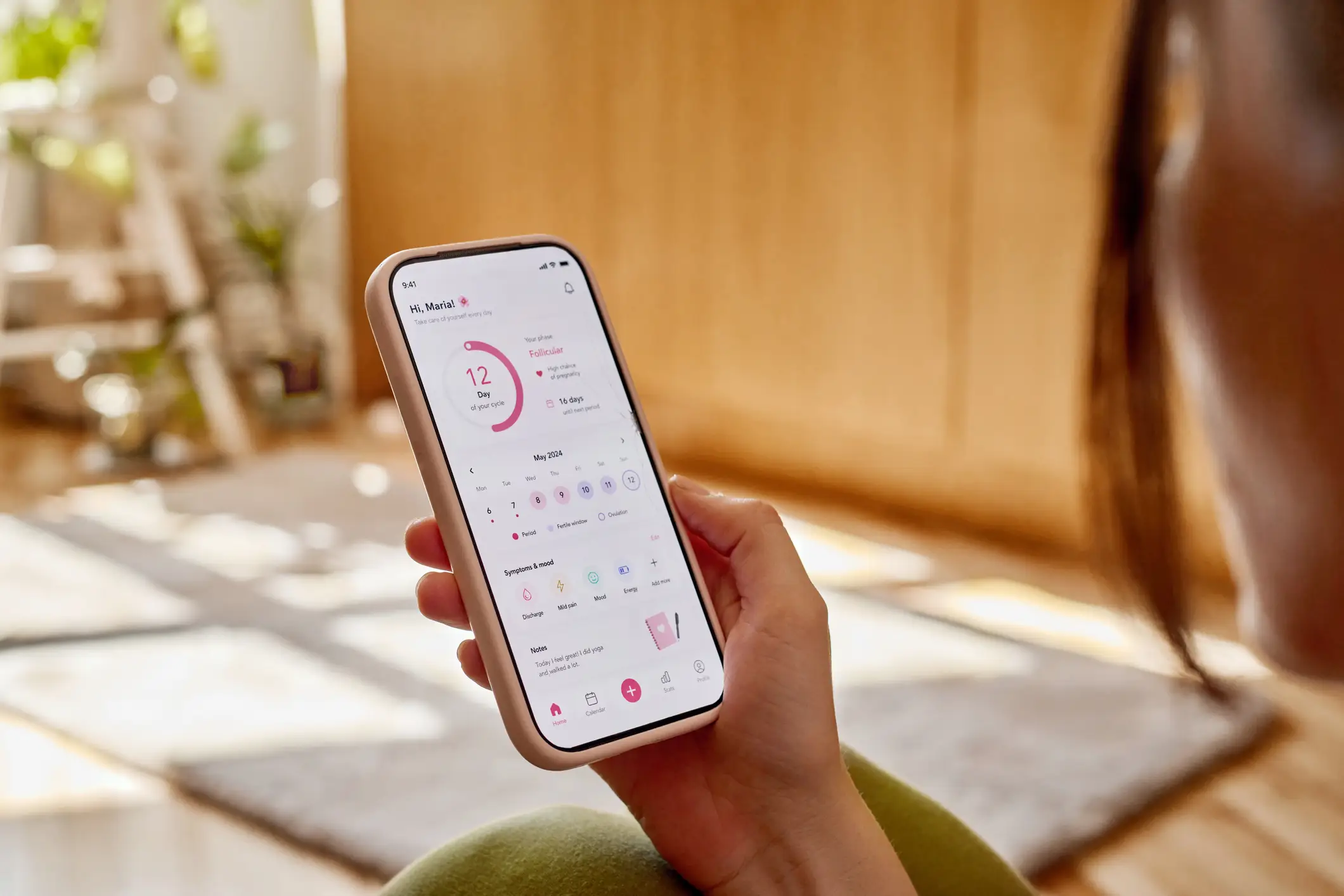
“My advice is to pay attention to your own cycle rather than assuming seasonal changes are responsible. Tracking your periods, sleep, mood, and symptoms over a few months can help identify patterns.
“If your periods suddenly become irregular, significantly heavier, more painful, or stop altogether, it’s important to seek medical advice.
“And please remember, although seasonal changes might affect how you feel, debilitating period symptoms should never be ignored. It’s definitely not something you have to put up with.”
Topics: Women's Health, Health, Periods, Weather, Life, Real Life
 Madison Burgess