
There’s several reasons why your period might be delayed - and it’s not pregnancy

Even when you know there's absolutely no possibility of being pregnant, having a late period can still cause a bit of worry and stress, especially if you don't know what has caused the delay.
There's a whole range of reasons why your period could be late, from lifestyle changes such as disrupted sleep and increased stress to health conditions like PCOS and more simple explanations, such as perimenopause.
While it can be difficult to pinpoint the exact cause for a delayed period, it's helpful to be aware of the possible explanations behind the disruption to your menstrual cycle.
Here, we've rounded up some key reasons why your period is late, aside from pregnancy. Let's get into it, shall we?
What can cause a delayed period?

Stress
While each person experiences stress differently, it can be a cause for a delayed period.
Advert
Stress causes elevated cortisol levels, which can then delay ovulation by blocking the release of luteinising hormone (LH), and without this hormone, you won't ovulate.
As a result of this disruption, cycles may be longer and heavier or shorter, depending on the individual.
Stress differs from person to person, but huge life events such as moving home, starting a new job or facing family challenges could impact someone's menstrual cycle.
These changes shouldn't be long-term, explains obstetrician and gynaecologist Dr. Barbara Levy, who said to Flo: "Typically, once we stop producing large amounts of the stress hormones, the changes will resolve."

Weight fluctuations
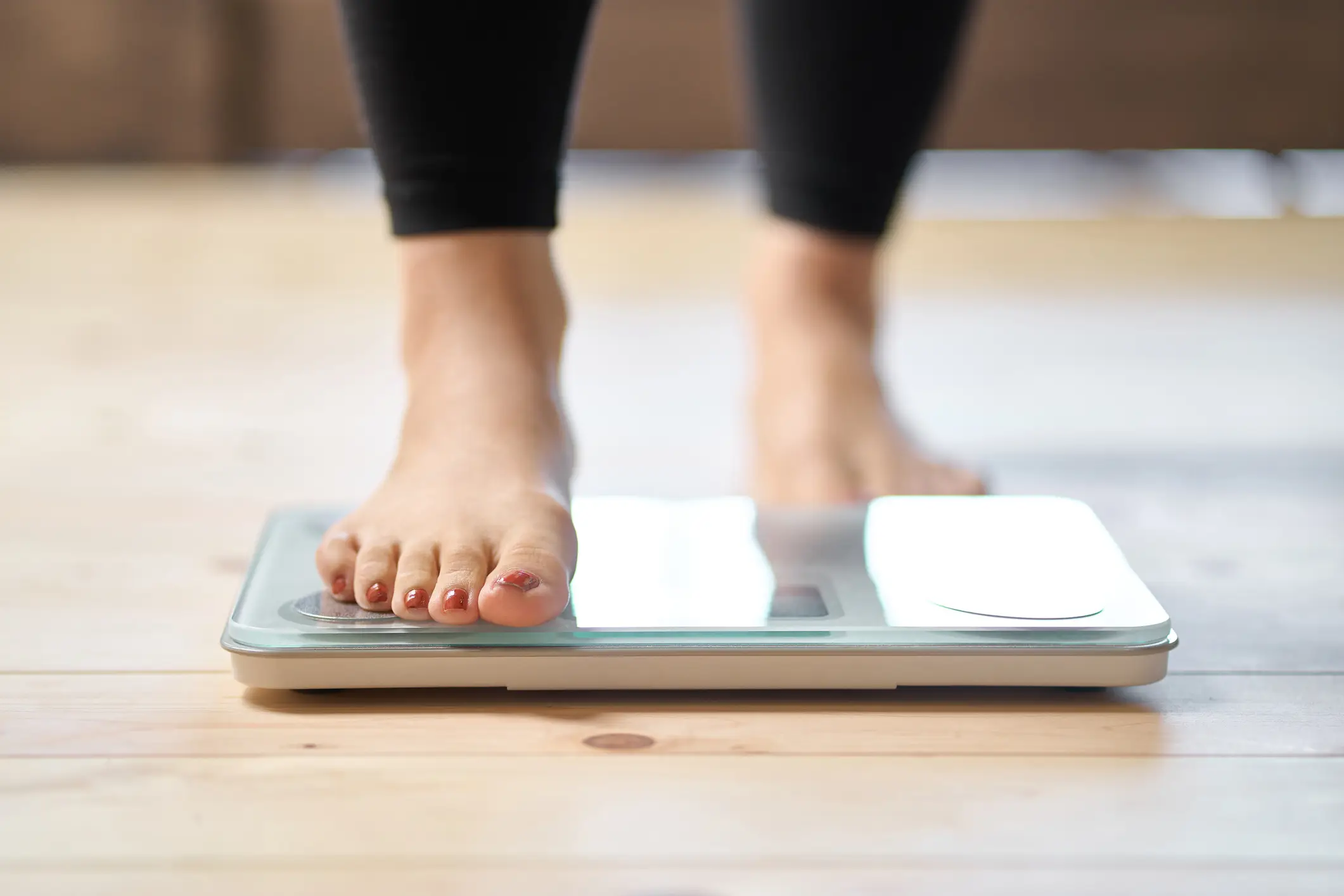
Significant changes in weight can be a cause for late periods, whether it be weight loss or gain.
Severe weight loss can prompt the production of follicle-stimulating hormone (FSH) and luteinising hormone (LH) to shut down, which then impacts the regulation of the ovaries and interrupts the menstrual cycle.
Weight gain can have a similar impact, as people with obesity may experience changes in their hormone levels which then has a knock-on effect on their periods.
Sleep pattern
While a small disruption to your sleep pattern won't impact your menstrual cycle, a significant shift in your sleep regime, such as changing work patterns or suffering from insomnia, can affect your hormones and periods.
The interruption to your cycle may not last very long, especially if you can get back into a stable sleep routine, but it can become an ongoing issue if your sleep pattern remains unregulated.
Women with irregular menstrual cycles are more likely to experience sleep issues, according to the National Institute of Health (NIH), which can create a very difficult cycle of hormonal fluctuations caused by disrupted sleep and vice versa.
The NIH states: "Irregular menstrual cycles are also associated with sleep disturbances (insomnia symptoms), as well as daytime sleepiness. On the other hand, a longer sleep duration is associated with a lower prevalence of menstrual cycle irregularity."

Medications
There are a number of medications that can cause disruption to the menstrual cycle, with hormonal birth control being one of the major culprits.
Hormonal birth control methods, such as the pill, override your body's natural hormonal cycle, which can then impact your periods. The bleeding people experience while taking this method of contraception is a withdrawal bleed, and not a real period.
If you continue to take the pill for over the usual 21 days, the uterine lining won't shed as it remains stable, therefore a bleed won't happen, says George Patounakis, MD, PhD, FACOG, an attending physician at Reproductive Medicine Associates of Florida.
A bleed is triggered by hormone levels dropping, as George explains: "It's not a period the way you would think of in someone who's not taking birth control because it's induced by medication and not by normal processes."
Other medications such as antipsychotics, antidepressants, chemotherapy, hormone therapy or steroids can impact the menstrual cycle.

Increased exercise
Exercise can impact your menstrual cycle, most notably extremely intense or strenuous exercise.
Professional athletes or those who regularly train hard, such as marathon runners, may be more likely to experience these changes, but someone who excessively exercises or is new to a very tense exercise routine may also see a change to their cycle.
Intense exercise can put your body a constant calorie deficit and lead to an increase in the production of hormones impacting the menstrual cycle.
“It doesn’t necessarily depend on expending a high amount of calories,” said Nancy Williams, professor of kinesiology and physiology at Penn State University. “But when someone’s exercise expenditure causes them to tap into the energy they need to run their body’s day-to-day processes, it can cause a problem.”

Age
Delayed periods can be experienced at various ages, but are most common in those who have just started menstruating and those who are entering perimenopause.
Irregular or abnormal periods are likely to occur when menstruation first happens, as it can take a long time for cycles to regulate, meaning they often vary in length and make periods unpredictable.
When a person is nearing the end of menstruation, they may begin to experience abnormal cycles and late periods, due to premature or early menopause, or conditions such as primary ovarian insufficiency (POI).
Perimenopause, which is a term used to describe the transition to menopause, commonly affects a person's period.
Medical conditions
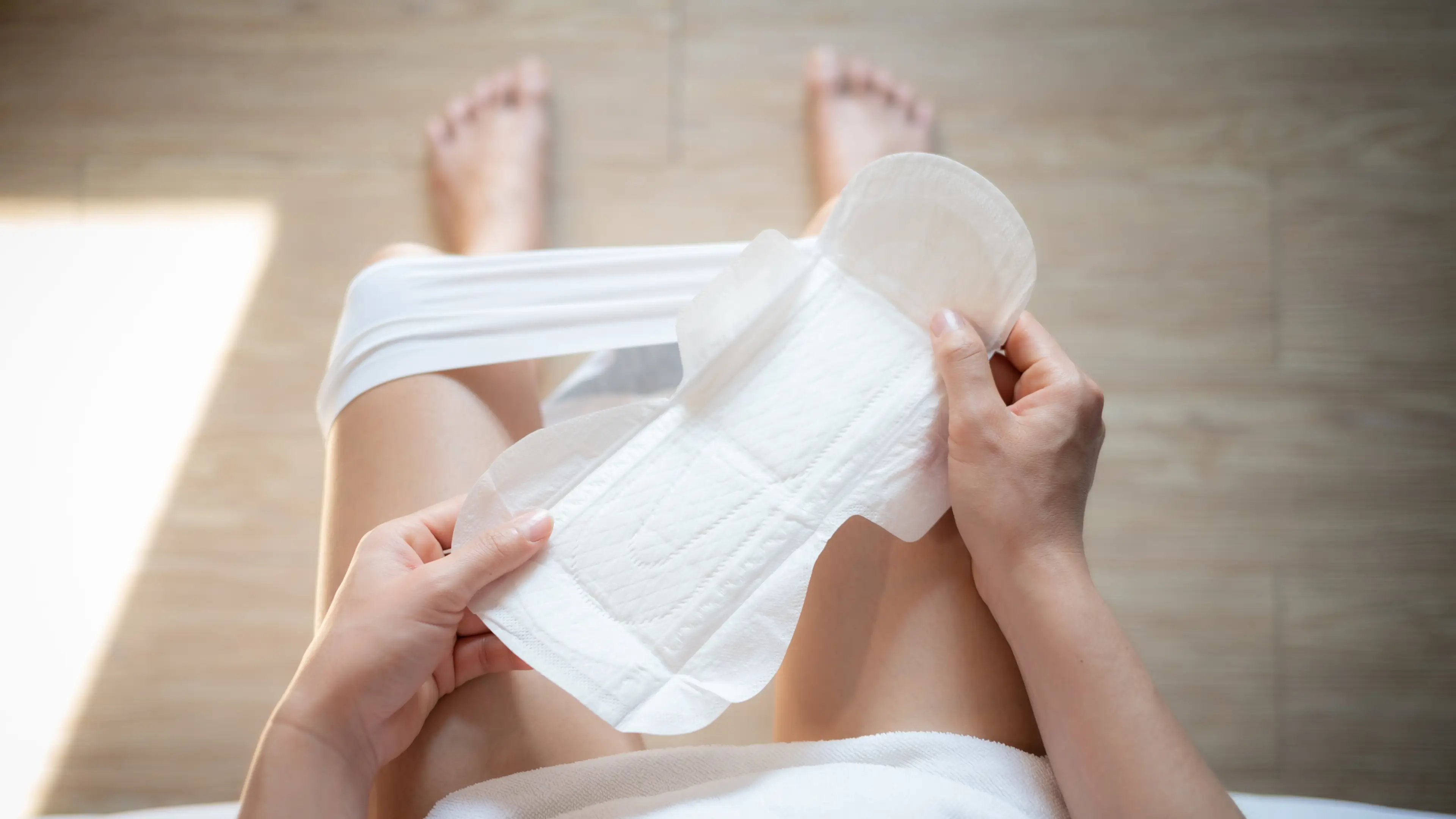
A number of medical conditions can also have an impact on periods, such as polycystic ovary syndrome (PCOS).
Someone suffering from PCOS may experience late or missed periods as they often have extra follicles which causes the menstrual cycle to take longer than usual.
A typical cycle sees each ovary develop around five follicles, which then compete to become the dominant follicle that prompts the release of an egg at ovulation. However, a person with PCOS may release an egg later, meaning a later period, and if no egg is released then there is no period.
Another medical condition that can cause a late period is prolactinoma, a pituitary tumour which secretes large amounts of the hormone prolactin, which signals breast milk production. However, this is rare and unlikely.
Other health conditions, such as diabetes and thyroid disease, may be to blame for a late period.
Thyroid hormones help control your menstrual cycle, therefore, if your thyroid hormones are unbalanced, this can trigger an irregular period.
Topics: Women's Health, Periods, Life, Explained, Health
 Danni King