Doctor issues urgent warning over bizarre vaginal tightening trend involving allergy drug

A startling new trend involving the use of allergy medication for vaginal tightening has sparked concern among doctors, who are issuing warnings about potentially serious health risks.
There's been an uptick in social media posts promoting the use of cetirizine for tightening the vagina to achieve enhanced sexual pleasure.
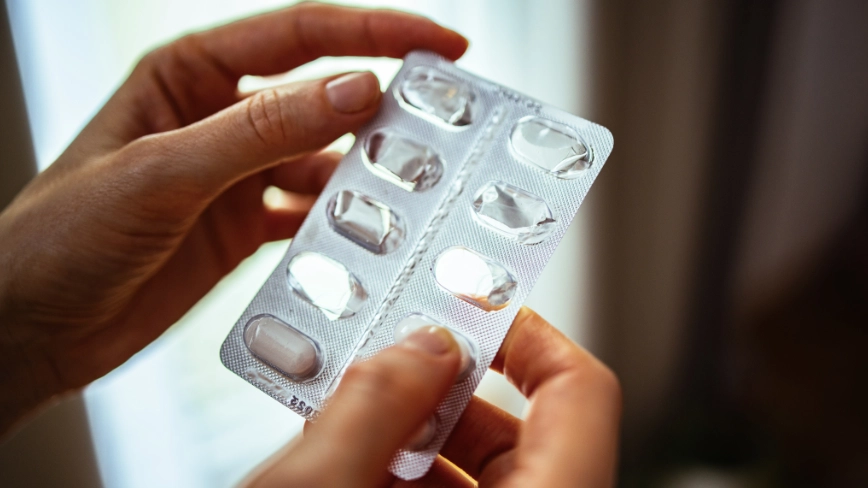
The drug is intended to be used to treat allergy symptoms such as sneezing, a runny nose, skin reactions like hives, and itchy eyes.
However social media users are now suggesting it be inserted directly into the vagina to create a sensation of tightness during sex. Cetirizine is widely available for its intended use and is taken orally.
Advert
The content has ignited a debate, with many users questioning the drug’s safety when used for what is claimed to be increased vaginal tightness. Meanwhile, others figures, including social media influencers, are spreading potentially harmful health suggestions which could put people at risk.
Dr Deborah Lee, healthcare content writer at Dr Fox Online Pharmacy, says cetirizine is an antihistamine that is only designed to be swallowed and absorbed in the small intestine to treat certain symptoms.
Antihistamines can sometimes cause dryness ‘as they reduce some body secretions’. However, Dr Lee cautions that this side effect should not be confused with vaginal tightness.
“Lubrication is needed for vaginal penetration," she tells Tyla. "Without this sex is likely to be painful, friction can result in sores/abrasions which increase the risk of vaginal infections. Sex that causes bleeding increases the risk of transmission of STIs including HIV.”

Cetirizine may be sold under different brand names but, like all medicines, it can cause side effects. According to the NHS, these can include sleepiness and tiredness, headaches, dry mouth, nausea and dizziness.
Dr Lee, who is a GP and a specialist in sexual and reproductive health and menopause, warns against following unverified health advice circulating online.
“It is extremely dangerous to adopt health trends which have not been properly validated by robust clinical trials. The majority of these posts are from non-medical sources and contain misleading and hazardous claims that can even be life-threatening. Always check if there is any medical research to support these claims, check the credentials of who is saying it. If it sounds too good to be true – it will be. Do not believe everything you see!”
The trend has gained particular attention in Kenya, where pharmacists have issued warnings about the practice. According to the BBC, local media have also reported rising prices and increased demand for the drug at some pharmacies, particularly in the capital, Nairobi.
The concerning state of 'vagina-maxxing' in 2026
One of the more concerning wellness trends to gain attention in 2026 is 'vagina-maxxing' which involves products marketed to alter the ‘tightness’, appearance, smell or the overall perceived attractiveness of the vagina.
Dr Ravina Bhanot, a women's health GP and founder of The One Labs, previously described the trend to Tyla as attempts to 'improve the appearance, smell, tightness, grooming or perceived attractiveness of the vulva or vagina with beauty routines, supplements, procedures or products.'
Products marketed as part of this trend include tightening gels, vaginal steaming treatments, whitening creams, intimate washes, deodorants and supplements promising 'feminine freshness'.

However, gynaecologists and other women's health experts have been raising concerns about the growing market for unnecessary vaginal products and treatments, warning that many are designed to exploit women's insecurities about perfectly natural bodily functions.
“The business model behind these products appears to rely, in part, on women feeling insecure about the natural scent of their vaginas—an insecurity that is particularly common among younger women and girls, despite natural variation in vaginal odor being a normal aspect of biology,” Milanova told Tyla. “Changes in scent also reflect different stages of women’s cycles, which isn’t something that needs to be ‘masked.’”
Tightening gels are another widely available product marketed towards women seeking to change how their vaginas feel. However, some formulations contain capsicum, a direct irritant to vaginal and vulvar tissue.
“Tightening gels often play on insecurities and the persistent myth that a vagina becomes ‘looser’ with sexual activity. This reflects an outdated ‘virgin standard’ narrative rather than biology,” she told Tyla.
Topics: Health, Women's Health, Social Media
 Greg Harris