Extreme heatwaves and climate change are affecting your period

As we head into another heatwave, don't be surprised if your period comes earlier or later than you expected.
In June and July, lots of women started to share on social media that their menstrual cycle was all out of whack.
Even if their past cycles could be tracked like clockwork, suddenly there were many reports of women missing their periods.
One TikTok video about it clocked up well over 26,000 likes, and the comment section was full of social media users expressing their concern about their periods too.
Advert
One commenter wrote: “Um wtf... I missed my June period and got my period July 10th,” while one agreed: “So you’re telling me I wasn’t the only one having period cramps out of nowhere."
Now, The Guardian's Science Weekly podcast has looked into it in more detail, and it seems like the heatwaves and climate change could be to blame.
Madeleine Finlay, who hosts the show, said: "When the body and mind is under stress, cortisol goes up."
"This disrupts the balance of the reproductive hormones regulating the length and timing of the menstrual cycle," she added.
"Usually this means delayed period onset, but it can also come early, and some women find their flow changes too," Finlay commented.
They also looked at the fact that heatwaves cause a lot of disruption in general.
We're talking missed sleep, eating habits, more or less travel than usual, and stress levels, all of which can impact your cortisol.
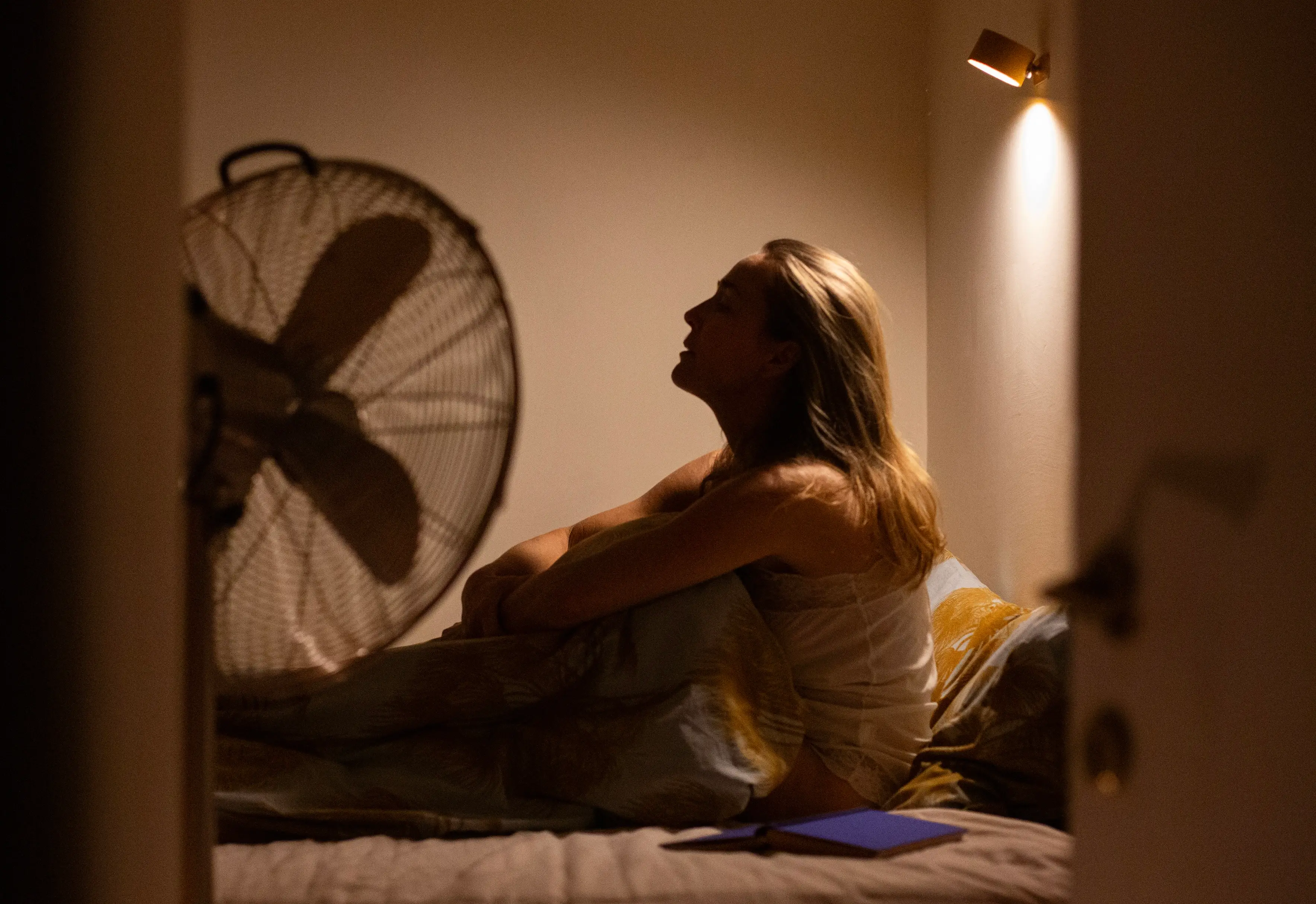
"Sleepless nights are a big one," said Finlay, "Your body is working harder to keep cool.

She adds: "If you're thinking 'hold on, nothing has happened to mine?' some people are more sensitive to physiological stressors than others, and one thing scientists do know is our responses are very individual."
"If your cycle does get messed up by the hot weather, don't worry, a bit of variation is totally normal," she concluded.
Dr Ravina Bhanot is a women’s health GP and founder of The One Labs, and she spoke exclusively to Tyla: “There has been increased discussion on social media about women experiencing either two periods in one month or missing a period entirely during June,
“There is currently no scientific evidence that a single event caused a nationwide change in menstrual cycles across the UK,” Bhanot explains. “However, there are several biologically plausible factors that may have contributed to temporary menstrual disruption in some women.”
She echoed the comments that were made on the podcast, about the impact a heatwave can have on stress: “Heat places physiological stress on the body, increasing cortisol levels, disrupting sleep and affecting hydration,” Bhanot says. “These factors can temporarily alter the hypothalamic-pituitary-ovarian axis, the hormonal system that regulates ovulation and the menstrual cycle.”
“Even a slight delay in ovulation can lead to an unusually long cycle, breakthrough bleeding or what appears to be two periods within a single calendar month,” she said.
Topics: Periods, Women's Health, Weather, Health
 Jen Thomas