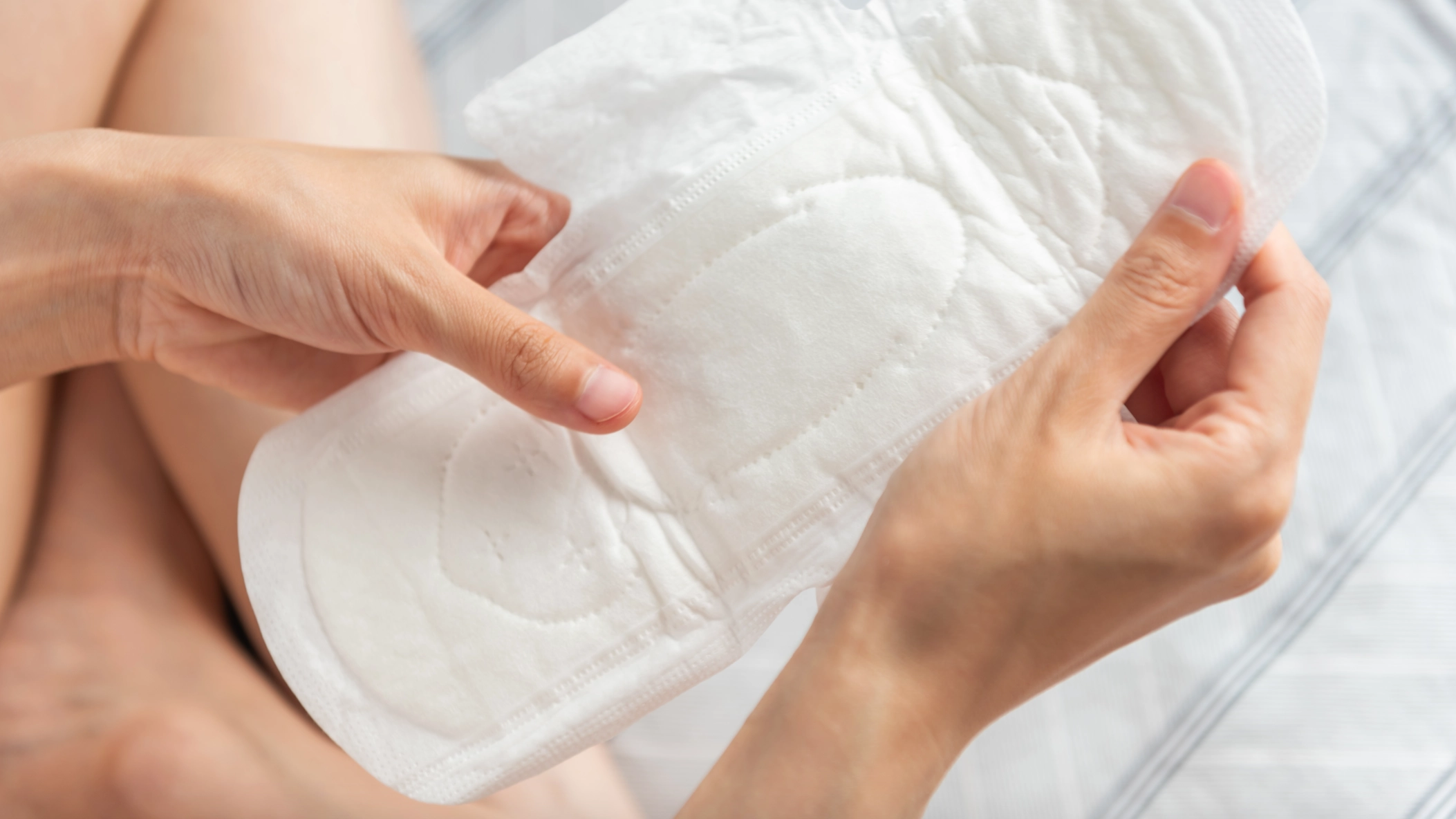
If your period is ‘pouring out like water’ you might need to see a doctor

For half the world's population, periods are a total nightmare.
As if the bloating, cramps, skin breakouts, mental breakdowns and tender breasts weren't enough - we've also got the relentless worry that we've leaked through our tampon, pad, jeans and, inevitably, all over office chairs, bus seats and bed sheets.
And for some unlucky few, bleeding enough to leak through more than three lines of defence isn't a worst-case scenario, it's a monthly reality.
Many women and people who menstruate have reported their period 'pouring out like water', prompting two health professionals to share their advice on the matter.
Advert
Dr Sophia Yen, MD, MPH, the co-founder and Chief Medical Officer of Pandia Health, and board-certified family medicine physician Dr Laura Purdy, MD, MBA, sat down with Today's Parent to discuss the symptoms and warn about potential health conditions that could be the underlying cause behind such a heavy flow.
Now, the American College of Obstetricians and Gynaecologists (ACOG) explains that heavy, watery period blood may feel like the norm for some, but should not be ignored as it can get in the way of daily activities and could be a sign of a larger health issue.
Dr Yen and Dr Purdy outlined exactly what health conditions these may be.
Hormone imbalances, PCOS, bleeding disorders and fibroids
Dr Yen notes that genetics can play a significant role in determining who experiences a heavier period, suggesting that if your mother had heavy periods, you have a 50 percent chance of having the same.
Additionally, conditions such as PCOS, bleeding disorders, and fibroids are 'all predetermined by genetics and are linked to heavier periods'.
Because of this, the experts stress the importance of being made aware of your family medical history, as, by doing so, you can be proactive and take the necessary steps to manage your period and seek medical attention if necessary.
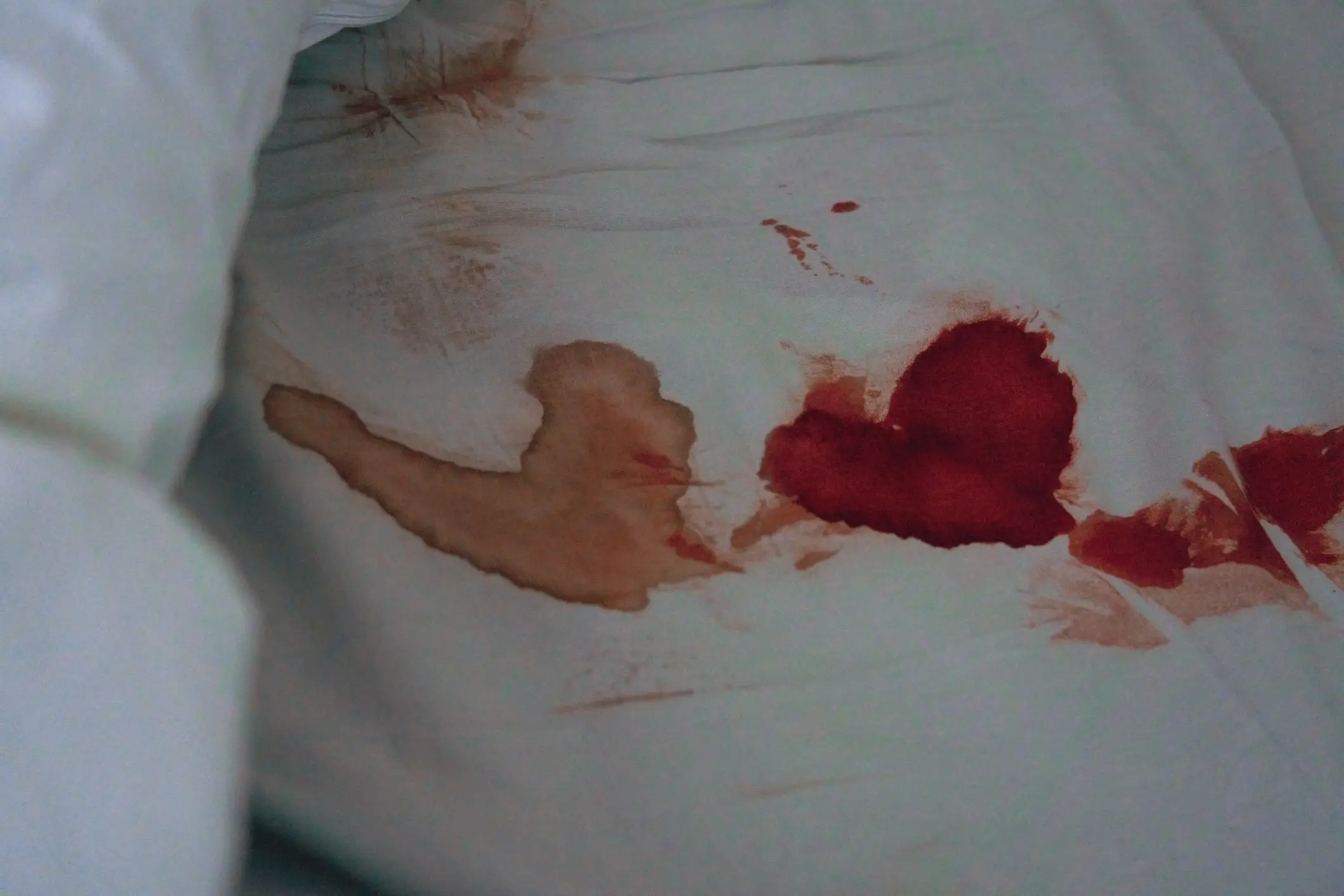
Von Willebrand Disease and Factor X Deficiency
Heavy periods can also be a symptom of undiagnosed bleeding disorders, such as Von Willebrand Disease (VWD).
Dr Yen says VWD, which can cause prolonged bleeding after surgery, easy bruising and bleeding after tooth brushing, can be identified by heavy periods from the start of menstruation.
If you are experiencing any of these symptoms, Dr Yen says it's important to check in with a doctor.
MedlinePlus adds that Factor X Deficiency is another bleeding disorder that can result in heavy periods.
Similar to VWD, this medical condition can result in nosebleeds, gum bleeding, and frequent bruising.
Perimenopause, endometriosis, and postpartum
Dr Purdy explains that if you are of age and experience heavy menstrual bleeding out of the blue, then perimenopause could be the cause.
This could be the culprit, even if you don't typically have heavy periods.
Perimenopause, which involves irregular periods, hot flashes, mood swings, brain fog, and sleep issues due to reduced estrogen, typically occurs between the ages of 45 and 55.
Endometriosis
Another possible cause of heavy periods is endometriosis, which is where cells similar to those in the lining of the womb (uterus) grow in other parts of the body.
Other than heavy periods, symptoms include severe period pain, back pain, pelvic area pain, pain when you poo or pee, pain during or after sex and extreme tiredness (fatigue).
So, it's definitely important you check in with your doctor to get diagnosed and seek treatment if any of that sounds familiar.
Postpartum
And the final point the doctors outlined as a possible reason behind heavy periods is being postpartum.
Purdy explained that this occurs as your body adjusts and should resolve in four to six weeks.
"If you are recovering from childbirth, you may also notice heavier periods as your body is adjusting," she told Today's Parent.
Topics: Periods, Health, Advice, Women's Health, Life, Explained
 Rhiannon Ingle