
'Melasma mouth' explained as women with specific symptom only just realising little-known condition

We're in the peak of summer, and many of us love nothing more than being out in the sun all day working on our tan.
However, amidst the inevitable sunburns and peeling skin, several women have since rushed to social media, sharing their experiences with a surprising skin condition they've only just noticed.
Commenting on what has now been dubbed a 'melasma moustache' or 'melasma mouth' online, one TikTok user wrote: "I have the worst discolouration around my mouth. It looks like a moustache."
Another pleaded: "Help me get rid of my melasma stache."
Advert
And a third echoed: "I get this sooooo bad."
Alice Henshaw, founder of SkinCycles and Harley Street Injectables, exclusively told Tyla all we need to know about the summer holiday phenomenon.
What is 'melasma mouth'?
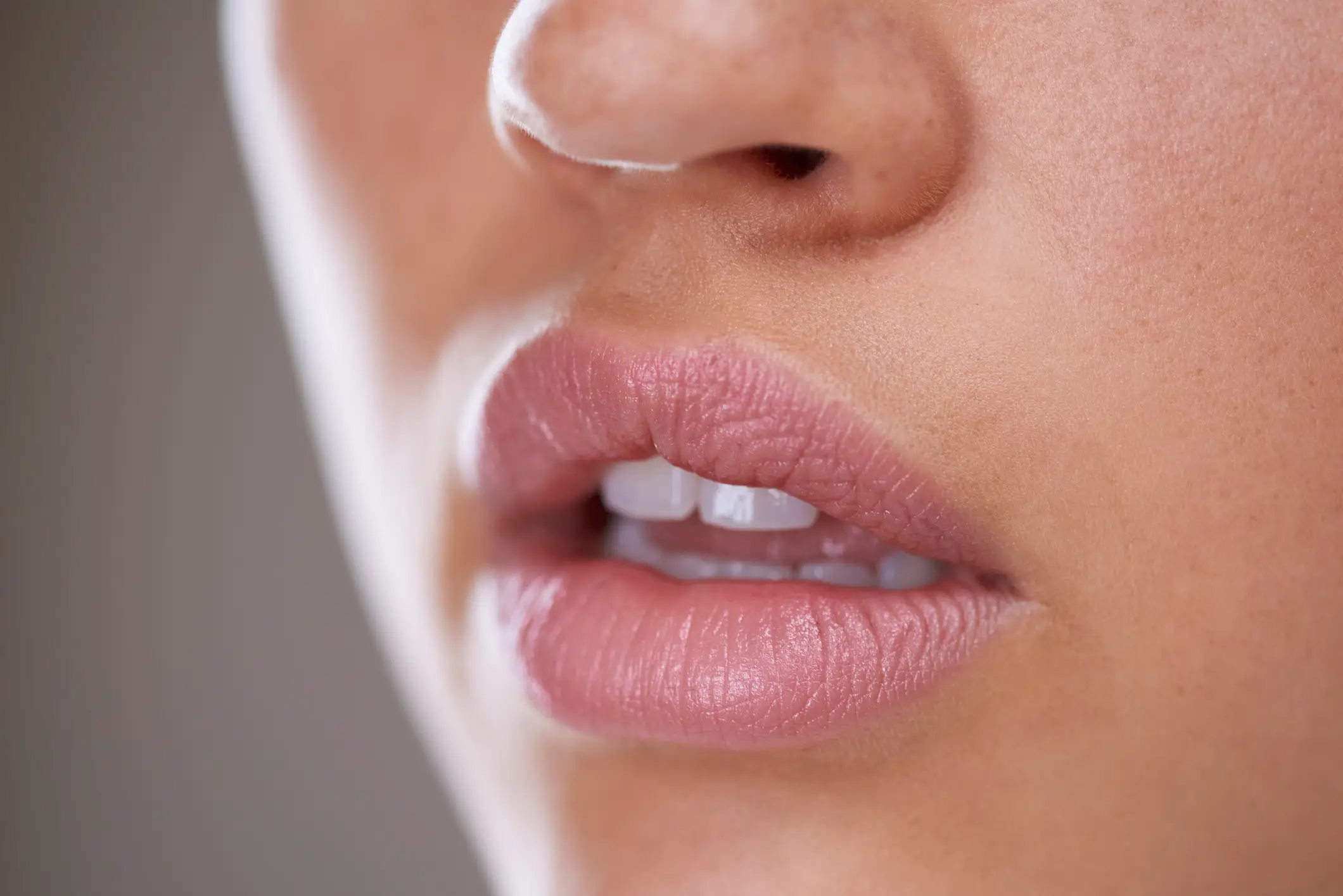
According to Alice, 'melasma mouth' is a common nickname for melasma that appears on the upper lip, creating a symmetrical patch of brown or grey-brown pigmentation that can resemble the shadow of a moustache.
While it's completely harmless, it can be frustrating as it's often difficult to conceal and has a tendency to recur if the underlying triggers aren't addressed.
How does this happen?
The expert explains that melasma occurs when melanocytes (the cells responsible for producing pigment) become overactive and produce excess melanin.
"It's usually triggered by a combination of factors, with UV exposure being the biggest culprit," Alice continued, adding: "Heat and visible light can also stimulate pigment production, which is why melasma often worsens during the summer or in warmer climates.
"Hormonal fluctuations and genetics can make the skin even more susceptible, meaning some people develop pigmentation even with relatively modest sun exposure."

Who is more likely to get it and why?
Melasma is much more common in women than men and typically affects people between the ages of 20 and 50.
Those most at risk include:
- People with medium to darker skin tones, as they naturally have more active melanocytes
- Anyone with a family history of melasma
- Women who are pregnant or taking hormonal contraception
- Individuals with frequent sun or heat exposure
- People who have had previous episodes of pigmentation
"Hormones, genetics and UV exposure often work together, which is why some people are significantly more prone than others," Alice adds.
Are there any risks attached to melasma?
The good news, Alice assures, is that melasma isn't dangerous or cancerous. However, it can have a significant impact on confidence and self-esteem.
She outlined: "The biggest challenge is that it can become chronic if left untreated or if the skin isn't adequately protected from UV and visible light. Aggressive treatments or picking at the area can actually worsen pigmentation by triggering inflammation, so it's important to take a gentle, evidence-based approach."
What should you do if you have a melasma moustache?
Alice says that the first priority is prevention, as melasma is much easier to prevent than treat.
She recommends wearing a broad-spectrum SPF 50 every single day, regardless of the weather, and reapplying it throughout the day as well as incorporating a potent antioxidant, such as a Vitamin C serum, into your morning routine to help protect against free radical damage while brightening the complexion.
And lastly, using pigment-regulating skincare prescribed by a skincare professional.
"Depending on the individual, we may also recommend carefully selected laser treatments or energy-based devices that are suitable for melasma. However, not all lasers are appropriate, and choosing the wrong treatment can actually worsen pigmentation. That's why a thorough consultation is essential to determine the safest and most effective approach," she warns.
Does the contraceptive pill or pregnancy make melasma worse?
"Yes," the expert confirms. "Hormonal changes are one of the biggest triggers for melasma."
Alice continued: "It's so common during pregnancy that it's often referred to as the 'mask of pregnancy'. Increased levels of oestrogen and progesterone stimulate melanocytes, making the skin much more likely to develop pigmentation.
"Similarly, some forms of hormonal contraception, including the combined oral contraceptive pill, can trigger or worsen melasma in susceptible individuals.
"Even after pregnancy or stopping the pill, the pigmentation can persist if it isn't treated and the skin remains exposed to UV light."
For this reason, Alice says, daily SPF should be considered non-negotiable, particularly for anyone with a history of melasma or hormonal pigmentation.
"Combining diligent sun protection with antioxidant skincare, such as a Vitamin C serum, and professional treatments like Cosmelan where appropriate offers the best chance of improving pigmentation while helping to prevent it from returning," she concludes.
Topics: Health, Tyla Exclusive, Women's Health, Skincare, Life
 Rhiannon Ingle