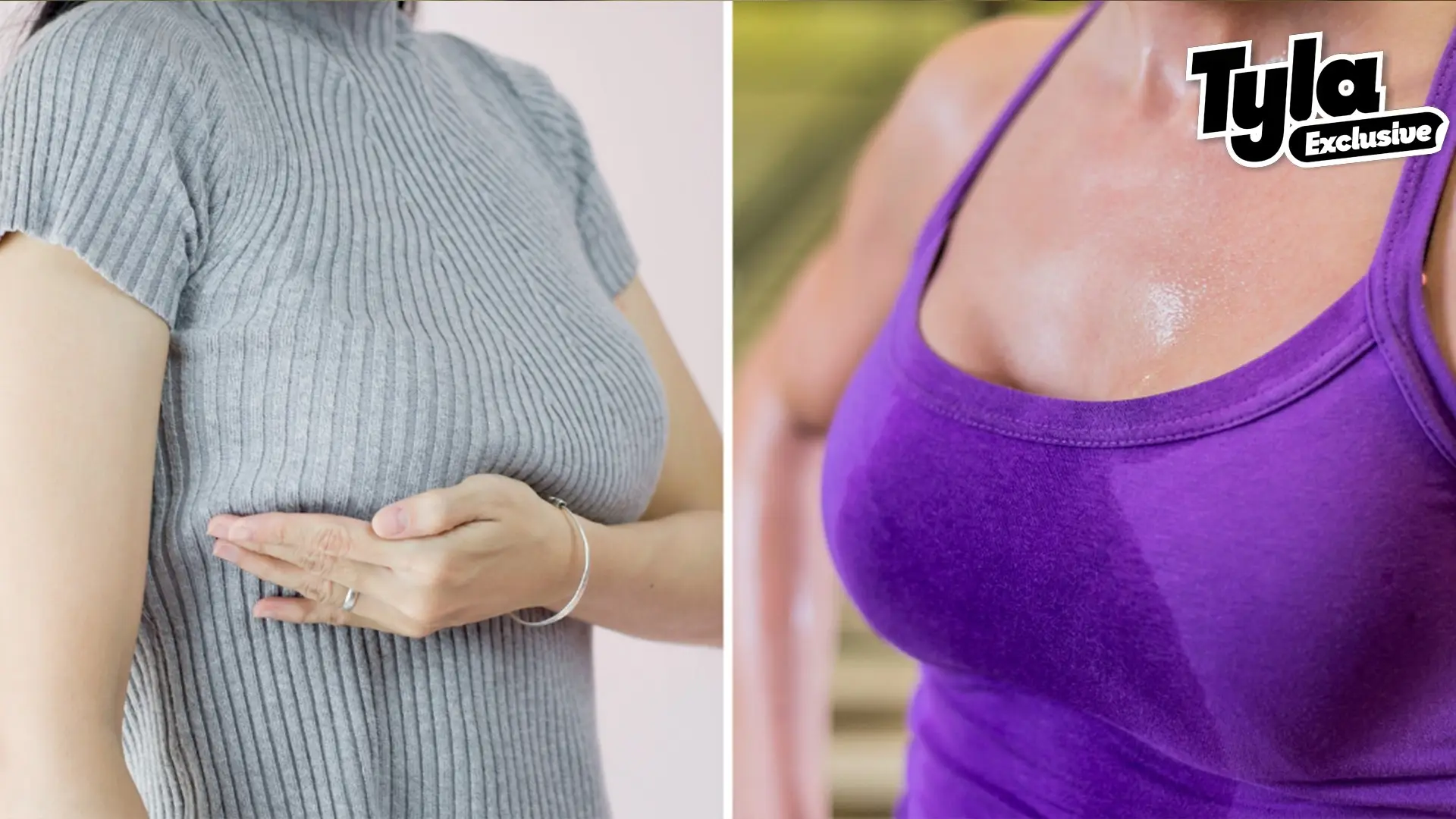
'Swoobies' explained as doctor issues important message to women amid extreme heatwave

Temperatures are set to soar in the UK this week, reaching highs of a sweat-inducing 40°C.
Many of us Brits will no doubt be rushing to fill up our water bottles, slather SPF 50 all over our faces, and wear as little clothing as possible to help cope with the relentless heat.
A lot of us, however, may have already started to feel the effects of the mercury rising with a number of women now forced to deal with 'swoobies'.
OK, it's not exactly a medical term, but my friends were complaining about the absolute nightmare that is 'swoobies' during a heatwave over the weekend, and it made me think, what does an actual health expert have to say on the subject?
Advert
Speaking exclusively to Tyla, Dr Mihaela Guylas of SKNCode London explained all we need to know about the fascinating phenomenon.
What are 'swoobies' and why do they happen?
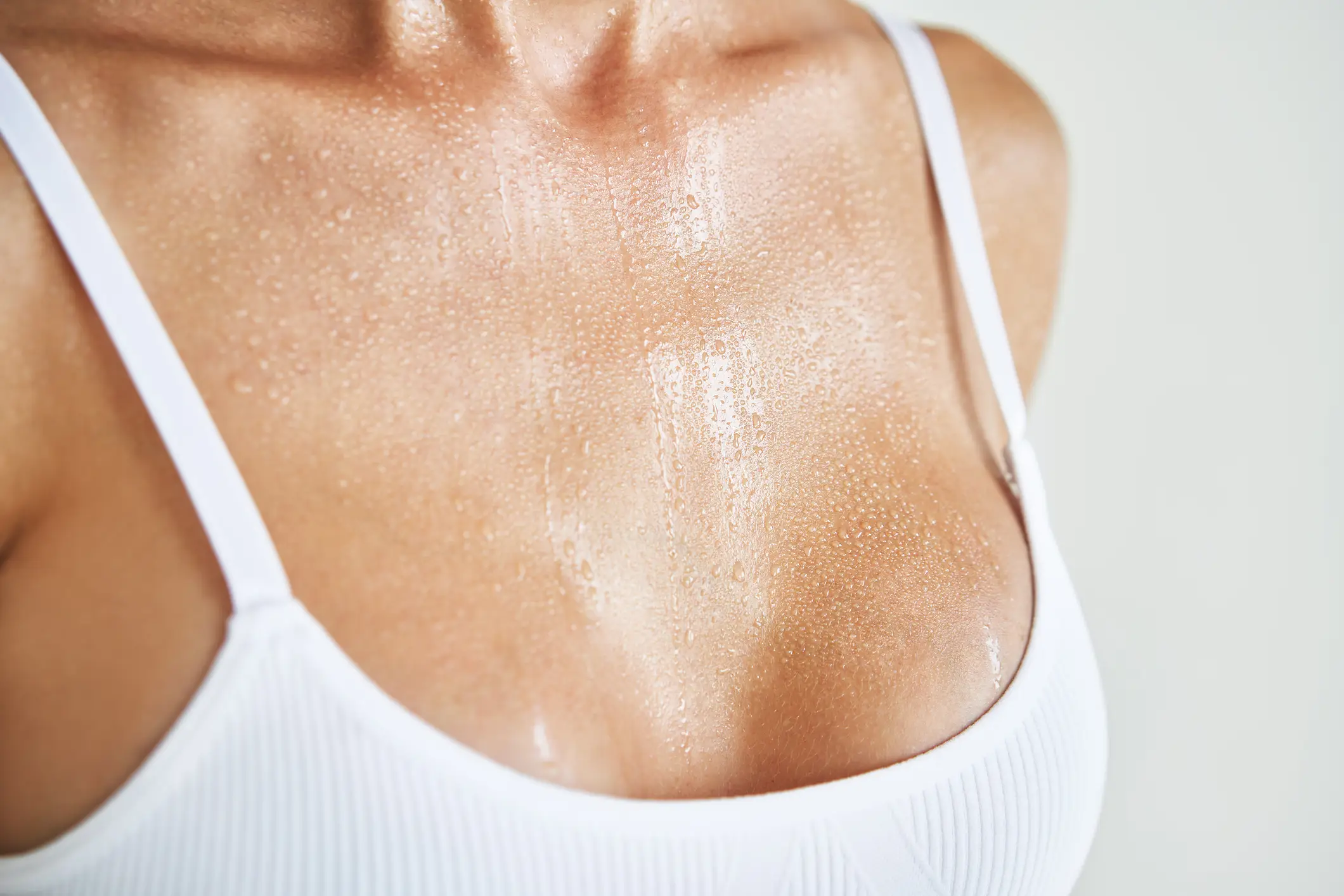
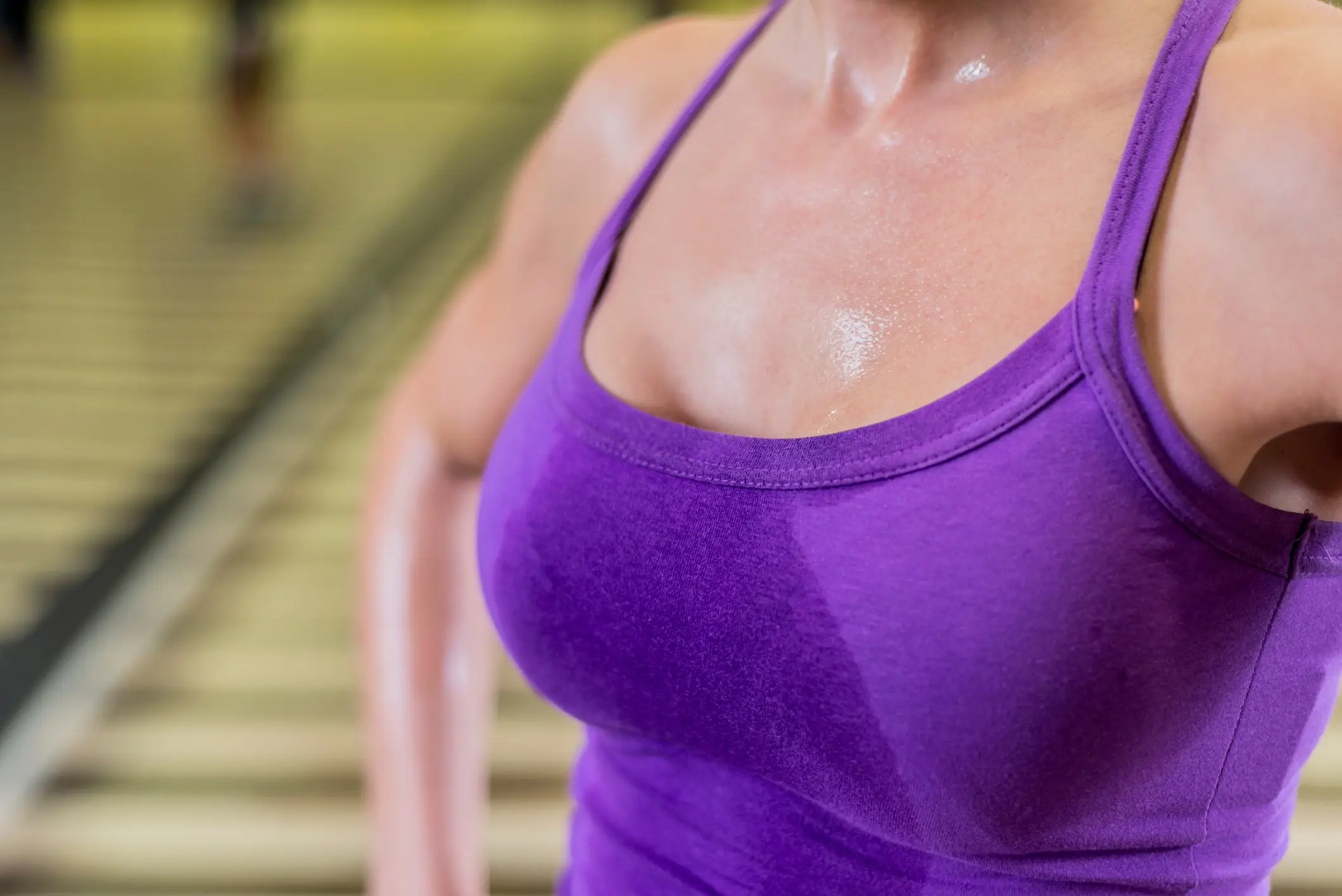
Dr Mihaela tells Tyla that as temperatures rise, one area women often complain about, but rarely talk about openly, is under-breast sweating, often nicknamed 'swoobies' (AKA sweaty boobies).
While the term may sound playful, the expert stresses that it's a genuine skin concern that can affect comfort, confidence and skin health.
"The under-breast area is what we call an occluded skin fold, a warm environment where skin sits against skin," she says. "Add heat, sweat, friction and limited airflow, and it becomes the perfect microclimate for moisture build-up."
Dr Mihaela tells us that the body has between two and four million sweat glands, and 'areas rich in eccrine glands can produce significant amounts of sweat during hot weather'.
"Under the breasts, that sweat has nowhere to evaporate easily, which is why irritation can develop so quickly," she added.
Why are some women more prone to it?
Several factors increase susceptibility, including:
- Larger breasts, which naturally create deeper skin folds that trap heat and moisture
- Hormonal fluctuations during PMS, pregnancy and menopause
- Hyperhidrosis, a condition causing excessive sweating
- Higher BMI, which can increase friction and heat retention
- Synthetic fabrics and non-breathable bras
- Stress, which can trigger sweating in areas beyond the underarms
The doctor added that a 'fascinating fact' is that sweat itself is actually odourless - contrary to popular beliefs.
"The smell comes from bacteria breaking it down on the skin," Dr Mihaela added.
What skin issues can excessive sweating cause?
Persistent moisture under the breasts can lead to several common skin concerns:
- Intertrigo – an inflammatory rash caused by friction, heat and moisture, often appearing red, sore and shiny
- Fungal infections such as candida, which thrive in warm, damp skin folds
- Heat rash, where blocked sweat ducts create small itchy or prickly bumps
- Barrier disruption and dermatitis, caused by repeated sweating and wiping of the area"
When should women seek medical advice?
The expert assures that sweat-related irritation is usually manageable, but there are some red flags to be aware of:
- Redness lasting more than a week
- Cracked, bleeding or weeping skin
- Pain, swelling or a strong odour
- Itching that continues despite treatment
- Sudden excessive sweating unrelated to heat, which can occasionally be linked to hormonal or medical issues
"If sweating is severe enough to affect quality of life, treatments such as Botox can be used beneath the breasts to reduce sweat production," Dr Mihaela says.
"It's a treatment many women don't realise exists, but one we offer regularly in clinic during the summer months, particularly before weddings, holidays and special events."
 'Prevention is key' when it comes to dealing with a heatwave (Getty Stock Images)
Any advice for staying comfortable during a heatwave?
Dr Mihaela stresses that 'prevention is key', recommending:
- Choosing breathable cotton or moisture-wicking bras
- Changing bras during the day if they become damp
- Avoiding tight underwires that increase friction
- Using cool compresses to lower skin temperature
- Patting the skin dry rather than rubbing
- Sleeping in lightweight fabrics
"One underrated tip is using a hairdryer on a cool setting after showering to ensure skin folds are completely dry," she added.
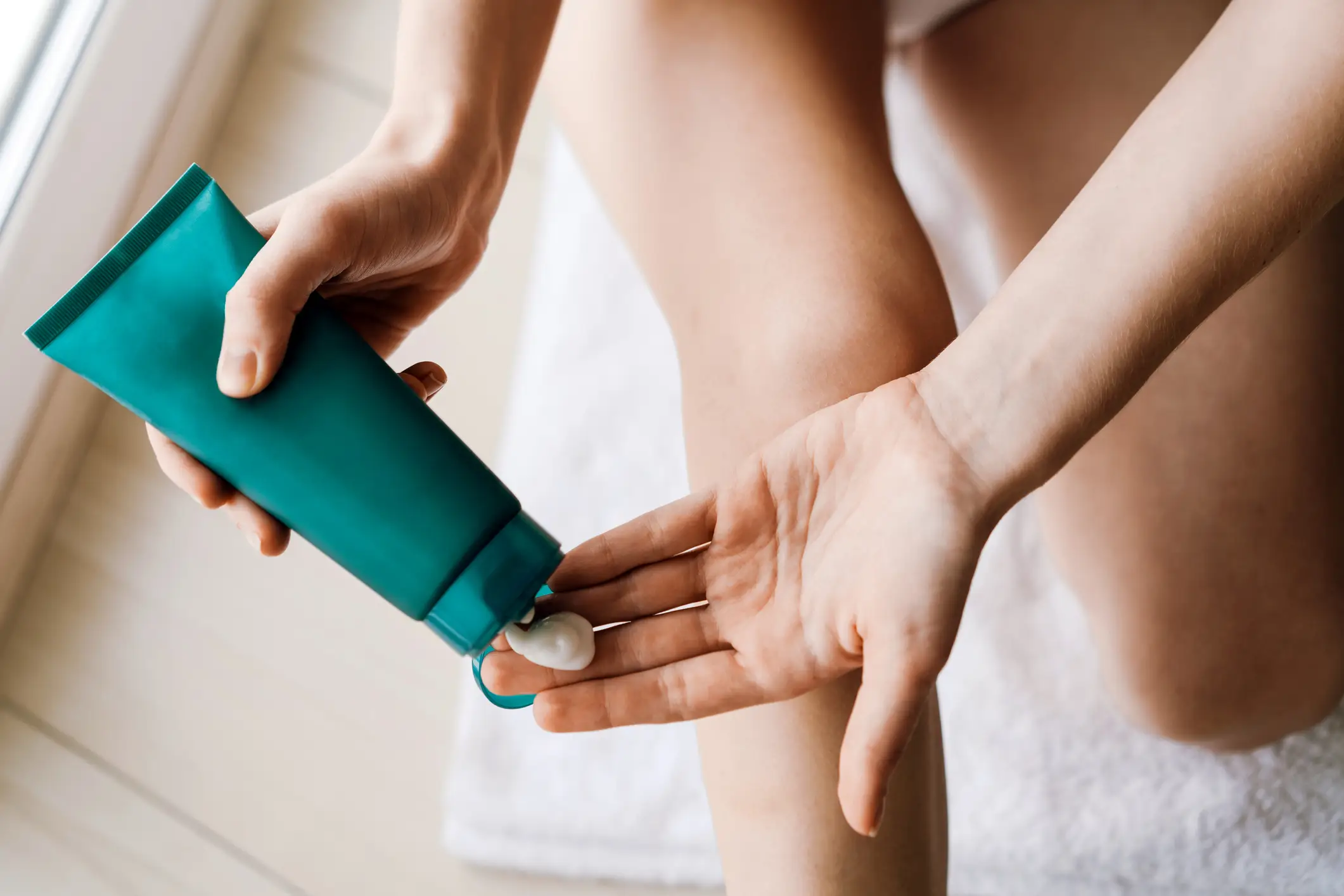 Barrier creams containing zinc oxide or dimethicone can help protect the skin barrier (Getty Stock Images)
How can women protect the skin barrier?
"Think of the under-breast area like you would the skin on your face - the skin barrier matters," Dr Mihaela urged,
The expert recommends:
- Barrier creams containing zinc oxide or dimethicone
- Antifungal powders for those prone to recurring fungal flare-ups
- Gentle, fragrance-free cleansers
- Avoiding heavily fragranced body products in the area
- Using a ceramide-rich moisturiser if the skin becomes irritated
And as for the biggest mistake she sees time and time again? Over-cleansing.
"Sweat doesn't damage the skin, but repeatedly stripping the area in an attempt to 'fix' the problem often does," Dr Mihaela concluded.
Beat the swoob with these products:
Tyla's Commercial editor, Natalie Corner, swears by this Sure Whole Body Deo, "I don't think I could survive this heat without covering my body in this deodorant. It has a slightly creamy texture that really traps the underboob sweat and even though I'm still a little damp after walking to the office, there is no lingering smell thanks to the coconut scent. Highly recommend."
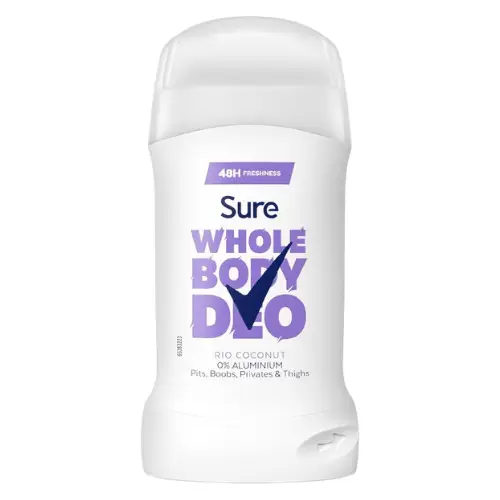
£5.25
£2.60
Another product worth having in your arsenal is a rich moisturiser, urea is the ingredient of the moment as it repairs and deeply moisturises your skin. Mixa has several different moisturisers to suit your skin needs, suitable for the whole body, but if you find your skin feeling sore under your boob or you get thigh rub a layer of this will stop the irritation.
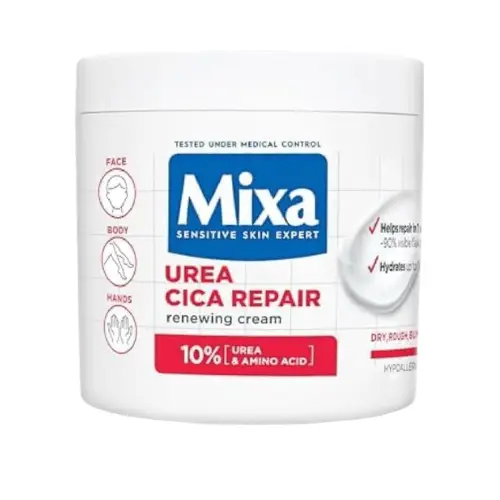
£9.99
£6.01
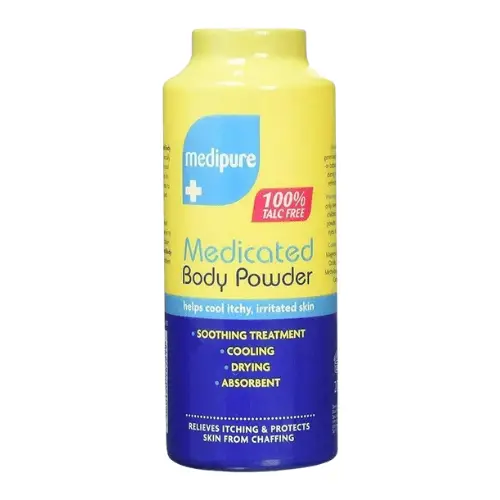
As Dr Mihaela mentioned a body powder is an ideal solution to reduce flare ups on the skin. A gently medicated powder like Medipure, which is talc free could improve your day in the heat.
£2.79
£2.29
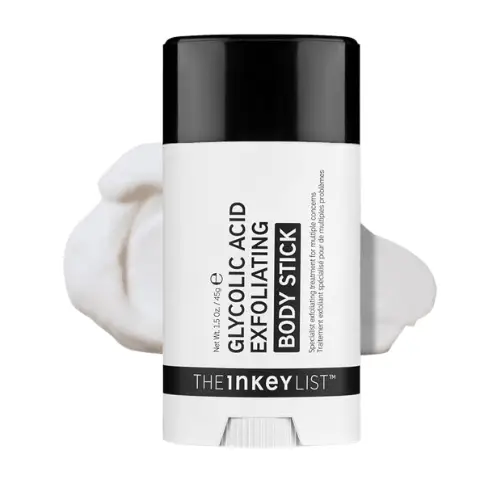
Another way to battle the sweat, is glycolic acid. A common skincare ingredient renowned for its exfoliating and cell renewing properties. Consultant Dermatologist, Dr Aiza Jamil, explains: "Glycolic acid works to combat body odour by changing the environment of the skin where odour-causing bacteria grows."
£15
£9.65
Topics: Health, Life, Tyla Exclusive, Women's Health, Skincare
 Rhiannon Ingle