
‘Heatwave periods’ explained by doctor after women report changes following hot weather

The UK has been experiencing significant heatwaves over the last few months, and it seems to be playing havoc with many women's health.
As well as experiencing health problems from sleeping with a fan on all night, many women have had issues with thrush or bacterial vaginosis in the hot weather.
In addition to these, another common issue being reported is a 'heatwave period'.
Could the sunshine and soaring temperatures be to blame?
Advert
Dr Suzanne Wylie is a GP and medical adviser for IQdoctor, and she has explained just what is going on to cause these horrible cycles.
She said: "In general practice, one of the most common explanations we see is that the body is responding to some form of physical or emotional stress, whether that’s poor sleep, illness, anxiety, significant life events or simply feeling run down, all of which can influence the delicate hormonal signals that regulate ovulation."
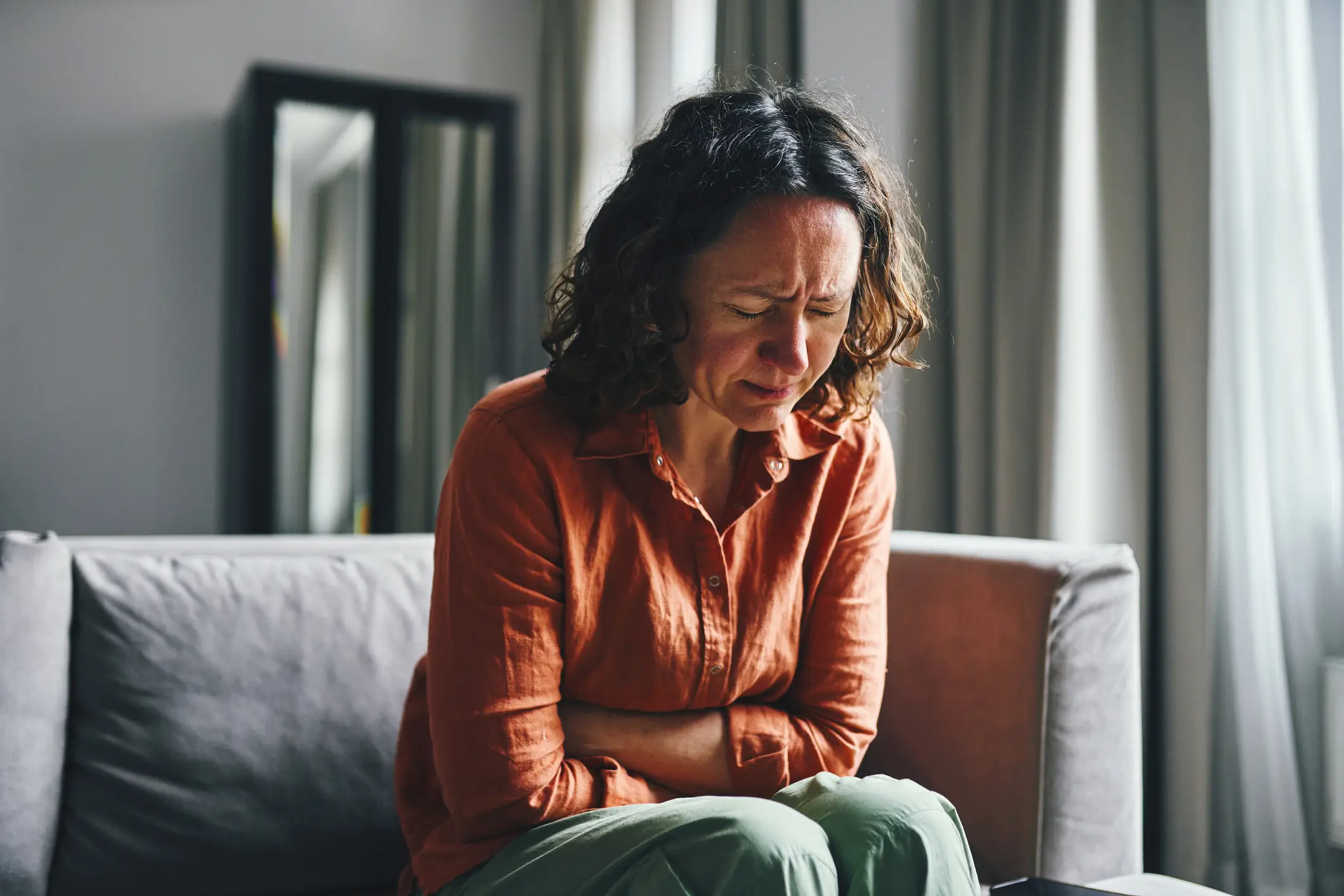
She added: "When it comes to heatwaves and periods, the research is still relatively limited, but that doesn’t mean women’s experiences should be dismissed."
We all know that feeling!"
"We know that the reproductive hormone system is closely linked to the rest of the body, so anything that places additional stress on it, including prolonged periods of very hot weather, has the potential to influence the timing of ovulation and, in turn, the menstrual cycle," she added.
"During a heatwave, people may become dehydrated, sleep less well, feel physically exhausted or experience higher levels of physiological stress, all of which could contribute to temporary changes in hormone regulation in some individuals," the doctor continued.
This could mean your period is earlier, later, or just worse than normal.
"While we don’t yet have strong evidence showing that heatwaves directly cause widespread menstrual disruption, it is certainly plausible that extreme heat may affect some women more than others, particularly when combined with other factors such as stress, travel or illness, and this is an area where more research would undoubtedly be helpful," she surmised.
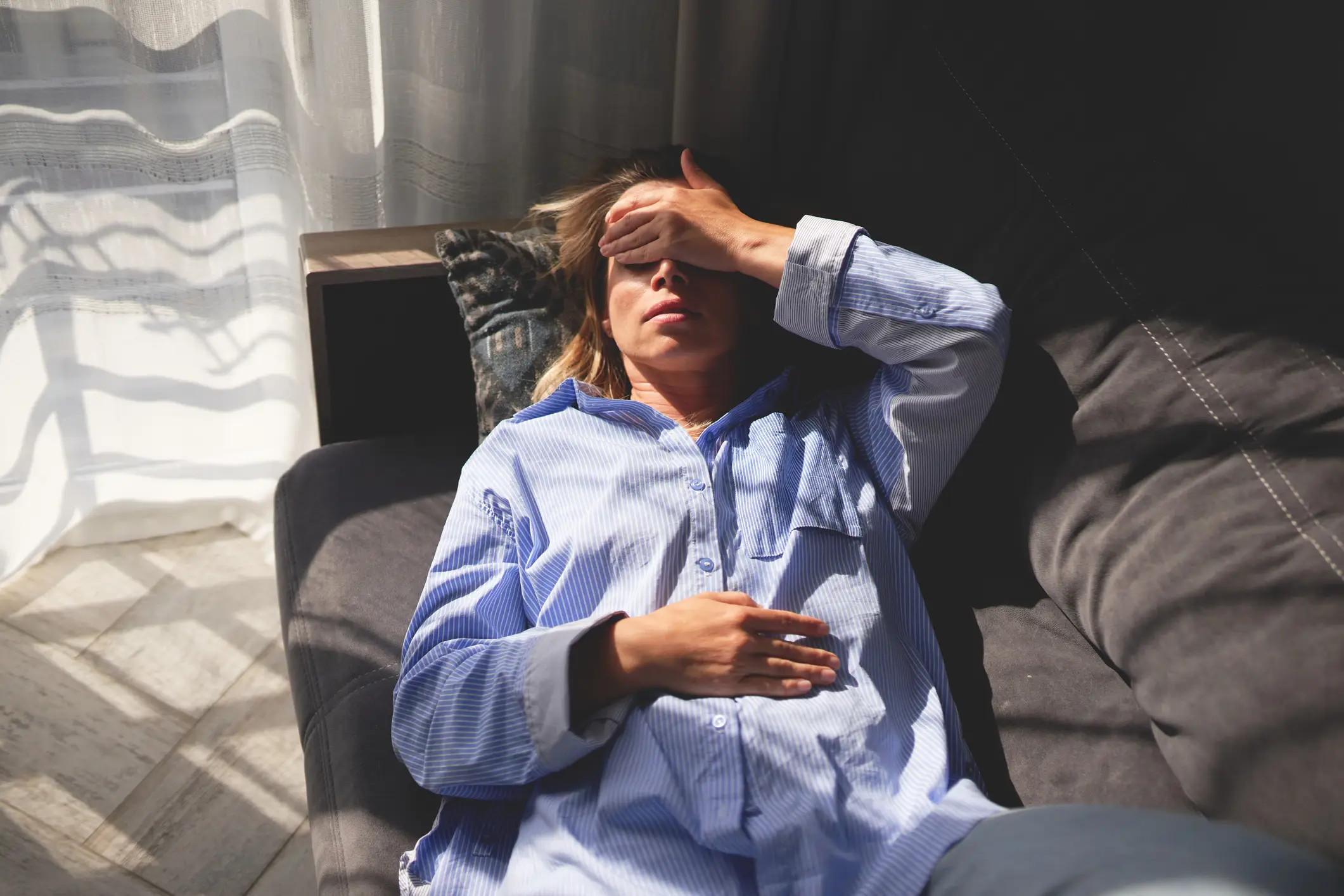
Fingers crossed there'll be more research to come!
If you are really suffering or if your period is very late, she warns: "In terms of when a period should be considered late, a delay of a few days is usually well within the normal range, particularly if someone’s cycles vary slightly from month to month. If there is any possibility of pregnancy following unprotected sex, it’s sensible to take a home pregnancy test once a period is overdue, as these are generally very accurate from the first day of a missed period."
"If the result is negative but the period still doesn’t arrive and pregnancy remains a possibility, I would usually recommend repeating the test after a couple of days. I would also advise seeking medical advice if several periods have been missed without an obvious explanation, if menstrual cycles suddenly become much more irregular than usual, if bleeding is unusually heavy, persistent or occurring between periods, or if there is a positive pregnancy test accompanied by pain or bleeding, as these are situations where we would want to investigate further to rule out any underlying medical concerns."
Topics: Women's Health, Periods, Weather, Health
 Jen Thomas