
GP shares reason why women are more likely to get uncomfortable infection ‘down there’ during heatwave

As the UK continues to be hit by heatwave after heatwave, many of us have been feeling under the weather.
Whether it's headaches from not drinking enough water, feeling faint from the heat, or losing your appetite with an upset tummy, there's a whole host of conditions that can strike when the temperature rises.
If you've been feeling embarrassed about health issues below the belt, you're not the only one.
Around 75% of women experience thrush at least once in their life.
Advert
IQdoctor's GP and medical adviser, Dr Suzanne Wylie, has revealed why this unusually hot weather can lead to an increase in common intimate infections
The doctor advises of those 75%, at least half will have more than one episode.
She says 'the heat itself is not the direct cause' but it can cause issues which trigger it, and can also cause a separate condition called bacterial vaginosis (BV).

"During warmer weather, people tend to sweat more, spend longer in tight-fitting clothing or damp swimwear, and are often more physically active," she says.
This can build up to causing a time bomb for your intimate health, she warns: "Together, these factors create a warm, moist environment that can encourage an overgrowth of Candida yeast or disrupt the natural balance of bacteria within the vagina."
So what causes thrush and BV? "Thrush develops when the naturally occurring Candida yeast overgrows, while bacterial vaginosis occurs when the balance of healthy vaginal bacteria is disrupted."
Summer habits such as 'staying in wet swimwear, drinking more alcohol or changes in diet' can also act as contributing factors for some women.
It seems that men don't suffer as much with it.
Dr Wylie says: "Hot weather does not appear to increase the risk of similar genital infections in men to the same extent. Men can occasionally develop a candidal infection, particularly if they have diabetes, a weakened immune system, or experience prolonged moisture and friction around the genital area."
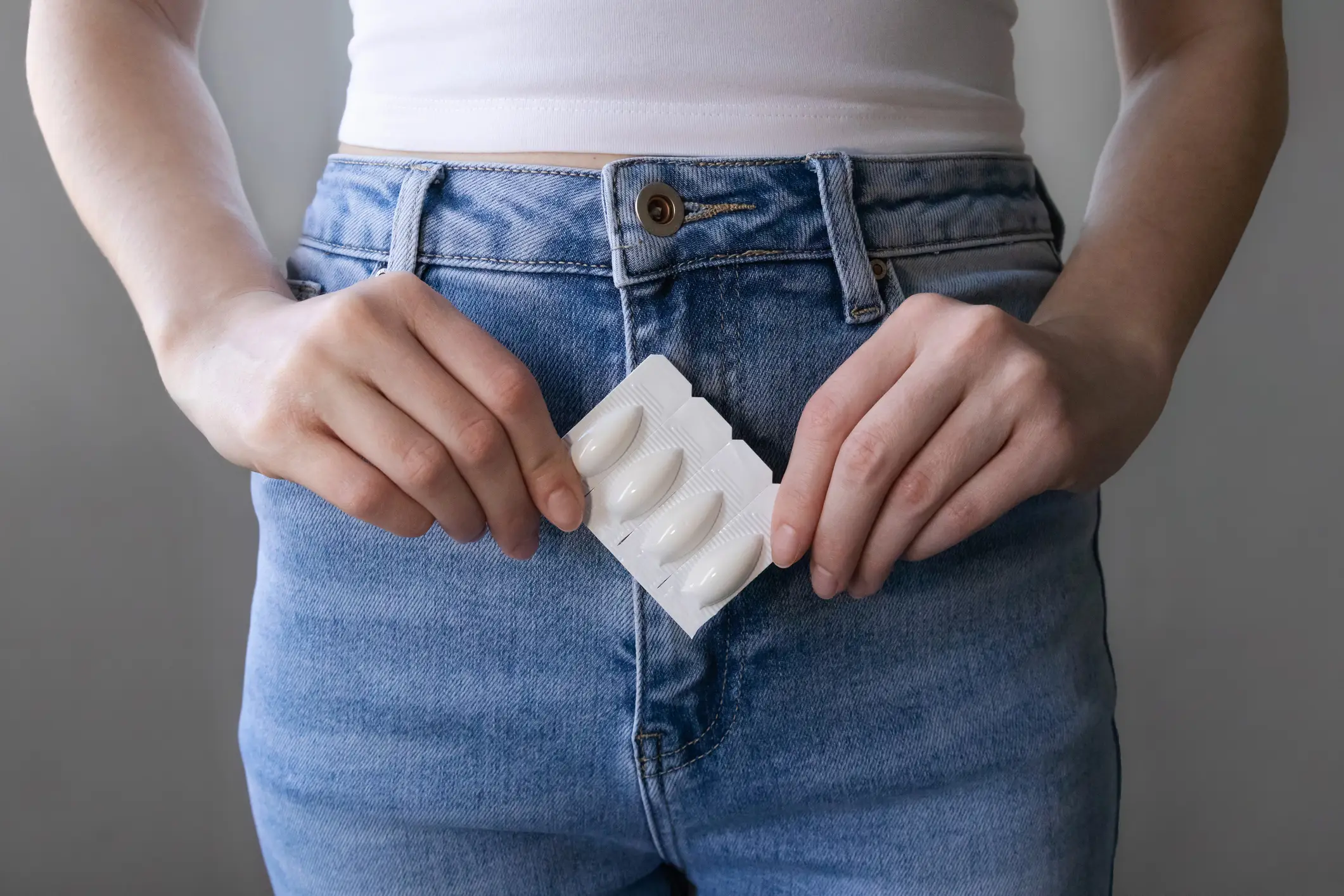
"Symptoms may include redness, itching or soreness around the head of the penis, especially in uncircumcised men, but these infections are much less common than vaginal thrush in women," she added.
So if you're struggling, what can be done to ease it? "During hot weather, there are several simple steps women can take to reduce their risk," says the doctor.
"These include changing out of wet swimwear or sweaty gym clothes promptly, wearing loose-fitting cotton underwear, avoiding prolonged periods in tight synthetic clothing, and washing the genital area with water or a gentle, fragrance-free cleanser rather than scented soaps or vaginal washes," she added.
However, there's one method of cleaning that you should skip: "Douching should also be avoided, as it can disrupt the healthy bacteria that help protect against infection."
The doctor advises: "Anyone with severe symptoms, recurrent infections, symptoms that do not improve with over-the-counter treatment, or uncertainty about whether they have thrush or bacterial vaginosis should seek medical advice, as other conditions can cause similar symptoms and may require different treatment."
Topics: Women's Health, Weather, Health, UK News
 Jen Thomas