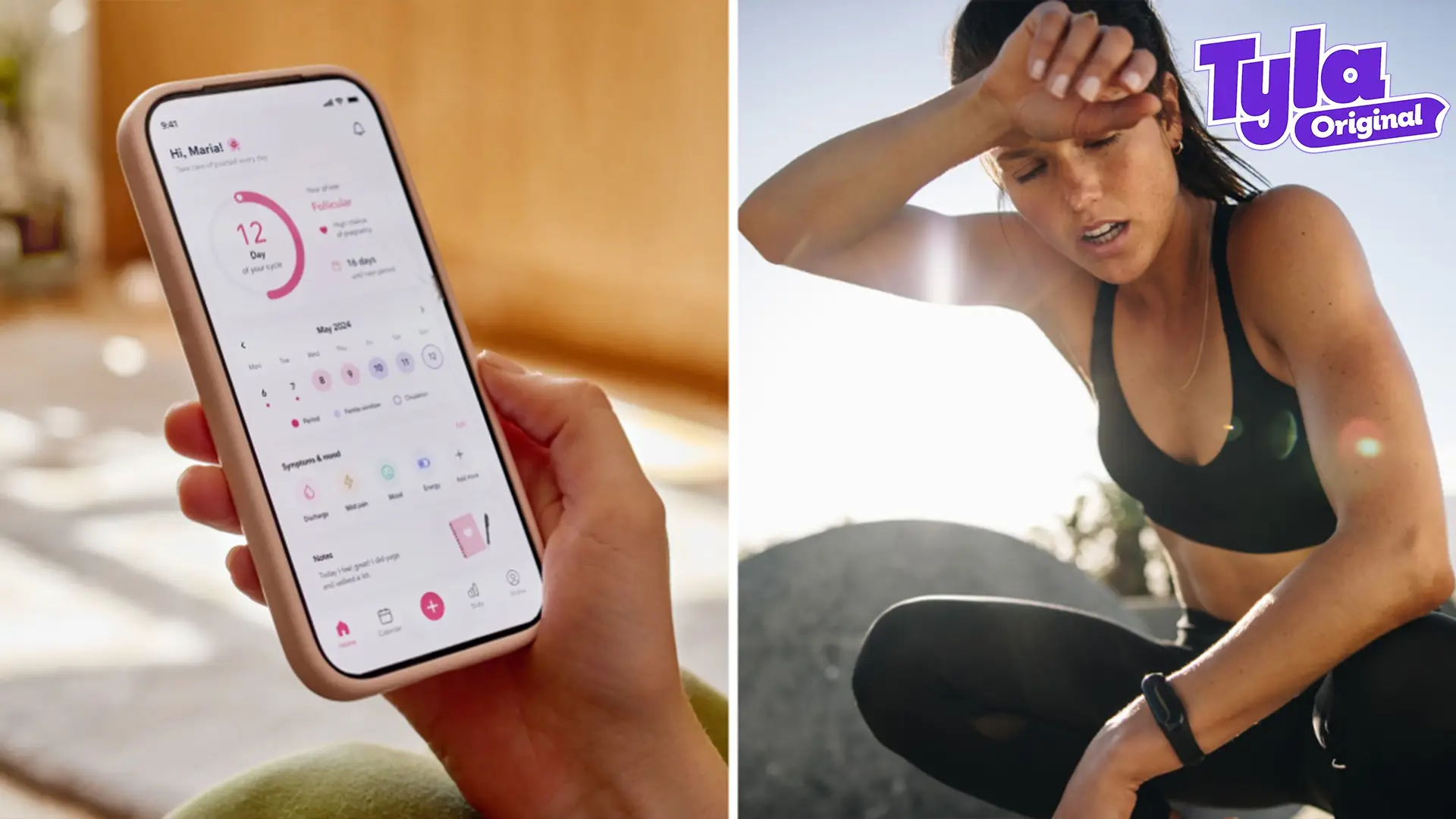
'Cycle syncing' debunked as expert says women should stop changing workouts around their period

In recent years, it's felt impossible to scroll through TikTok or Instagram without stumbling across another social media influencer sharing their 'cycle syncing' routine, professing that it totally changed the way they work out.
Whether it's swapping HIIT workouts for yoga during your luteal phase, changing your means depending on what day you're at, or promoting supplements and de-bloating products designed to 'work with your hormones', the wellness trend has become one of the online arena's biggest obsessions.
Searches for 'cycle syncing' - which has become something of a buzzphrase - have exploded online, with thousands of creators claiming women can optimise everything from their workouts and diets to their productivity and relationships by aligning their lifestyle with the four phases of menstruation.
And let's not kid ourselves, a lot of them are pretty convincing.
Advert
After all, hormone levels do naturally fluctuate throughout the month, so it seems logical that your body would need something different depending on whether you're menstruating, ovulating or in your luteal phase.
But according to one of the world's leading experts in female physiology, that's not actually what the science says.
Professor Kirsty Elliott-Sale - a professor of female endocrinology and exercise physiology, who has worked with elite athletes from Arsenal Women's and British Rowing - believes the conversation around cycle syncing has become oversimplified.
'There's a gap between awareness and action'
Rather than changing your training programme to fit your 'time of the month', she says women should instead focus on understanding their own symptoms and tackling them proactively, allowing them to continue exercising as normal whenever they can.

"There seems to be a big gap between awareness and action," Kirsty exclusively told Tyla, acknowledging that, while many women notice differences in how they feel across their menstrual cycle, this doesn't necessarily mean their muscles are suddenly weaker.
Her comments come as new research from Optimum Nutrition's STRONG: The Female Strength Report, which Professor Elliott-Sale co-authored, found that 86 per cent of women are aware ovarian hormones can affect physical and mental strength.
While 10 per cent of women interviewed for the project claimed they regularly adapt their training, nutrition or recovery around hormonal changes, 34 percent only do so occasionally. Meanwhile, 41 per cent make no changes at all, and 14 per cent admitted they'd like to adapt, but don't know how.
"As we saw in the report, the majority of women we spoke to were aware of these female-specific ovarian hormones having the ability to impact our strength and performance, either through their own experience, or having observed it in other women," Kirsty noted.
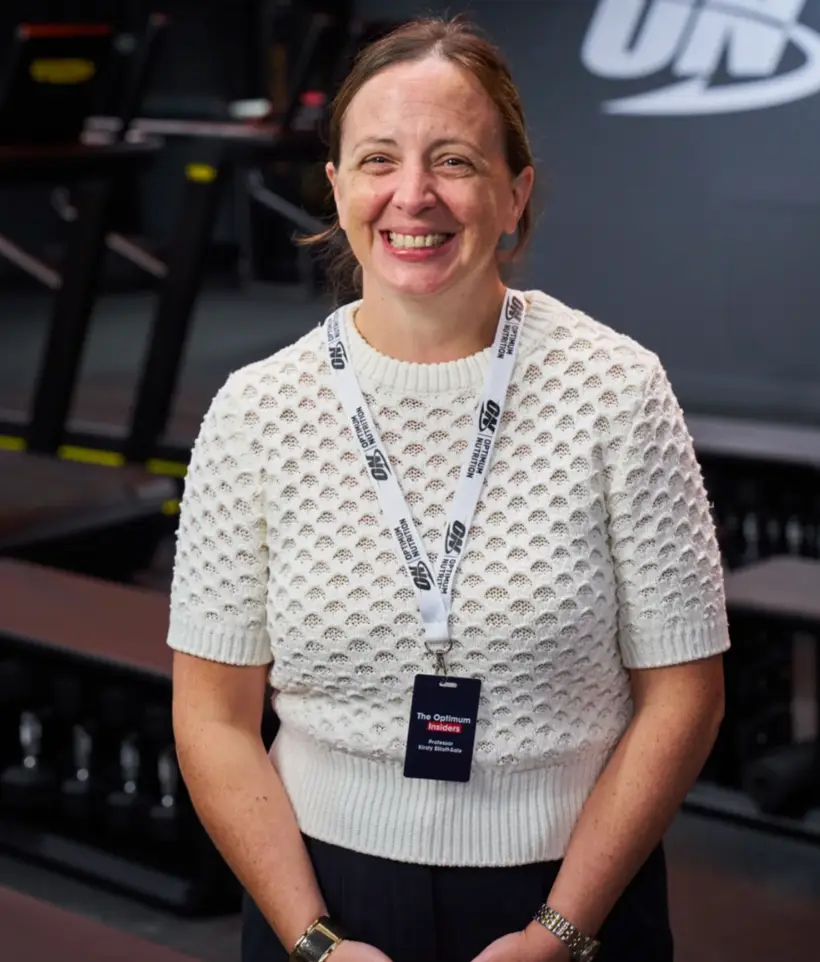
"If you are someone whose exercise regime is impacted by menstruation, or the menopause, you might be wondering what you should do about it - how you should navigate fitness while these hormones are affecting you."
'Cycle syncing has been communicated poorly through social media'
Social media appears to be playing a significant role in the spreading of misinformation.
The report found platforms like TikTok and Instagram are now the biggest source of information about ovarian hormone health, with 28 per cent of women saying they rely on social media for advice.
Among women aged 18 to 24, that figure rises dramatically to 56 per cent, overtaking healthcare professionals and scientific research as the go-to source of information. It's perhaps no surprise, then, that cycle syncing has become such a dominant wellness trend online.
For Kirsty, however, the biggest misconception she's observed that comes from this world is that every woman should follow the same blueprint.
'Menstrual hormones don't make your muscles weaker'
"Something I believe has been communicated poorly through the media - and through social media - is that women should fuel depending on the stage they're at in their menstrual cycle," she told us. "Actually, the research from a biological perspective doesn't support that idea.
"If your hormones are changing, they don't suddenly rush to your muscles or make them weaker. There's no biological effect."
She continued: "We, of course, hear women say they feel different, possibly weaker during certain phases, but this is probably an indirect effect of menstruation. It could be that they have a physical or emotional symptom linked to that phase, like stomach cramps while menstruating, or gastrointestinal distress while ovulating."
So, basically, it's not the hormones themselves weakening your muscles. Instead, symptoms associated with different phases of the menstrual cycle may make exercise feel harder or less appealing.
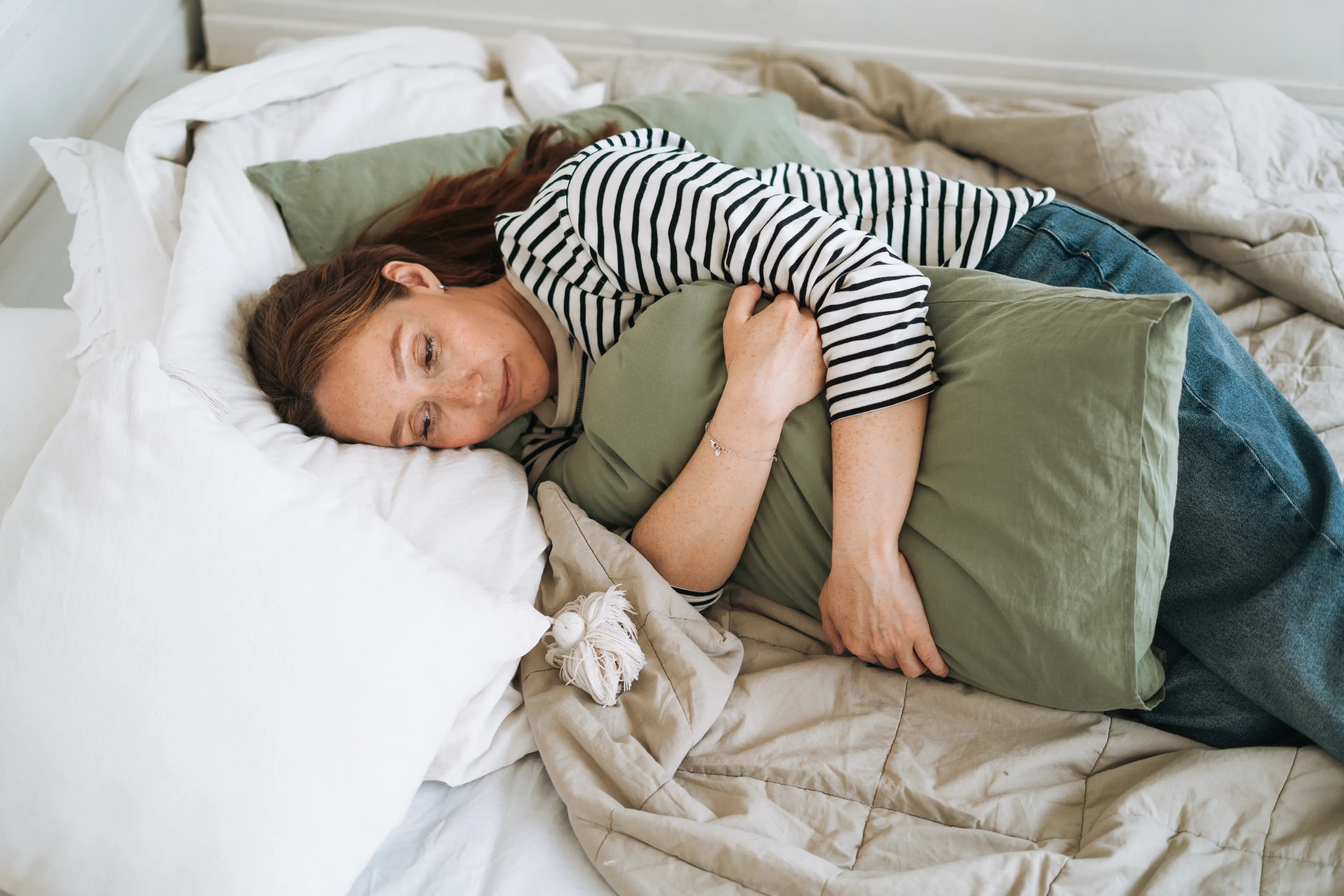
It's a distinction that Kirsty says, as someone who has spent her career encouraging women and girls to strive for a happy, healthy lifestyle, is crucial.
"We want to signpost women to the appropriate action," she continued. "So, we're probably going to say quite strongly that phase-based training and nutrition isn't the way forward.
"It's a universal blueprint that won't work. One woman's experience will be different to someone else's."
'Work with your female biology, not against it'
Instead of automatically cancelling workouts or scaling back every month because an app or influencer told you to, Kirsty believes women should become more familiar with their own bodies and identify patterns in the symptoms they actually experience.
"We'd recommend working with your female biology, not against it," she explained. "If you feel like you're enduring negative symptoms - either physical or emotional - you know when they're going to kick in.
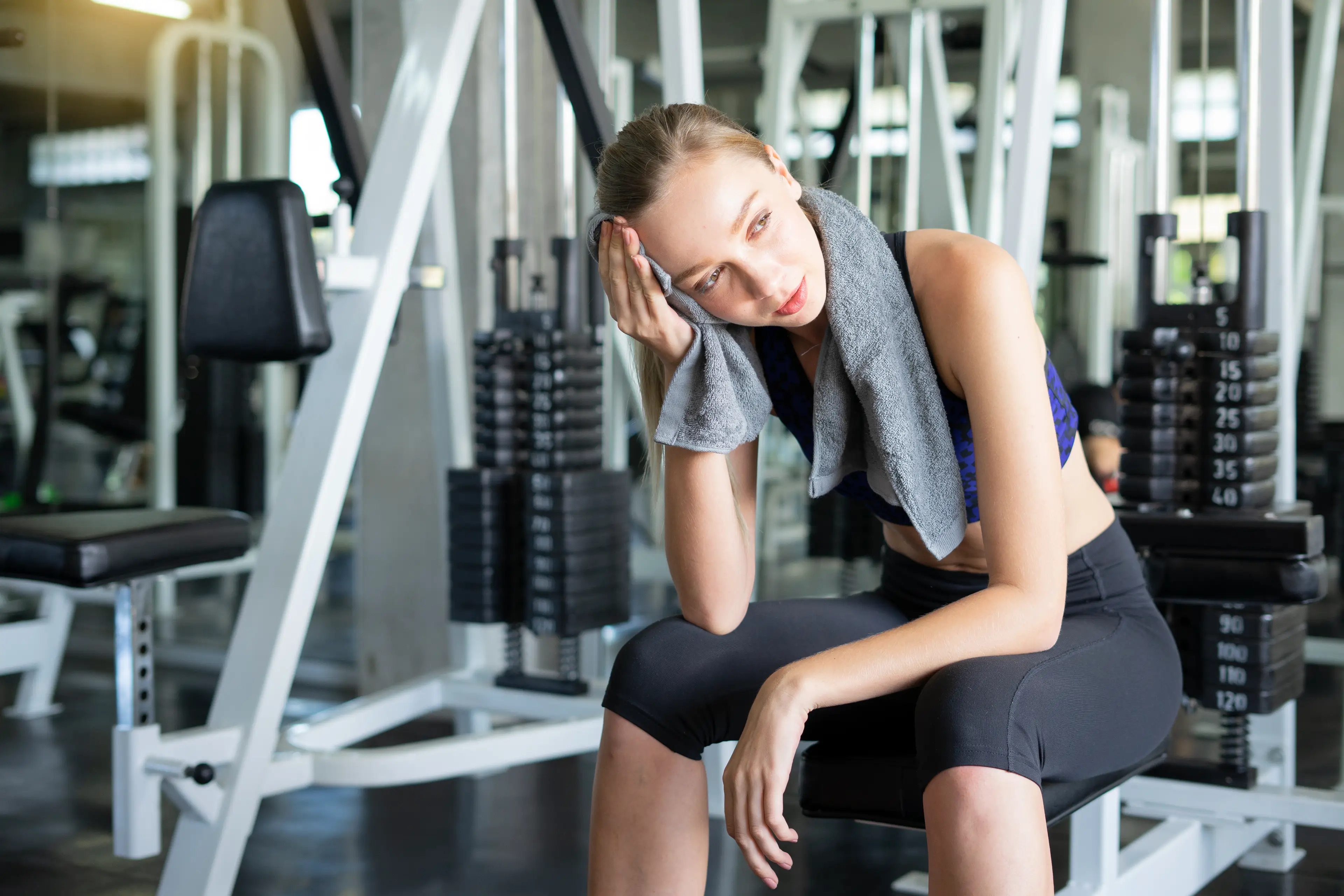
"There's a reason the menstrual cycle is named as such. You can anticipate when it's going to happen."
It's a practice Kirsty claims she's already installed into the routines of the elite female athletes she works alongside, many of whom allegedly keep diaries to track their symptoms, training, nutrition, hydration and daily habits, so they can tackle issues when they arise.
She recalled the case of one sportswoman, whose supposedly hormone-related woes turned out to have a completely different cause.
'We encourage elite athletes to anticipate their symptoms, not adapt to them'
"One athlete, for example, was suffering severe headaches that she was convinced were caused by her being about to menstruate," Kirsty explained. "After we made a diary of her daily habits and routines, we discovered they were actually being caused by a lack of proper hydration.
"From there, we were able to combat the issue before it affected her training and performance."
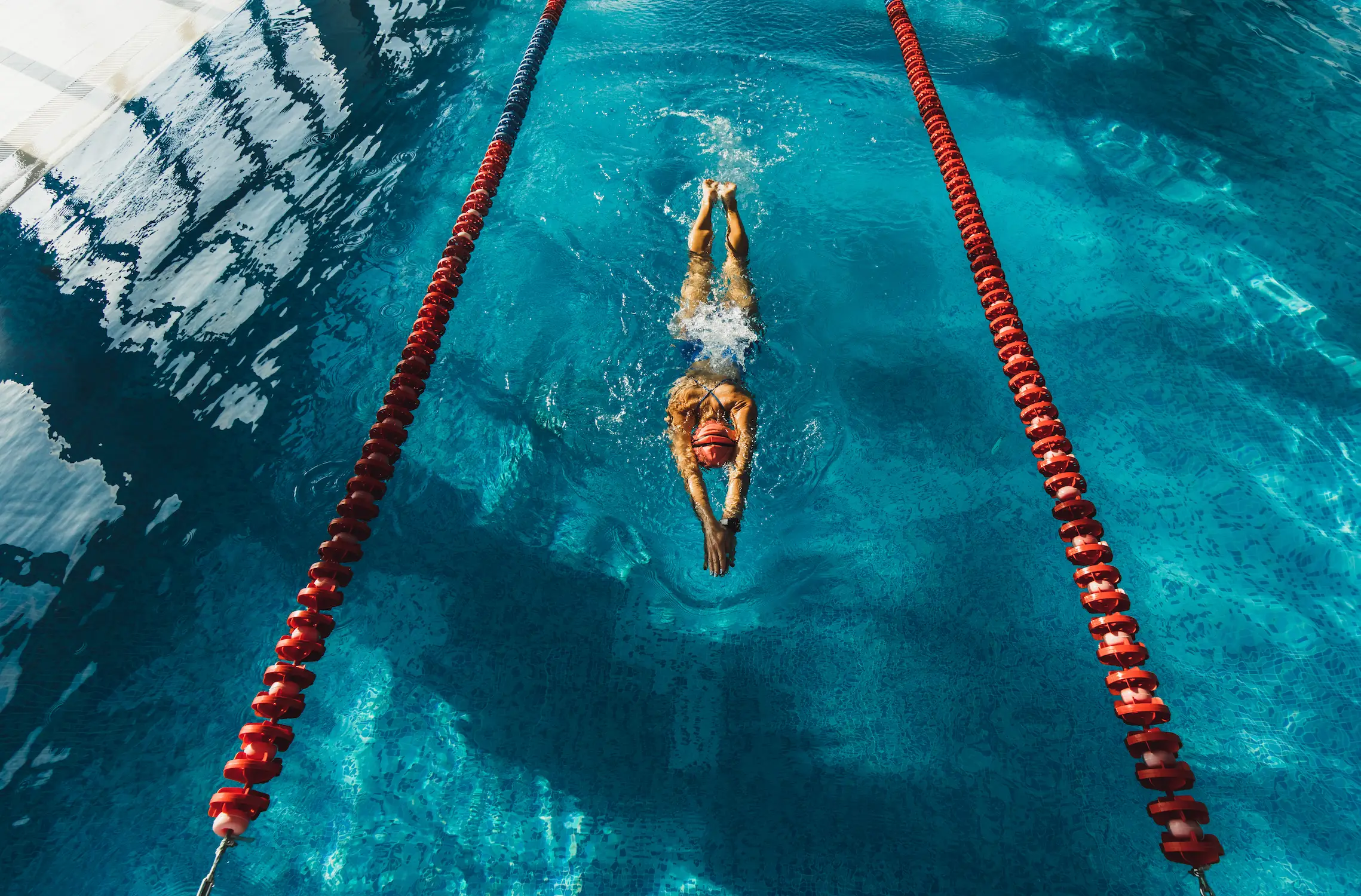
While she admits that cases involving professional athletes are 'extreme examples', Kirsty believes the 'same rules should apply'.
"A woman might have a physically laborious job, like a firefighter or an army soldier, where it wouldn't be appropriate for them to turn down work due to the phase of their menstrual cycles," she suggested.
"That's why self-education is key, along with not comparing your experience to others. We encourage athletes to anticipate their symptoms so they can continue training at the same level.
"These teachings should be trickled down to the 'average' gym-goer."
Ultimately, Kirsty strongly believes women deserve better than simply accepting the often-painful fate of menstruation.
'The cycle syncing narrative is actually quite superficial'

"Who wants to suffer?" she asked. "Who wants to have days every cycle when you can't do what you want to do? We don't want to resign to the myth that we're 'all affected' and all have the same responses to our hormones.
"We're all very different, so rather than adapting all the time, let's bring in interventions that are proactive."
Again, for Kirsty, it all comes back to the misinformed 'one-size-fits-all' narrative we often observe on social media.
Sure, the 'cycle syncing' trend has encouraged more open conversations about periods and female health, but she says the advice being shared on this subject often ignores the very important fact that no two menstrual cycles are the same.
"The 'cycle syncing' narrative is actually quite superficial," she emphasised. "It implies all women who menstruate need to carry out this 'stage' approach.
"That's definitely the biggest myth out there. Social media is saturated with it, and the content is compelling or engaging."
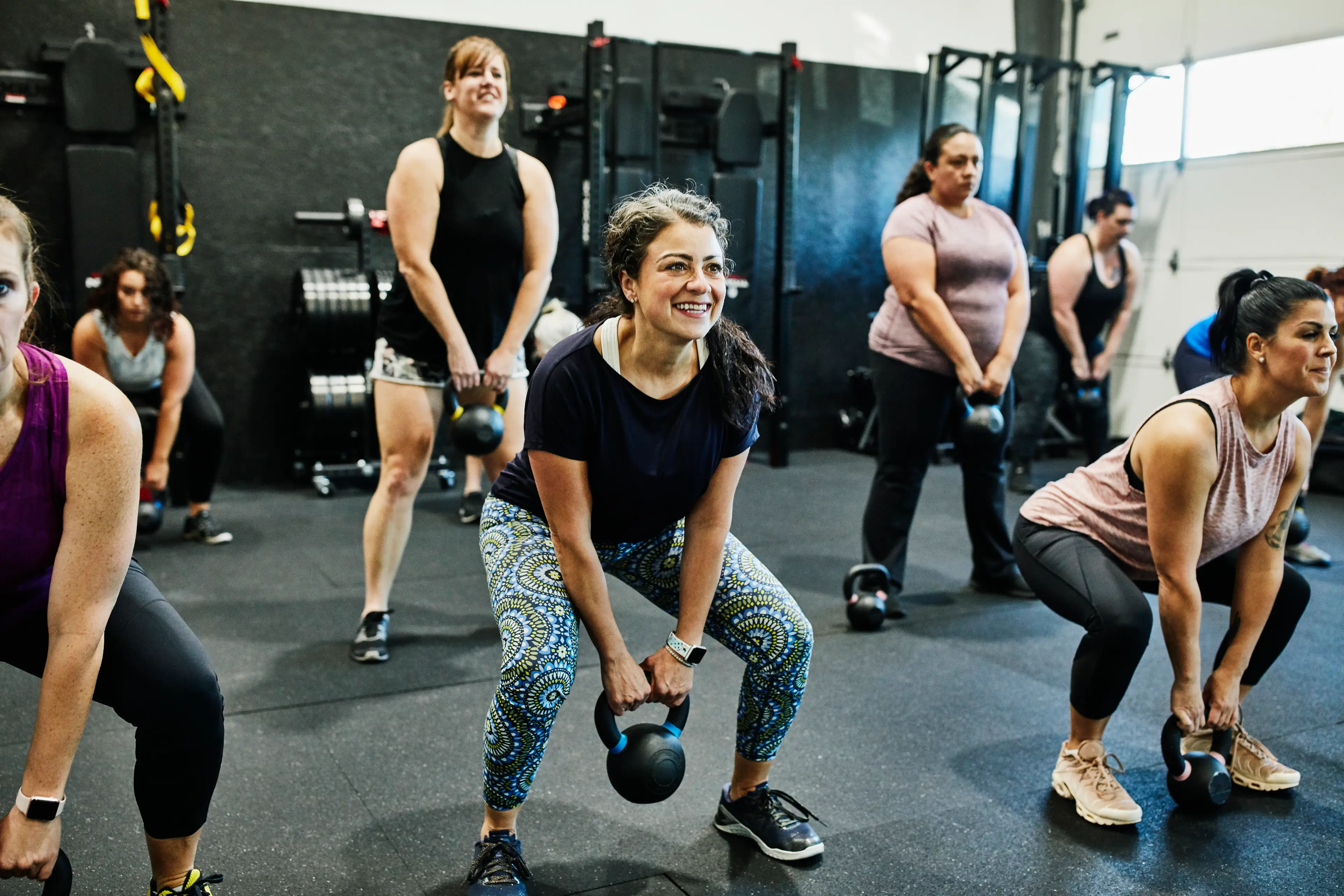
Kirsty admitted: "In some ways, it makes theoretical sense - if our hormones change, as does our ability to train - but it's important to note that this is actually a two-part system. All I can do is speak for science, and science doesn't support this practice.
"One size never fits all."
Topics: Periods, Women's Health, TikTok, Advice, Health
 Rhianna Benson