Urgent warning over drug-resistant ‘super fungus’ as doctors reveal rash can be sexually transmitted

Experts have expressed their concern as cases of a 'super fungus' continue to surge in the UK.
And worse still, the fungus is said to be drug-resistant to terbinafine, a medication available on the NHS to treat it.
This fungus, called trichophyton indotineae, is described as a 'newly identified dermatophyte species' by experts, and it is said to flourish in the groin and bum area, causing 'formidable' rashes, as well as skin lesions.
It reportedly accounts for 38 per cent of dermatophyte isolates referred to the UK National Mycology Reference Laboratory.
Advert
The condition was rarely heard of in the UK until recent years, with reports claiming a 500 per cent rise over the last three years, and one expert has said it is becoming 'a really big problem'.
What is T. indotineae and its symptoms?
NHS Manchester University says that t.indotineae is an 'antifungal‑resistant dermatophyte initially reported in South Asia around 2014'.
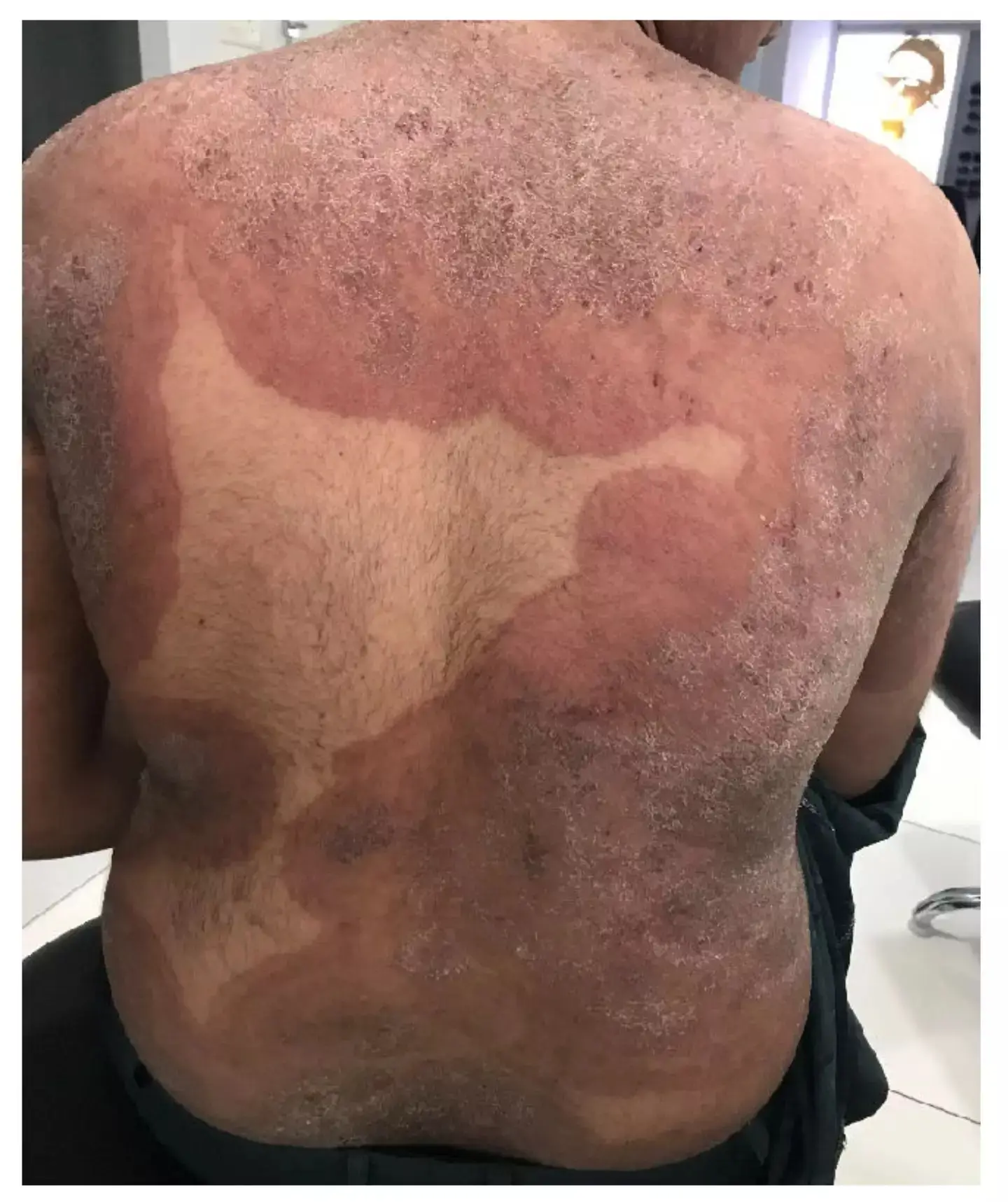
The fungus is essentially a type of ringworm, which is a common fungal infection; however, it has mutated to build resistance to anti-fungal medication.
It is also highly contagious and mostly spreads through skin-to-skin contact with an infected person, with potential sexual transmission also being reported.
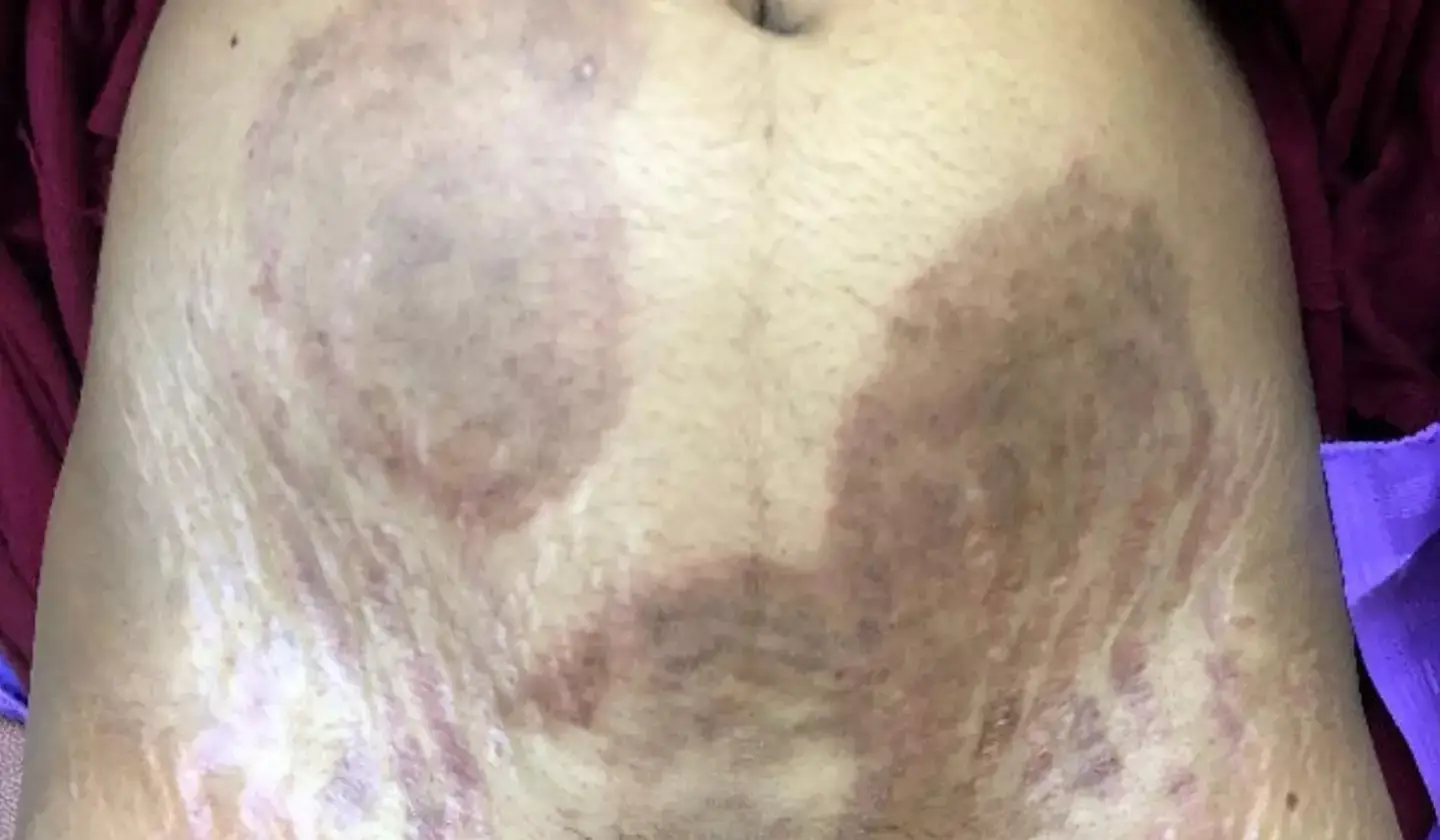
Symptoms of t.indotineae include an 'angry' and 'formidable' rash that can spread to areas of the body, like the crotch, buttocks, and thighs. And if left untreated, it could spread to more visible areas, like the face.
Severe infections can also leave permanent scarring.
Because of its resistance to anti-fungal medications, patients have to undergo lengthy treatments in a hospital with itraconazole, which can carry several side effects, as well as cause potential liver damage or heart problems.
What have experts said about T. indotineae?
Dr David Denning, who is an infectious diseases expert at the University of Manchester, said to The Sun: “It is very socially limiting. Some people won’t feel like they can leave the house or go to work. They can become social pariahs.”
Meanwhile, Professor Darius Armstrong-James, a fungal specialist at Imperial College London, had said it is 'becoming a really big problem in the UK', adding: We don't know how endemic, or pandemic, it will get here, but already, the growing frequency of new cases coming into hospitals is very concerning.
"It could be easily mistaken for eczema or psoriasis if tests are not conducted.”
In May, the UK Health Security Agency (UKHSA) said that travel history was available for 36 cases, with 34 (94 per cent) having travelled to South Asia.
However, there have also been reports of domestic cases without any travel involved.
They also warned medical professionals to suspect t.indotineae in cases of 'infections of the groin, buttocks and thighs, especially in patients with links to S. Asia or where there is treatment failure with terbinafine'.
Topics: Health, Women's Health, Sex and Relationships
 Jen Thomas