Why your skin changes in your late 30s (and what actually helps)

There's no big, dramatic moment when your skin decides to change as we age.
It’s more that, somewhere in your late 30s, you start noticing things aren’t quite the same as they used to.
Your face feels tighter after washing. Your usual moisturiser doesn’t seem to keep your skin hydrated for quite as long. Product that have been your holy grail for years suddenly feel irritating, and now when your skin has a reaction, it can hang around for days rather than just simply disappearing overnight.
Read more: Skin barrier repair: the complete guide
Advert
For women experiencing skin changes as they head towards their 40s, it can be particularly confusing because nothing necessarily looks drastically different. Your skin just feels… different.
If you’re wondering why your skin is different in your late 30s, there isn’t one straightforward answer. Some changes are part of the normal ageing process, while hormones can start to influence what’s happening beneath the surface.
That doesn’t mean every new dry patch or irritation is a sign of perimenopause.
Hormonal changes happen on very different timelines for everyone, and there are plenty of other reasons your skin might suddenly become drier or more sensitive.
Oestrogen does have an important role in your skin health, though, and understanding what it does can help explain why the skin you have in your late 30s might need something different from the skin you had a decade ago.
What’s actually happening to your skin in your late 30s
One of the biggest clues to understanding these changes is the skin barrier.
The outermost layer of your skin helps prevent water from escaping while keeping potential irritants out.
Ceramides are naturally occurring lipids that form part of this barrier, helping to keep the structure of the skin intact and moisture locked in.
And oestrogen is involved in this process.
Dr Nikki Ramskill, women’s health GP and founder of The Female Health Doctor clinic, explains: "We have oestrogen receptors in the skin, and oestrogen helps support collagen, elasticity, hydration and the skin barrier. So, when oestrogen starts fluctuating and eventually declining, your skin can start to behave differently."
That relationship becomes particularly relevant when you start noticing dryness.
Read more: La Roche-Posay Cicaplast review: the TikTok balm, tested
Oestrogen supports several processes involved in keeping skin hydrated, including the substances that help maintain the barrier.
As Dr Nikki Ramskill explains: "Oestrogen helps the skin retain water and supports substances involved in hydration and barrier function, including ceramides, sebum and hyaluronic acid. As oestrogen levels fluctuate and decline, the skin can become less effective at holding onto moisture."
Ceramides are particularly important because they help hold the skin barrier together. Dr Nikki Ramskill uses a simple comparison: "Think of the outer layer of your skin a little like a brick wall. The skin cells are the bricks, while lipids including ceramides help form the ‘glue’ between them."
That glue helps create the barrier that keeps moisture in and irritants out.
Read more: Skin barrier repair on a budget: affordable skin barrier repair under £15
When the barrier becomes less effective, water can escape more easily, leaving skin feeling dry, tight or more easily irritated.
As Dr Nikki Ramskill puts it: "That ‘glue’ is important because it creates a barrier that helps keep moisture in and irritants out.
Oestrogen supports several aspects of skin hydration, including ceramide production. As oestrogen declines, that barrier may not work quite as efficiently. Water escapes more easily, and skin can become dry, tight and more easily irritated."
Facial ceramide levels are also thought to fall to around 60 percent of youthful levels by your 30s, which may help explain why skin can start feeling drier and less resilient with age.
As oestrogen supports ceramide production too, hormonal changes can add to those changes in the skin barrier.
As Dr Nikki Ramskill explains: "It isn’t necessarily a case of suddenly ‘having bad skin’, the biology of the skin itself may be changing."
Beyond dryness: what else shifts?
Dryness might be the first thing you notice, but it isn't necessarily the only change.
Skin naturally becomes less resilient with age. Collagen, elasticity and cell turnover all change over time, while hormonal fluctuations can add another layer to what your skin is experiencing.
For some women, that can mean skin that feels more sensitive or fragile than it once did. Fine lines may become more noticeable, and irritation can take longer to settle.
Dr Nikki Ramskill says women may notice:
- Increased sensitivity or itching
- Fine lines becoming more noticeable
- Reduced firmness or elasticity
- Skin feeling thinner or more fragile
- Changes in acne, particularly around the jawline
- Changes in pigmentation
- Rosacea becoming more noticeable, especially alongside flushing
- Hair becoming thinner or changing texture
That doesn't mean all of these changes will happen, or that they will happen at the same time.
Your skin is influenced by much more than hormones, including genetics, sun exposure, environmental factors, medications and existing skin conditions.
However, oestrogen is involved in several of the things that help maintain the skin's structure and hydration.
"Oestrogen helps maintain skin thickness, collagen, elasticity and moisture, so falling levels can affect much more than dryness alone," says Dr Nikki Ramskill.
That may help explain why your skin can seem to recover more slowly from irritation than it once did.
A routine that was perfectly comfortable a few years ago may suddenly leave you feeling dry or sore, particularly if it contains several exfoliating or active ingredients.
Although dryness is often the change people associate with ageing skin, it doesn't necessarily mean breakouts are off the table.
Some women can experience changes in acne at the same time as their skin becomes drier or more sensitive, which can make this stage particularly confusing.
The result can be skin that feels less predictable than it used to.
Is this perimenopause?
This is the bit that can be difficult to untangle.
If you're in your late 30s and your skin has suddenly changed, it can be tempting to assume that hormones are responsible. And hormonal fluctuations can play a role. But dry skin by itself isn't enough to tell you that you're in perimenopause.
"Possibly, but dry skin on its own doesn’t diagnose perimenopause," says Dr Nikki Ramskill.
Perimenopause most commonly begins in your 40s, although it can start earlier.
More importantly, there is no universal timeline that means every woman reaches the same hormonal stage at the same age.
Dr Nikki Ramskill says she would be more suspicious of a hormonal contribution when skin changes happen alongside other symptoms such as "periods becoming different, hot flushes or night sweats, sleep disruption, mood changes, brain fog, headaches, vaginal dryness or changes in libido."
If your only complaint is that your face has suddenly become much drier, there are plenty of other possibilities to consider.
But, if you're also noticing changes to your periods or other symptoms associated with the hormonal transition, it's worth discussing the bigger picture with your GP.
And for women under 40, Dr Nikki Ramskill says significant changes shouldn't simply be written off as early perimenopause: "For women under 40, significant changes in periods or symptoms suggesting low oestrogen deserve medical assessment rather than simply being written off as ‘early perimenopause."
There are also plenty of non-hormonal explanations for dry or itchy skin, including eczema, thyroid problems, iron deficiency, medications and environmental factors.
If you're asking whether the skin changes you're experiencing in your late 30s mean you're in perimenopause, the honest answer is that they might have a hormonal component, but your skin can't tell you that on its own.
What skincare actually helps?
Your first instinct might be to change everything in your skincare routine after noticing a change in your skin.
However, when your skin is becoming drier or more reactive, simplifying your routine can actually make more sense than adding more products.
Dr Nikki Ramskill explains why: "A routine designed for oilier, more resilient skin in your 20s may suddenly be too harsh in your late 30s or 40s."
This is particularly relevant if you've built a routine around acids, exfoliants and other active ingredients.
When your skin barrier is already struggling, adding more can leave it feeling even more uncomfortable.
"If your skin is becoming dry and sensitive, piling on acids, exfoliants and active ingredients can make an already compromised skin barrier even more irritated."
Instead, the focus should be on supporting the barrier.
"Aim to support your rather than strip it: gentle cleansing, a good moisturiser or emollient, ingredients that support the skin barrier, and daily broad-spectrum SPF," says Dr Nikki Ramskill.
That doesn't have to mean completely rebuilding your routine.
A gentle cleanser and a reliable moisturiser may be enough to start with, particularly if your skin is telling you that your current routine has become too much.
Ceramide-containing products are one option if you're looking to support the barrier.
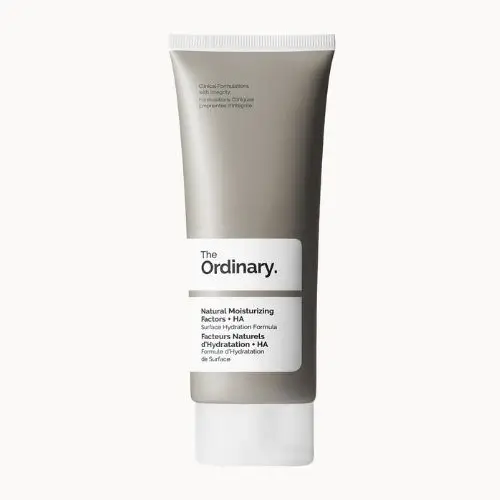
The Ordinary Natural Moisturising Factors + HA, £11.40
 The Ordinary
Formulated using a blend of amino acids, fatty acids and ceramides, this lightweight cream uses skin-identical ingredients to replenish lost moisture and visibly strengthen your skin barrier. Starring alongside these powerhouse ingredients are sodium PCA and hyaluronic acid to lock in lasting hydration.
CeraVe Moisturising Cream, Revolution Skincare Ceramides Moisture Cream and The Ordinary Natural Moisturising Factors + HA all incorporate ceramide-focused ingredients.
The BYOMA Moisturizing Gel Cream offers a lighter moisturising option and if your skin is feeling particularly dry or uncomfortable, La Roche-Posay Cicaplast Baume B5 can also be used as a comforting layer.
La Roche-Posay Cicaplast Baume B5+ Repairing Balm, £11
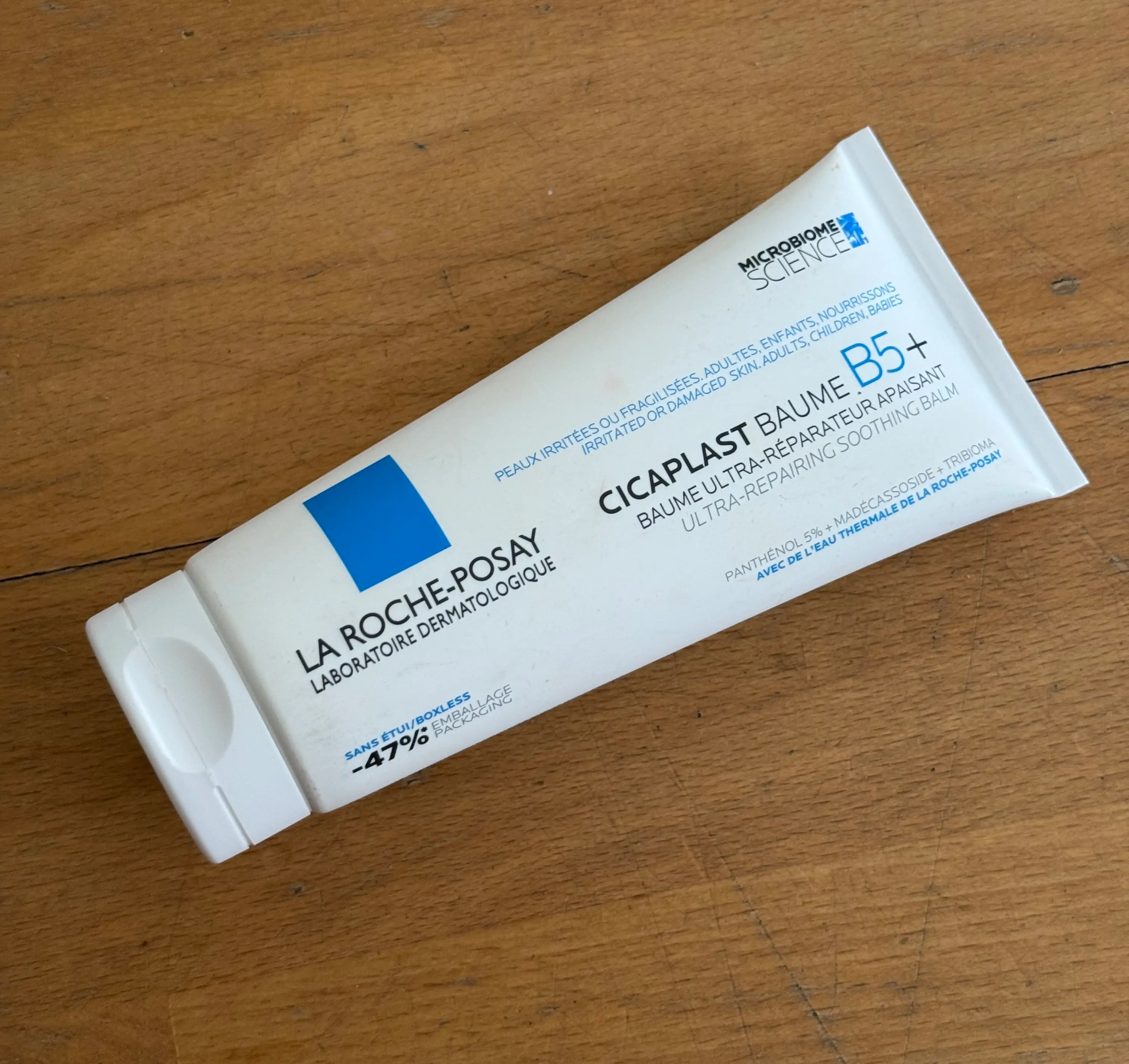
Reviewed by Affiliates Writer, Danielle Fowler, the TikTok viral Cicaplast Baume B5+ is a thick, rich moisturiser designed to intensely repair dry and damaged skin.
It's made up of vitamin B5 alongside the brand's Tribioma complex and madecassoside.
You don't need all five, though. The point is to find a moisturiser that suits your skin and use it consistently, rather than treating every change as a reason to add another active.
If you're looking at skin barrier repair in your 30s, the same principles apply: keep things gentle, moisturise regularly and avoid assuming that more exfoliation will solve every texture or dullness concern.
And understanding what ceramides actually do can make it easier to work out why they're appearing in so many barrier-focused moisturisers in the first place.
Daily SPF is important, too. As Dr Nikki Ramskill explains: "Avoiding harsh or heavily fragranced products may also help if skin has become sensitive. Sun protection remains particularly important because UV exposure accelerates collagen damage."
Ultimately, this isn't about trying to make your skin behave exactly as it did at 25.
It's about recognising that your skin can have different needs at different stages of life and adjusting your routine accordingly, without treating every change as something that needs fixing.
Is dry skin in your late 30s a sign of perimenopause?
Not necessarily. Dr Nikki Ramskill says that dry skin alone isn't enough to diagnose perimenopause.
If your skin changes are happening alongside changes to your periods, hot flushes, night sweats, sleep problems, mood changes or other possible hormonal symptoms, it's worth discussing them with your GP.
Why did my skincare stop working?
Your skin can become drier and more sensitive as you age, meaning products that were once comfortable may suddenly feel too harsh.
Dr Nikki recommends focusing on gentle cleansing, a good moisturiser or emollient, barrier-supporting ingredients and daily SPF rather than piling on more acids and exfoliants.
Should I see a doctor about changes to my skin?
Dr Ramskill recommends speaking to your GP if skin changes are sudden or severe, you're persistently itchy, you develop a new or unexplained rash, your skin is cracking or bleeding, or your symptoms aren't improving with simple measures.
She also recommends speaking to your GP if you're in your late 30s or 40s and skin changes are happening alongside changes to your periods, hot flushes, sleep problems, mood changes, vaginal dryness or other possible perimenopausal symptoms.
Your skin doesn't exist separately from the rest of your body.
Hormonal changes can show up in places you might not expect, and sometimes your skin is one of the first places you notice that something has shifted.
That doesn't mean every new dry patch or fine line is a sign of perimenopause.
It simply means that if your skin has gradually stopped behaving like it used to, there's more to consider than whether you've picked the wrong moisturiser.
 Rosie Floyd