Doctor issues advice after deadly sexually transmitted gut infection cases surge

A doctor has shared a warning amid the ongoing surge of the bacterial gut infection Shigella, which has been deemed a ‘distinct public health threat’.
A new study has revealed that sexually transmitted cases of the infection are spreading more rapidly than other strains and becoming increasingly resistant to antibiotics.
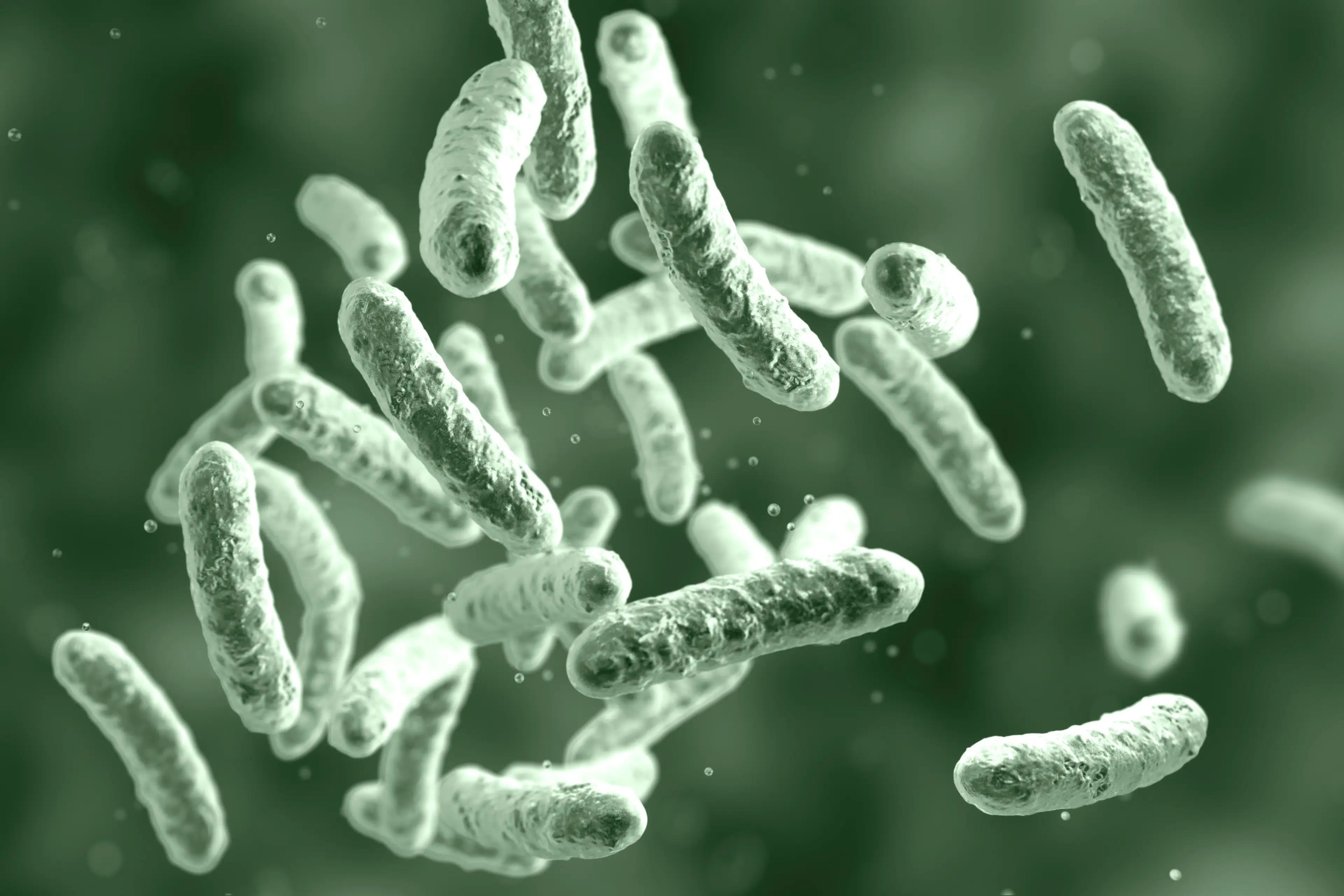
For those who are unfamiliar with the illness, Shigella is a bacterial infection that can cause severe diarrhoea and stomach cramps.
As outlined by the UKHSA (UK Health Security Agency), the infection is spread from person to person, often by eating food that has been prepared by an infected person or by touching surfaces contaminated by infected faeces.
Advert
Shigella can also be a sexually transmitted infection (STI), with strains such as Shigella sonnei and Shigella flexneri mostly impacting gay men, bisexual men, and other men who have sex with men.
There were 2,560 cases of sexually transmitted shigella in England in 2025, UKHSA figures show, up from 2,318 in 2024 and 2,052 in 2023.
As reported by Metro, although most people recover within a week, the illness kills more than 200,000 people annually across the world.
The deaths are mostly attributed to the dehydration that diarrhoea can cause, malnutrition, or intestinal perforation, which is a hole in the walls of the stomach or bowel.
What has the new study shown?
The new research, led by the University of Cambridge and UKHSA, analysed 3,514 samples of Shigella from people over the age of 16 in the UK between 2004 and 2020.
It found that over a third (34 percent) were collected from men who have sex with men, while 36 percent were domestic cases not associated with sexual transmission. The remaining samples were travel cases brought into the UK.
The study revealed, worryingly, that sexually transmitted cases of the infection spread more than twice as fast in terms of distance compared to other strains.
Over two and a half years, sexually transmitted Shigella strains spread more than twice as fast, averaging 117km in distance compared to 46km for non-sexually transmitted strains.
Researchers said the findings, published in The Lancet Infectious Diseases journal, show ‘the distinct and intensifying sexual transmission of shigellosis, highlighting the urgent need to address sexually transmissible shigellosis as a distinct health threat’.
Professor Kate Baker, senior author of the study from Cambridge’s Department of Genetics, said: “Many men who have sex with men are unaware of the serious and increasing risk posed by sexually transmitted shigella.
“Sexual infection is now a sustained part of shigella transmission in the UK.”
She added: “It is vital that this message reaches the communities most affected, so we can help to prevent the spread.
“Sexually transmissible shigellosis needs to be treated as a distinct public health threat, requiring different surveillance, prevention, and treatment strategies.”
A doctor’s advice on Shigella
In light of the news, Tyla spoke with Dr Giuseppe Aragona, GP and medical adviser for Prescription Doctor, who issued advice on the signs and symptoms of Shigella.
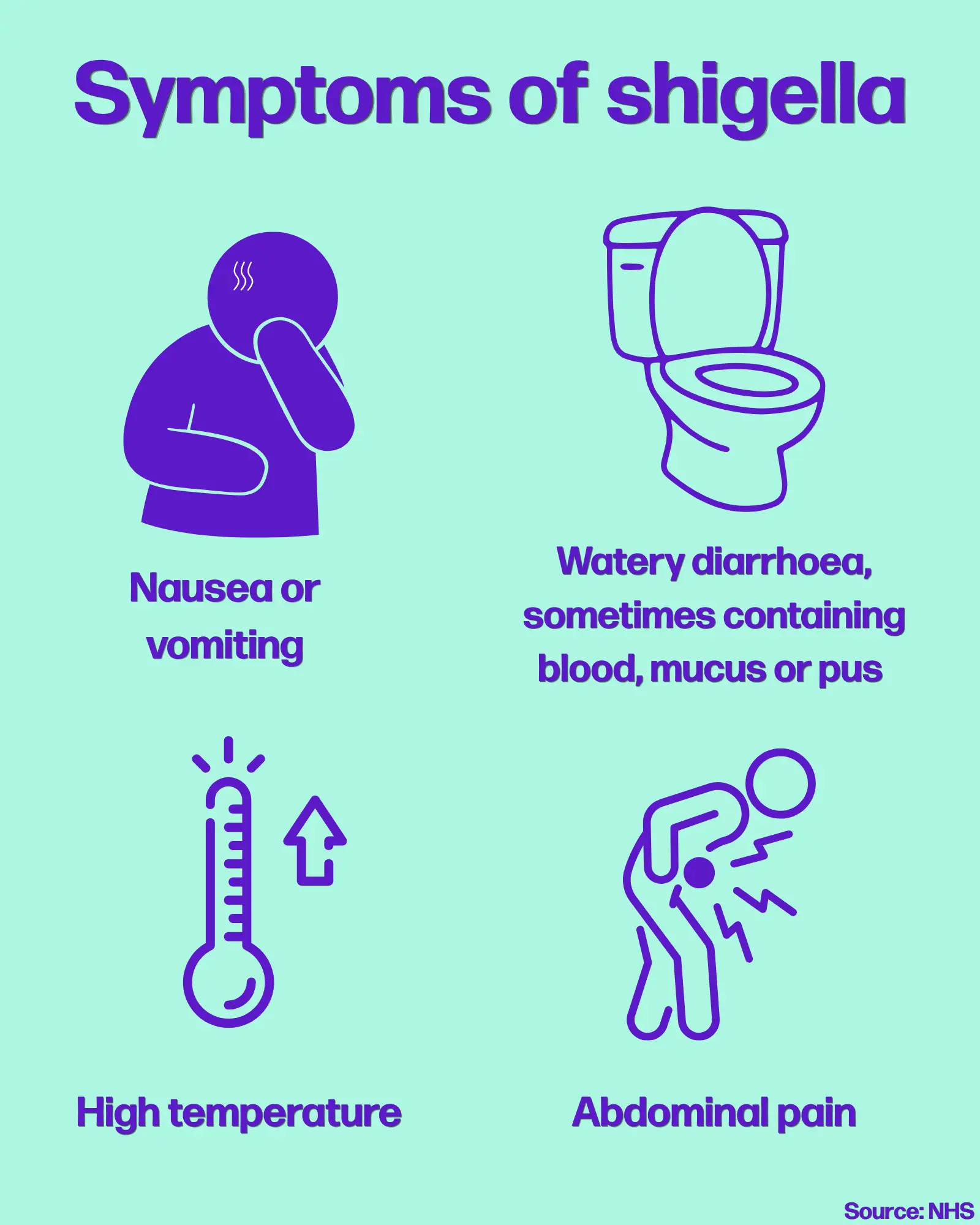
He explained that the illness most commonly leads to sudden diarrhoea, abdominal cramps, fever, and, in some cases, blood or mucus in the stools.
Dr Aragona said: “Symptoms usually develop within a few days of exposure and, whilst many people recover within a week, the illness can be particularly unpleasant and occasionally severe enough to require hospital treatment, especially in young children, older adults, or those with weakened immune systems.
“Persistent diarrhoea, signs of dehydration such as dizziness or reduced urine output, or significant blood in the stool should always prompt medical assessment.”
How to reduce the risk of Shigella

He advised that the best way to reduce your risk is through ‘good hand hygiene, particularly after using the toilet and before preparing or eating food, ensuring food is prepared safely, and drinking clean water when travelling to areas where sanitation may be poorer’.
The doctor advised: “If you have diarrhoea, it is important to avoid preparing food for others until you have fully recovered and to stay well hydrated.
“Where Shigella may have been acquired through sexual contact, avoiding sexual activity until symptoms have completely resolved and practising good hygiene before and after sex can help prevent passing the infection on.
“Anyone with persistent symptoms, severe illness, or concerns about sexual transmission should seek medical advice promptly, both to confirm the diagnosis and to help reduce further spread within the community.”
Topics: Health, News, UK News, Sex and Relationships
 Madison Burgess