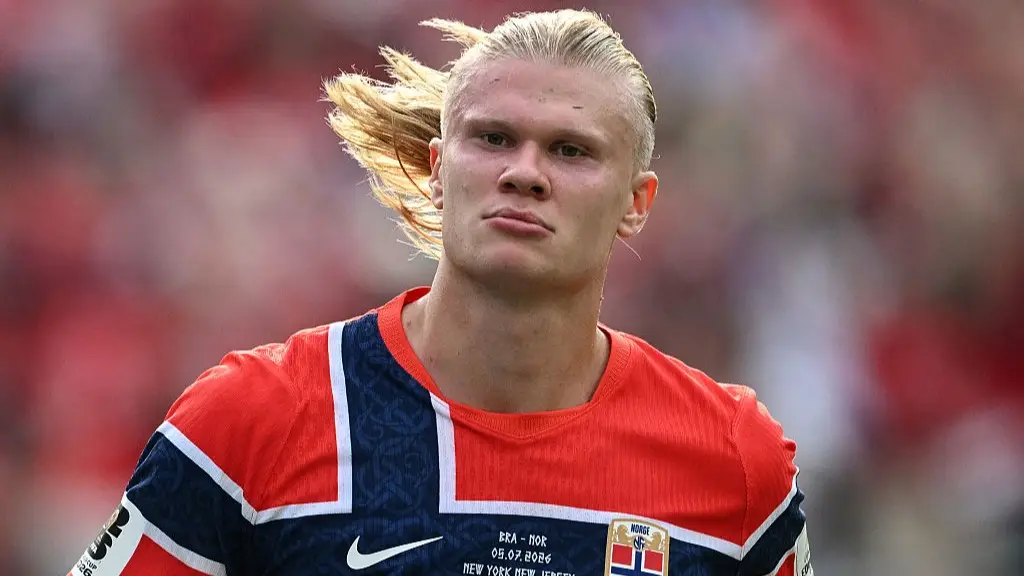
Bizarre rule that meant Erling Haaland could’ve played for England

In another world, Erling Haaland might've been part of England's team for the FIFA World Cup 2026.
Norway have established themselves as a team to look out for, having qualified for almost every match they've taken part in (except for their game with France), and now they'll face England in the quarter-final on 11 July.
Haaland is no stranger to English football teams, as he currently plays as a striker for Manchester City, and it even runs in his family, with his father, Alfie Haaland, having also played for City for three years between 2000 and 2003.
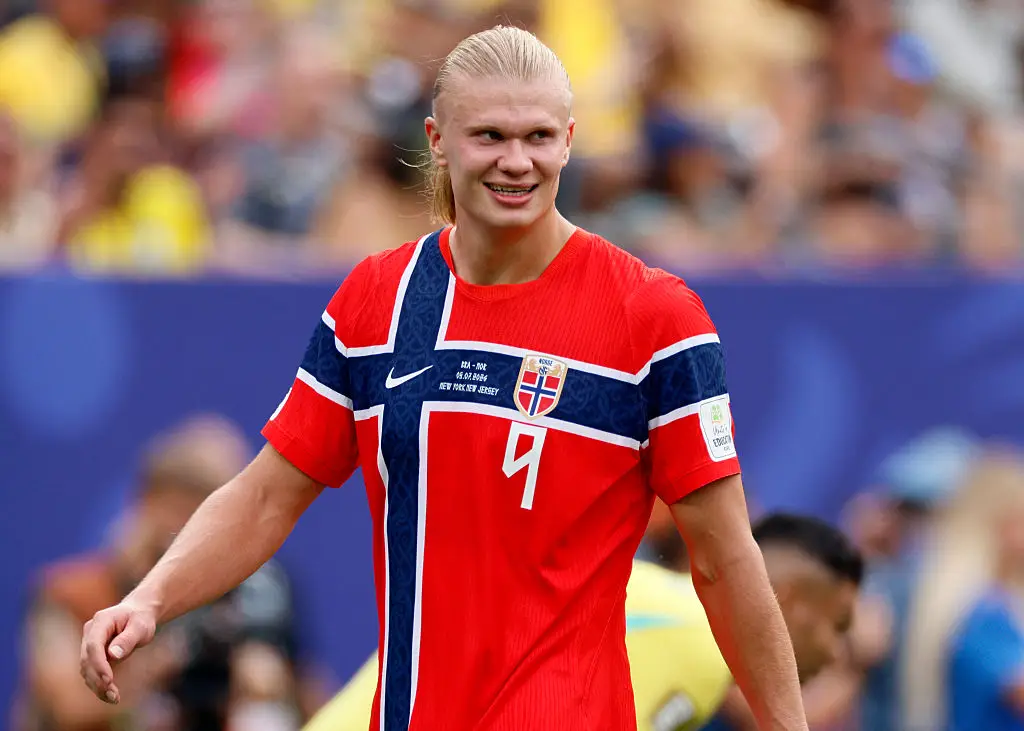
But while he decided to play for his native Norway, he could have played for England instead if he so wished, as he technically qualifies under the World Cup's eligibility rules.
How could Erling Haaland play for England?
Advert
While Haaland is a Norwegian national, he was born in Leeds on 21 July 2000, a little over a month after his father joined City from Leeds United. He then spent the next three years in the UK before he and his family returned to Norway, where he grew up.
Because of his birthplace, he is eligible to join England's national team, though he opted not to do so.
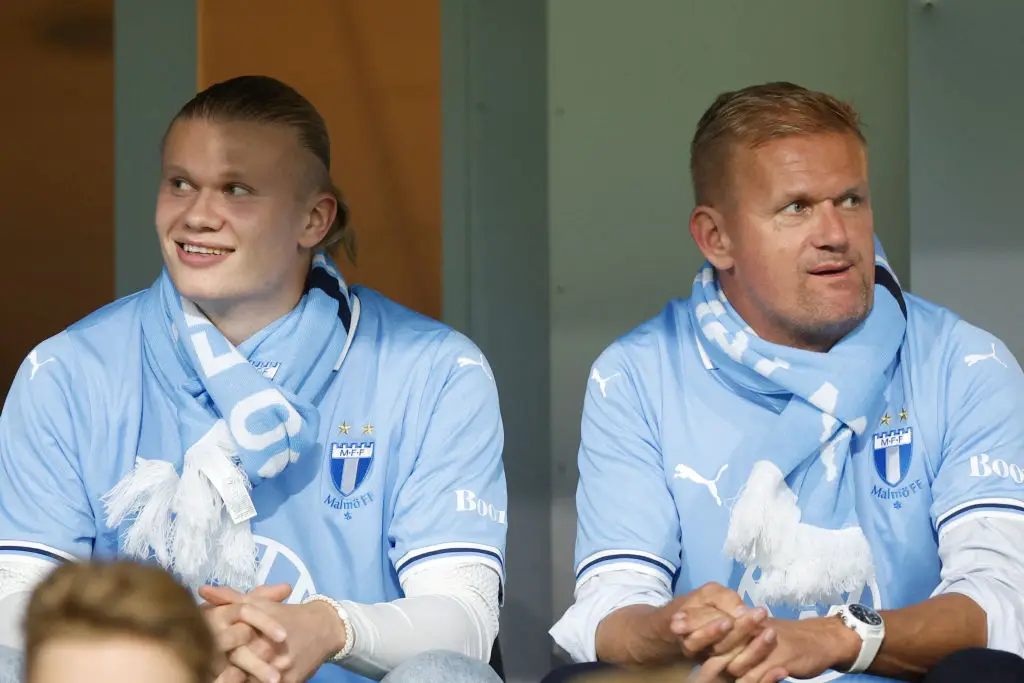
He is still part of Man City, however, and in an interview with Manchester City, he said he has been a fan his "whole life", which influenced his decision to sign on.
"I was born in England. I have been a City fan my whole life. I know a lot about the club," Haaland said. "In the end, [deciding to sign was down to] two things.
"I feel at home here, and I feel I can develop and get the best out of my game at City."
What are the World Cup eligibility rules?
According to Reuters, all players must be citizens of the country they represent, and there is a physical passport check. However, a physical passport isn't the only requirement, as players must have a genuine connection to the country they wish to represent, such as:
- They were born in that country
- A biological parent or a grandparent was born there
- They have lived here for at least five years
Folarin Balogun is another player who faced a similar predicament, as he was born in Brooklyn, New York, but raised in London. According to The Sporting News, he initially came up in England's youth ranks before pivoting to the US in 2023.
FIFA is also not against a player switching nationalities, so long as they have played up to 3 senior international caps before the age of 21, a rule which was introduced in 2021.
And a few players have taken advantage of that, including England midfielder Declan Rice, who switched from the Republic of Ireland to represent England in 2019, and former Chelsea striker Diego Costa, who switched to Spain in 2014 (via BBC Sport).
Outside of the World Cup, Haaland has been quite the trendsetter, particularly this one iconic piece of millennial hair accessories.
Topics: Sport, Football, World Cup, World News
 Charlotte Dorans