
Doctors warn over four 'symptomless' STIs that have long-term effects

Next week is STI Awareness Week, and doctors are issuing fresh warnings on the warning signs you need to be aware of.
Always taking place on the second full week in April, it provides an opportunity to raise awareness about sexually transmitted infections (STIs) and how they impact our lives, as well as reducing STI-related stigma, fear, and discrimination, and ensuring that people have the tools and knowledge for prevention, testing, and treatment.
Most STIs are highly treatable and often curable, especially when they're caught early; however, not every STI presents with noticeable symptoms, which is why getting yourself tested regularly is super important.
Although it may feel like a chore, if you're sexually active, it's recommended that you take an STI test once a year, even if you have no symptoms or are in a long-term, monogamous relationship, and once every three months if you have multiple partners.
Advert
Without getting tested, you may not even realise you have one, and some STIs can cause serious health complications such as infertility, cancer, and organ damage.
Women's Health has outlined four STIs that can be asymptomatic - and they're some of the most common.

Syphillis
As per the NHS, if syphilis is left untreated, it can cause serious and potentially life-threatening problems.
It's a difficult one to identify as its symptoms are often mild and hard to notice when you're first infected - they tend to change over time and may come and go.
Dr Manoj Malu, Director of Clarewell Clinics, told the publication: "This virus is a great imitator. It can produce practically any symptoms you can conceive of.
"However, many patients may have this infection in a latent form, causing no obvious symptoms whilst damage is taking place internally, and then symptoms manifest at a later date."
One early symptom you may notice is small sores on your penis, vagina, or around your bottom, which are usually painless, and you may only have one, making it hard to identify.
They may appear in other areas, including in your mouth, lips, and hands.
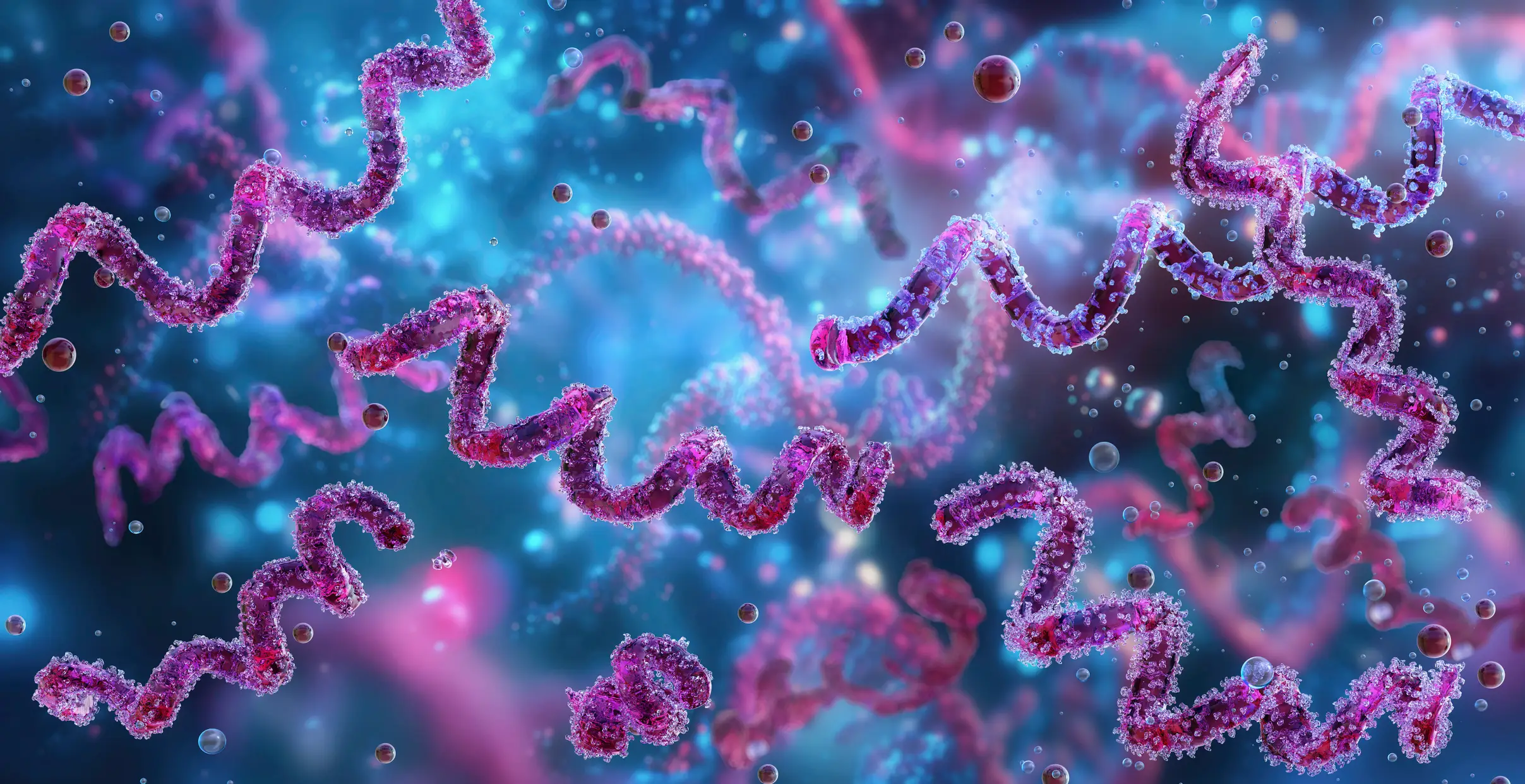
If it's not treated, syphilis can cause serious problems, including heart problems like angina, aortic aneurysm, and heart failure, brain problems such as fits and seizures, memory problems, personality changes, and dementia.
It can also cause nerve problems like shooting pains, pins and needles, joint pain, and gradual damage to the joints, problems with the skin, bones, testicles, liver, and any other organ, muscle weakness, and sight and hearing problems.
Some of these problems may not appear for many years after being infected with syphilis, which is why it's vital to get tested regularly.
If you're pregnant and have syphilis, you can also pass it on to your baby before they're born, which is known as congenital syphilis.
And having syphilis during pregnancy can also increase your risk of miscarriage, premature birth, and stillbirth.
Chlamydia
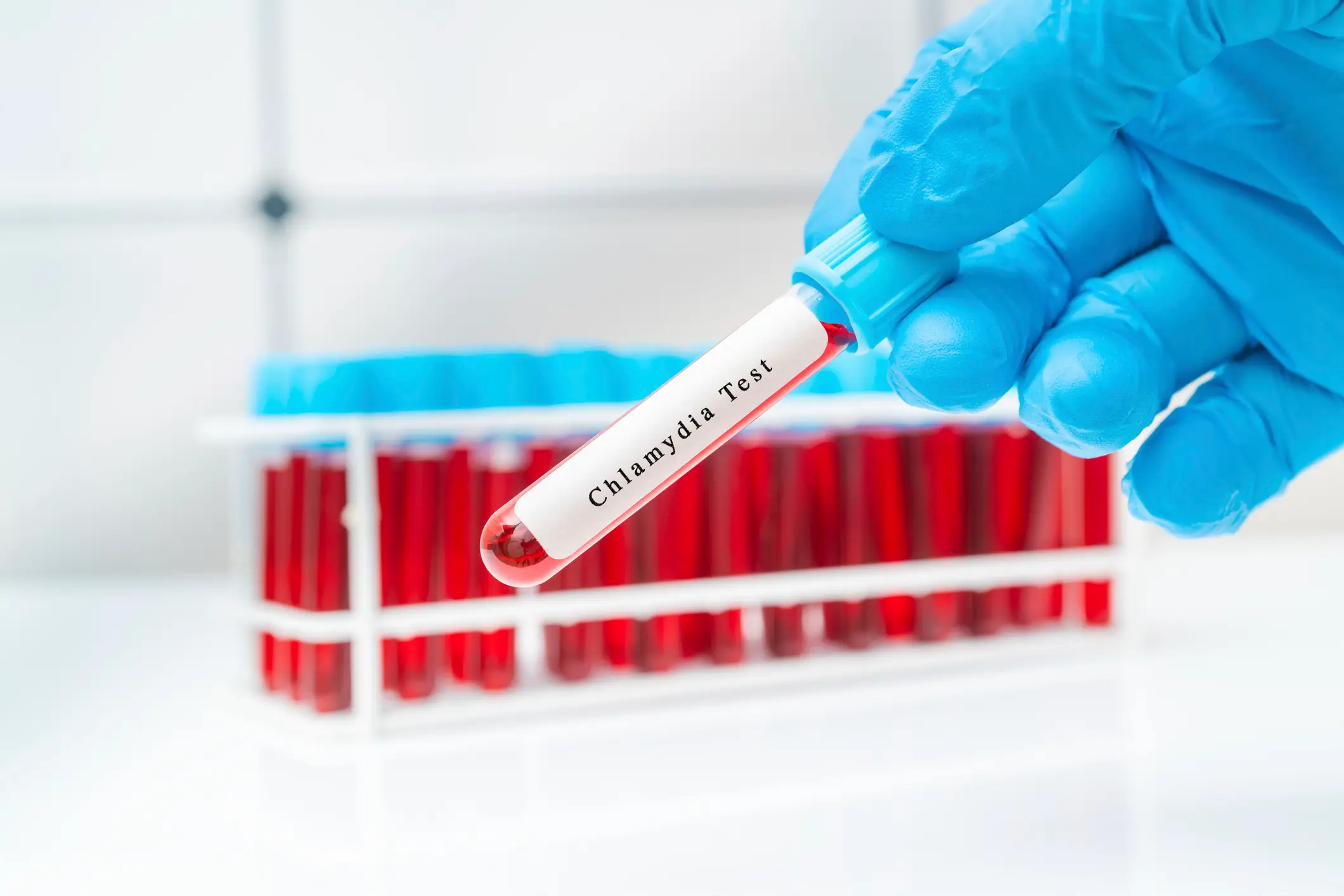
Second on the list is chlamydia, which is one of the most common STIs in the UK.
It's usually treated with a course of antibiotics, but most people who have it don't display any symptoms.
If you do display symptoms, in women, these can include vaginal discharge that isn't normal for you, bleeding after sex or between periods, a burning feeling when you pee, and pain in your lower tummy.
As for men, they may notice white, cloudy, or watery discharge from the tip of the penis, burning and itching, pain and swelling in the testicles, and a burning feeling when they pee.
If chlamydia goes unnoticed, it can lead to serious complications such as infection of the womb, fallopian tubes, and ovaries, also known as pelvic inflammatory disease, which can lead to infertility or ectopic pregnancy, while men can get an infection in their testicles.
The NHS warns that the sooner you get treatment, the easier complications are to treat.
Gonorrhea
Similarly, gonorrhea is another STI that often gets passed on without showing any symptoms.
If you do get symptoms, for women, you should look out for a yellow or greenish discharge from your vagina, burning pain when you pee, pain in your lower abdomen, and rarely, bleeding between your periods.
Meanwhile, men can experience a burning pain when they pee, fluid or discharge coming out of their penis, and sore testicles.
Like chlamydia, gonorrhea can also lead to serious symptoms such as PID (pelvic inflammatory disease), which can lead to infertility or ectopic pregnancy
If you're pregnant, it can also be passed on to your baby during birth and can result in eye infections in the infant.
Dr. Malu outlines that in men, gonorrhea can also be complicated by epididymitis - where the tube behind the testicles becomes swollen and painful - which can also lead to infertility.

Mycoplasma genitalium
Finally, mycoplasma genitalium, often shortened to MGEN, is a bacterial infection that can affect the cervix, inside the penis, or the anus.
Most people with Mgen don’t notice any symptoms and don’t know they have it.
If you do get symptoms, they will usually start appearing between one and three weeks after having unprotected sex, and some people don’t get symptoms until months later.
You might notice pain when peeing, unusual discharge from the vagina, penis or anus, pain in the lower tummy, bleeding after sex, bleeding between periods, pain in the testicles, and inflammation in the rectum.
Like chlamydia and gonorrhea, if left untreated, MGEN can cause serious and permanent health problems in women, including PID.
You can find more information on STI testing and treatment here.
Topics: Health, Women's Health, Life, Real Life
 Madison Burgess