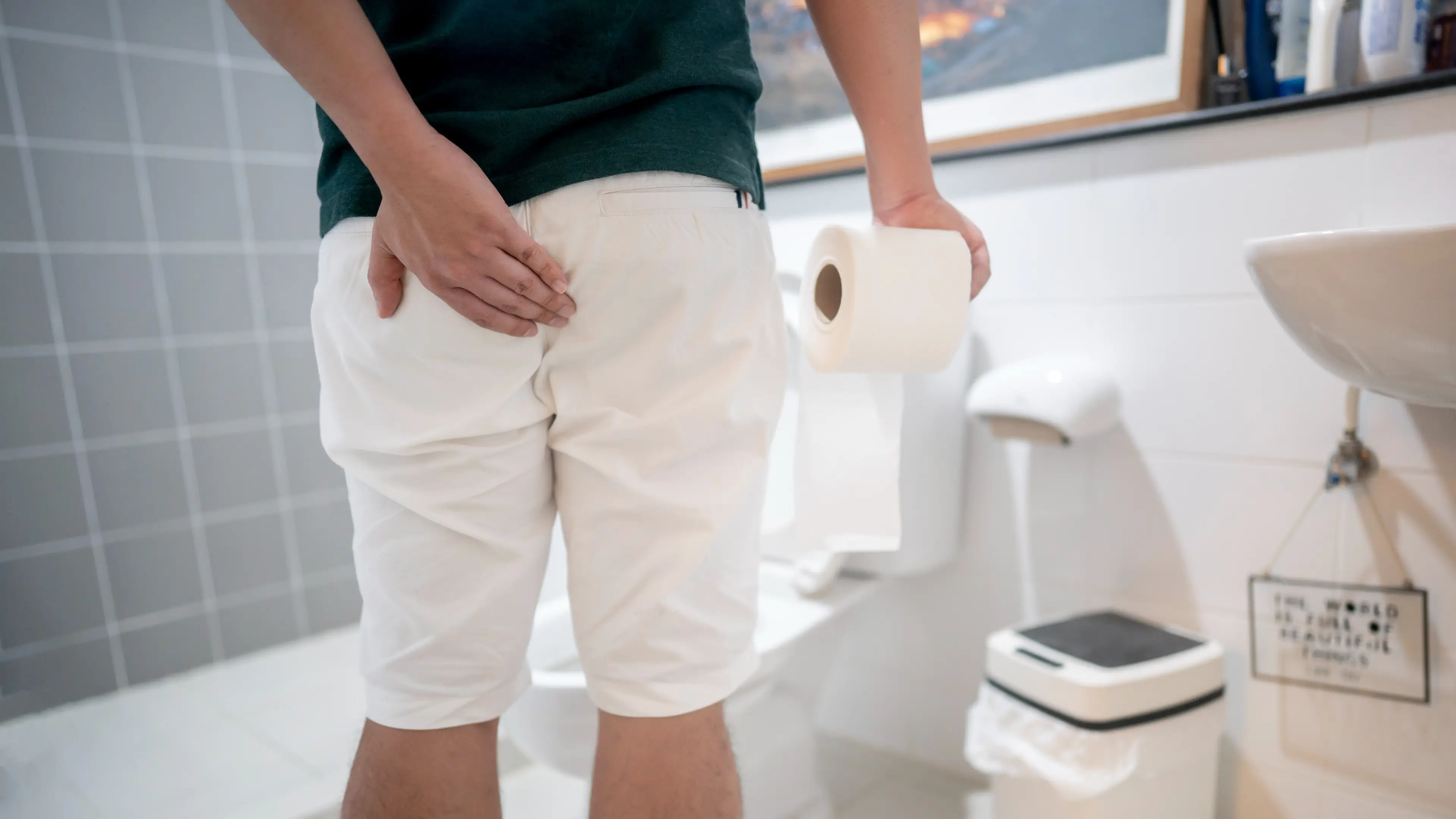
Doctors warn about painful STI you may have never heard of as cases climb

There's a painful STI on the rise in England, and doctors are warning of the symptoms to be aware of.
The UK Health Security Agency has shared concerns that the condition is also growing resistant to antibiotics for certain strains.
We have all heard of the main STIs to be aware of, such as chlamydia and herpes, but many people won't have heard of this one.
Called shigella, the number of cases has risen from 2,052 to 2,318 between 2023 and 2024.
What is shigella?
According to the NHS, shigella is a gut infection which is spread by bacteria found in faeces, and often through contaminated food as well as through intimacy.
Advert
It is most commonly found in men who have sex with other men, and people living with HIV, but anyone can be affected. And as well as through sex, it can also be transmitted through direct contact (non-sexual) and from unwashed hands after using the toilet.
Concerns have also been raised about treatment becoming more difficult, with professionals at the Gastrointestinal Data Warehouse saying antibiotic resistance is increasing.
What are the symptoms of shigella?
Symptoms, which can last for up to a week, include:
- Watery diarrhoea – sometimes containing blood, mucus or pus
- Sickness or severe nausea
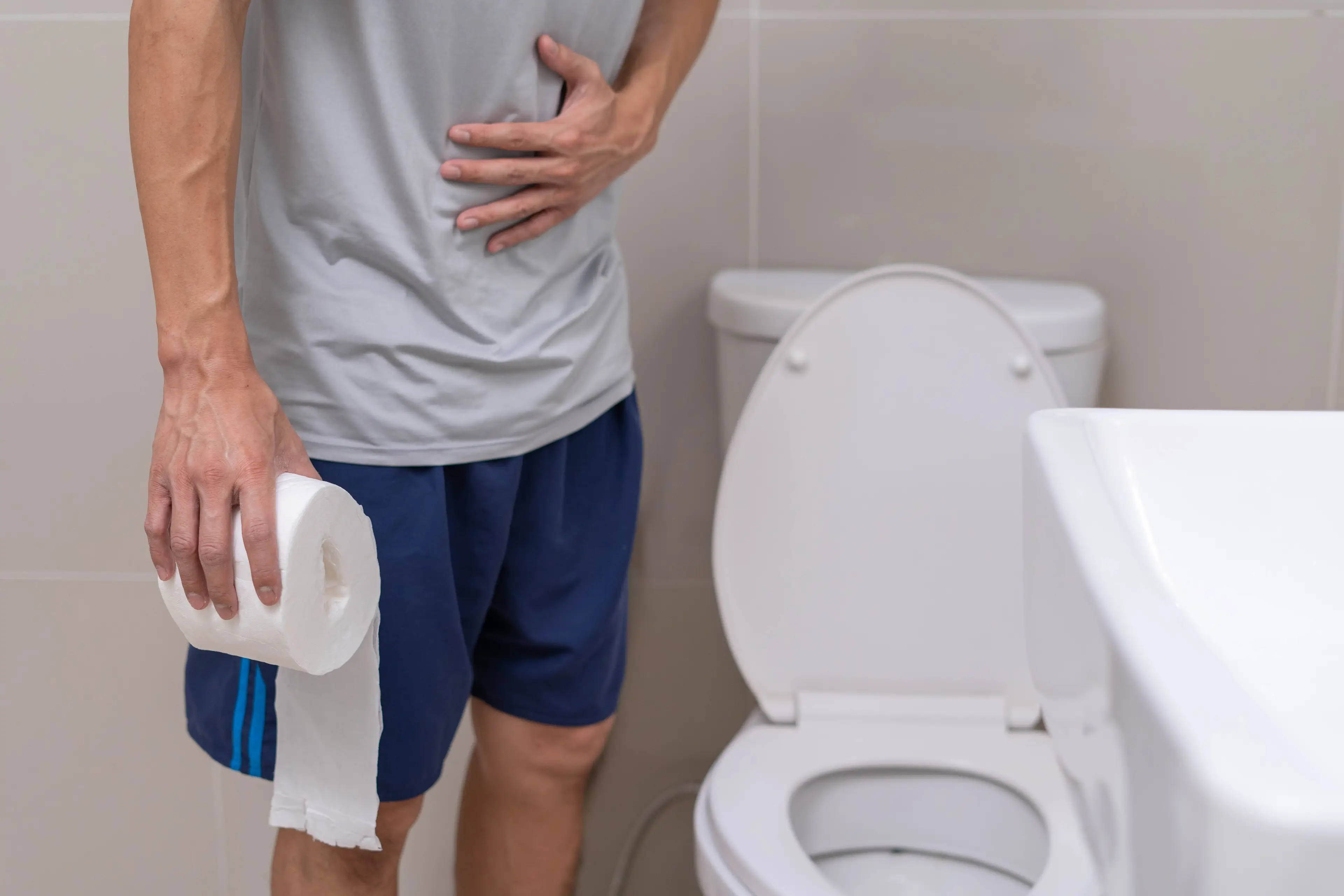
- Stomach pain and cramps
- High temperature/fever over 38°C
These symptoms mean it is frequently mistaken for food poisoning.
A stool/poo sample can be sent to a lab for analysis, or a swab can be used.
A doctor's warning over shigella
Dr Katy Sinka, the head of the STI section at UKHSA, said: “The rise in sexually transmitted Shigella cases is concerning, but the risks of catching it can be reduced by good hygiene during and after sex and condom use – helping to protect yourself and your partners.”
Dr Sinka added: “It is important that gay and bisexual men do not dismiss their symptoms and advice on self-care and preventing dehydration can be found on the NHS website by searching Dysentery.”
She added: “Those diagnosed with shigella may also have been exposed to other sexually transmitted infections, including HIV, so a sexual health screen – at a clinic or by ordering tests online – is recommended.”
Two strains of shigella strains are starting to show antibiotic resistance: 86% of shigella sonnei samples and 94% of shigella flexneri samples.
How to prevent getting Shigella
Good hygiene is the most important step, including washing your hands thoroughly after using the toilet or after sex, or using a dental dam.
If you do get shigella, you are advised to rest and stay hydrated, as well as avoiding sexual contact for seven days after your last symptom.
Anyone with symptoms should also avoid swimming pools or hot tubs, as well as sharing towels.
During recovery you should avoid handling or preparing food for others.
It is also advised not to take any antidiarrheal medications, as it needs to come out of your system, else symptoms may be prolonged.
You should also stay home from work or school until at least 48 hours after symptoms have stopped.
Topics: Sex and Relationships, Health, Life, NHS, LGBTQ
 Jen Thomas