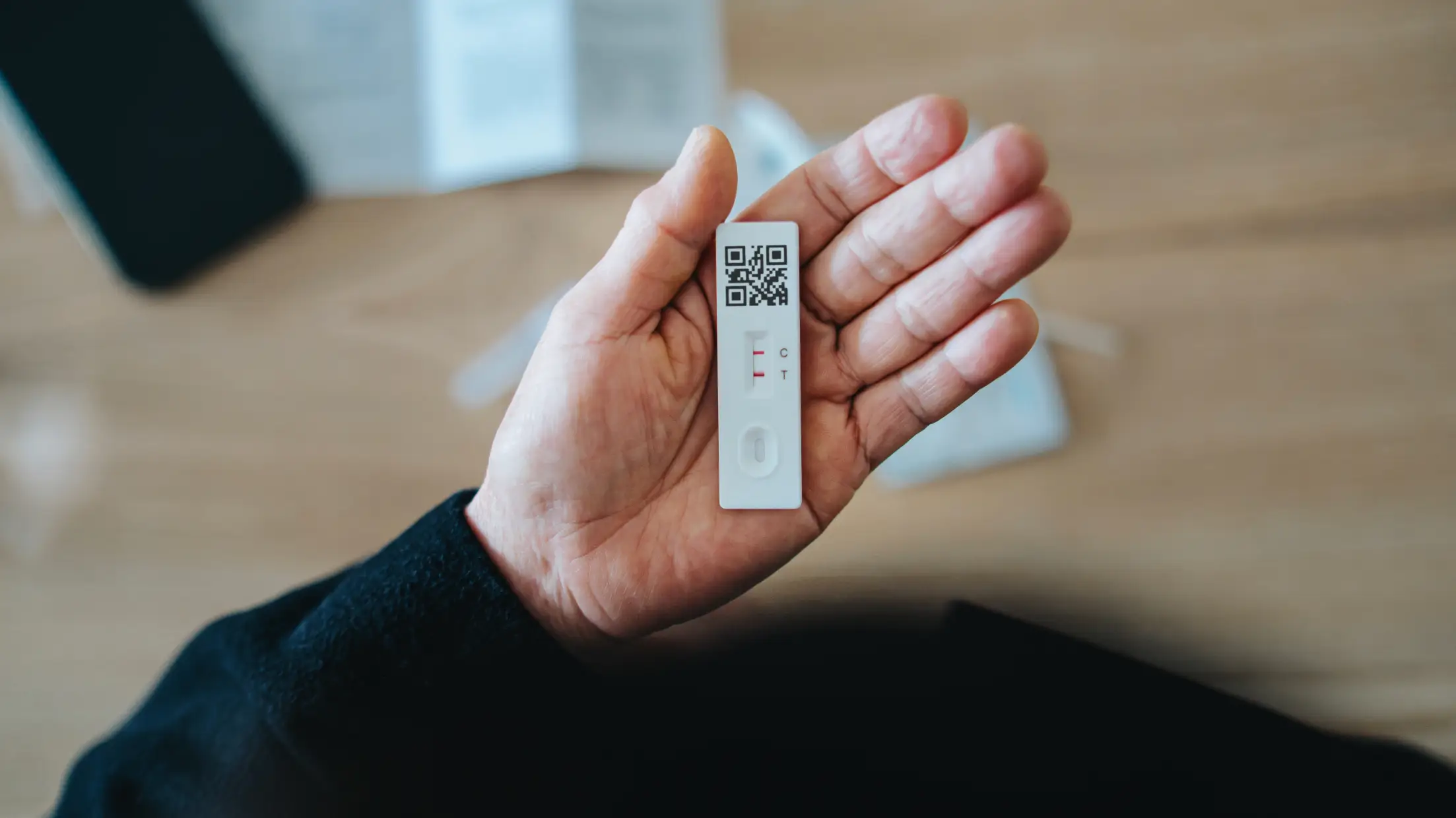
Doctor reveals what you need to know about ‘Cicada’ Covid variant as cases surge

A doctor has outlined everything you need to know about the new Covid-19 strain BA.3.2, which has been nicknamed 'Cicada'.
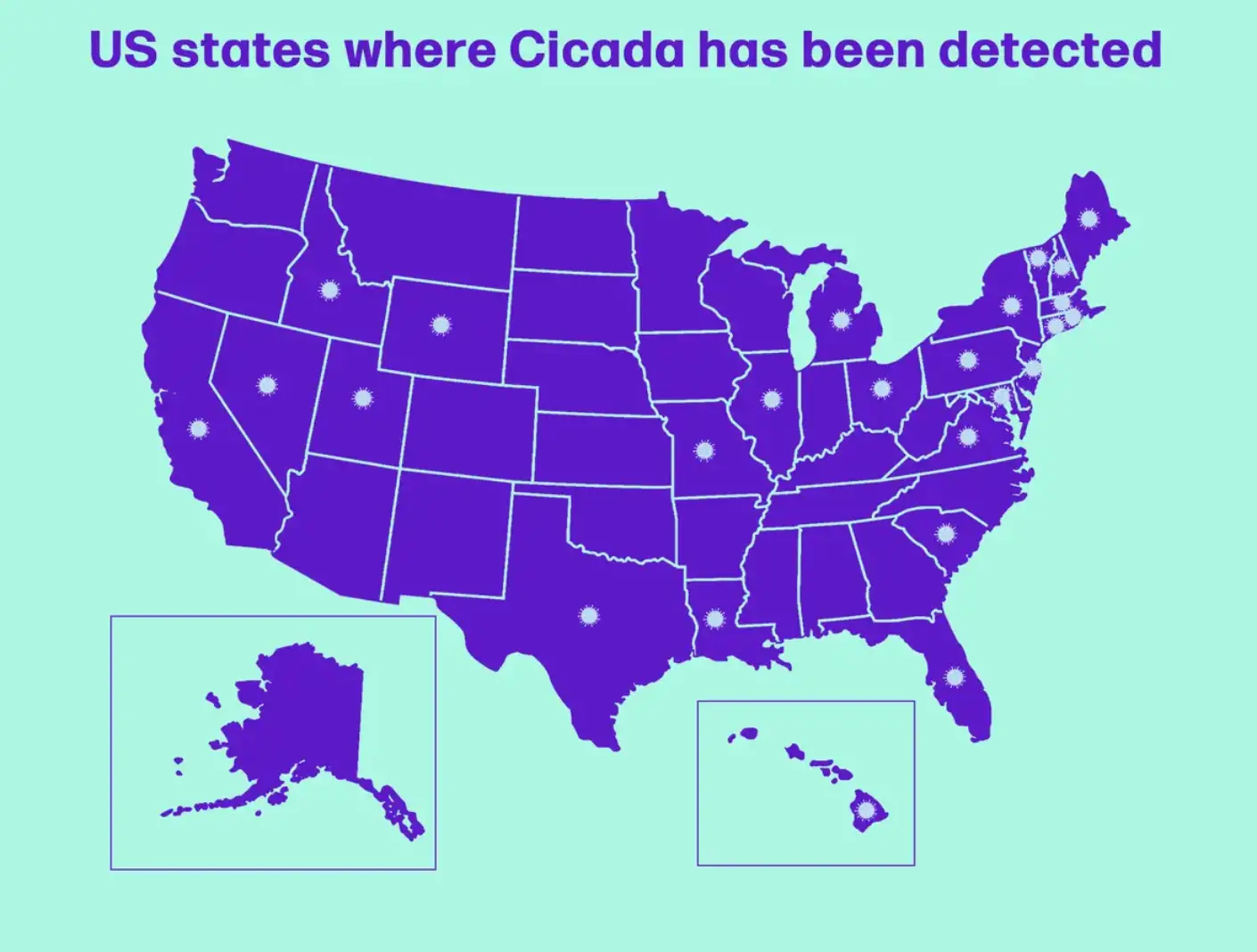
The 'heavily-mutated' variant, which is descended from Omicron, is known to be circulating in at least 25 US states, and 23 countries, including the UK, the Centers for Disease Control and Prevention has confirmed.
Although Covid cases are currently low globally, the BA.3.2 strain is catching the attention of health officials around the world, who are monitoring it.
Despite emerging over a year ago, it remained underground and only started ramping up near the end of last year, which prompted it to be nicknamed after the cryptic insects.
Advert
The main difference between 'Cicada' and previous variants of the virus is that it's undergone around 75 mutations, which could mean it's a new threat to the immune system compared to other strains, raising questions over whether the prior vaccinations would still be effective.
How dangerous is the BA.3.2 'Cicada' strain?
Kyle B. Enfield, an Associate Professor of Medicine at the University of Virginia, told The Conversation that the new variant could 'potentially lead to a spike in Covid-19 cases'.
This is because, as mentioned, due to it being 'heavily-mutated,' it's harder for people's immune systems to detect.
Lab studies have shown that the strain 'efficiently evades antibodies, likely because of spike protein mutations,' which could potentially warrant an updated jab in the future.
However, the doctor outlined that 'even though it's spreading quickly, there's no indication that it's any more dangerous or that it causes more severe disease' than other variants.
Enfield added: "However, especially given that current vaccines may not be as effective against it, protection remains important."

Where did the BA.3.2 'Cicada' strain come from and where has it spread?
Researchers first identified BA.3.2 in South Africa on November 22, 2024, before it began making its way around the globe in 2025.
As outlined by the CDC, the first detection in the US occurred on June 27, 2025, through CDC’s Traveler-Based Genomic Surveillance program in a participant traveling to the US from the Netherlands.
Now, it's circulating in at least circulating in at least 25 US states and has made it to 23 countries, as of a report from officials this month.
'Cicada' has been detected in states through the National Wastewater Surveillance System, which collects and displays sewage data, as well as by nasal swabs from travellers and other clinical samples.
The US states the strain has spread to include:
- California
- Connecticut
- Florida
- Hawaii
- Idaho
- Illinois
- Louisiana
- Maine
- Maryland
- Massachusetts
- Michigan
- Missouri
- New Hampshire
- New Jersey
- New York
- Nevada
- Ohio
- Pennsylvania
- Rhode Island
- South Carolina
- Texas
- Utah
- Vermont
- Virginia
- Wyoming
As per the CDC, it's also driving around 30% of cases in Denmark, Germany, and the Netherlands.
What makes the BA.3.2 'Cicada' strain different and what are its symptoms?
The doctor explained: "All viruses change over time – and the type of virus that causes Covid-19 does so especially quickly.
"Every time the virus copies itself inside a cell, its genetic material mutates. Most of these changes disappear, but occasionally one gives the virus an advantage over other variants, allowing that version to spread.
"These changes make it harder for the immune system to recognize the virus."
As mentioned, changes to a virus’s genetic material also affect how well vaccines work, meaning there could potentially be a need for an updated one in the future.
And as for symptoms, they're very similar to those caused by other variants that are circulating right now.
Common Covid-19 symptoms in 2026 include:
- Cough
- Fever or chills
- Sore throat
- Congestion
- Shortness of breath
- Loss of smell or taste
- Fatigue
- Headache
- Gastrointestinal symptoms

How to protect yourself from the BA.3.2 'Cicada' strain
Enfield outlined that there are important ways you can protect yourself, which include washing your hands frequently - especially after using the bathroom and before preparing food.
The doctor added: "If you feel unwell, stay home – not just to take care of yourself, but to prevent spreading disease."
Spending time outdoors and reducing your time in crowded environments will also reduce your chance of exposure.
But ultimately, if you're really worried about developing a severe infection due to your own health conditions, get advice from your GP.
Topics: Covid-19, Health, News, World News, US News, UK News, Explained
 Madison Burgess