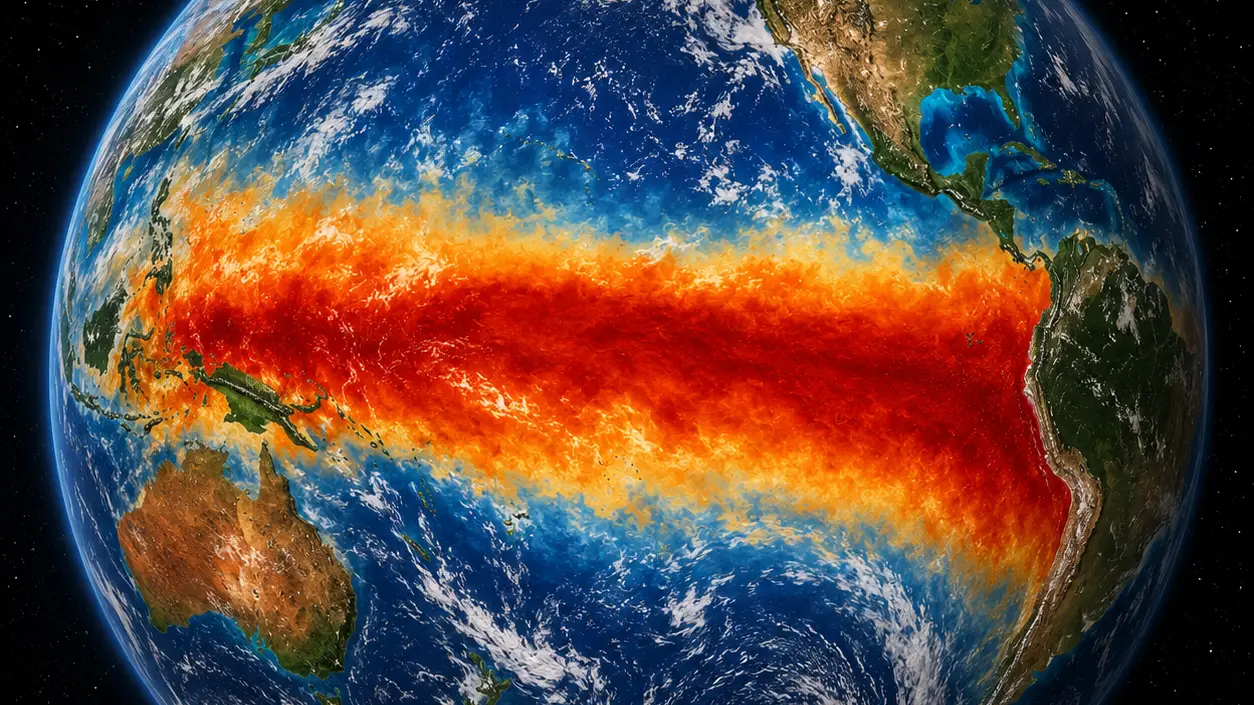
Super El Niño has officially begun as scientists issue alarming warning to world

Topics: Weather, Climate Change, World News, Science
 Jen Thomas
Topics: Weather, Climate Change, World News, Science
After a heatwave week of unseasonably warm weather, followed by seven days of thunderstorms and torrential rain, you're probably not surprised to hear that the Super El Niño has officially begun.
Scientists have issued a stark warning to the world, as the bout of severe weather gets underway.
What it means differs from country to country, with some places facing severe flooding, while others are bracing for extreme temperatures, wildfires and drought.
It could also see the arrival of a bitterly cold winter in the UK, which many are dreading after the energy cap was raised and the cost of heating your home has increased.
Advert
The US National Oceanic and Atmospheric Administration (NOAA) has now declared that El Niño conditions have officially started in the tropical Pacific.
They have also said it looks like this 'would rank among the largest El Niño events in the historical record going back to 1950,' given how strong it is.
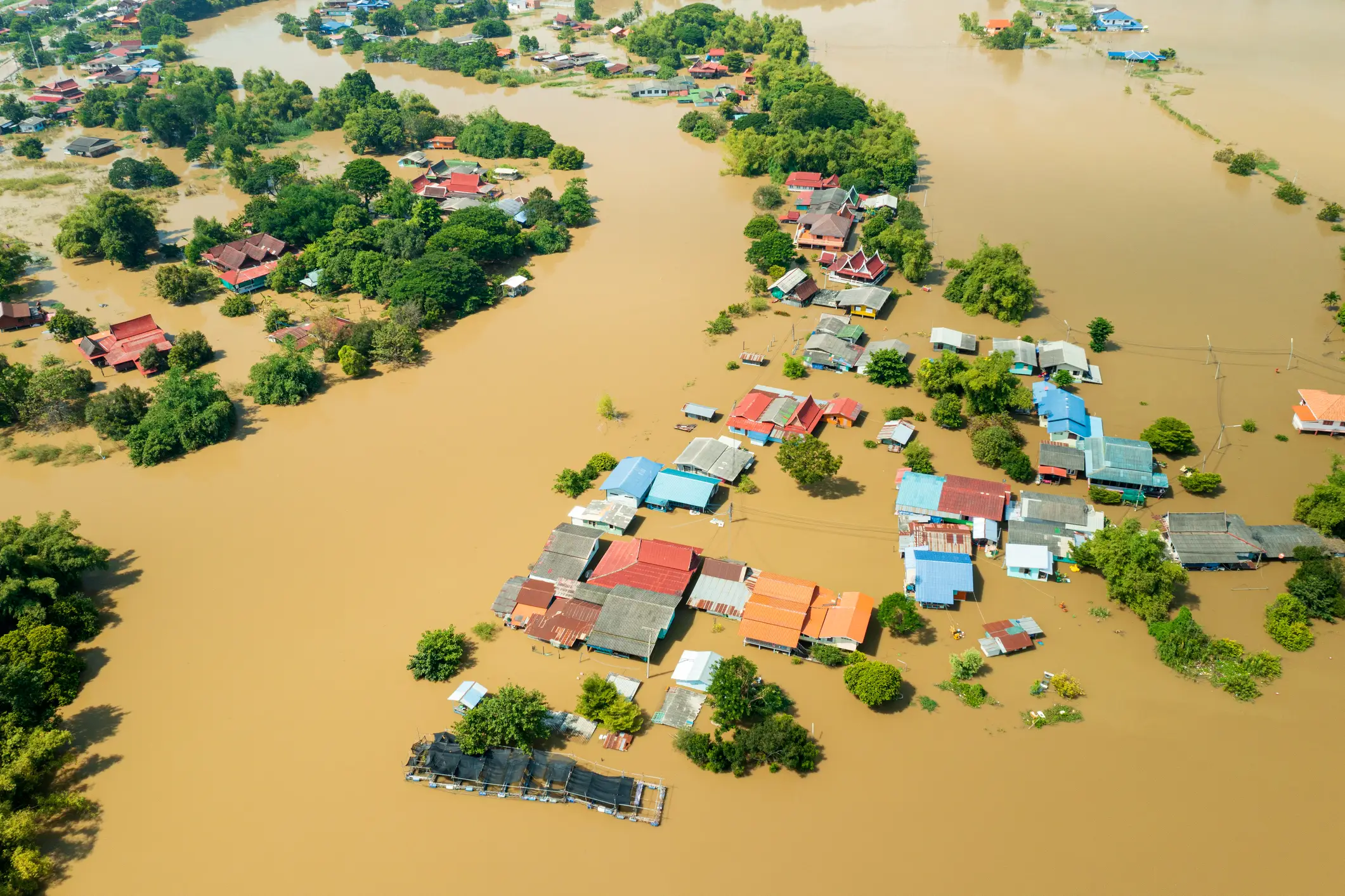
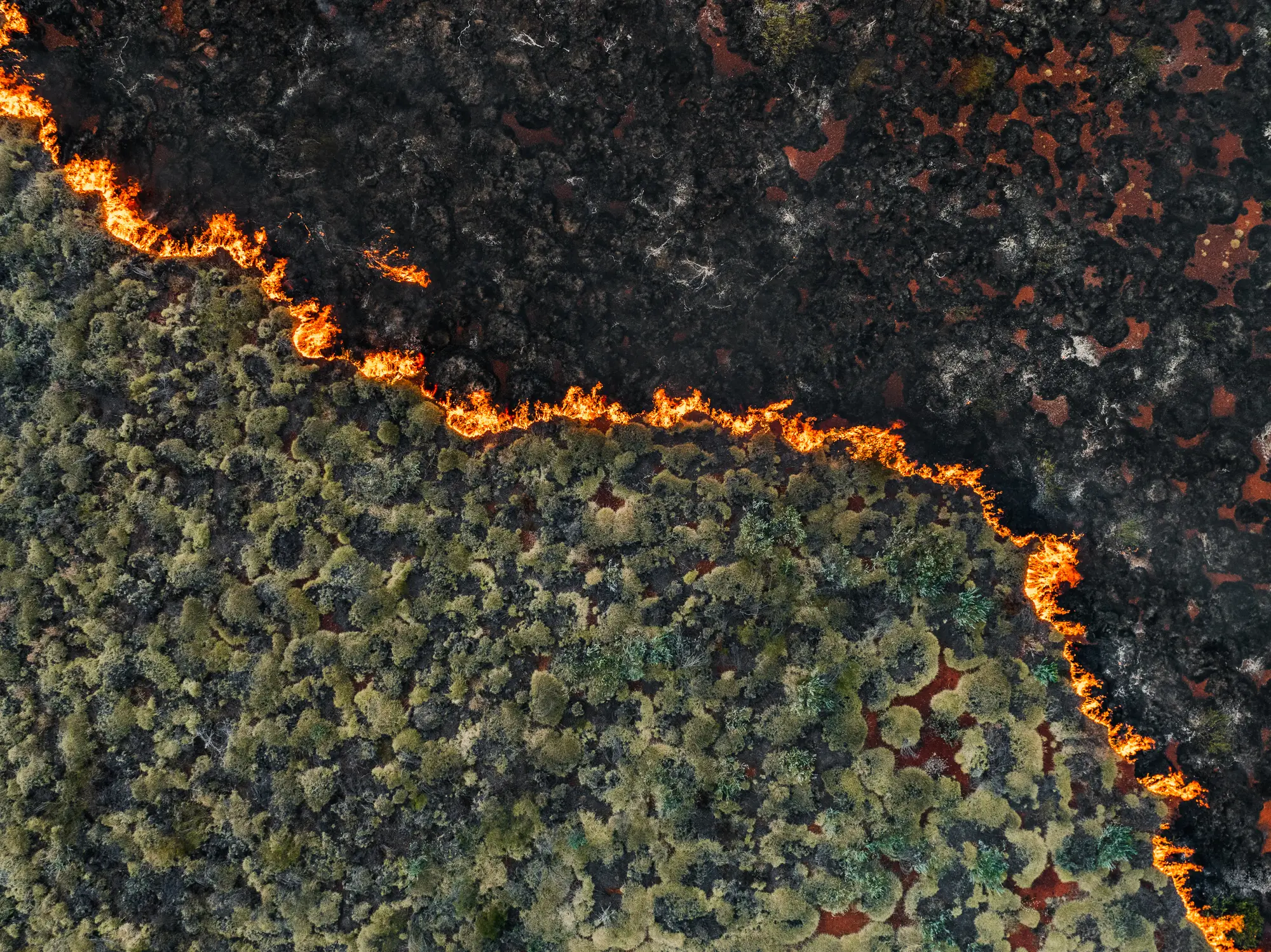
According to DW, scientists have said we are now facing an increased risk of severe heat and drought conditions, which may fuel fires across Australia, Canada, the United States and the Amazon rainforest.
It comes after the World Meteorological Organization (WMO) also warned the world to prepare for the ramifications of the weather events.
Just last week, on June 2, the WMO and the United Nations said there was an 80% likelihood of an El Niño event occurring during June and August 2026, and they have already been proven right.
Not only that, but they said it’s 90% likely to continue until at least November
UN Secretary-General António Guterres said in a video statement: “The science is clear: El Niño is arriving on our doorstep in the coming months with 90% certainty."
He added: “The world must treat it as the urgent climate warning it is. El Niño conditions will pour fuel on the fire of a warming world.”
“Impacts will hit even harder, travel even farther, and cross borders with devastating speed.
“The only effective response is climate action equal to the crisis - ending the addiction to fossil fuels, accelerating the shift to renewables, protecting the most vulnerable, and delivering early warning systems for all.”
WMO Secretary-General Celese Saulo also warned that it will 'exacerbate drought and heavy rainfall and increase the risk of heatwaves both on land and in the ocean'.
A Super El Niño is an abnormal or extreme weather pattern that follows when the Pacific Ocean near the equator, heats up.
This happens after wind patterns change, which cause this heated water to spread through the central and eastern tropical Pacific, leading to extreme weather worldwide.
This year's event looks to be particularly severe, with some temperatures increasing by a whopping 1.5-2 degrees Celsius centigrade.
Some simulations have forecast an even scarier 4°C rise.