‘Super El Niño’ predicted for 2026 and it could be deadly

The chances of a a rare super El Niño beginning in 2026 are starting to increase in certainty, as experts brace for what could be one of the most extreme weather patterns to date.
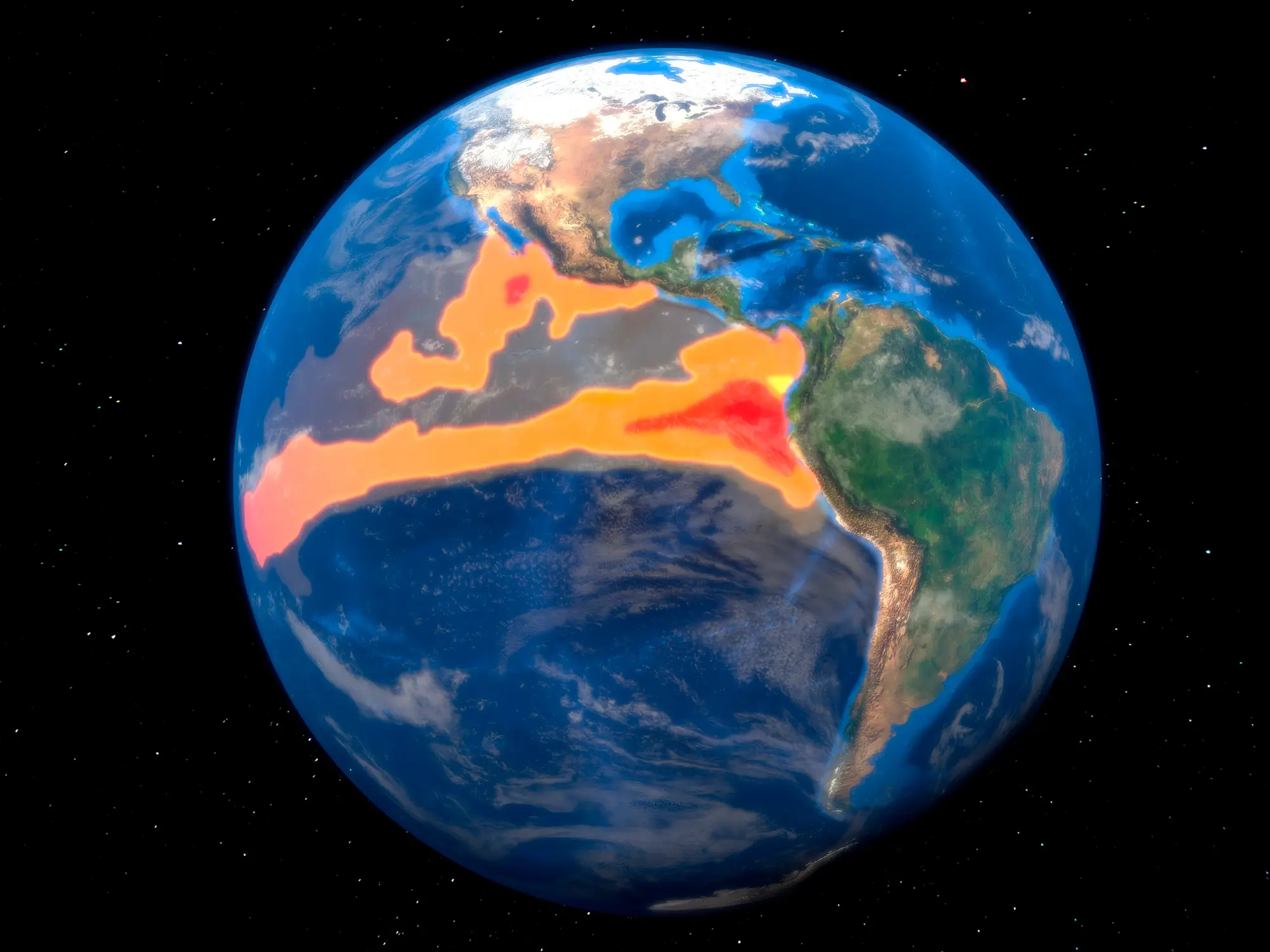
An El Niño refers to a continuous period of warmer than usual sea surface temperatures across the Pacific Ocean. They usually occur every three to seven years and vary both in duration and strength.
What is a super El Niño?
A super El Niño - also known as a strong El Niño - is a term used to describe a very intense El Niño, when temperatures rise to a particularly high level - usually around 1.5-2 degrees celsius higher than average.
What makes 2026's predicted El Niño particularly significant, is that scientists think it could have the potential to raise temperatures by three degrees celsius, making it particularly intense, as per the Boston Globe.
Advert
What are the consequences of a super El Niño?
According to Severe Weather, forecasts for summer 2026 have already confirmed a shifting of the planetary jet stream, which could mean that the effects of the super El Niño may be felt as early as the first half of summer.
BBC explain that the El Niño will strengthen over the coming months and peak as a very strong event in the autumn of this year.
Essentially, it could result in 2027 being the warmest year on record.
Following the El Niño in 2023/2024, the hottest years on record were reported, with the global average surface temperature sitting 1.55 degrees celsius above the 1850-1900 average.
A super El Niño can be particularly damaging for the planet, due to flooding, as well as less rainfall and the potential for drought conditions.
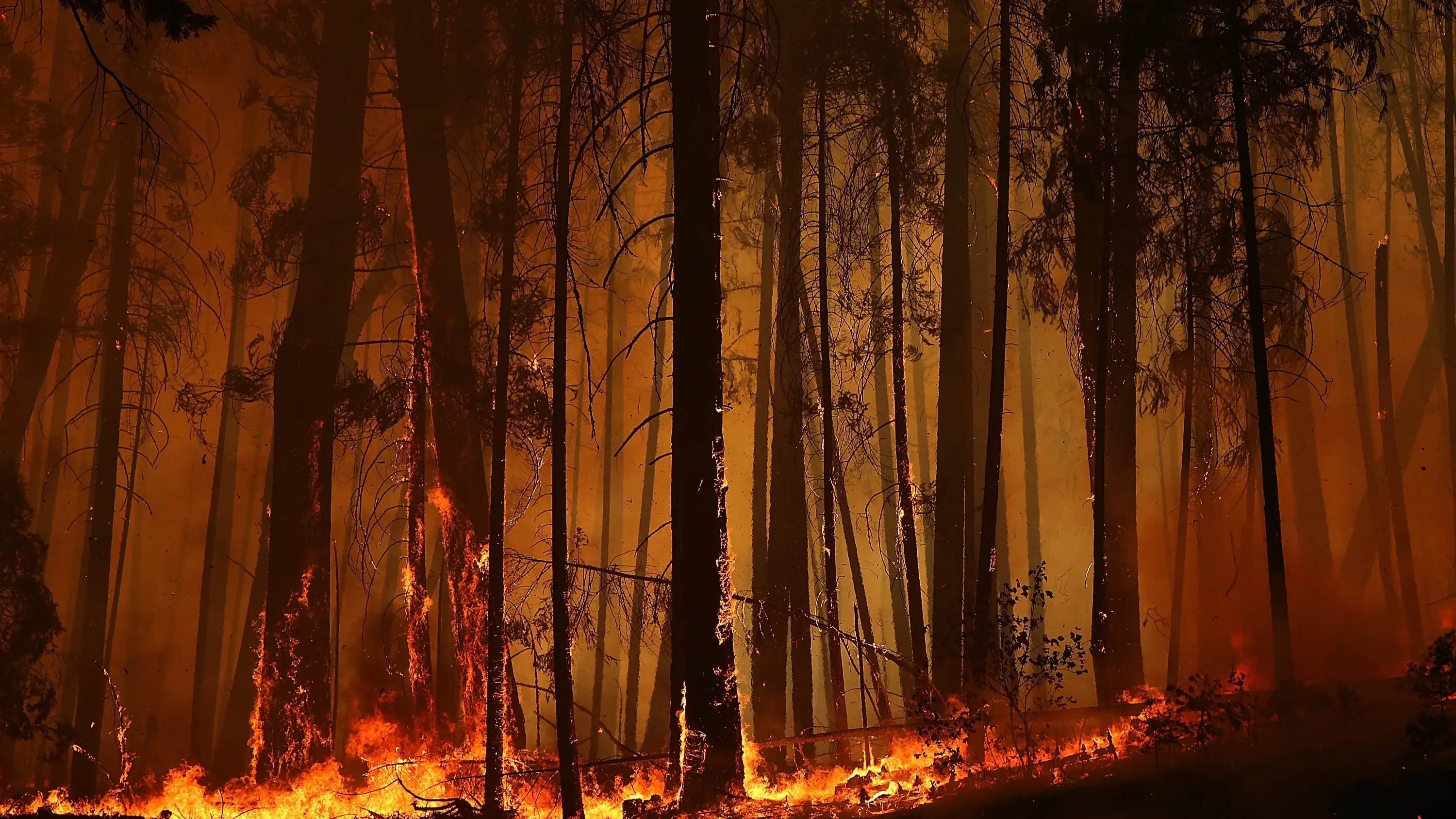
There is also a greater risk of wildfires, particularly in Australia, Indonesia and areas of America.
The highest peak of a super El Niño currently stands at 2.7 degrees celsius, recorded in 1877. It lasted 18 months and, as per BBC, 'triggered a catastrophic global climate event, causing extreme drought and widespread famine across Asia, Brazil, and Africa which killed millions, while producing severe flooding in other regions like Peru'.
What are the experts predicting?
Liz Stephens, professor of climate risk and resilience at the University of Reading told the BBC: "[We're] probably be looking at record global temperatures next year, especially if this is a very strong El Nino event."
Meanwhile, physical climate scientist and professor, Mathew Barlow, explained to Boston.com how the events in the Pacific could influence weather across the globe.
He explained that a temperature increase of three degrees might sound low, but it is 'enough to shift the tropical rain patterns substantially'.
“What goes on in the tropical Pacific doesn’t stay in the tropical Pacific. It goes on to influence global weather and climate over the U.S. and over every major continent as well," he added.
How does an El Niño year happen?
Strap in, folks. It’s time for some science.
It all starts with something called trade winds, which are permanent winds around the equator which usually blow from east to west. So in the equatorial Pacific, they blow from the Americas towards Australia and New Zealand.
As the wind blows the water east, it is warmed by the sun, so by the time it gets to the other side of the Pacific, the warm water causes hot air to rise, leading to warm, wet and unsettled weather. Meanwhile, colder water from deeper in the ocean rises in the east to replace the water blown west.
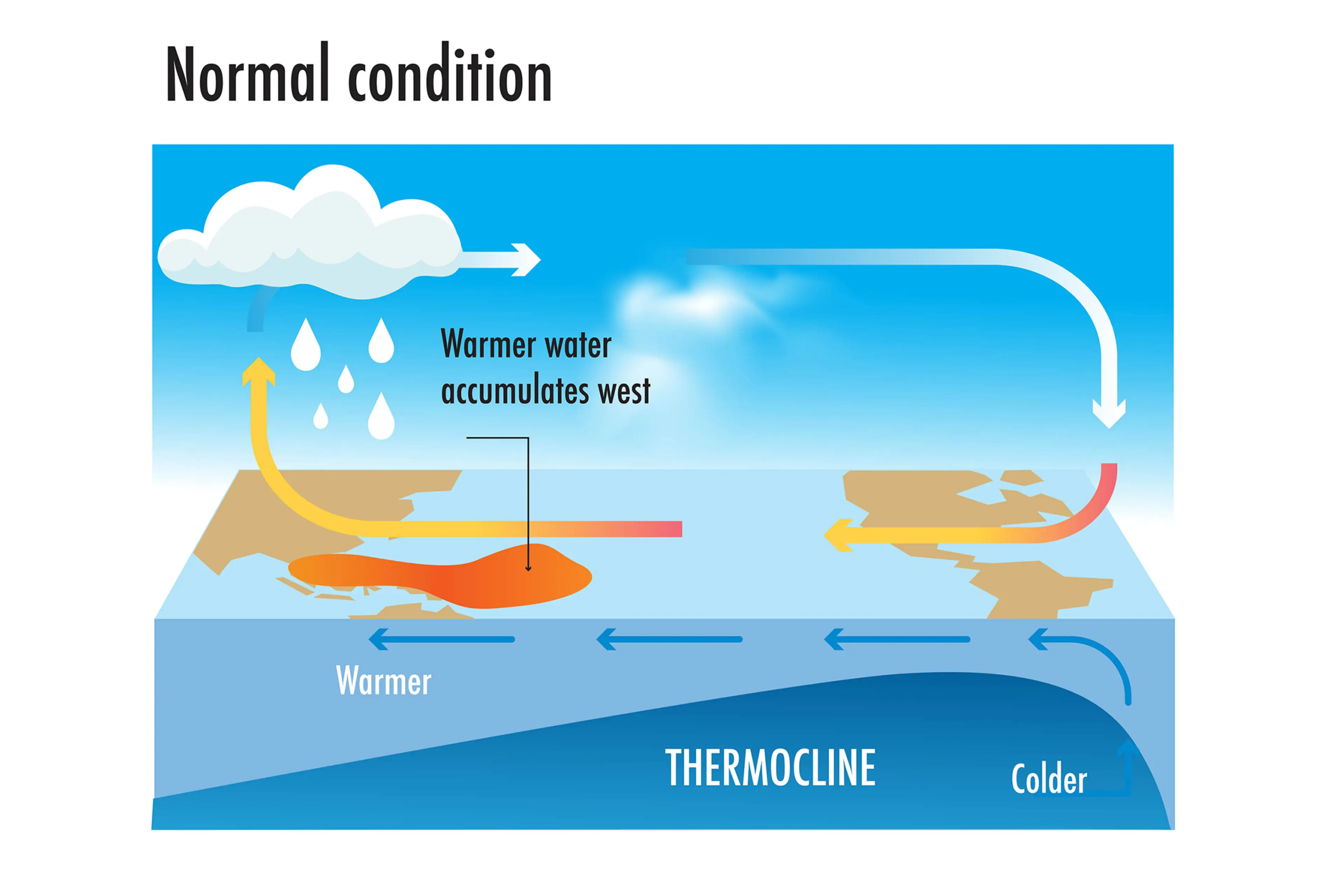
But during El Niño years, this gets disrupted.
When trade winds are weakened or even reversed, the temperature difference between the east and west is cancelled out, and usually cold parts of the ocean warm up.
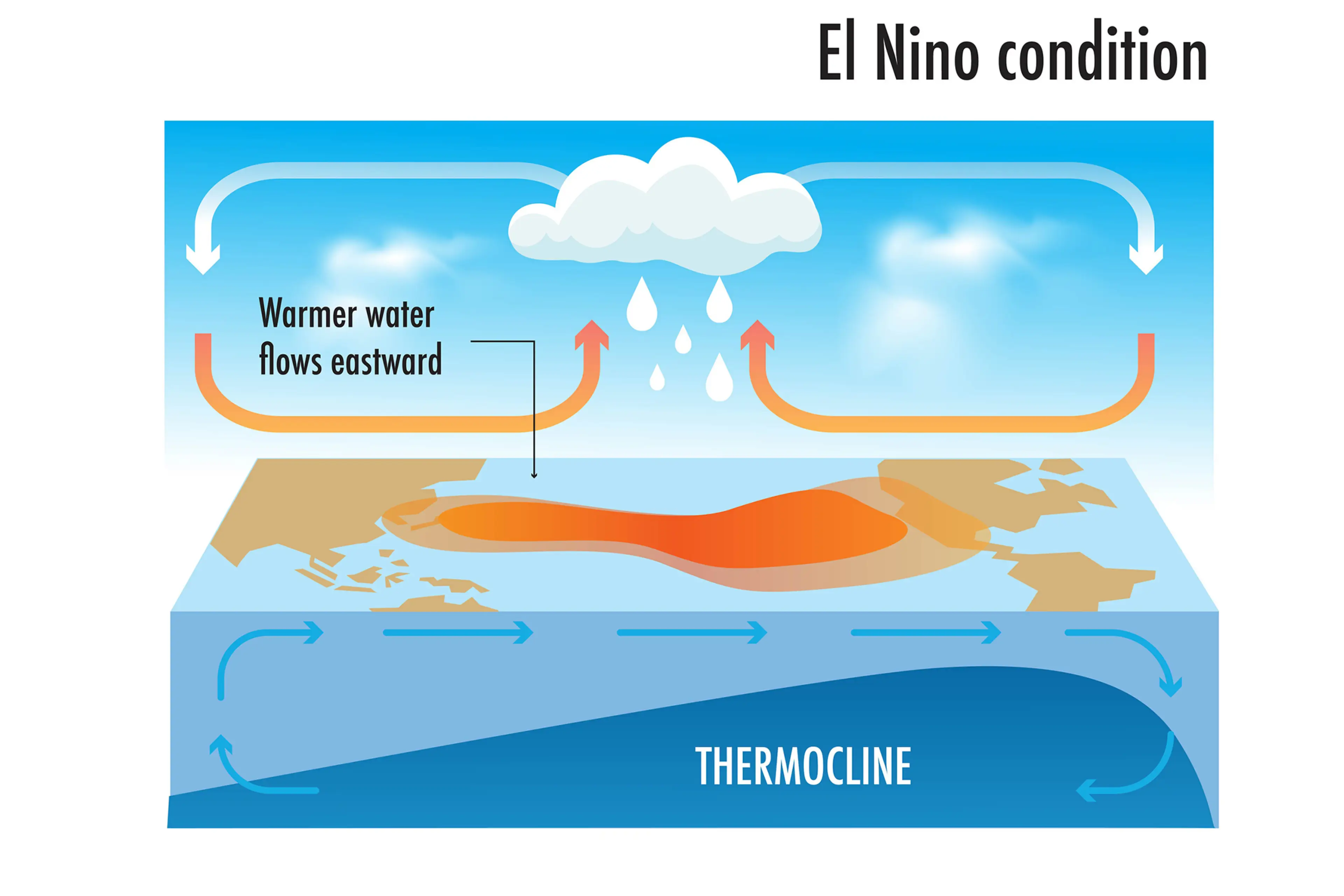
Rainfall and wind patterns change across the equatorial Pacific, which has a knock-on effect around the world.
Anyone else's head hurt a bit?
Topics: Weather, World News, News
 Lucy Devine