
Super El Niño could have a huge impact on the declining birth rate

A doctor and relationship expert have outlined how extreme weather phenomena like Super El Niño could potentially impact fertility rates around the world.
Data from the Office for National Statistics shows that birth rates in the UK have been steadily declining since 2010, with last year marking the lowest level in nearly half a century, as reported by the BBC.
However, there have also been murmurs of a baby boom on the way, thanks to the influx of warm weather and bank holidays getting people, ahem, in the mood.
Temperature records were broken in the UK over the May bank holiday weekend as the heat ramped up, with more extreme weather predicted to come.
Advert
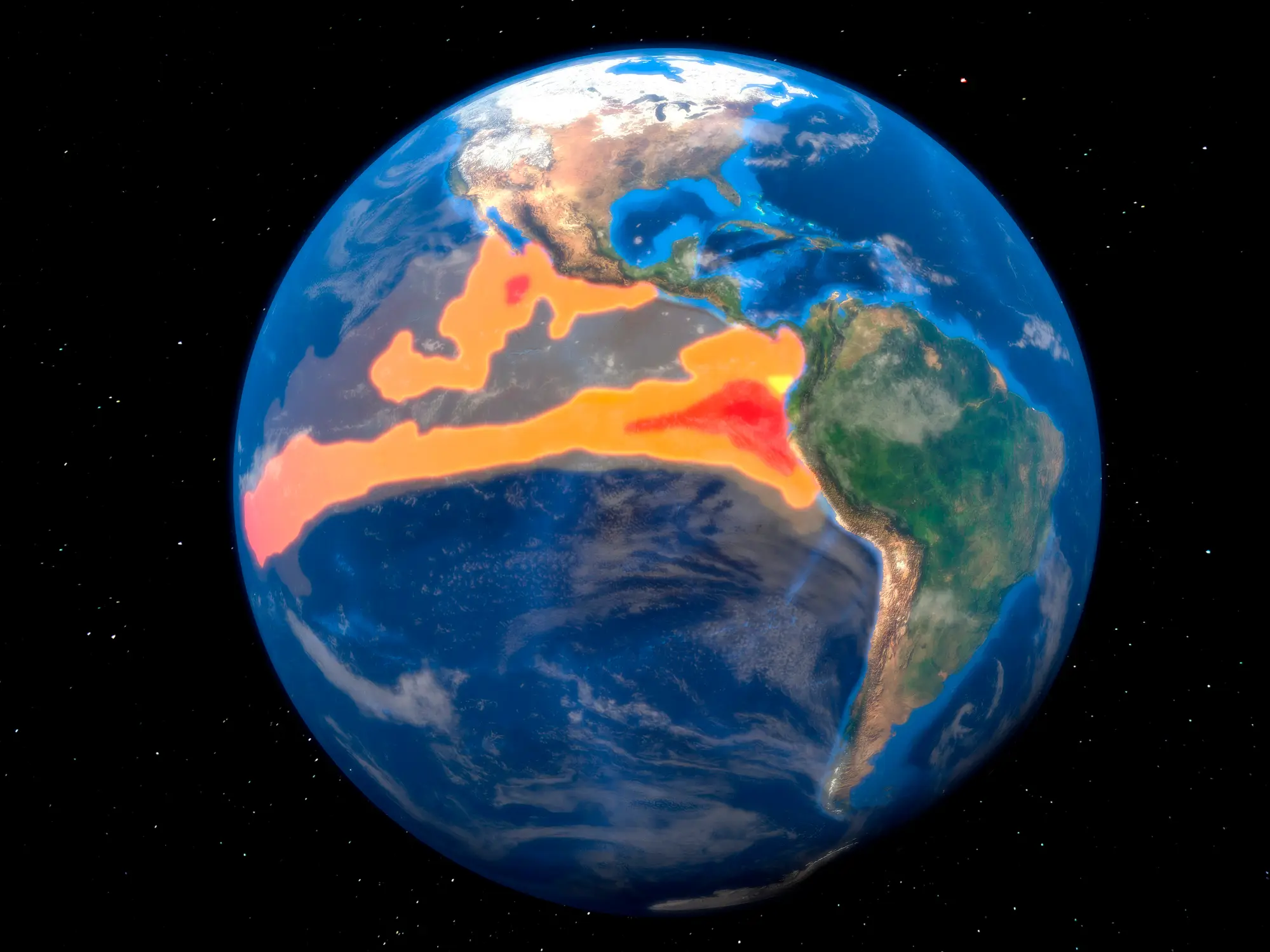
The World Meteorological Organization has warned that there’s an 80% likelihood of an El Niño event occurring during June and August 2026.
For those unfamiliar, an El Niño refers to the warming of the ocean surface, or above-average sea surface temperatures, in turn causing hotter days worldwide.
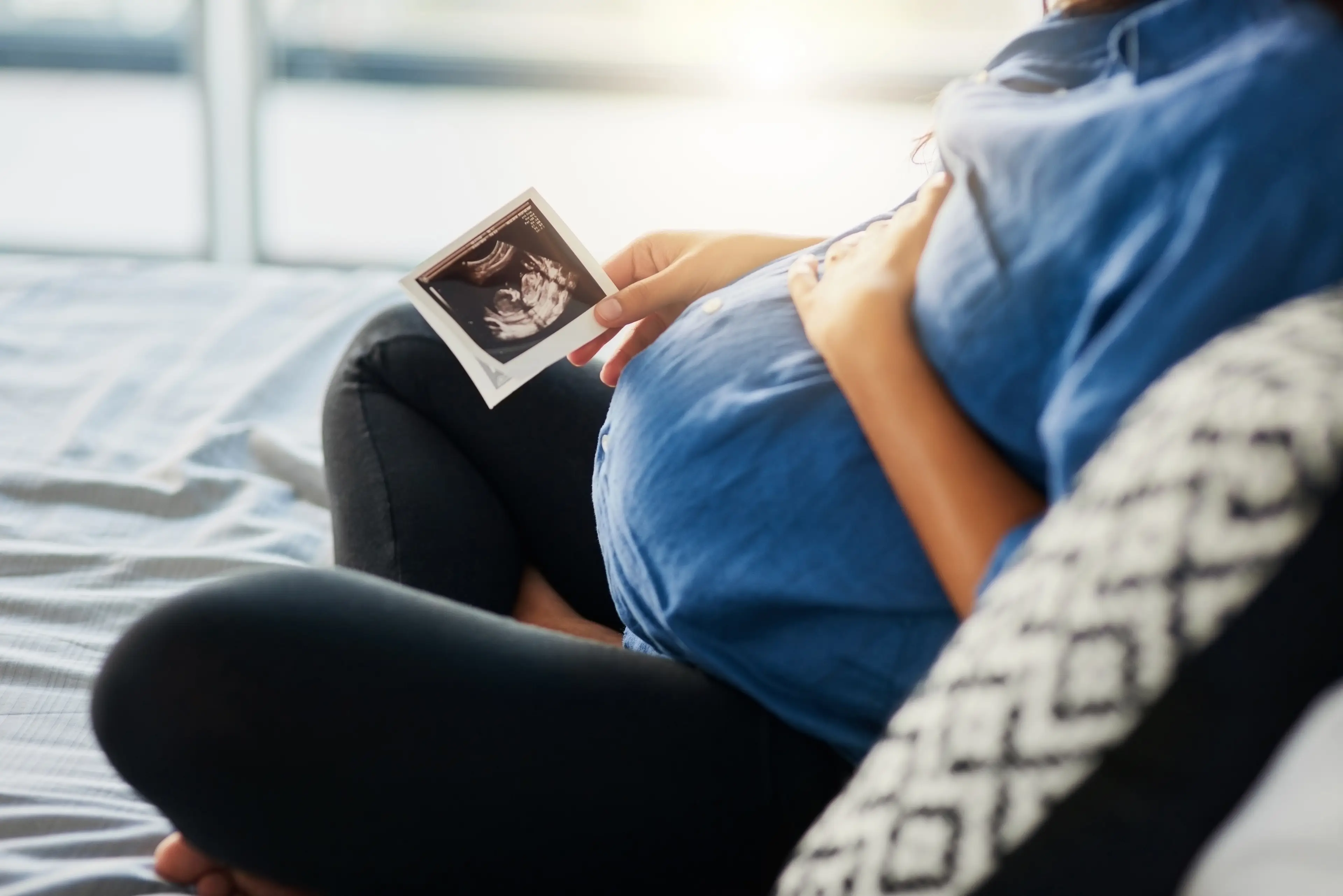
Tyla spoke with Gemma Logan, wedding and relationship expert at The Stag Company and Hen Party Deals, and Dr Lucy Hooper, private GP and co-founder of Coyne Medical, who delved into whether the rising temperatures could cause a baby boom - or quite the opposite.
It follows a report by MailOnline that outlined how more babies are born nine months after the UK’s May bank holiday than at any other point in the year.
The experts explained that while longer days and warmer weather can translate into more intimacy thanks to better well-being and moods, and therefore pregnancies, it’s not quite as simple as that.
Can warmer weather affect birth rates?
Relationship expert Gemma explained that while mild, pleasant weather can encourage social connection, extreme heat can have the opposite effect.
She told Tyla: “From a fertility and relationships perspective, the idea that warmer weather could contribute to a baby boom isn't as far-fetched as it sounds.
“Human behaviour is heavily influenced by our environment, and sunshine has a remarkable effect on mood, energy levels, and social connection.
“When the weather is warm, people tend to spend more time outdoors, attend more social gatherings, and generally feel more relaxed. Longer daylight hours can boost mood and increase feelings of well-being, which often translates into stronger relationship satisfaction and greater intimacy.”
She added: “Put simply, when people feel happier, more connected and less confined by gloomy weather, romantic relationships often benefit.”
However, very high temperatures can disrupt sleep, increase irritability, and even affect fertility in some cases.
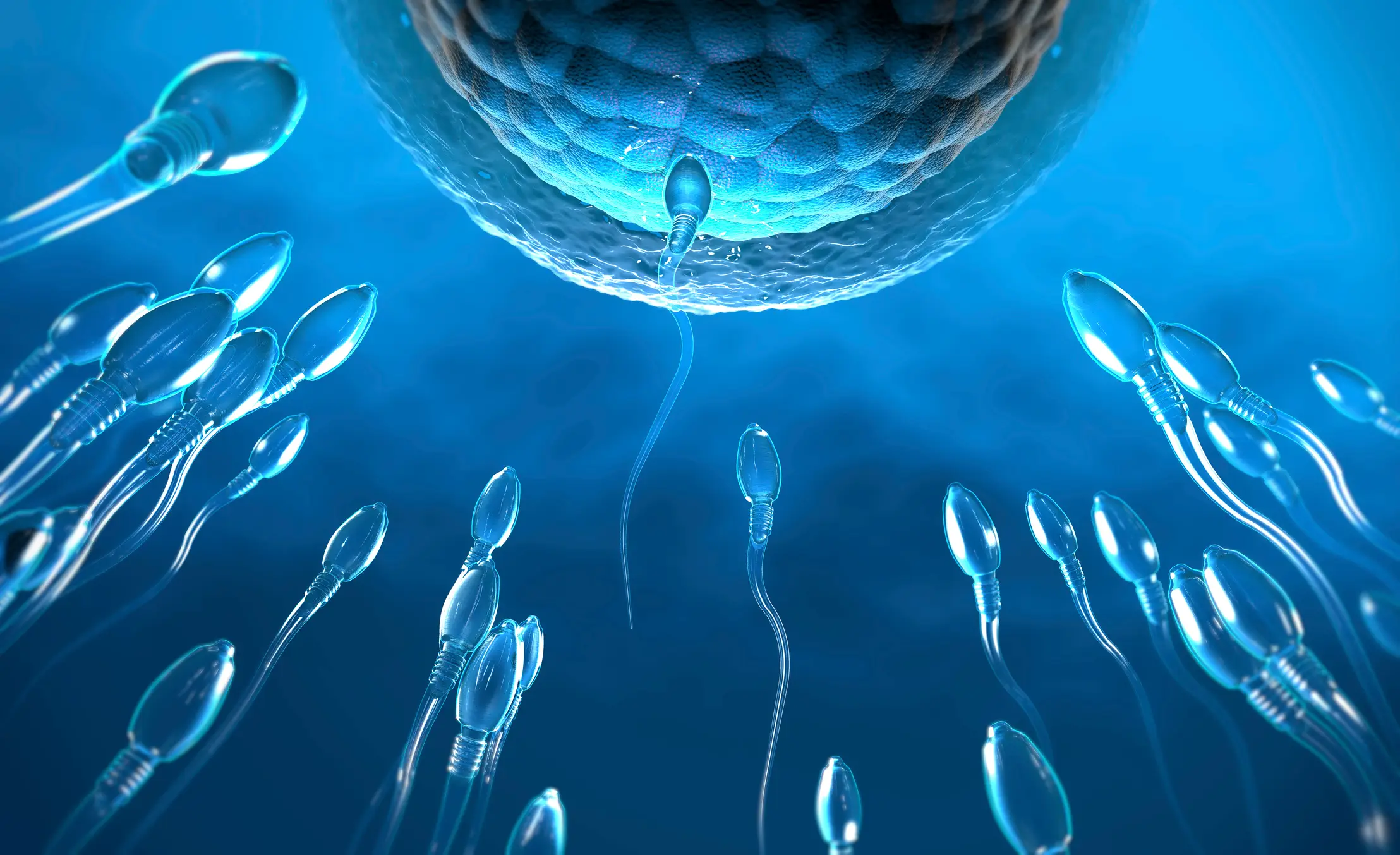
“Research has suggested that prolonged heat exposure may temporarily impact sperm quality, meaning there could be a tipping point where hotter does not necessarily mean more babies,” the expert warned.
Dr. Hooper agreed that while heatwaves can send endorphins soaring, the science actually means we could see fewer pregnancies rather than more.
Speaking to Tyla, the doctor explained: “The idea that warm weather sparks a baby boom is intuitive, but the science tells a more complicated story.
“Pregnancy rates do follow seasonal patterns, though the drivers vary enormously between different areas of the world."
She outlined that although in countries like the UK and other northern European nations, longer days 'genuinely do appear to boost ovulation rates and sexual desire, through a hormonal pathway involving melatonin and the reproductive axis,’ high temperatures can actually 'work against conception'.
Dr Hooper explained: “Sperm production is highly temperature-sensitive, and research has consistently shown that hot weather suppresses sperm quality, reducing count, concentration, and normal morphology.
“So while a summer holiday might set a romantic scene, the biology is not necessarily cooperating.”
As for climate change contributing to a future baby boom, Dr Hooper said that the evidence actually points the other way.
She explained: “Rising global temperatures are likely to suppress sperm quality further, and global fertility rates are already in long-term structural decline, projected to fall to around 1.8 by 2050.
"Short-term fluctuations happen, but no seasonal or climatic shift is going to reverse that trajectory.”
How does an El Niño year happen?
Strap in, folks. It’s time for some science.
It all starts with something called trade winds, which are permanent winds around the equator which usually blow from east to west. So in the equatorial Pacific, they blow from the Americas towards Australia and New Zealand.
As the wind blows the water east, it is warmed by the sun, so by the time it gets to the other side of the Pacific, the warm water causes hot air to rise, leading to warm, wet and unsettled weather. Meanwhile, colder water from deeper in the ocean rises in the east to replace the water blown west.
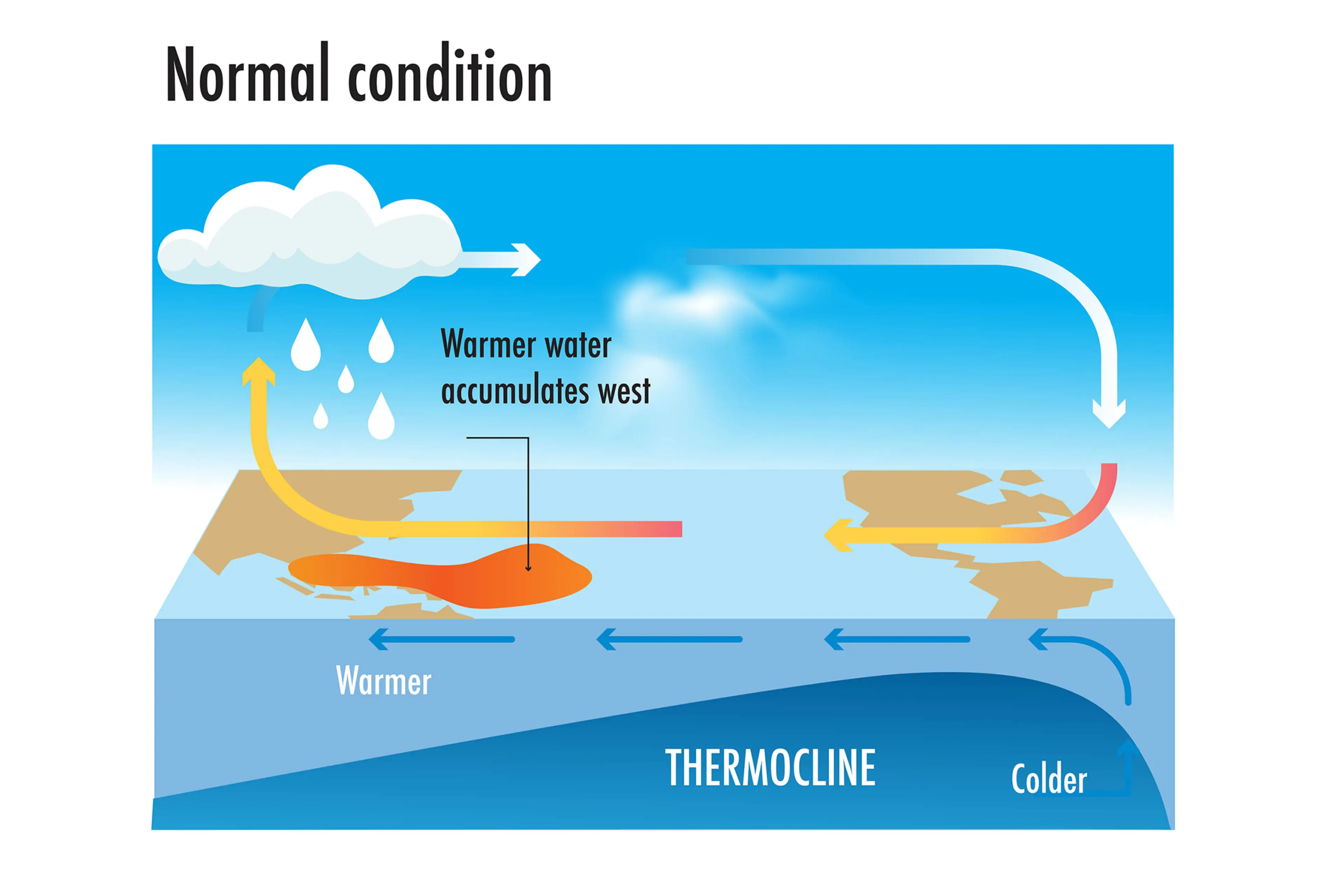
But during El Niño years, this gets disrupted.
When trade winds are weakened or even reversed, the temperature difference between the east and west is cancelled out, and usually cold parts of the ocean warm up.
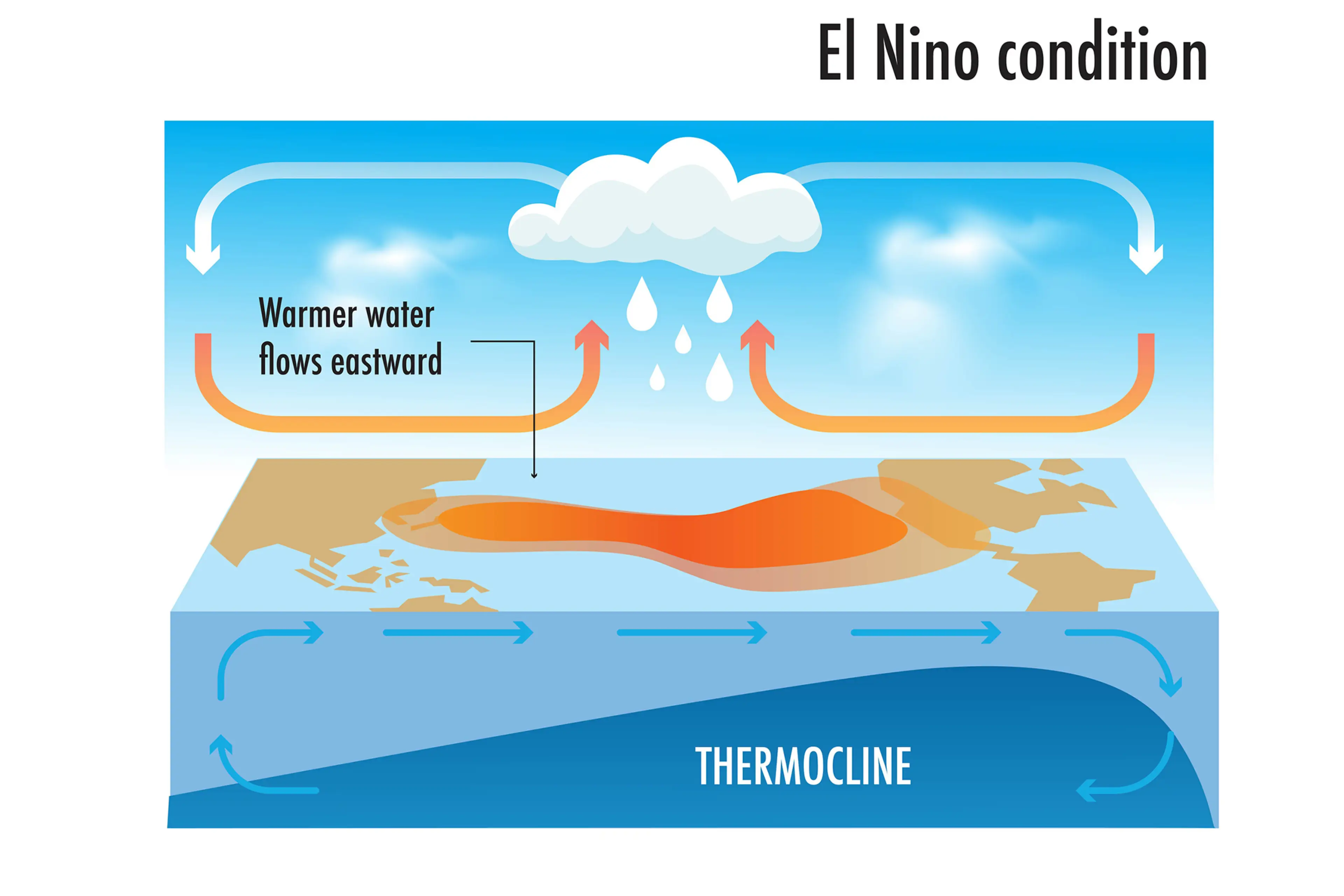
Rainfall and wind patterns change across the equatorial Pacific, which has a knock-on effect around the world.
Anyone else's head hurt a bit?
Topics: Weather, Pregnancy, Life, News, UK News, Tyla Exclusive
 Madison Burgess