Six countries expected to be hit hardest by Super El Niño - including three top tourist destinations

If you've got a holiday booked soon, you might want to double check your plans thanks to the 'Super El Niño' that's brewing.
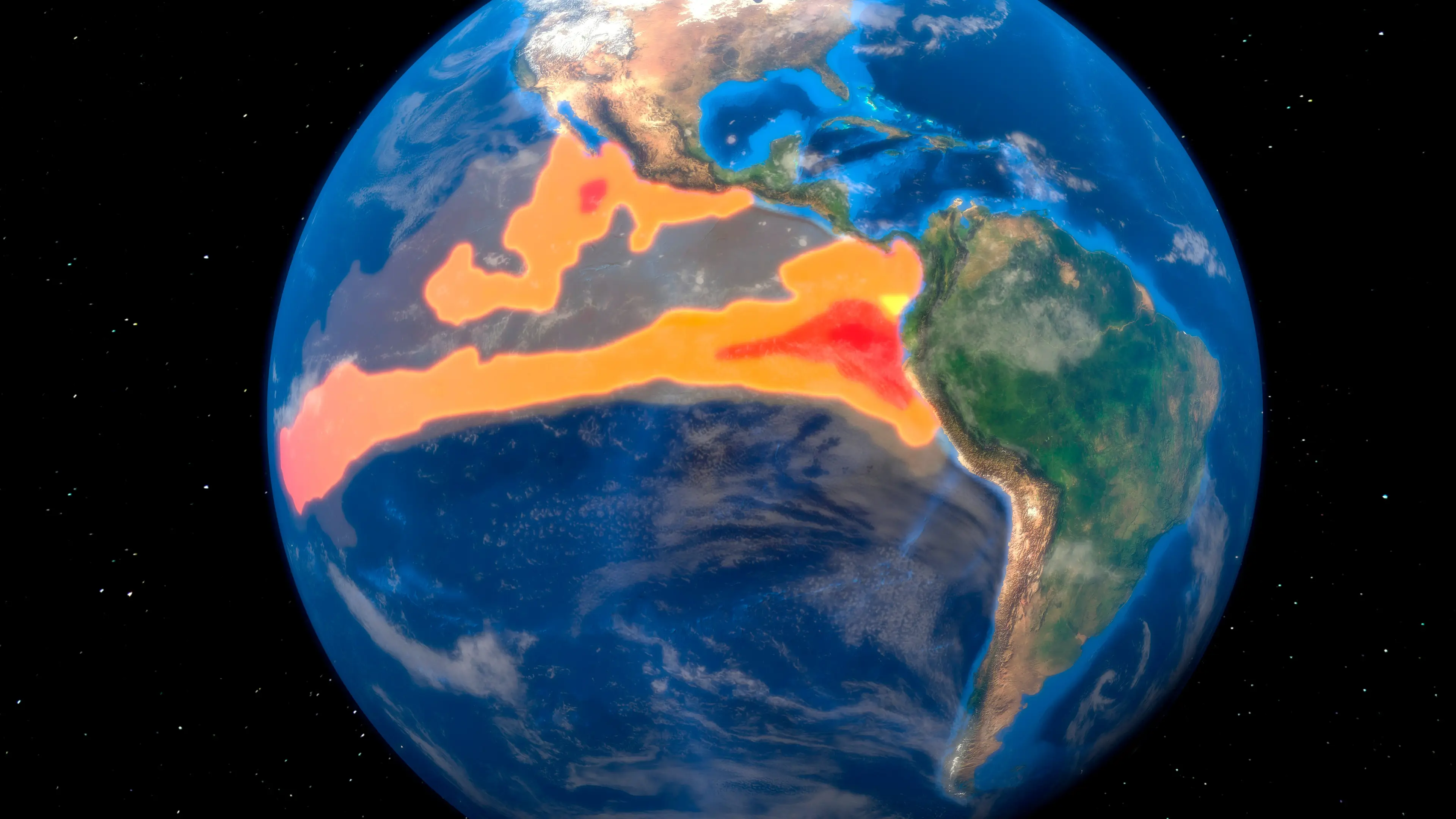
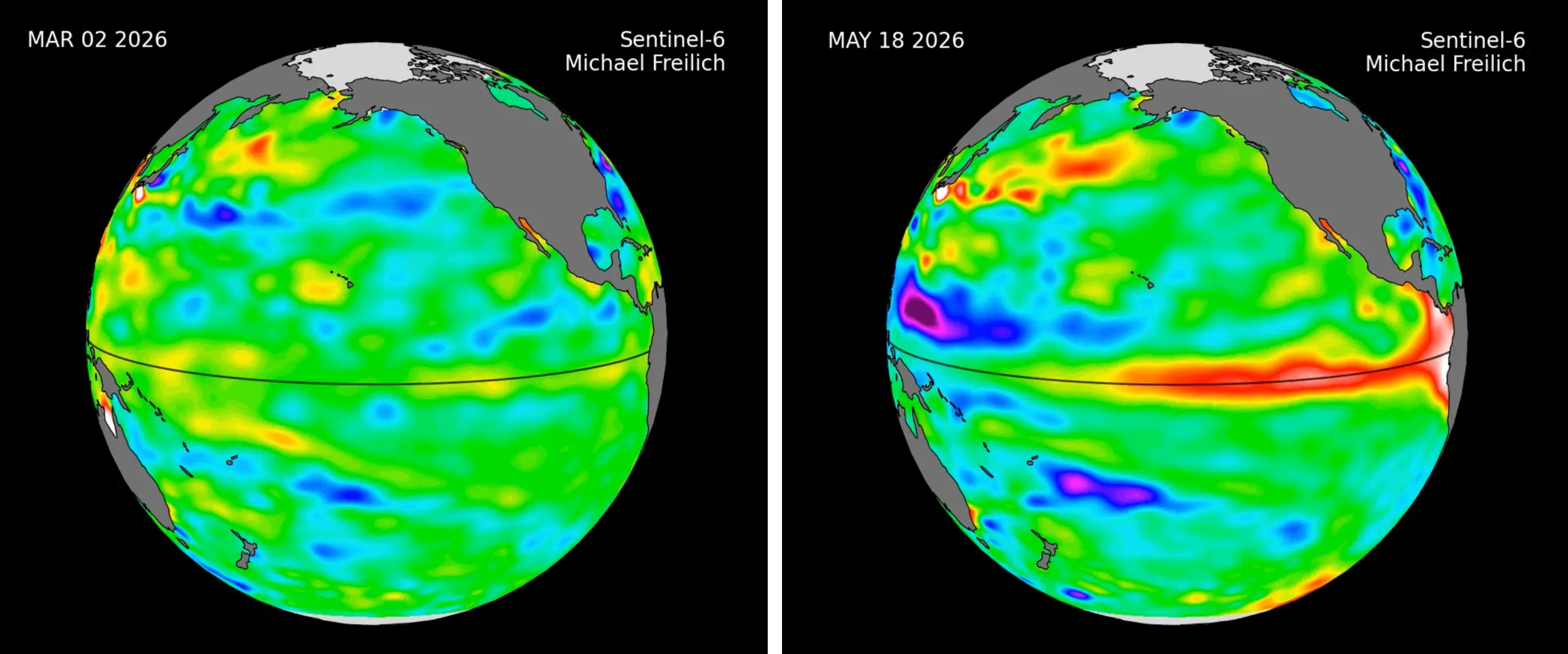
Satellite images have been examined by NASA, and the weather phenomenon was found to be forming in the Pacific Ocean.
If you're new to the term, it means a continuous period of warmer-than-usual sea surface temperatures.
The last El Niño occurred between the spring of 2023 and the summer of 2024, but this one is predicted to be worse than normal, a 'super' one, as temperatures are looking like they will reach an especially high level.
Advert
Scientists predict they will rise by between 1.5-2 degrees Celsius higher than average.
Many holidaymakers have already found their trips have been disrupted by the conflict in the Middle East, with jet fuel shortages causing many airlines to cancel flights.
Now, more trips might be in jeopardy, as some of the top tourist hotspots could be badly impacted by the Super El Niño.
According to Today, forecasters are predicting record-setting temperatures, increased storm activity and more extreme weather through the rest of 2026 into the summer of 2027.
United States

The West Coast of the United States is particularly susceptible to the impact of a Super El Niño.
NBC News senior meteorologist and producer Kathryn Prociv told Today that areas like Hawaii are most at risk, as they have only recently experienced severe flooding.
She warned: "It usually means a more active Pacific hurricane season, alarm bells are going off already for Hawaii."
The last El Niño created the devastating Hurricane Hilary, a rare Pacific hurricane which impacted Southern California, Arizona, Nevada and Utah.
There was an unprecedented tropical storm warning for Southern California as a result, said the expert.
"It didn’t make landfall in California, but it did cause all the record-setting flooding and tropical moisture in areas that don’t typically see that amount of rain in a year."
"The summer heat waves will be likely extreme," she added.
It's bad news if you're off to Disneyworld in Orlando, says Today weatherman Al Roker: "It probably looks really wet for Florida and the Gulf Coast as you go into the fall and winter.
"For Florida, it is in the climatological record that you tend to see more storms and severe weather during El Niño years."
Bad news for the five million Brits who visit the US annually, then.
Australia
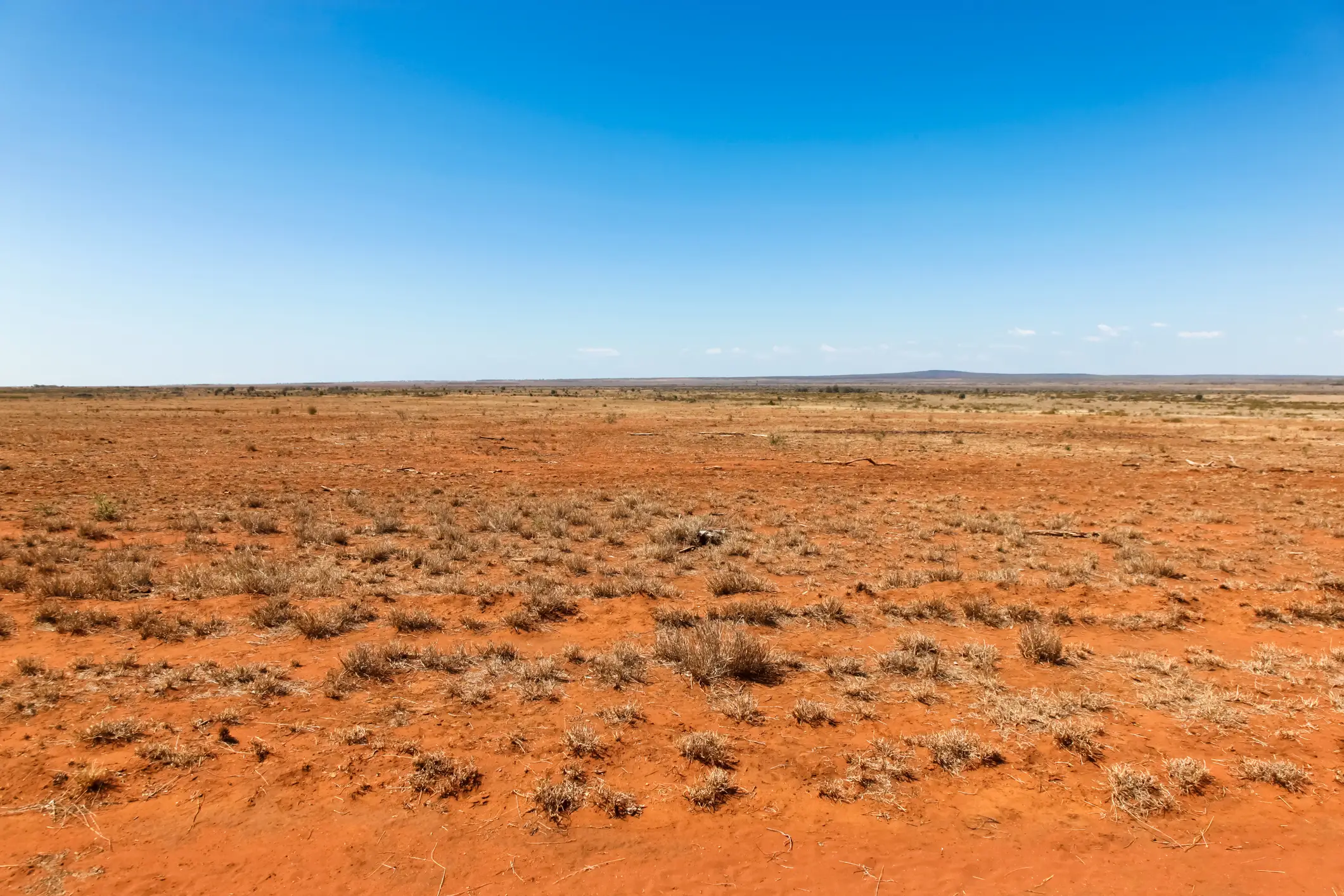
When you think of Australia, you think of scorching sunshine and BBQ on the beach.
The Super El Niño could make things even drier than normal.
Meteorologist John Baranick told Progressive Farmer it could lead to 'drier conditions that tend to be very harmful for agriculture and for water supplies. But the more frequent high pressure sometimes includes a higher risk of low temperatures and frosts during the winter'.
He added: "That effect is less certain than the dryness."
Liz Stephens, professor of climate risk and resilience at the University of Reading, told the BBC that we're 'probably be looking at record global temperatures next year, especially if this is a very strong El Niño event'.
More than 750,000 Brits visit Australia annually.
China
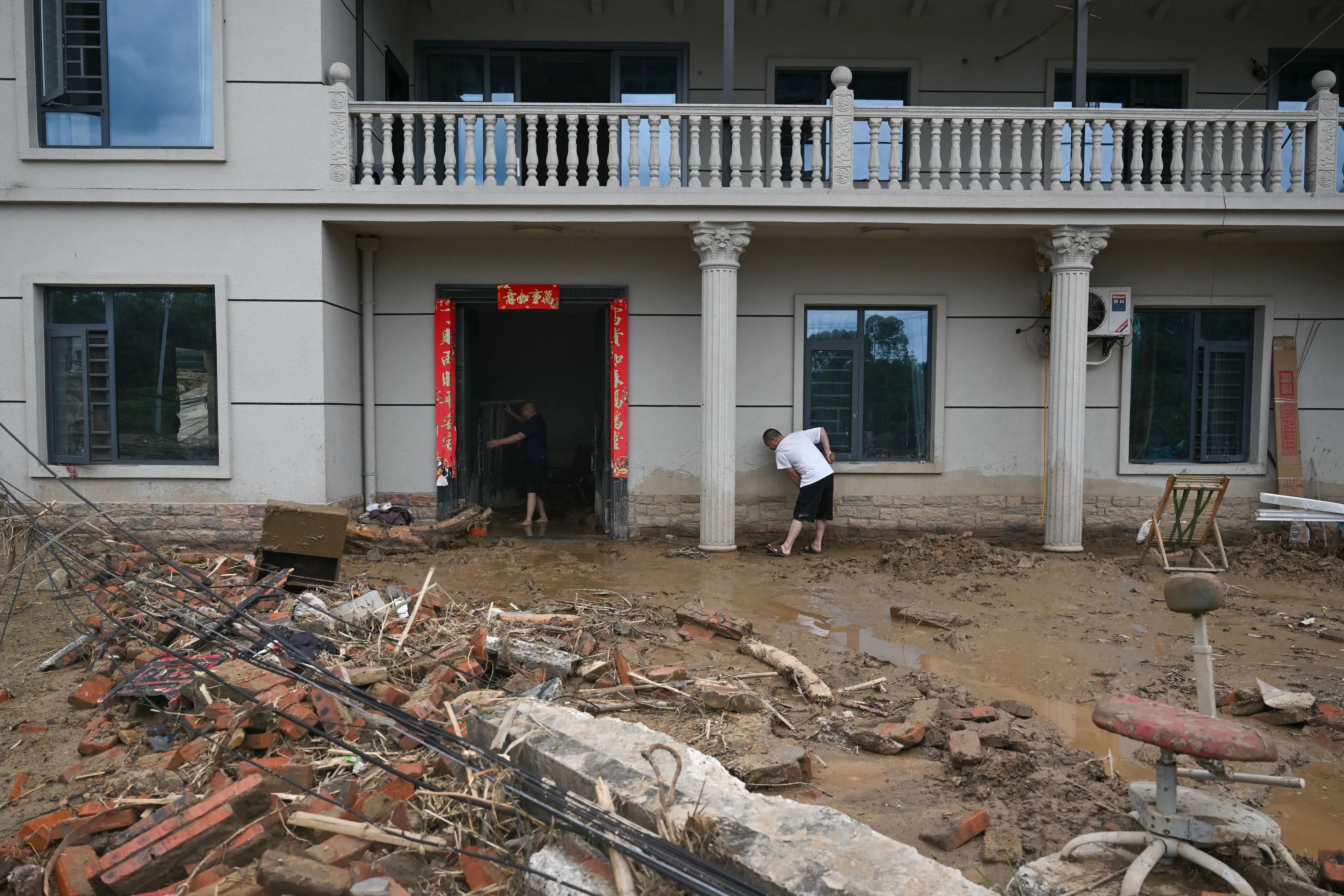
China is already experiencing a huge surge in rainfall, with more flooding predicted.
According to Asia News Network, Sun Mingyang, an engineer at the National Climate Centre, warned that extreme rainfall events have already been widespread across both northern and southern parts of the country.
Several springtime records for rainfall have already been broken across China.
Around 615,000 Brits visit China each year.
Brazil
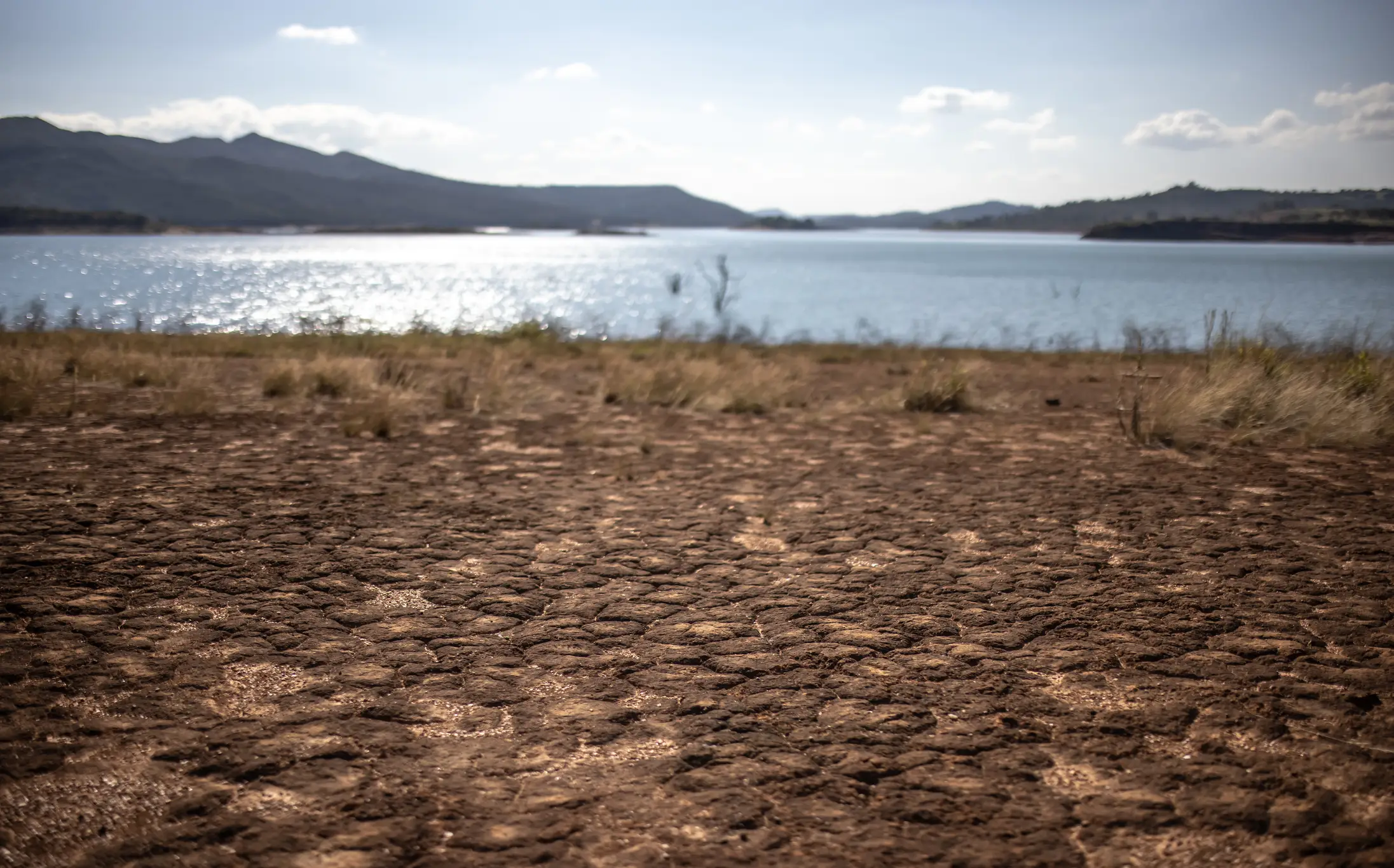
Speaking to the BBC, Professor Liz Stephens also warned of the dangers of drought: "There is also a greater chance of drought and wildfires in parts of Australia, Indonesia and the north of South America, leading to a decline in agriculture and global food stocks."
Brazil is particularly susceptible to drier weather, and it can cause huge damage to the Amazon if things dry up severely.
Other countries in South America, such as Peru and Ecuador, can see much wetter weather, leading to devastating floods and wiping out huge areas of agriculture.
Africa
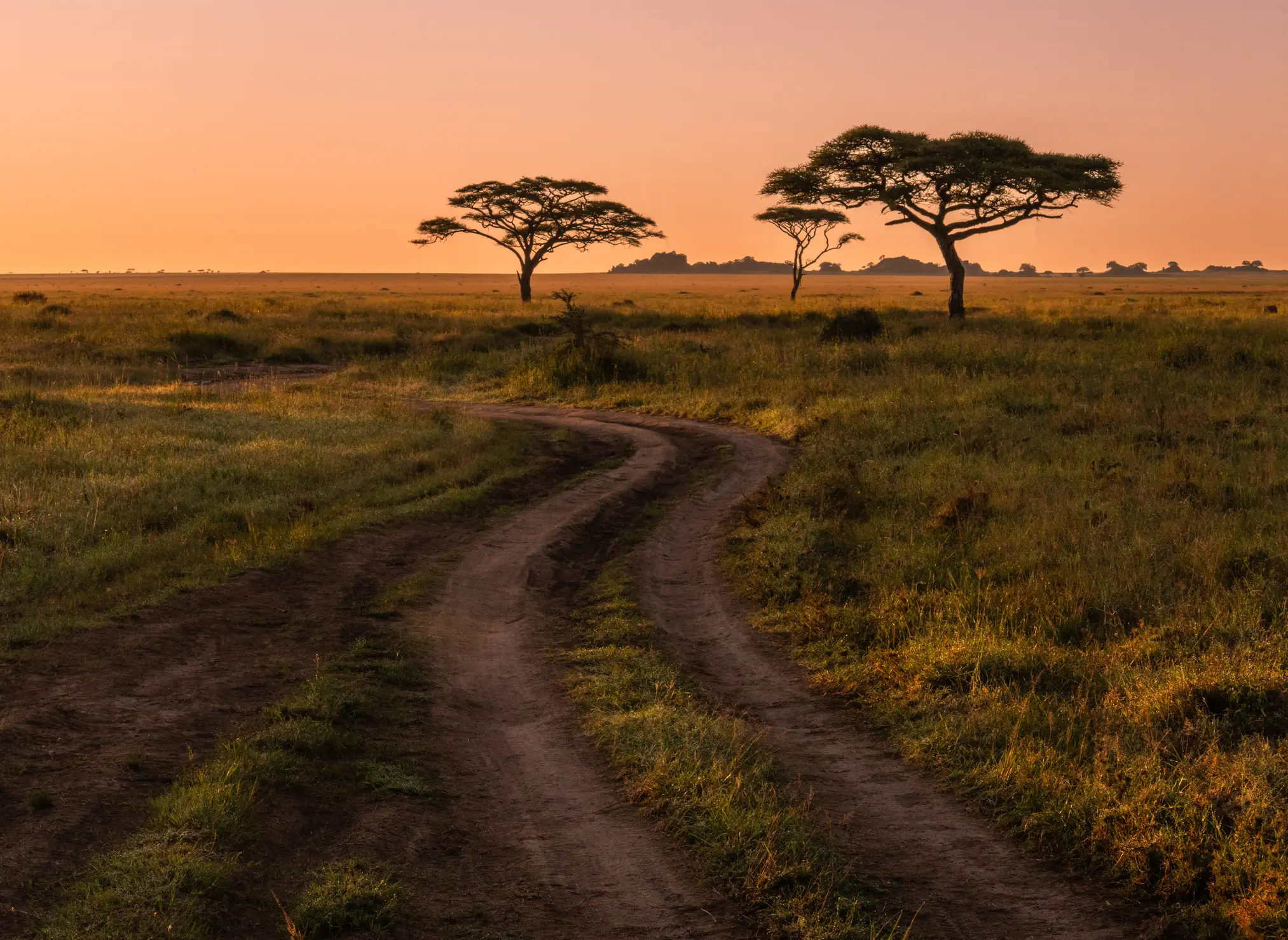
Southern Africa is at risk of severe drought and heat, which could be catastrophic for food supplies as well as the spread of disease.
Conversely, East Africa is facing flooding and heavy rains.
While the rain can be beneficial for some crops, too much results in flash flooding and destroying livelihoods and worse, a major loss of life.
India
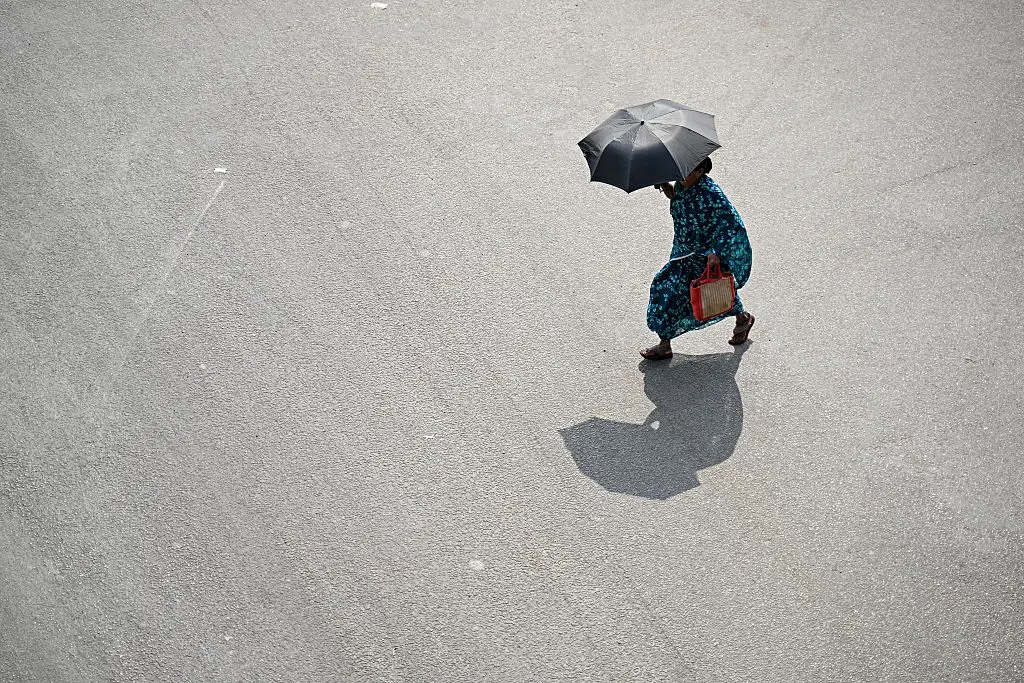
Experts in India are warning of 'extreme heat, and weak rainfall forecasts' with what many are saying could be 'a terrible year ahead', according to NDTV.
They warned: "A strong El Niño weakens the southwest monsoon - the rain system that supplies nearly 70 percent of India's annual rainfall."
Almost 60 percent of Indian farmers depend on monsoon rains, and so far, rainfall has been six percent lower than normal.
Topics: Weather, Climate Change, Travel, Holiday
 Jen Thomas