UK government reveals list of foods banned from schools from next year

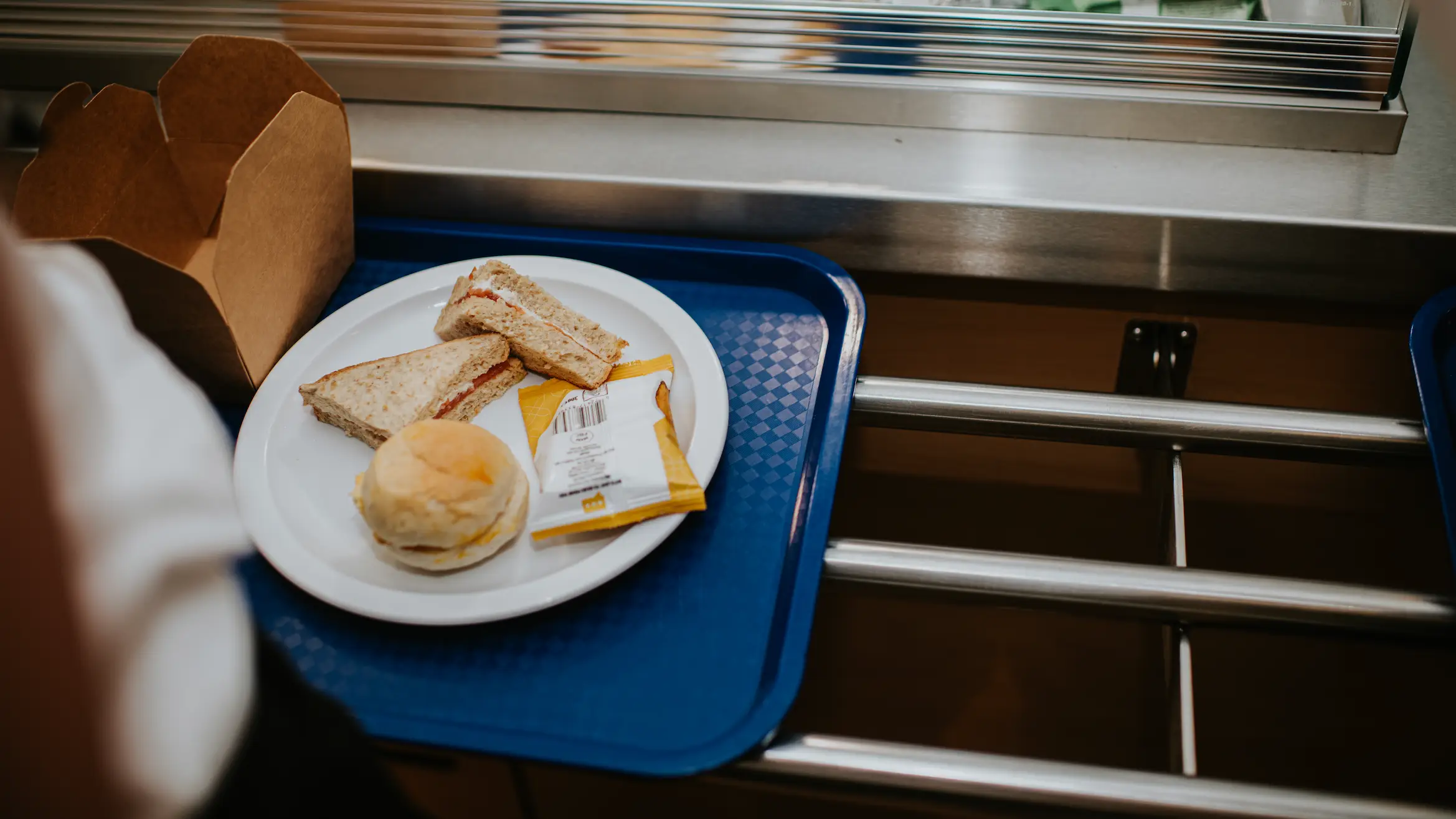
School dinners will soon look very different in the UK, with the British Government announcing a major shake-up of what children can eat in England from September 2027.
Several breakfast items beloved by little ones are among the items being axed, while fried foods and sweet treats will be restricted.
The new rules are supposedly designed to tackle childhood obesity and tooth decay, while encouraging schools to serve more fruit, vegetables, whole grains and pulses.
Announced this morning, the changes are still subject to Parliamentary approval, with some secondary school requirements being phased in until September 2028.
So, what exactly has been announced?
The Department for Education has proposed updated school food standards for England, replacing rules that have been in place for a decade.
Advert
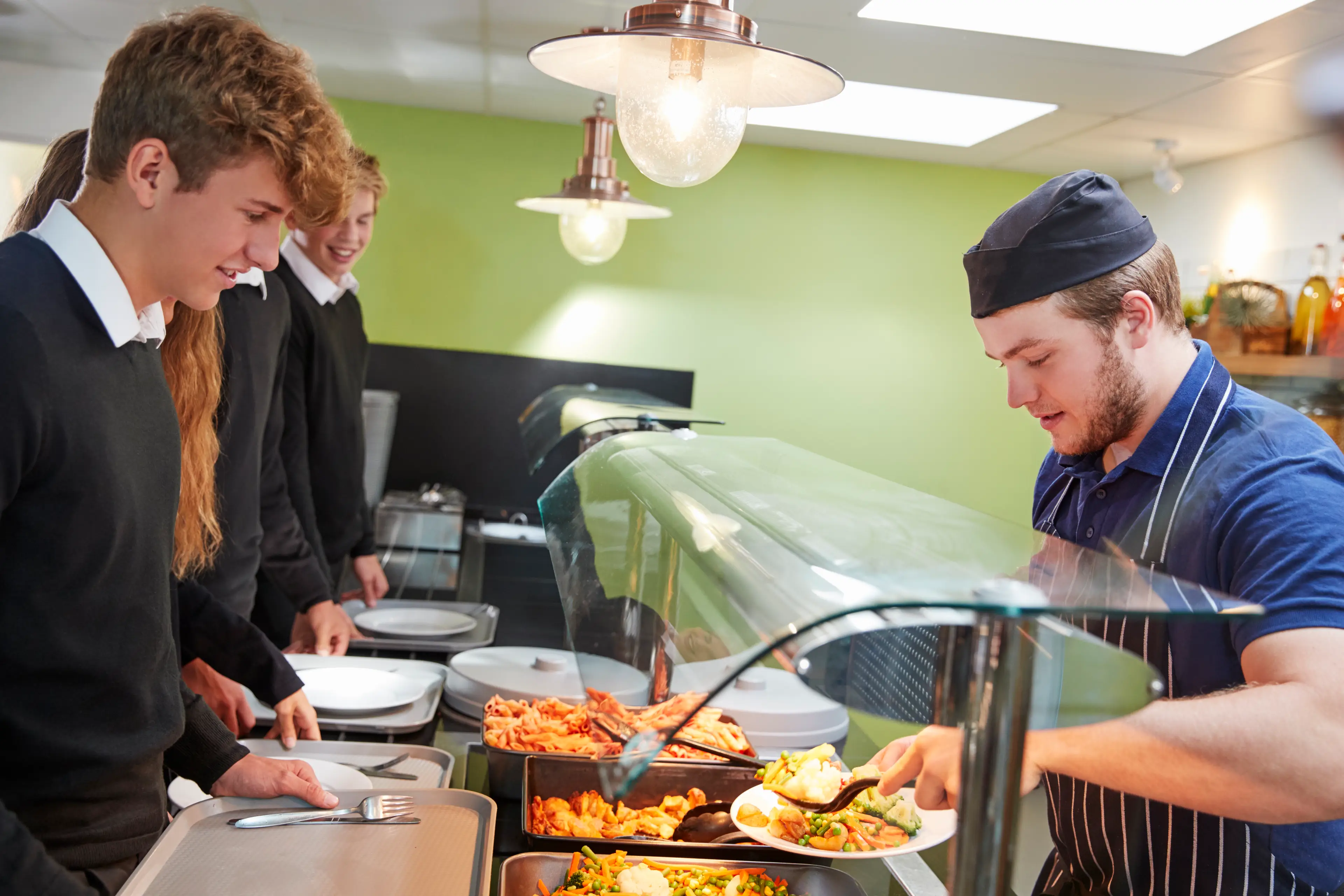
Under the new plans, schools will have to reduce the amount of food and drink high in fat, sugar and salt, while increasing fibre, fruit and vegetables.
There will also be new breakfast standards, meaning some foods currently served at breakfast clubs will no longer be allowed.
Primary and secondary schools will have to publish their food policies and menus online from September 2027 and appoint a lead governor for school food to help oversee what is being served.
The Government says the changes will apply to state-funded schools in England, with secondary schools getting until September 2028 for some of the new requirements.
Why have the changes come in?
As we say, the Government allege that children's diets have changed since the current standards were introduced more than a decade ago.
Official guidance says many children are eating too much sugar while not getting enough fibre, fruit and vegetables.
The new regulations are intended to bring school meals in line with the latest dietary recommendations and help children develop healthier eating habits.
There is also a pretty serious health argument behind the overhaul.
According to reports on the reforms by PA, around one in three children leave primary school overweight or obese, while tooth decay is the leading cause of hospital admissions among children aged five to nine.
The changes also arrive as free school meals are being expanded to children in England from households receiving Universal Credit, meaning more pupils will rely on school-provided food.
Education Secretary Lucy Powell described the plans as 'once-in-a-generation changes' and said the Government wants children to have access to healthier meals that help them learn and grow.
Which food and drink items are being banned?
As mentioned, some school dinner favourites are officially facing the chop.
Deep-fried food will no longer be allowed, meaning traditional deep-fried fish and chips are out, although baked chips can still be served.
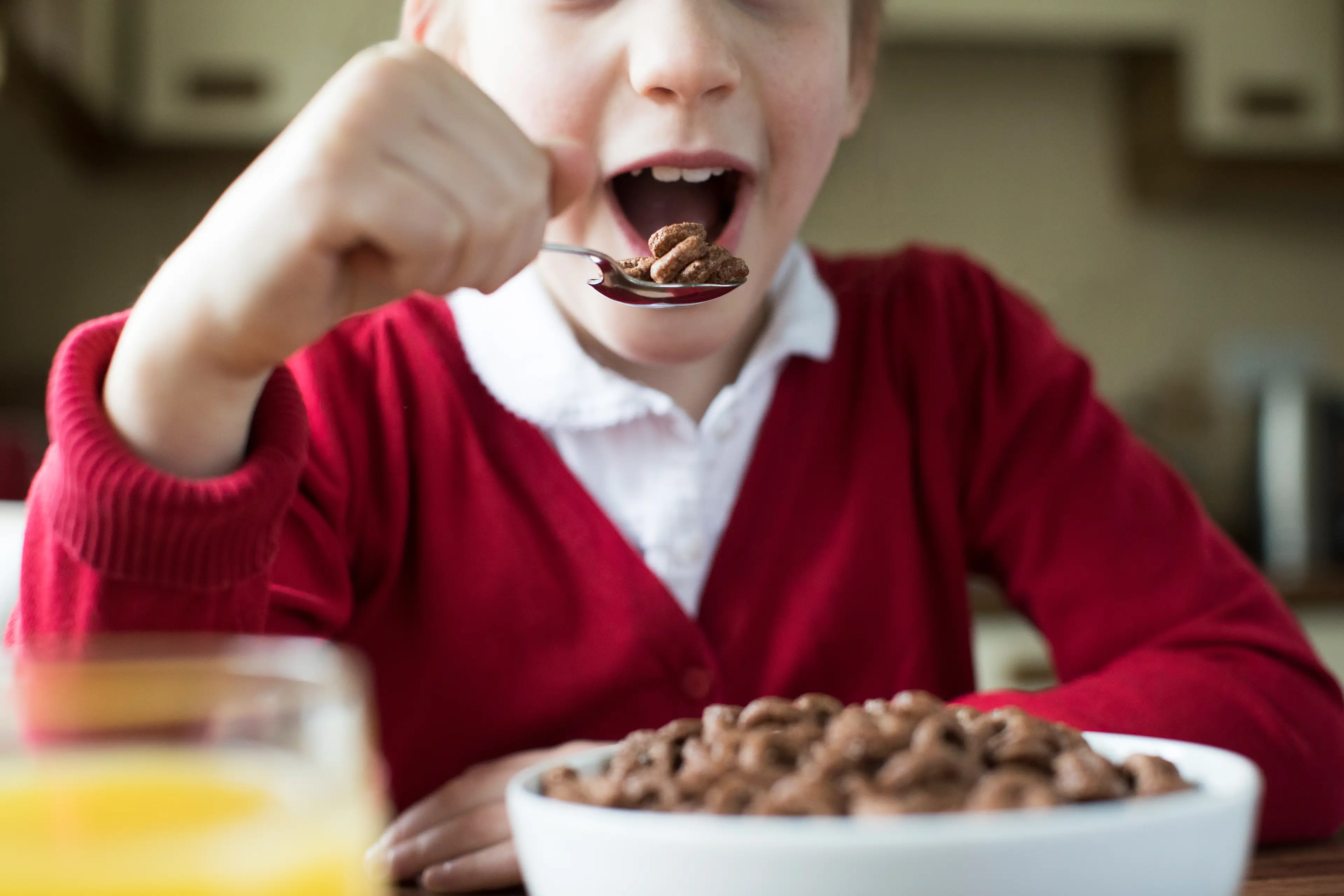
Breakfast pastries will also be banned, alongside fried eggs under the new breakfast standards. And yes, Coco Pops and other high-sugar cereals are being restricted, while chocolate spread such as Nutella will not be allowed.
The Government is also introducing tighter rules around sugary foods and drinks, including items such as ice cream, waffles and sugary or artificially sweetened drinks.
But it's not a total ban on every fun food, and instead, some items will simply become much less frequent.
Sausages, chicken nuggets and ham, for example, can only be served once a week and must come with fruit or vegetables.
Sweet desserts will be limited to once a week in primary schools and twice a week in secondary schools, with fruit served alongside them.
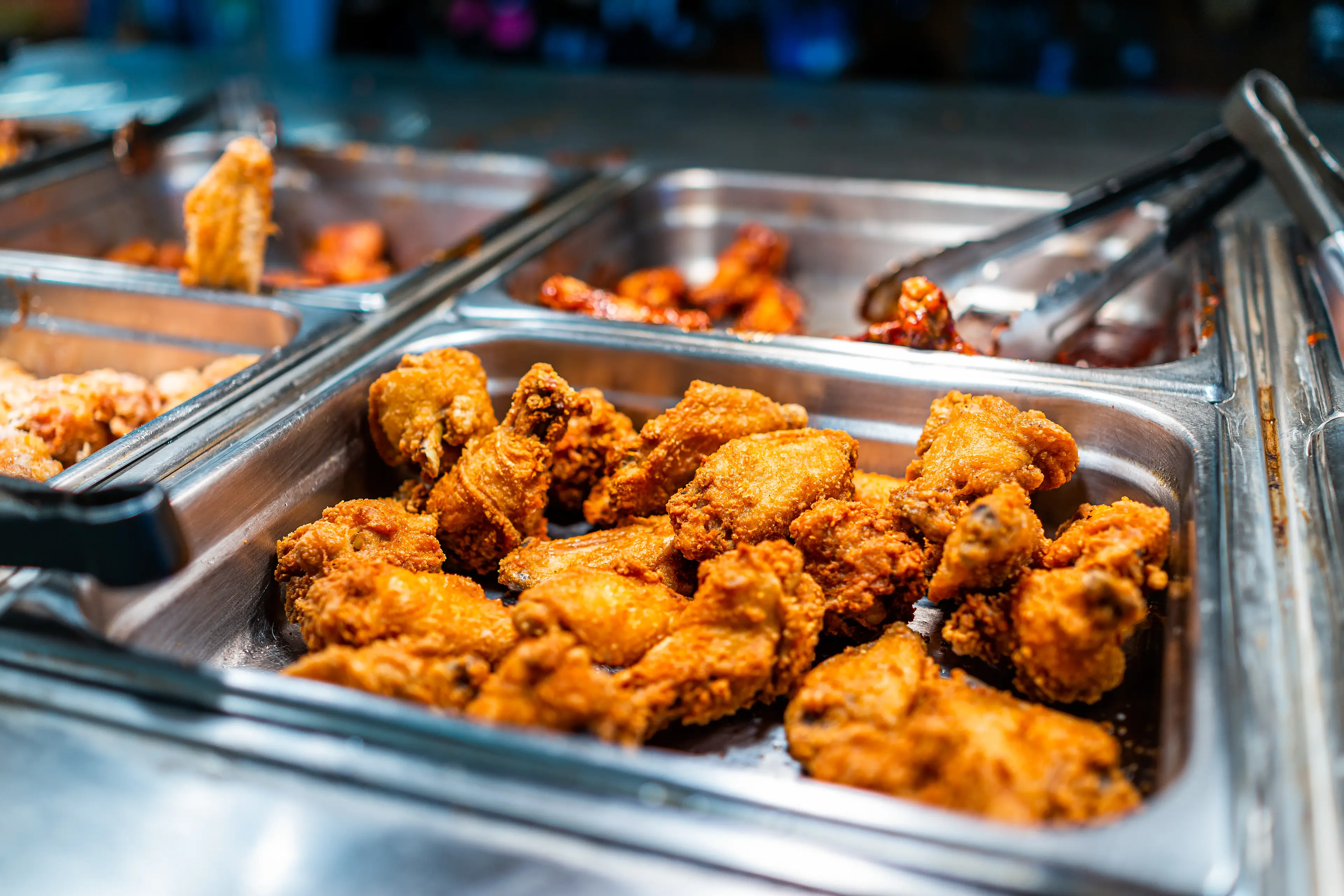
So, an apple crumble could come with a side of blueberries rather than simply being left to fend for itself.
Foods high in fat and salt, such as pizza and sausage rolls, will only be allowed as very occasional options, and starchy foods cooked in oil or fat will be limited to twice a week.
Even ketchup is getting a makeover, with reduced-salt-and-sugar condiments restricted to 10g portions.
What foods are schools being encouraged to serve?
The Government wants school menus to become much more focused on fruit, vegetables, fibre and whole grains, with every dish now needing to include at least one portion of fruit or vegetables.
Schools will also have to serve lentils or chickpeas with a main meal at least once a week, and there'll need to be at least one pasta dish each week containing 50% wholewheat pasta.
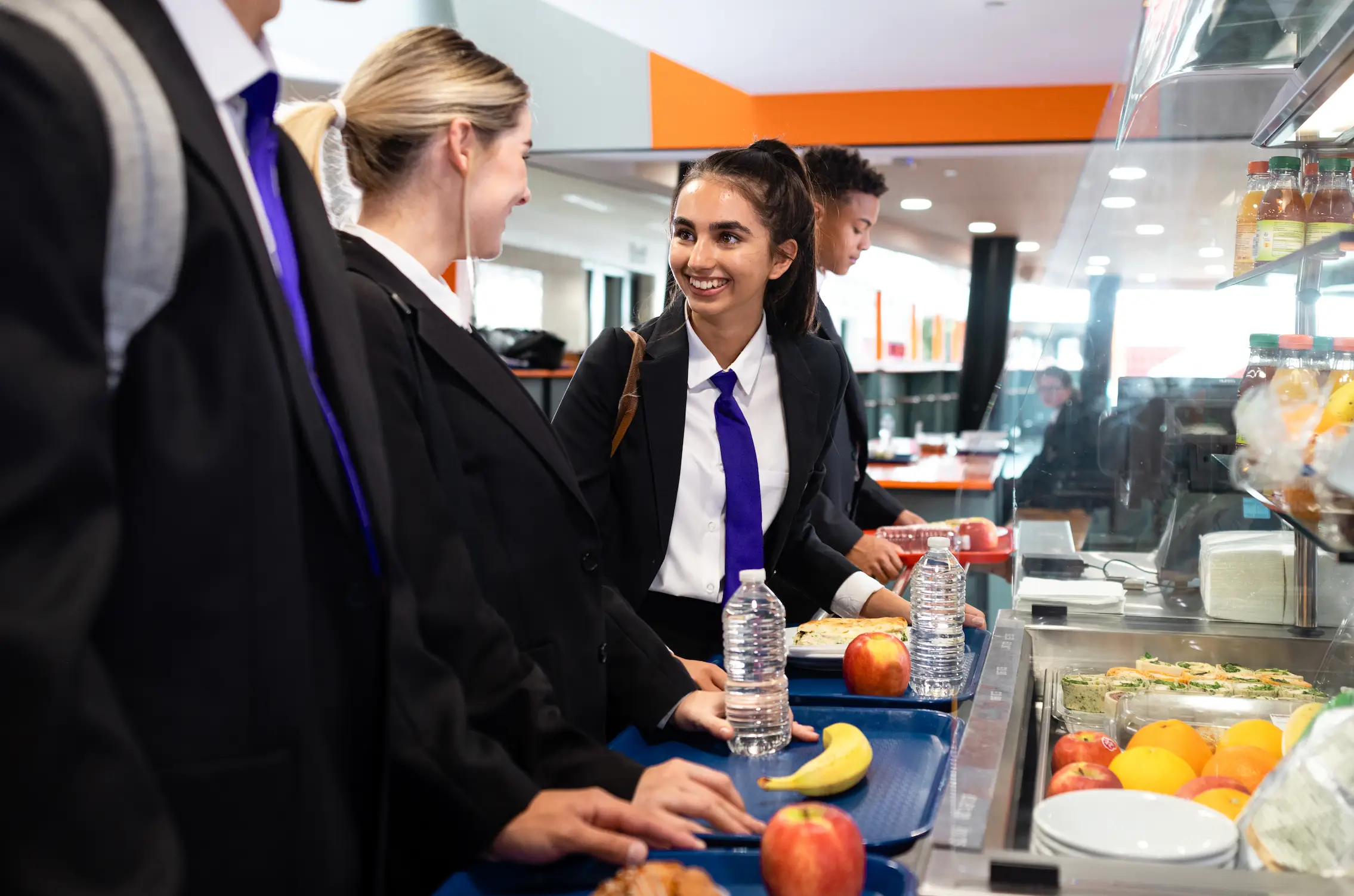
There are also some other surprising specifics, with bread needing to contain at least 4g of fibre per 100g and be made with at least 50% wholemeal flour.
What have politicians said about the changes?
While several politicians have attempted to include Prime Minister Andy Burnham in a debate over the changes, the most notable comments about him have come from his opponents.
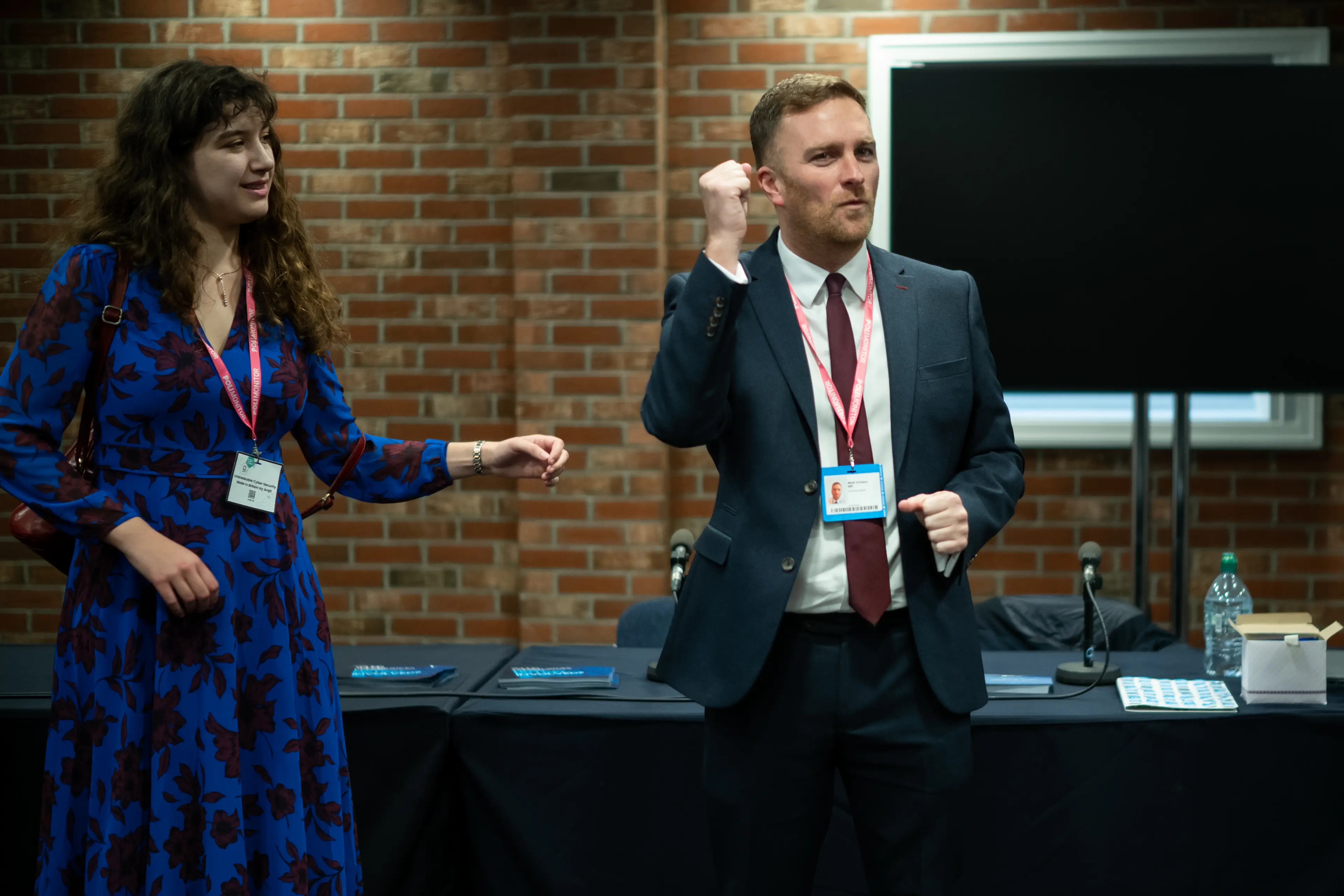
Conservative Party deputy chairman Matt Vickers mocked the reforms, accusing Burnham of prioritising puddings while other issues face the country.
He said: "Our Armed Forces are crumbling, but Andy Burnham has decided his priority is taking pudding off the menu."
Vickers also doubled down with a joke about jelly, saying: "The only thing wobblier than Andy Burnham’s defence policy is the jelly he’s trying to ban."
One person who definitely isn't mourning the loss of the chicken nuggets is Jamie Oliver.
What has Jamie Oliver said about the changes?
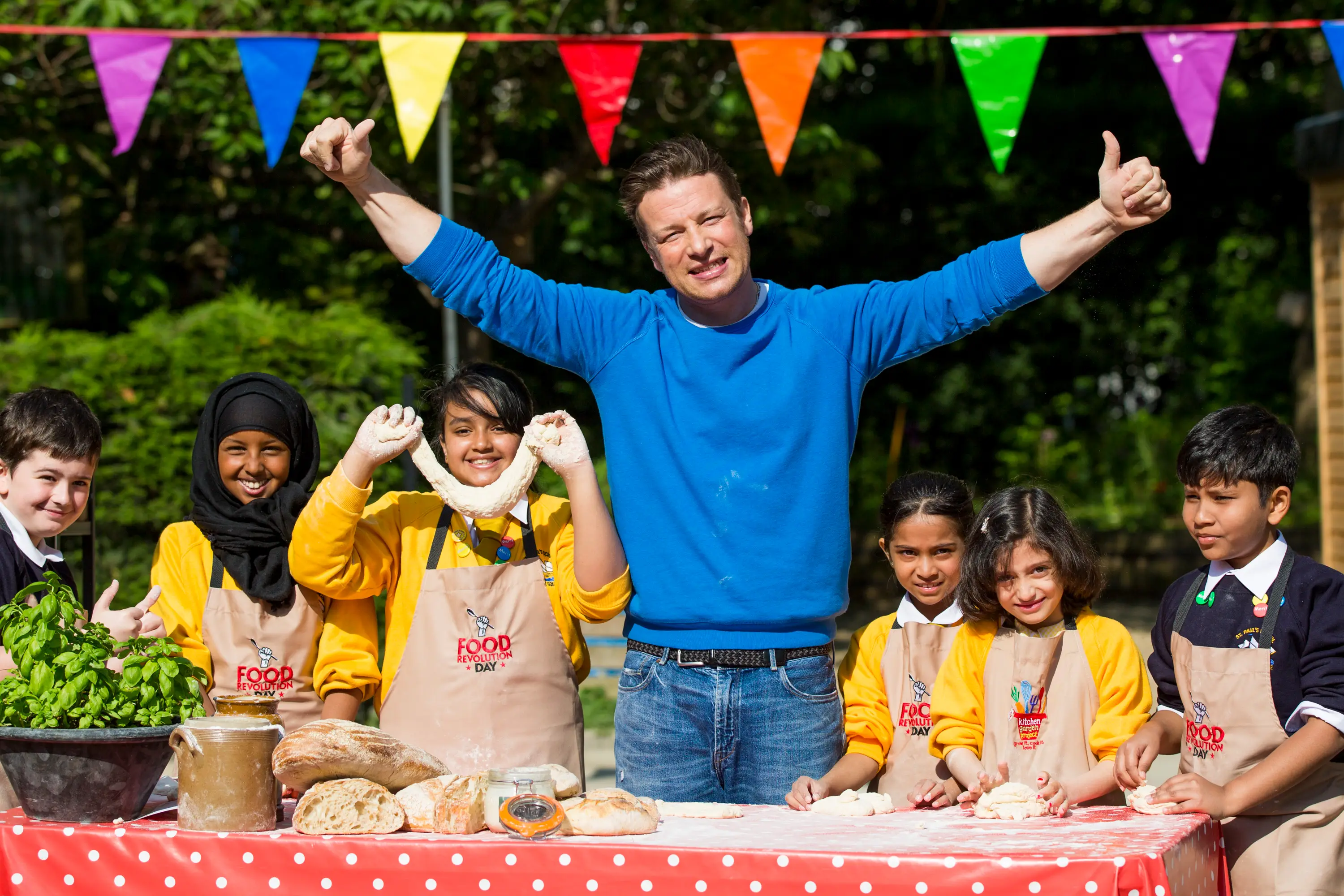
The chef has spent more than two decades campaigning for better school food, so he has welcomed the new standards.
Calling it a 'brilliant day', Oliver said the rules were based on the latest science and should ensure school food actually supports children's health.
"Back 20+ years ago when I started [Channel 5 series] School Dinners, I could not believe that we had standards for dog food but not what we serve our children at school!" he said via the Government's website. "And I’ve never stopped banging that drum.
"Because it’s massive - 190 days of the year, 70% of our kids’ nutrition is in the hands of their school. So, it’s got to be great. It’s got to fill them up with all the good stuff they need to learn and grow."
The culinary connoisseur continued: "So, it’s brilliant to see new School Food Standards based on the latest science, to make sure the food children get at school is actually supporting their health and helping them thrive.
"And that those standards won’t just live on paper, but have proper monitoring to make sure they’re followed, so we know where we need to deploy care, love and support. Sure, there’s always more to do, but after 25 years of campaigning, today is a brilliant day.
Topics: Food and Drink, Politics, Parenting, UK News, News
 Rhianna Benson