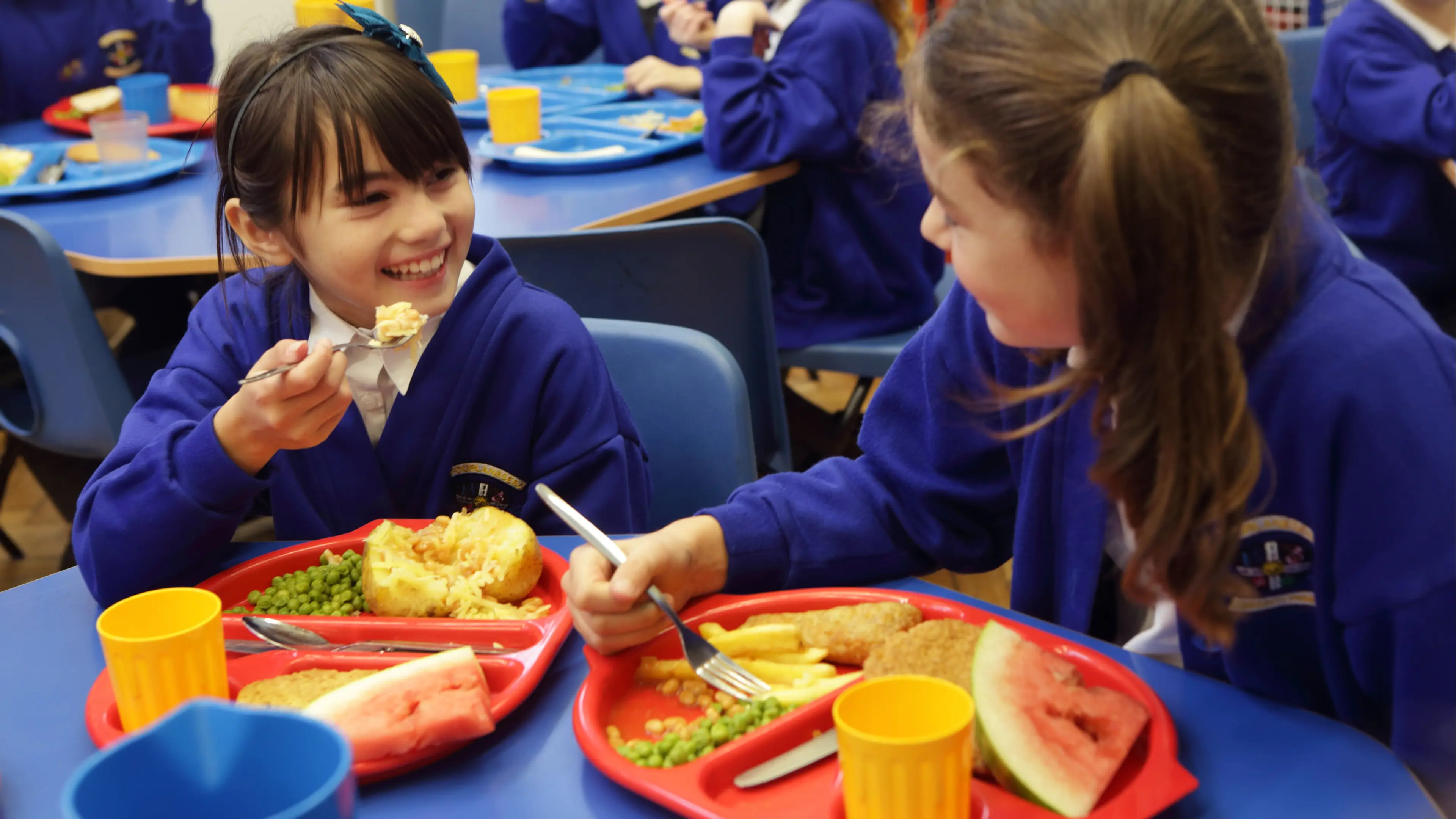
List of foods that will now be banned from school menus

School dinners are about to get a serious shake-up, with some familiar favourites facing the chop as ministers move to clean up what is being served at lunchtime.
For plenty of people in the school lunch queue, there were always certain options you could rely on turning up, whether you actually wanted them or not, and they became such a fixture of school life that it was hard to imagine the menu without them.
That is now set to change, because a number of foods are being pushed out altogether while others are being heavily restricted under new plans. While the idea of banned foods is already enough to divide parents and pupils, the full list is a big one — potentially enough to make some face their daily school meal diet change drastically.
Fried food will no longer be served, with sweet treats restricted
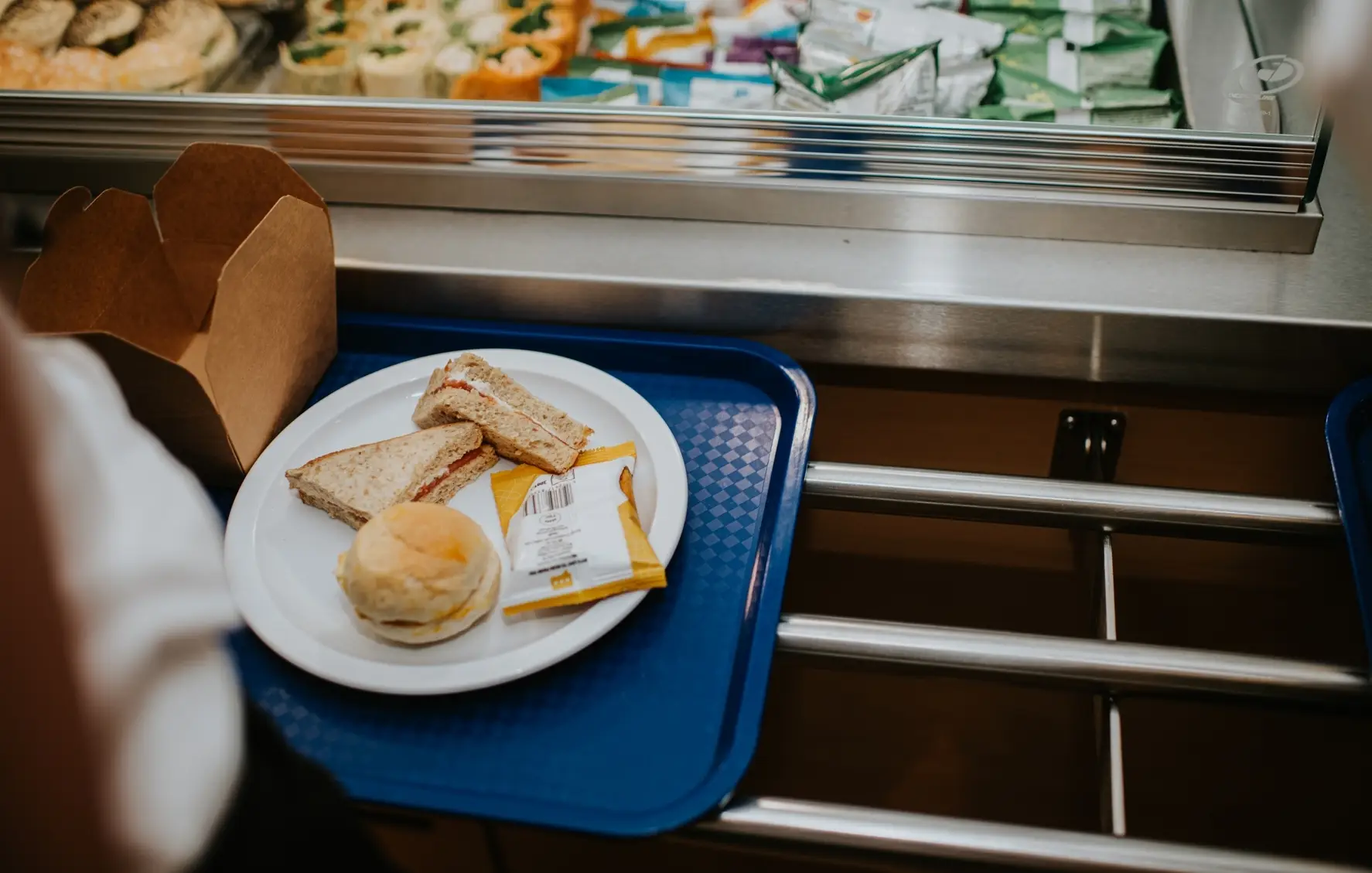
Under the proposals, deep-fried food would be removed from school menus altogether. Desserts like ice cream and waffles would be restricted, along with cakes and puddings, while daily ‘grab and go’ options such as pizza and sausage rolls would also be curbed. Chips and hash browns would not disappear completely, but they would be limited to no more than twice a week. Although deep-fried options will indeed be banned, meals with items coated in batter or breadcrumbs — such as fish & chips — will be allowed on menus no more than one time per week.
Advert
The wider plan is part of a proposed overhaul of school food standards in England, with the government saying it wants to tackle childhood obesity and tooth decay by improving the nutritional quality of meals served to pupils.
So, while some of the best-known lunch staples are being pushed to the side, schools are instead being steered towards meals that look a bit more substantial. Sample menus include cottage pie with root-and-veg mash, Mexican-style burritos, jerk chicken with rice and peas, and spaghetti bolognese.
Fruit & veg is going to be a legal requirement
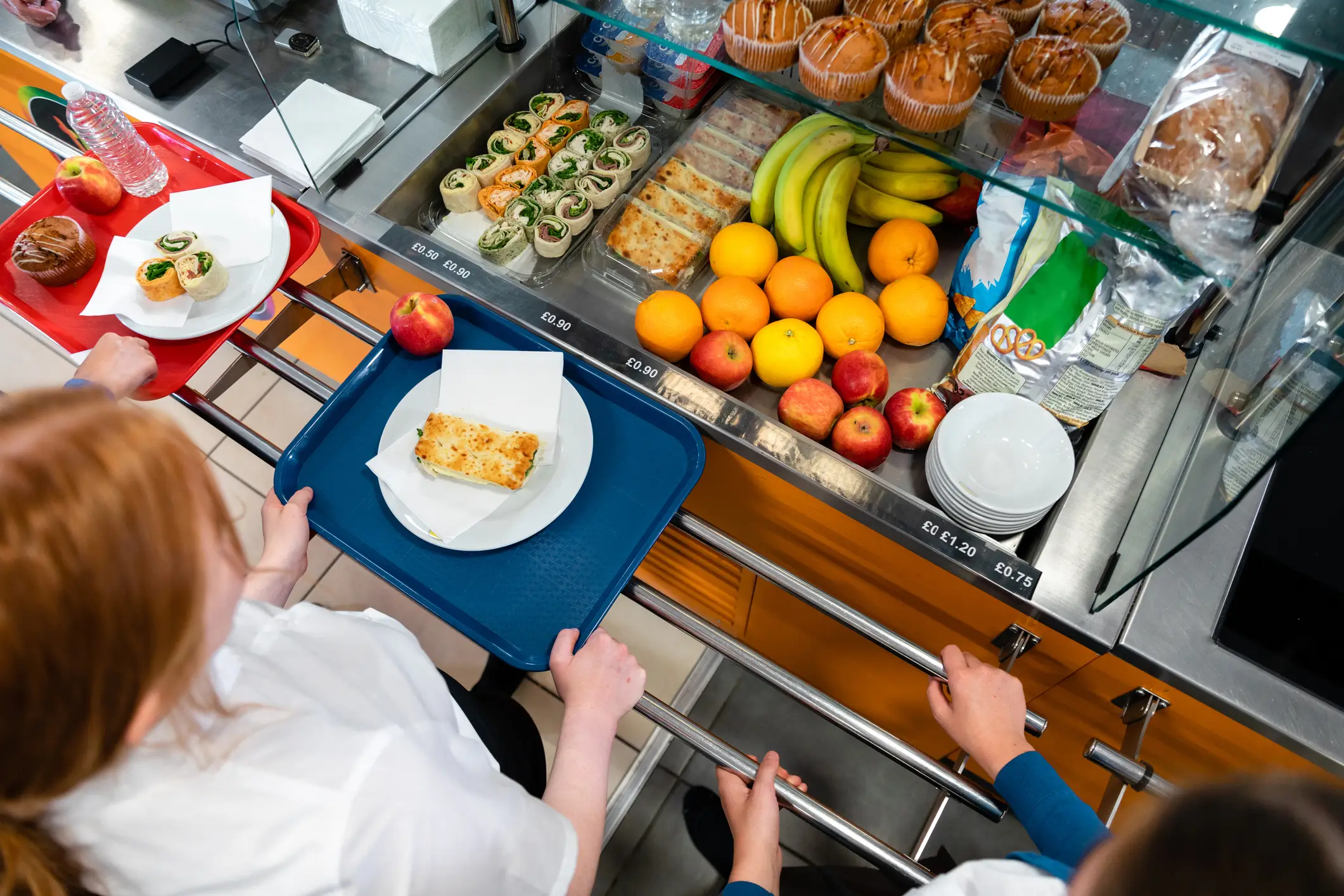
There would also be stricter rules around what has to come with each meal, as schools would need to serve at least one portion of vegetables or salad every time. Menus would also have to be published online, which should make it a bit easier for parents to keep tabs on what is actually being served.
One thing in particular that the proposals make clear is that this is not just about taking things away for the sake of it. The government says around one in three children leave primary school overweight or obese, while tooth decay remains the leading cause of hospital admissions for children aged five to nine.
As reported by The Independent, Education Secretary Bridget Phillipson called the move ‘the most ambitious overhaul of school food in a generation’ and said it was ‘long overdue’.
She added: “Every child deserves to have delicious, nutritious food at school that gives them the energy to concentrate, learn and thrive – meals that children will actually recognise and enjoy, backed by robust compliance so that good standards on paper become good food on the plate.”
Jamie Oliver also backed the plans, calling school food ‘the UK’s most important restaurant chain’ and a ‘massive opportunity to improve health at scale.’
He added: “My Good School Food Awards prove that world-class meals are possible right now, and every child deserves that same quality. So, I’m delighted this Government is now updating and enforcing these standards.”
The changes would be introduced in phases for secondary schools, with two sweet treats allowed each week from September next year, before that drops to one by 2028.
 Ben Williams