Parents told to stock up on list of baby products in warning from UK government

People are being urged to stock up on food, water, and other essentials as part of the UK government’s ‘Be Ready’ campaign.
The national initiative, which was announced on Thursday (22 October), is urging households to stockpile a three-day supply of essential provisions to build the public’s resilience against severe weather, power cuts, and cyberattacks.
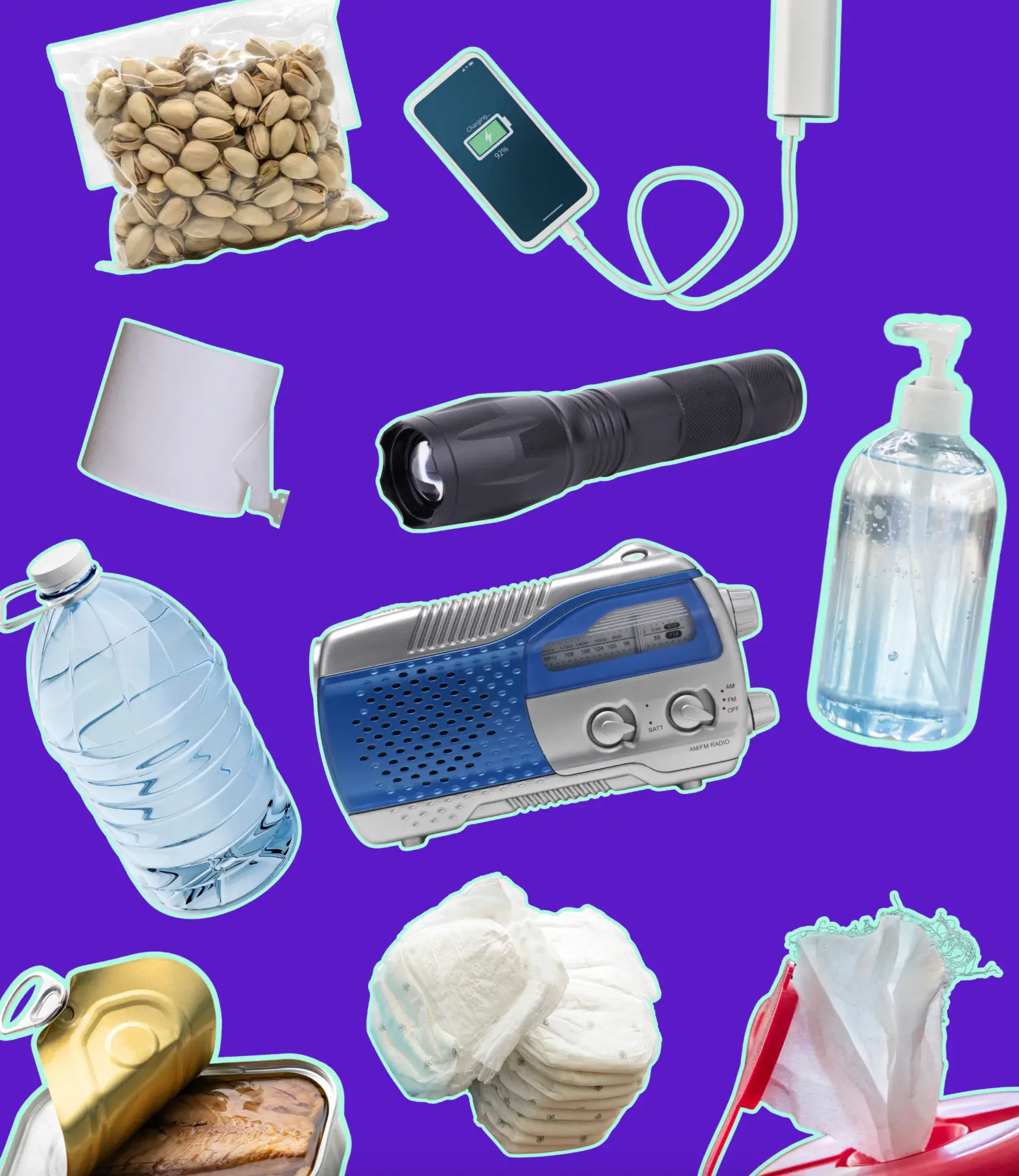
A checklist published by the government advises stocking up with three days’ worth of bottled water and non-perishable food, a battery-powered or wind-up FM radio to receive updates during outages, and cash in case electronic payments or cash machines are disrupted.
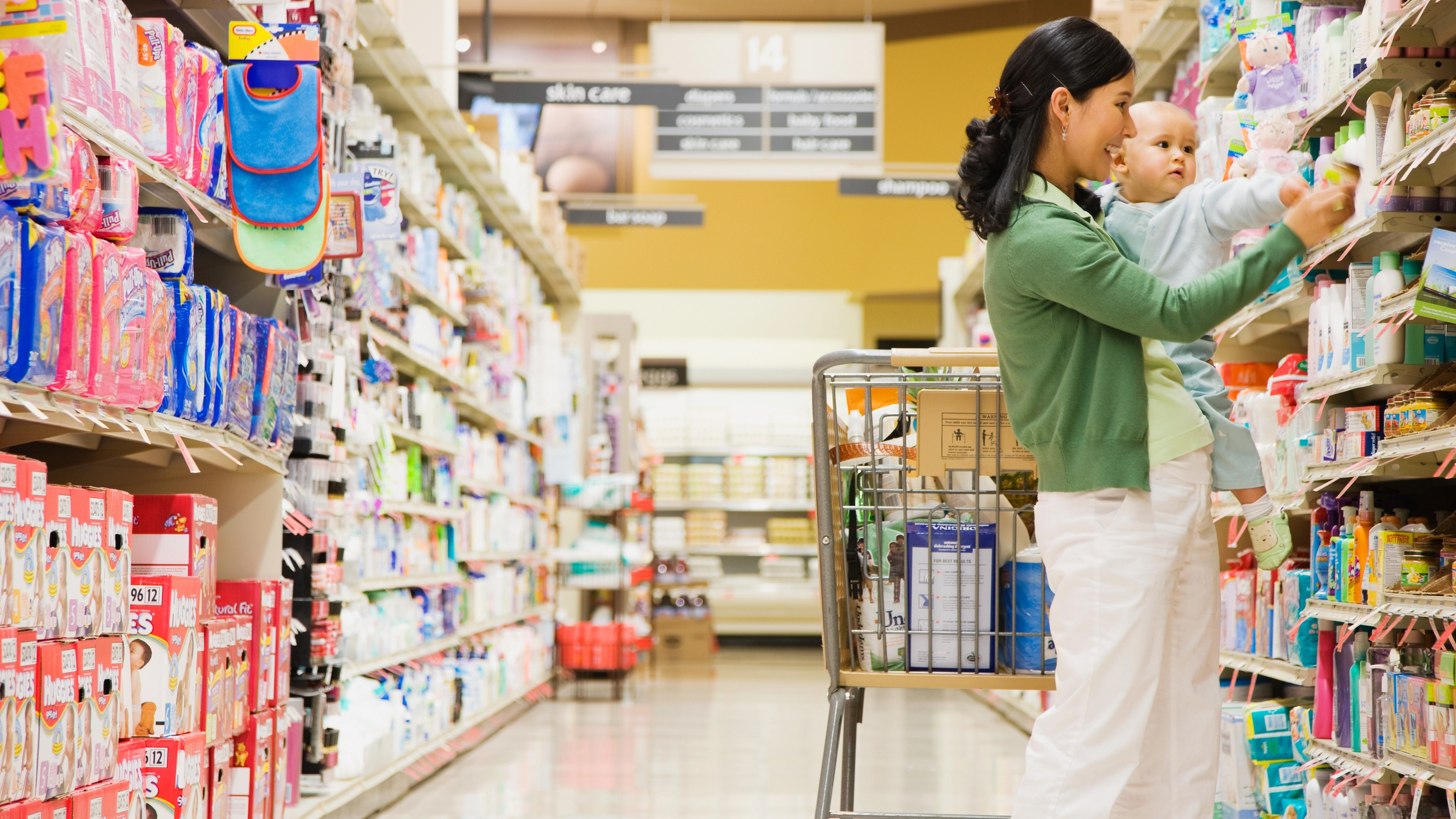
Also on the list, though, is an important message for parents or soon-to-be parents of babies: to make sure you have a supply of the essentials, including a specific type of formula.
Advert
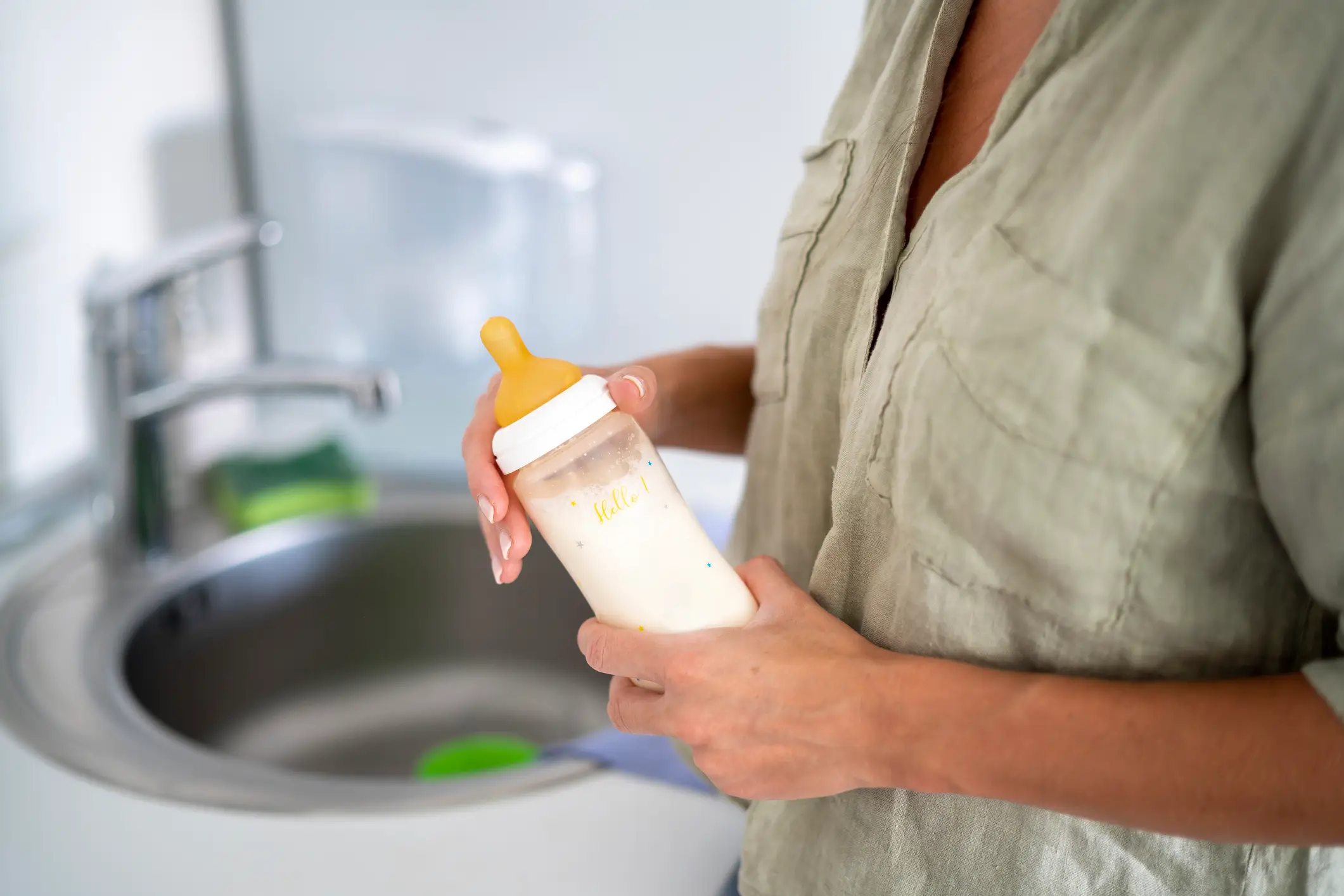
The advice outlines that you should ensure you have baby formula, with ‘ready-made or ‘ready-to-feed’ formula being best, as you may not be able to boil water to make up powdered formula safely’.
The UK government also advises parents to keep a stash of nappies and wipes, in case of a situation where they may not be available.
On Thursday, UK Secretary of State for Defence Wes Streeting explained the need for the British public to be ready in case businesses were hit by cyber attacks that could knock out supply chains of essentials.
He said households and businesses need to ask if they know how they would respond to possible ‘everyday challenges’ that might manifest themselves.
The politician said: “But we’ll also need to take the country a step further and ask them: are they prepared for increasingly sophisticated cyber attacks on our businesses? Are they prepared for the eventuality that there may be disruption to essential supply chains caused by hostile state actors or terrorists?
“How would we cope if the payment systems at the local supermarket went down?”
During BBC One’s Question Time, he later reassured those who are worried that there was not a ‘specific thing’ in mind when it comes to potential emergency incidents, but said the advice might help during power cuts or if a local shop is subject to a cyber attack and was a matter of ‘everyday national resilience’.
When an audience member suggested that the unexpected move was ‘scaremongering’ and could push people towards panic buying like during the Covid-19 pandemic, Streeting said: “We did have this debate though, just to reassure… because we want people to be alert but not alarmed, and the truth is we looked around the rest of Europe, ‘what are our friends doing across the continent?’ They are way ahead of us on some of this stuff.”
The UK government’s ‘Be Ready’ checklist
- Bottled water for 3 days. 3 litres per person per day for drinking. More would be needed for other tasks such as cooking and washing.
- Non-perishable food for 3 days. Food with a long shelf life that doesn’t need refrigeration or cooking, e.g. tinned meat, fish or vegetables, dried fruit and nuts. It’s best to buy food you’d usually eat
- Hand sanitiser, wet wipes, hygiene and bathroom products
- Torch (and spare batteries).
- Blankets, sleeping bags and warm clothing
- FM radio (battery/ wind-up)
- Charged power bank
- Cash (mix of coins and notes) and cards
- Copies of IDs/documents
- Important phone numbers and information (e.g. regular medication and doses)
- First aid kit / first aid items
- Essential medication and medical supplies
- Baby formula. Ready-made or ‘ready-to-feed’ formula is best, as you may not be able to boil water to make up powdered formula safely
- Nappies and wipes
- Pet food and bottled water
 Madison Burgess