List of items families need to stock up on after extreme weather hits UK

From heavy rain and flooding to freezing temperatures and power cuts, we must all make sure we have enough emergency supplies for times like this.
Thousands of homes have been left without power as a result of Storm Austen which has brought 84mph wind gusts and severe disruption.
On Saturday, another storm called Boelo is forecast to bring more strong winds.
While it might all sound dystopian, or like a plot from a TV drama, being prepared in advance can make a real difference when extreme weather strikes. Getting into the habit of regularly checking your food supplies, bottled water and essential gadgets that don't need to be plugged in or charged is also a sensible move, particularly in case of a sudden power cut.
Advert
And it’s not just power cuts that make keeping a few essentials tucked away worthwhile. The UK government has been reviewing its approach to emergency preparedness as part of its ‘Be Ready’ campaign, with households being encouraged to think ahead about how they would cope in a crisis.
Whether it’s extreme weather, flooding or even a cyber attack, having a few basics to hand could make all the difference.
So, which tinned foods are worth keeping in your cupboards, how much bottled water should you have at home, and what other essentials are worth stocking up on?
Food and water
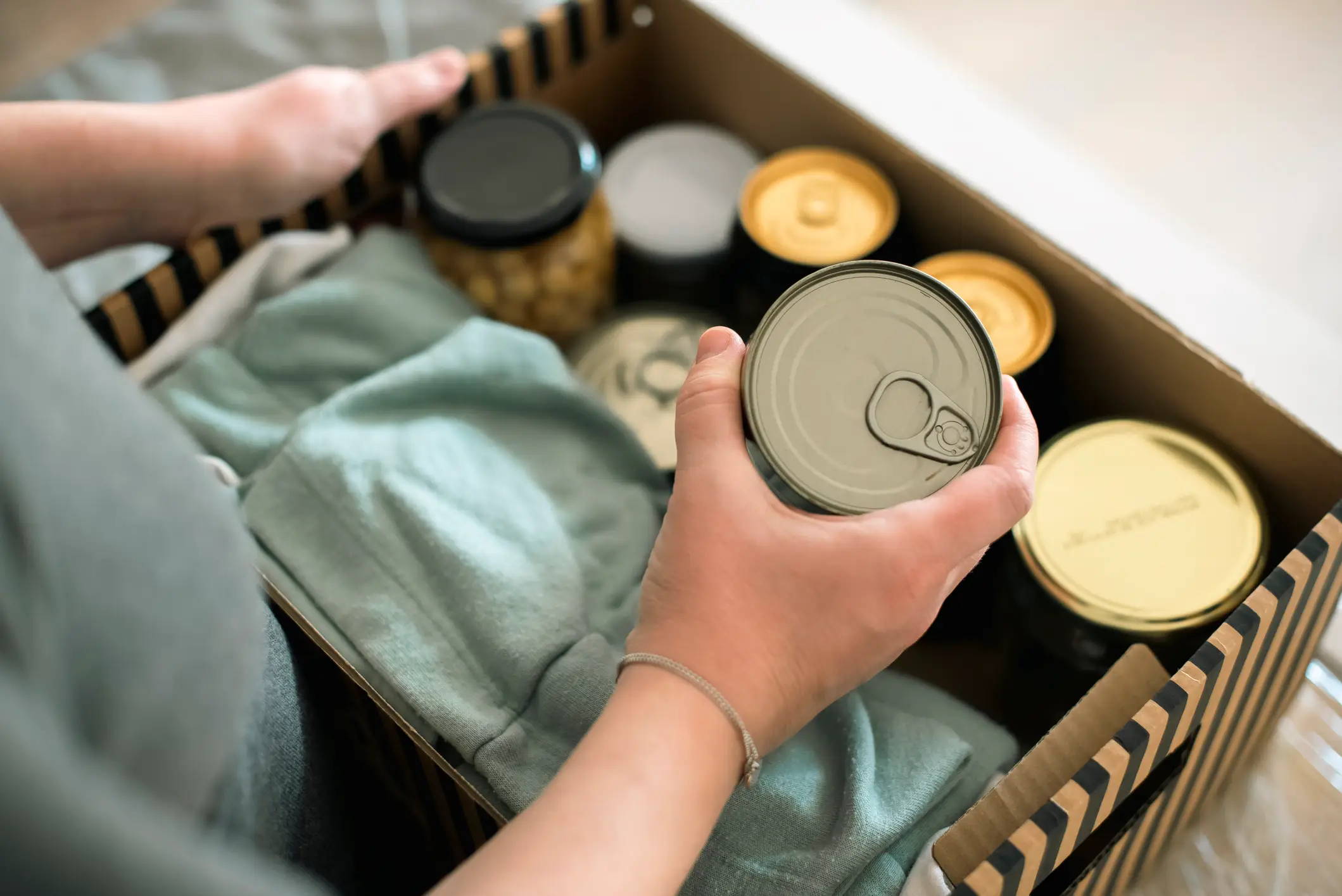
- Bottled water: Aim for around three litres per person per day for at least three days.
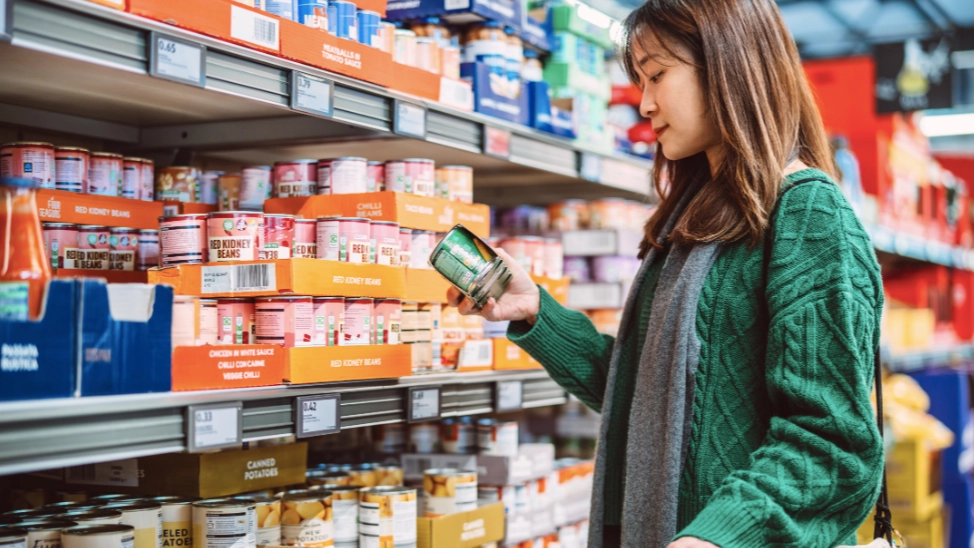
- Long-life food: Stock up on non-perishable items such as tinned meat, fish, vegetables, beans and soup, as well as dried fruit, nuts and crackers.
Hygiene
- Hand sanitiser and antibacterial wipes.
- Wet wipes for cleaning when water supplies are disrupted.
- Toiletries and bathroom essentials, including toilet paper, soap, toothpaste and sanitary products.
Lighting and power
- A torch and spare batteries for when the lights go out.
- Warm blankets and sleeping bags
- Cash in notes and coins, in case card payments, digital wallets and cash machines are unavailable.
- Warm clothing, including extra socks and layers.
- A battery-powered or wind-up FM radio to keep up with emergency broadcasts and official updates.
- A fully charged power bank to keep mobile phones and other essential devices running.

Documentation and emergency contacts
- Copies of important documents, such as passports, birth certificates, insurance details and identification.
- A written list of emergency contacts, including family members and key services.
- A list of regular medications and dosages, along with relevant medical information.
Medical essentials
- A well-stocked first aid kit, including waterproof plasters, bandages, antiseptic wipes, a thermometer and sterile eyewash.
- Essential medication and medical supplies, including any prescription medicines, spare glasses or equipment your family relies on.
Essentials for babies and children
- Baby formula, nappies and wipes, along with any other feeding and childcare essentials your family needs.
Supplies for pets
- Pet food and drinking water, with enough to last several days.
- Any essential pet medication, plus leads, carriers or other necessary supplies.
The list is optimised for three days of disruption and you can find the checklist here.
Dan Jarvis, security MP, said: "By taking simple steps to be ready for everyday emergencies like severe storms, people can reduce pressure on emergency services, helping them prioritise people who need more support in an emergency."
Topics: UK News, Food and Drink, Technology
 Greg Harris