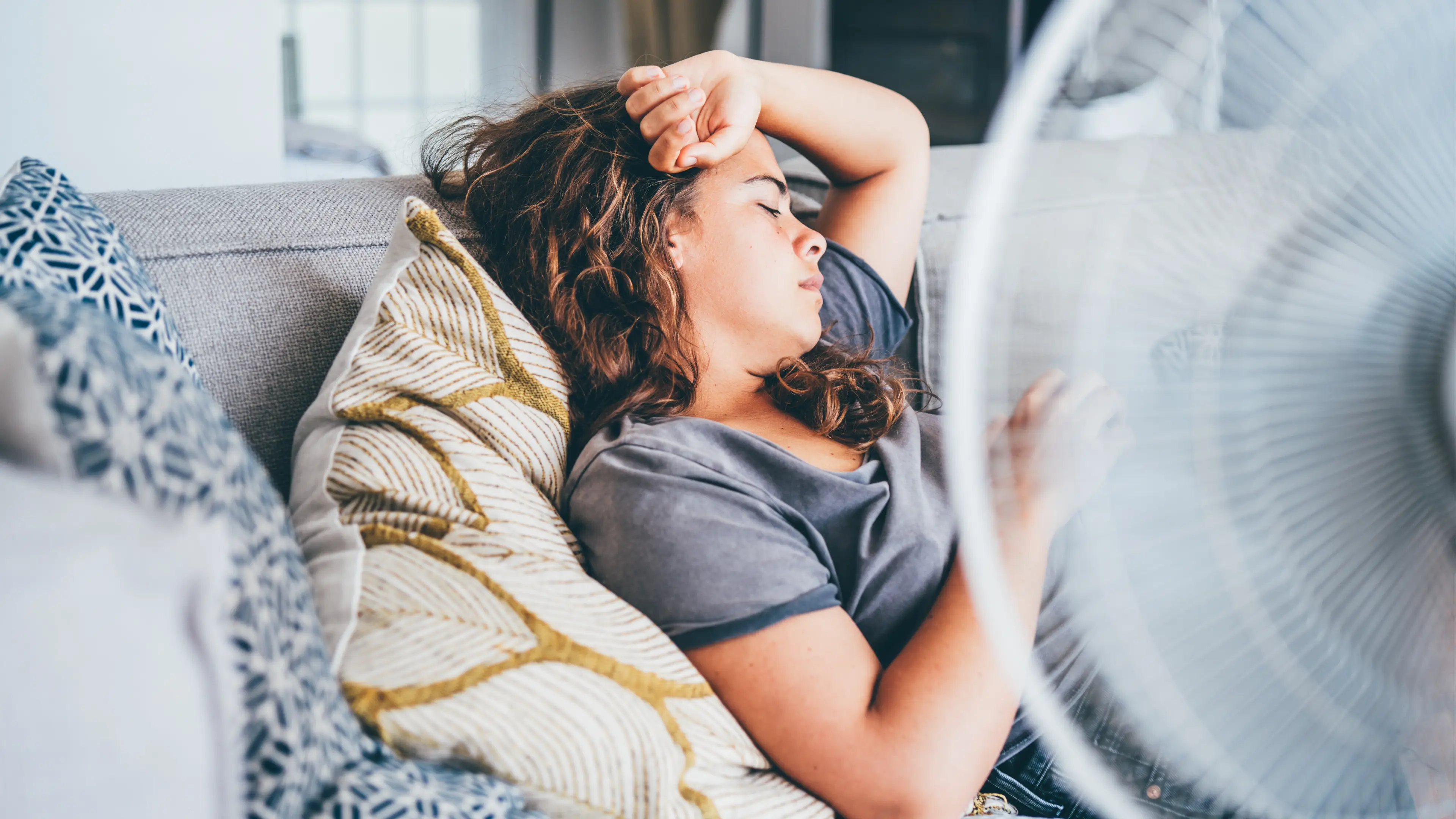
Common mistake could make your home even hotter during 30C heatwave

Brits trying to cool their homes down during a 30C heatwave may actually be making things a whole lot worse without realising.
As temperatures rise across the UK, many people are once again attempting to find ways to make stuffy bedrooms, overheated living rooms and uncomfortably warm home offices feel even slightly more bearable.
While some are reaching for fans, cold drinks, and lighter clothing, others may be relying on a habit that feels like the obvious thing to do when the heat starts building indoors — even if it’s actually more detrimental in the long run.
After all, when a room feels hot, the natural instinct is usually to let in as much ‘fresh air’ as possible, isn't it?
Advert

However, NHS advice suggests that one very common move could end up having the opposite effect during the hottest part of the day.
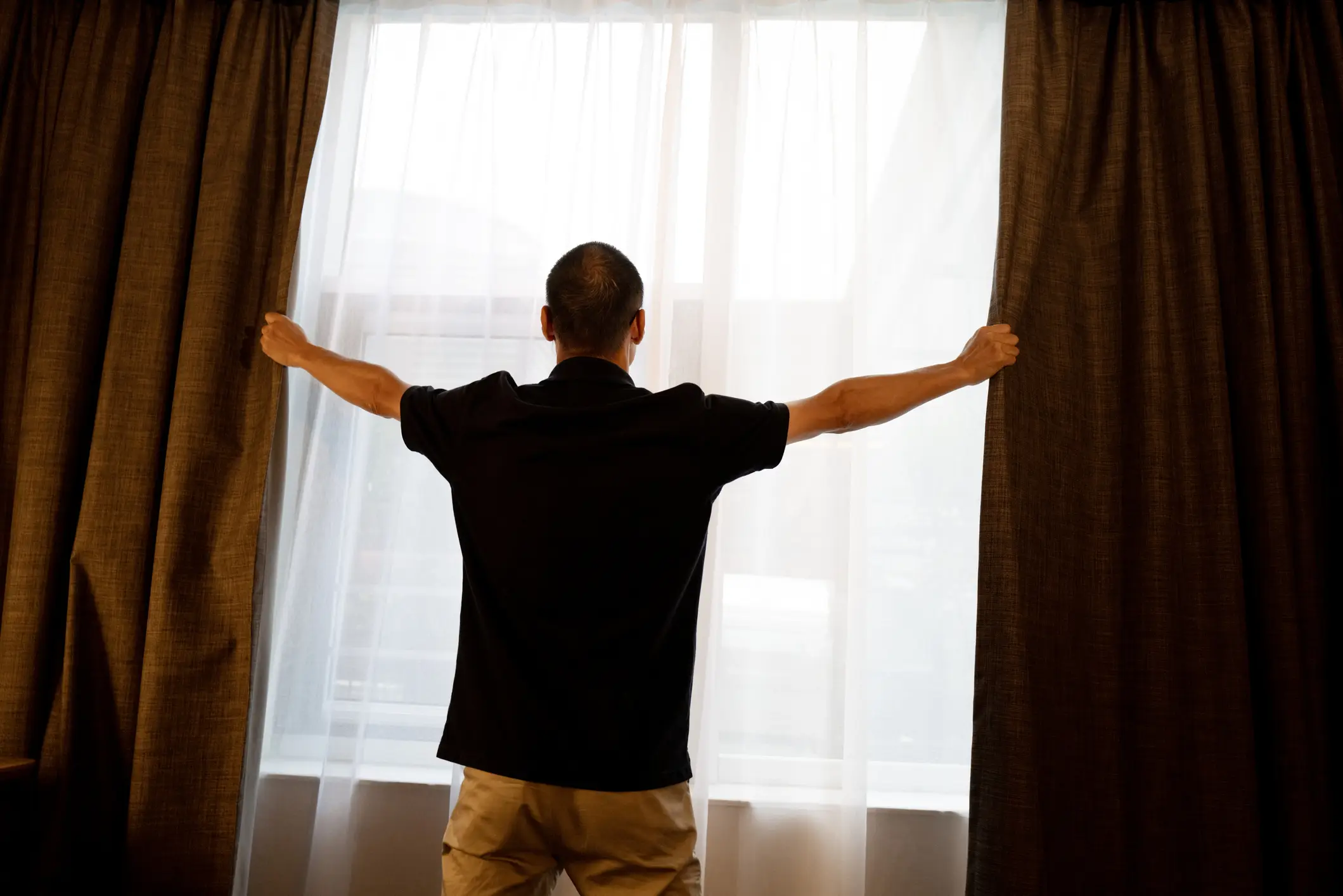
According to the health service, people should keep their living spaces cool by closing windows, curtains, and blinds during the day, before opening them again at night once the temperature outside has dropped.
That means throwing open every window while the sun is blazing may not be the best plan, particularly if the air outside is hotter than the air inside your home.
The NHS guidance states: “Keep your living space cool. Close windows, curtains and blinds during the day and open them at night when the temperature outside has gone down. Electric fans can help if the temperature is below 35 degrees.”
It comes as the health service continues to warn that very hot weather can pose serious health risks, with heatwaves linked to more people becoming seriously ill or dying.
The main risks include dehydration, overheating, heat exhaustion, and heatstroke, with certain groups more vulnerable than others.
According to the NHS, those most at risk include older people, especially those aged 65 and over, babies and young children aged five and under, and people with serious long-term conditions.
This includes those with heart problems, breathing problems, dementia, diabetes, kidney disease, Parkinson’s disease, mobility problems, mental health problems, or drug or alcohol addiction.
People who live alone, are on multiple medicines, are already ill and dehydrated, are homeless, work outside, or do manual labour are also among those considered to be at higher risk.
As well as trying to keep homes cooler, the NHS advises people to stay out of the heat where possible and remain in the shade, especially between 11am and 3pm. Anyone heading outside is also urged to wear sunscreen, a hat, and light clothing, while avoiding exercise or activity that makes them even hotter.
When it comes to cooling yourself down, the advice is to have cold food and regular cold drinks, drink extra fluids, and avoid alcohol, caffeine, and hot drinks. A cool shower, or putting cool water on your skin or clothes, can also help.
The NHS also says people should check the temperature of rooms, especially where vulnerable people live and sleep, and make sure to check in on anyone at higher risk from the heat.
If someone feels unwell with a high temperature during hot weather, it may be heat exhaustion or heatstroke.
Alternative ways to cool down in a heatwave
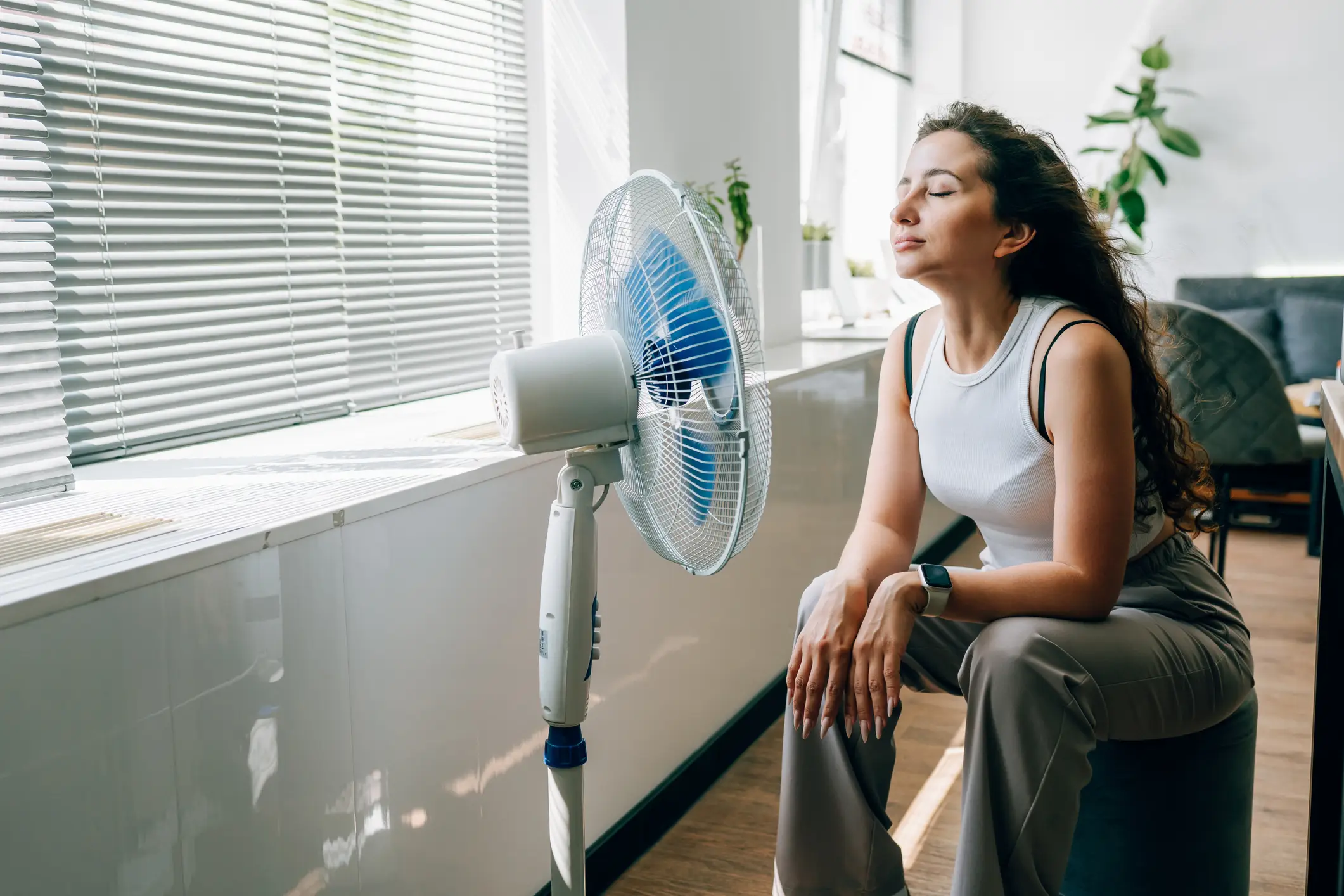
Have you tried these little-known hacks to beat the heat? (Thank us later).
The correct way to sleep with a fan on
A good night's sleep is almost never guaranteed during a heatwave, leaving many of us turning to our trusty fan to get through the night. However, it could be having a hidden impact on your health.
But rest assured, as Dr Anis Khalaf has explained how to overcome this, the correct way.
"The key is to not have any of the wind blowing on you,” he said. “So try facing it away from your body, and the air will still circulate around the room."
Though bear in mind that electric fans only tend to work when the temperature is below 35 degrees.
Drinking milk
Thanks to the sugars, proteins and fats in milk, Dr Natasha Fernando claimed that a glass of the liquid ‘may be more hydrating than water’.
She told Metro: “Milk also contains sodium which allows your body to hold onto water for longer, aiding hydration levels.”
The Egyptian sleep method
Forget the Military sleep method, because this hack claims to keep you cool as well as help you nod off.
Psychiatrist Alex Dimitriu, MD, told VeryWellMind: "The Egyptian sleep method involves sleeping under a damp sheet, which cools off from evaporation.”
Just make sure the sheet is damp and not drenched, and the room is well-ventilated.
Keeping windows shut during the day
While it may sound counterproductive, you’re essentially inviting the hot air inside by leaving them open. And since most houses in the UK are designed to keep the heat in, you could be making the situation a whole lot worse.
Instead, wait until temperatures have dropped (such as in the late evening) to open your windows to allow cooler air to circulate. Keeping your blinds and curtains shut can also help.
 Ben Williams